
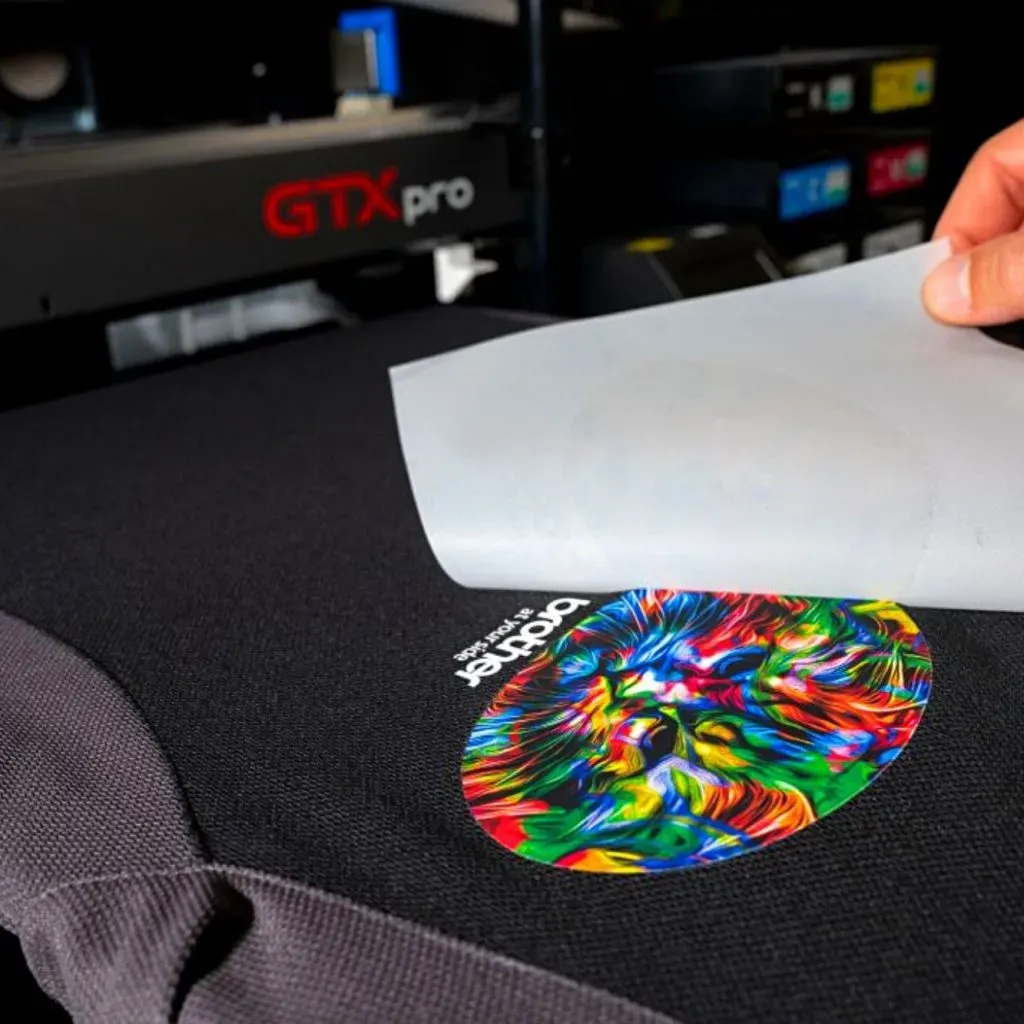
In the ever-evolving landscape of custom apparel, mastering DTF printing techniques is pivotal for businesses aspiring to stand out and capitalize on market trends. Direct to Film (DTF) printing has emerged as a streamlined, cost-effective printing method that offers high-quality results on a range of fabrics. One of the standout features in this technology is the use of gang sheets, which optimizes production efficiency by allowing multiple designs to be printed on a single film. With DTF printing benefits including reduced material waste and faster turnaround times, print shops can elevate their offerings while keeping costs in check. As we delve deeper into this guide, you’ll discover how these techniques can enhance your custom apparel prints and meet the diverse demands of your customers.
Exploring the realm of garment embellishment, one encounters a modern marvel in Direct to Film (DTF) printing methodologies that revolutionize the printing landscape. Often referred to simply as DFT, these techniques harness the power of specialized films and inks, allowing for intricate designs to be effortlessly transferred onto textiles. This innovative approach promotes efficiency with gang sheets, where multiple graphics can elegantly coexist on a single transfer medium, thus streamlining production. As businesses look to broaden their custom apparel offerings, understanding the attributes and advantages of DTF techniques becomes increasingly crucial. The burgeoning popularity of this printing style not only highlights its adaptability but also signals a shift towards more sustainable and economical printing solutions.
Understanding the Basics of DTF Printing Techniques
Direct to Film (DTF) printing is revolutionizing the custom apparel industry by offering a blend of versatility and durability in fabric printing. Unlike traditional methods, DTF printing allows for intricate designs to be easily transferred onto a wide variety of fabrics including cotton, polyester, and blends. The process involves printing designs onto a special film, layering them with adhesive powder, and using heat to permanently bond the design to the fabric. This contemporary method is not only efficient but also yields vibrant colors and fine details, making it a preferred choice for businesses looking to produce high-quality apparel.
In addition to its ability to create detailed prints, DTF printing also ensures that the resulting images remain intact after multiple washes. This durability is attributed to the unique inks and films used, which are specifically formulated to withstand the wear and tear that textiles typically encounter. Furthermore, the adaptability of DTF printing solutions allows for customization and small batch productions without significant financial risk, freeing businesses from the constraints of minimum order quantity requirements often seen in traditional printing options.
The Innovative Use of Gang Sheets in DTF Printing
Gang sheets are becoming an essential element in DTF printing because they optimize both material usage and production efficiency. By enabling multiple designs to be printed at once on a single transfer film, gang sheets minimize waste—an increasingly critical factor in today’s cost-conscious printing landscape. As businesses aim to reduce their carbon footprint and operational costs, the strategic use of gang sheets is a practical solution that contributes to their goals of sustainability and economic viability.
Moreover, gang sheets offer ample flexibility when it comes to fulfilling custom orders. Instead of setting up print jobs for each individual design, operators can arrange various graphics on a single sheet. This means jobs can be completed faster, and customers can receive their orders in a more timely manner. Whether it’s printing logos for a corporate event or intricate artwork for fashion apparel, gang sheets can handle various designs simultaneously, boosting the capability of print businesses to cater to a wider array of client specifications.
Cost-Effective Printing Solutions with DTF Techniques
One of the standout features of DTF printing is its cost-effectiveness, particularly when combined with the technique of using gang sheets. Traditional printing methods often require separate setups for each design, leading to increased waste and higher production costs. In contrast, DTF’s gang sheet approach streamlines the process, allowing multiple designs to be printed simultaneously, significantly reducing the amount of film and ink used. This not only cuts costs but also maximizes profit margins for print shops.
Moreover, the ability to produce stunning custom apparel prints at a lower cost can be a game-changer for businesses looking to expand their offerings. As DTF printing technology continues to evolve, it provides solutions that are not just economical, but also scalable, enabling small print shops to compete effectively with larger operations. By investing in efficient DTF printing techniques, businesses can maintain high product quality while ensuring affordability, making it easier to satisfy diverse customer needs.
Exploring the Benefits of DTF Printing
DTF printing presents numerous advantages that make it an attractive option for businesses involved in fabric printing. The technology allows for the production of custom apparel prints with exceptional color vibrancy and detail. Unlike other printing methods, DTF’s application of specialized inks ensures that prints remain bright and clear over time, even after repeated washing. This quality assurance is vital for brands aiming to establish a reputation for quality and longevity in their products.
In addition, DTF printing techniques support various fabric types, making it a versatile option for businesses looking to diversify their offerings. Whether working with cotton, polyester, or mixed fabrics, print shops can leverage DTF technology to cater to specific customer preferences and market demands. As the custom apparel business continues to grow, having a printing solution that excels in adaptability and durability positions companies to capitalize on emerging trends and consumer interests.
Maximizing Production Efficiency with DTF Processes
Understanding and implementing DTF printing techniques can significantly enhance production efficiency for print shops. The entire DTF process—from printing to heat transfer—is designed to be quick and streamlined, allowing operators to complete jobs faster than with traditional methods. With features like gang sheets, businesses can execute multiple print jobs simultaneously, effectively reducing lead times and increasing capacity. This enhanced efficiency results in quicker turnaround for customers, which is essential in a highly competitive market.
Furthermore, automated DTF processes can minimize the potential for human error, making the overall production workflow smoother. By investing in quality equipment and mastering effective techniques, print shops can improve their output while maintaining high standards of quality. This balance between speed and quality is vital for meeting consumer expectations and establishing a reliable service reputation, thereby ensuring long-term success in the custom apparel industry.
Advanced Techniques in DTF Printing for Custom Apparel
The realm of DTF printing is continuously expanding with the introduction of advanced techniques that enhance the quality and efficiency of custom apparel production. Techniques like color layering and gradient printing allow for highly detailed and vibrant designs that were once challenging to achieve with traditional methods. By embracing these advancements, print shops can offer customers unique designs that stand out in the competitive market.
Additionally, integrating technology such as design software for precise placement and color management can elevate the quality of prints. Advanced software enables operators to prepare high-resolution images that maximize the visual impact of the final product. By keeping up with emerging trends and continuously learning new techniques, businesses can ensure they are equipped to meet the evolving demands of the custom apparel market.
Frequently Asked Questions
What are the primary benefits of DTF printing techniques for custom apparel?
DTF printing techniques offer several advantages for custom apparel, including vibrant color reproduction, versatility in fabric compatibility, and improved durability of prints. The ability to print complex designs rapidly on various materials makes DTF ideal for personalized garments. Additionally, DTF printing reduces waste through the use of gang sheets, enhancing cost-effective printing for businesses.
How do gang sheets improve production efficiency in DTF printing?
Gang sheets significantly improve production efficiency in DTF printing by allowing multiple designs to be printed simultaneously on a single transfer film. This method minimizes downtime and material waste, leading to quicker turnaround times for custom orders. By optimizing layouts, print shops can maximize their output and reduce overall printing costs, contributing to better profit margins.
What is the process involved in DTF printing techniques?
The DTF printing process involves printing a design onto a specialized film, applying an adhesive powder to the print, and then heat transferring it onto the fabric. This technique ensures high-quality and durable prints that can adhere to various materials. Understanding the DTF printing techniques from design placement to final transfer is crucial for achieving optimal results.
How can I ensure cost-effective printing using DTF printing techniques?
To achieve cost-effective printing with DTF techniques, utilize gang sheets to print multiple designs on a single transfer film, reducing material waste. Additionally, optimize your ink usage and ensure accurate color management to prevent costly errors. By streamlining the printing process and minimizing resource consumption, you can significantly lower your operational expenses.
What types of fabrics are suitable for DTF printing techniques?
DTF printing techniques are compatible with a wide range of fabrics, including cotton, polyester, and blended fabrics. This versatility allows businesses to cater to various custom apparel needs. DTF printing delivers vibrant results on both light and dark fabrics, making it an appealing choice for diverse printing applications.
How does DTF printing compare to other printing techniques for custom apparel prints?
DTF printing stands out among other techniques like screen printing and direct-to-garment (DTG) printing due to its adaptability, speed, and cost-efficiency. Unlike screen printing, which can be expensive for small runs, DTF allows for quick setups and bulk prints using gang sheets, making it suitable for custom orders. Furthermore, DTF offers superior durability, ensuring that prints withstand regular washing while maintaining vibrant colors.
| Key Point | Description |
|---|---|
| Introduction to DTF Printing | DTF printing is essential for thriving in the custom apparel market, known for efficiency and high-quality results. |
| What is DTF Printing? | It is a technology that allows vibrant prints on fabrics using specialized inks and films for durability. |
| Importance of Gang Sheets | Gang sheets allow multiple designs on one film, optimizing material use and improving order fulfillment. |
| Benefits of Gang Sheets | Cost-effective, time-efficient, and versatile for various custom print designs. |
| Steps to Create Effective Gang Sheets | Includes design placement, optimal layout, color management, and a quality check before printing. |
Summary
DTF printing techniques are transforming the way businesses approach custom apparel production. With its ability to deliver vibrant, durable prints, Direct to Film printing stands out as a favorable choice in the competitive printing landscape. By understanding the fundamentals and adopting techniques like gang sheets, businesses can significantly enhance their printing efficiency and reduce costs. Mastering these techniques ensures not only high-quality outputs but also caters to diverse customer needs, establishing a strong foothold in the market.