
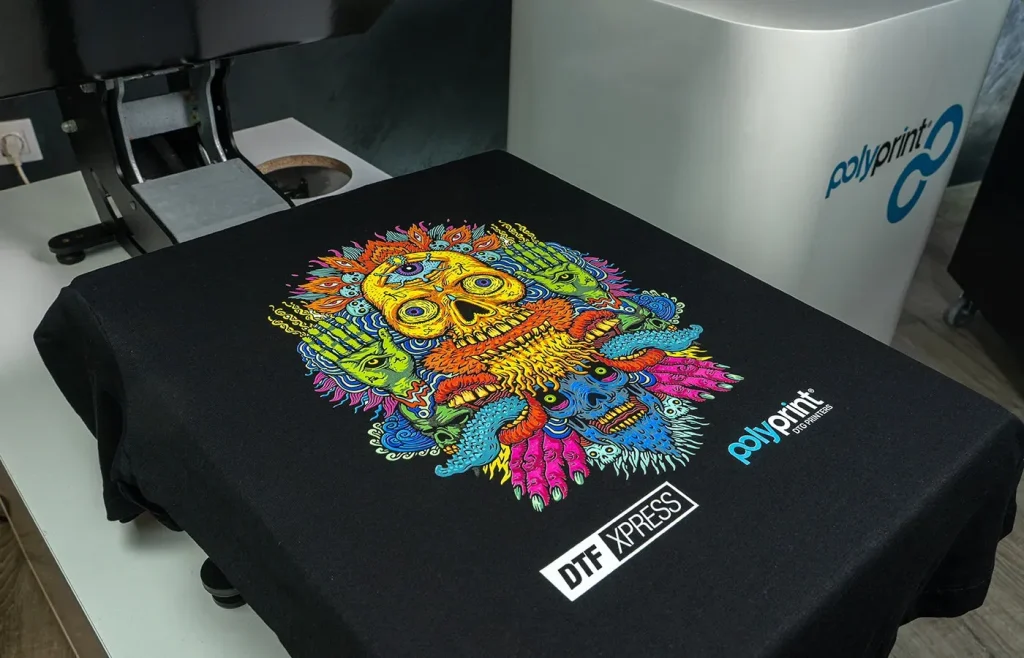
DTF printing, or Direct-to-Film printing, is revolutionizing the way we approach customization in the print industry. This innovative technology allows for vivid, high-quality designs to be transferred directly onto various textile surfaces, fulfilling the growing consumer demand for personalized products. As we witness a shift towards sustainable printing practices, DTF stands out by offering eco-friendly solutions that minimize waste and environmental impact. Additionally, the flexibility and versatility of DTF printing make it a crucial player in current printing technology trends. From fashion apparel to home decor, the appeal of DTF printing is clear, creating tailored products that cater to both aesthetic desires and sustainability goals.
The realm of Direct-to-Film printing, frequently referred to as DTF, represents a significant shift in modern printing methodologies. This approach utilizes specialized films to apply designs onto fabric, resulting in vibrant prints that retain their quality over time. With a growing emphasis on customization in printing, DTF has carved out a niche that not only meets consumer expectations for unique products but also aligns with eco-friendly printing initiatives. As the industry navigates through innovations in printing technology trends, DTF printing emerges as a frontrunner capable of transforming traditional practices. By prioritizing sustainability, businesses utilizing this technique are positioning themselves as leaders in a rapidly evolving market.
Understanding DTF Printing Technology
Direct-to-Film (DTF) printing is emerging as a revolutionary process in the world of garment and textile printing. Unlike its predecessors, DTF allows for intricate designs to be printed onto a special film, which are then transferred onto fabric using heat. This method ensures that the prints are not only vibrant but also possess an impressive durability that stands the test of time and wear. In addition, DTF printing can be utilized on a variety of fabrics, making it immensely versatile for businesses seeking to expand their product offerings.
Furthermore, DTF printing simplifies the production process for custom designs. With DTF, the need for complex setup and lengthy printing processes can be eliminated, allowing for quicker turnaround times. This is particularly beneficial in a fast-paced market where customers increasingly desire personalized products. As this technology continually evolves, it is set to redefine how businesses approach customization, efficiency, and quality in printing.
The Impact of Customization on the Printing Industry
Customization holds significant importance in the DTF printing realm, reshaping how brands connect with their consumers. Clients today crave personalized experiences rather than standard offerings, and DTF technology caters to these desires. Companies can create unique designs tailored specifically to individual customer preferences, whether it’s a one-off custom t-shirt or a small batch of promotional merchandise. This level of customization not only enhances consumer satisfaction but also strengthens brand loyalty.
Moreover, the advent of e-commerce has amplified consumer expectations around customization. With DTF printing, businesses can easily adapt their stock and designs based on market trends and customer feedback. This agility is critical in today’s digital-first shopping landscape, where customization is no longer a luxury but a necessity. As businesses embrace DTF technology, they position themselves at the forefront of a customization revolution, making them more competitive in the printing industry.
Sustainability in DTF Printing: An Eco-Friendly Approach
In recent years, sustainability has taken center stage in the printing industry. DTF printing stands out as a prime example of how businesses can adopt eco-friendly practices while still delivering high-quality products. By utilizing eco-conscious inks and materials, the DTF process minimizes waste and pollution compared to traditional printing methods. This commitment to sustainable practices not only appeals to environmentally aware consumers, but also positions companies favorably in a market that increasingly prioritizes green initiatives.
By integrating sustainability into their production lines, DTF printing companies can alleviate the environmental footprint associated with the textile industry. This includes reducing harmful chemical usage and opting for cooler printing processes that save energy. As brands advertise their sustainable practices, they attract a new demographic of customers who prioritize eco-friendly choices in their purchasing decisions. Thus, DTF printing is not only a method to deliver exceptional designs but also a way for businesses to contribute positively to the planet.
Emerging Trends in DTF Printing Technology
The landscape of printing technology is in a constant state of evolution, and DTF is no exception. Recent advancements in print technology have led to improved efficiency and product quality, making DTF an appealing choice for businesses. Innovations such as automated film handling and advanced printing machinery enable faster production rates, reducing labor costs and time to market. As we approach 2025, the integration of these technologies promises to push the boundaries of what DTF printing can achieve.
Additionally, trends such as a greater emphasis on digital marketing and online sales models are reshaping DTF printing applications. More startups and established brands are harnessing the power of social media to market their unique prints and customized products effectively. The strategic use of DTF technology for small businesses allows them to compete with larger brands without needing substantial production runs, thus democratizing access to high-quality printing technology.
Why DTF Printing is Here to Stay
As the demand for customized and high-quality printed goods continues to rise, DTF printing is poised to remain a staple in the industry. Its versatility across various fabrics coupled with bold and vibrant print capabilities meets the expectations of increasingly discerning consumers. Businesses looking to thrive in the future will find that adopting DTF technology is not merely an option, but an essential strategy for survival.
Furthermore, as more companies pivot towards sustainable practices, DTF’s inherent advantages make it an attractive solution for aligning with eco-friendly business models. The capacity for small-batch production without significant waste aligns perfectly with a market that values sustainability. Therefore, as the printing industry evolves, DTF will play a crucial role in shaping its future, offering a pathway that leads to unprecedented levels of innovation and responsibility.
The Future of DTF Printing: Trends on the Horizon
Looking ahead, DTF printing technology is set to witness numerous exciting advancements that will redefine the industry landscape. Innovations such as enhanced color management systems and real-time production monitoring will streamline operations, ensuring that businesses can deliver quality prints efficiently and at scale. Moreover, the incorporation of artificial intelligence into print design and production processes could unlock new levels of creativity and customization, allowing brands to be more responsive to consumer trends.
Additionally, the global push towards sustainable practices will undoubtedly influence the future of DTF printing. Eco-friendly inks, biodegradable films, and a focus on circular printing processes will lead the charge towards a greener printing industry. Coupled with the growing consumer expectation for sustainability, businesses that invest in DTF now will be well-positioned to lead the charge as sustainability becomes a defining characteristic of successful businesses in 2025 and beyond.
Frequently Asked Questions
What is DTF printing and how does it work?
DTF printing, or Direct-to-Film printing, is a revolutionary printing technology that allows designs to be printed onto a special film. These films, once printed, are then heat-pressed onto textiles, resulting in high-quality, vibrant images that are durable and suitable for customization in printing. This method is gaining traction due to its efficiency and capability to produce customized products quickly.
What are the key benefits of using DTF printing for customization?
DTF printing offers several benefits for customization, including high color vibrancy, exceptional durability, and versatility across various fabrics. Businesses can produce tailored products in small batches without significant costs, making DTF printing an ideal solution for cafes, fashion brands, and home decor companies looking to offer unique, personalized items.
How does DTF printing contribute to sustainable printing practices?
DTF printing supports sustainable printing practices by utilizing eco-friendly inks and materials that minimize environmental impact. As the demand for eco-friendly printing solutions grows, DTF companies are increasingly adopting processes that prioritize sustainability, ensuring that their operations are responsible and aligned with consumer preferences for green products.
What printing technology trends are associated with DTF printing?
Recent printing technology trends in DTF printing include advancements in ink formulations that enhance print durability, new heat-press technologies that improve transfer processes, and innovations in sustainable materials. These trends not only improve the quality of output but also align DTF printing with consumer demands for customization and eco-friendly practices.
Is DTF printing suitable for commercial use or just for small businesses?
DTF printing is highly suitable for both commercial and small business use. Its efficiency allows high-volume productions without compromising on quality, making it an attractive option for businesses aiming to meet large orders of customized products, while also being cost-effective for small businesses looking to enter the customization market.
What are some common applications of DTF printing in the textile industry?
DTF printing is commonly used in various applications within the textile industry, including personalized apparel like t-shirts and hoodies, custom home decor items such as pillows and curtains, and promotional merchandise. Its ability to quickly adapt to customization needs makes it a preferred choice for businesses looking to innovate their product offerings.
| Key Point | Description |
|---|---|
| Definition of DTF Printing | A new printing technique that allows designs to be printed on film and then transferred onto textiles, providing high-quality prints with vibrant colors and durability. |
| Recent Developments | Technological advancements include integration into textile sectors, innovations for competitive edge, and the introduction of eco-friendly materials and processes. |
| Customization Opportunities | DTF printing enables businesses to create personalized products efficiently, catering to consumer demands for customization and unique offerings. |
| Emphasis on Sustainability | The DTF industry is increasingly adopting eco-friendly practices, aligning with consumer demand for sustainable products and reducing environmental impact. |
| Future Outlook | 2025 is anticipated to bring new technologies and opportunities within the DTF sector, encouraging industry professionals to adapt and innovate. |
Summary
DTF printing represents a revolutionary shift in how the printing industry approaches product customization and sustainability. As the technology continues to evolve, it enhances the potential for personalized consumer experiences while prioritizing eco-friendly practices. Businesses leveraging DTF printing not only gain a competitive edge but also contribute to a more sustainable future. By 2025, DTF printing will not simply be a method of product decoration; it will symbolize a transformative approach to meeting the diverse needs of consumers and protecting the environment, solidifying its role as a cornerstone of the modern printing landscape.