
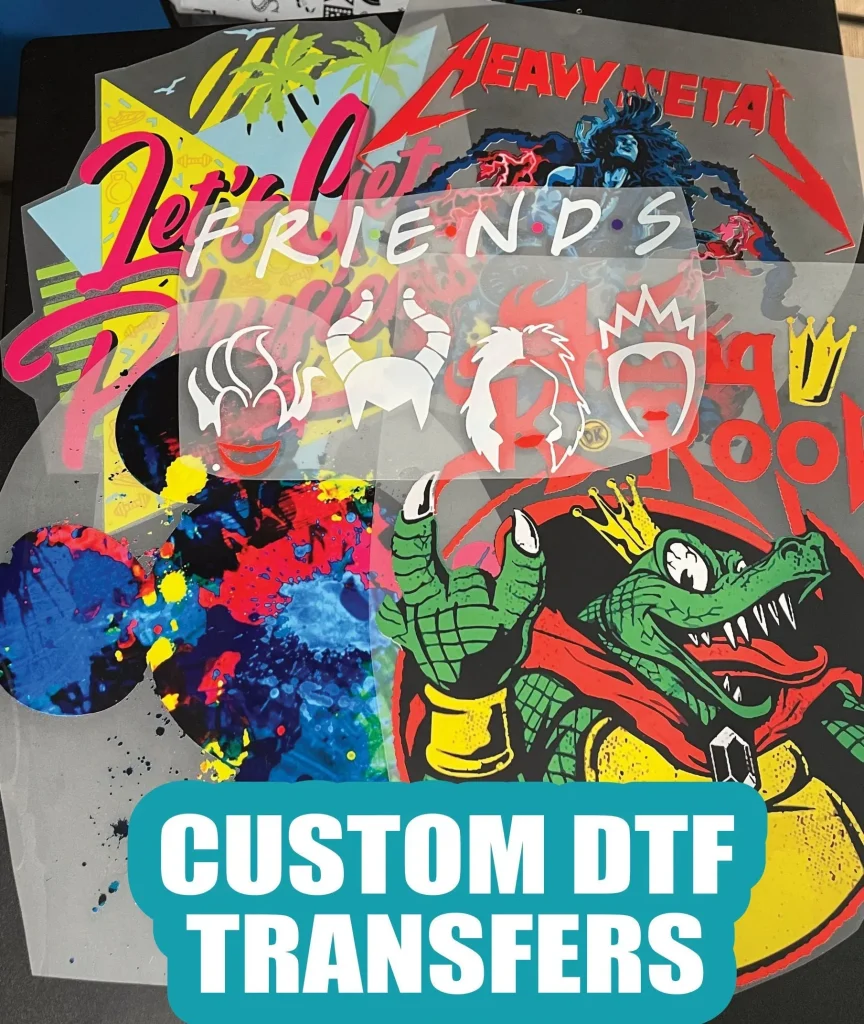
DTF Transfers, or Direct-to-Film transfers, are revolutionizing the world of custom t-shirt printing by combining superior technology with sustainable practices. This innovative method allows for vibrant designs to be transferred onto various fabrics, significantly simplifying the custom apparel creation process. With DTF technology, creators can enjoy the benefits of reduced waste and increased efficiency in their printing endeavors, leading to a more sustainable future for fashion. As the demand for personalized apparel continues to rise, DTF transfers provide an accessible solution for both individuals and small businesses looking to make their mark in the industry. Join us as we explore the advancements and innovations in printing that are reshaping how we approach custom garment production today.
The emergence of Direct-to-Film printing techniques underscores a significant shift in how custom merchandise is produced and personalized. Often referred to as DTF technology, this modern approach harnesses the power of digital printing, facilitating the application of intricate designs directly onto garments. Unlike older printing methods, this innovative process minimizes material waste while maximizing creativity, making it a preferred choice among enthusiasts and entrepreneurs alike. With the advent of personalized printing solutions, individuals now have the tools they need to create bespoke apparel while contributing to sustainable fashion practices. This shift not only emphasizes the importance of environmentally conscious methods in the industry but also inspires a new wave of creativity in custom apparel design.
Understanding DTF Transfers and Their Impact on Custom T-Shirt Printing
DTF transfers, or Direct-to-Film transfers, represent a significant progression in the realm of custom t-shirt printing. By enabling vibrant, detailed designs to be printed on a specialized film before being applied to fabric, DTF technology streamlines the printing process. Unlike traditional methods, which often require multiple steps and can waste substantial materials, DTF printing allows for a more simplified, efficient, and environmentally friendly approach. This benefit is particularly appealing to artists, entrepreneurs, and small businesses that wish to minimize costs while maximizing creativity.
As the custom apparel market continues to flourish, the influence of DTF transfers becomes increasingly apparent. This printing method not only enhances design possibilities but also promotes sustainability—an essential factor for modern consumers. Whether producing merchandise for an event or personalizing gifts, the precision and vibrancy offered by DTF technologies make it a preferred choice for contemporary creators seeking to stand out in a competitive landscape.
Sustainability Innovations in DTF Technology
Sustainability is a pivotal theme in today’s apparel manufacturing discussions, and DTF technology plays a crucial role in these innovations. By significantly reducing waste in printing processes, DTF stands out against traditional methods that typically generate surplus materials. DTF printing eliminates the need for excessive screens or components involved in screen printing, promising a cleaner, more sustainable approach. This adaptability makes DTF an attractive option for brands striving to implement eco-friendly practices in their operations.
Moreover, adopting DTF technology aligns with the values of a growing demographic of eco-conscious consumers. As research shows, using environmentally responsible printing methods can bolster a brand’s reputation and marketability. With DTF transfers, companies deliver customized apparel while also committing to reducing their environmental footprint, paving the way for a more sustainable future in the textile industry.
The Accessibility of DTF for Small Businesses
One of the standout benefits of DTF transfers is their accessibility for small business owners and individual creators. The relatively low initial investment for DTF printing equipment—along with user-friendly processes—allows entrepreneurs to enter the custom t-shirt market without extensive technical expertise. This democratization of printing technology empowers individuals to manufacture high-quality, personalized garments conveniently and efficiently.
The rise of DTF services specially designed for creators and small businesses, such as those introduced by DesignBundles.net, further facilitates this accessibility. As these services focus on providing comprehensive solutions tailored to the needs of small-scale printers, they enable budding entrepreneurs to tap into the lucrative personalized apparel market with confidence, scalability, and ease.
DTF Transfers Revolutionizing Personalized Apparel
Personalized apparel has exploded in popularity, with consumers increasingly desiring unique, custom designs that reflect their personalities. DTF transfers cater perfectly to this demand, allowing for quick and vibrant printing of detailed graphics on garments. Whether for bespoke customer orders, small business merchandise, or crafting unforgettable gifts, DTF technology offers the flexibility necessary to bring creative visions to life.
This revolution in personalized apparel goes beyond aesthetics; it also redefines the relationship between creators and consumers. With DTF printing, even novice designers can create professional-quality products with minimal effort. This accessibility fosters creativity and drives engagement, as anyone can contribute to the growing landscape of personalized fashion without substantial overhead costs.
Exploring the Commercial Impact of DTF Printing
As DTF transfers gain traction in commercial printing, the industry is witnessing a significant shift. Platforms such as Snuggle DTF are leveraging these advancements to provide print-on-demand services that cater to the evolving needs of retailers and consumers. This move signifies a maturation of the market where businesses increasingly seek to offer personalized products, enhancing customer loyalty and boosting sales.
The impact of DTF technology within commercial printing lies not just in efficiency but also in its adaptability. Businesses can quickly pivot to meet consumer demands, whether producing small batches for niche markets or larger runs for public demand. The integration of DTF technology across diverse apparel markets promises a future filled with personalized options that cater to varying tastes and preferences.
Global Accessibility and the Future of DTF Transfers
The potential of DTF printing is not confined to developed markets; it is revolutionizing the entire global landscape of custom apparel. Regions like South Africa are witnessing a surge in DTF utilization, driven by affordable, compact printers designed for entrepreneurship. As demonstrated by initiatives such as AM.CO.ZA’s offering, this democratizes access to modern printing technologies, ensuring that entrepreneurs in emerging markets can also thrive.
The broader implications of this global accessibility are exciting, as they encourage a diverse array of creative expressions in the apparel sector. Increasing access to DTF technology means more individuals can participate in the custom apparel market, driving innovation and competition. As this trend continues, the demand for high-quality, personalized apparel is bound to soar, shaping the future of fashion and garment production worldwide.
Frequently Asked Questions
What are DTF Transfers and how do they work in custom t-shirt printing?
DTF Transfers, or Direct-to-Film transfers, are a cutting-edge method for custom t-shirt printing that involves printing designs onto a special film, which is then heat-pressed onto fabric. This technique allows for vibrant and intricate designs to be applied efficiently, making it a popular choice among professionals and hobbyists alike in creating personalized apparel.
How does DTF technology contribute to sustainable printing practices?
DTF technology supports sustainable printing by significantly reducing waste generated during the printing process. Compared to traditional methods like screen printing, DTF minimizes excess fabric and ink usage, promoting eco-friendly practices in custom t-shirt production. This aligns with growing consumer demand for environmentally responsible products.
What advantages do DTF transfers offer over traditional screen printing?
DTF transfers boast numerous advantages over traditional screen printing, including faster production times, the ability to print complex designs, and lower setup costs. Additionally, DTF is more environmentally friendly, making it an ideal choice for businesses focused on sustainable printing practices and personalized apparel.
Can small businesses benefit from using DTF printing technology?
Absolutely! DTF printing technology provides small businesses with an accessible and cost-effective means to produce custom designs and personalized apparel. With user-friendly systems now offered, even those with limited technical skills can enter the market confidently and create unique garments for their customers.
What innovations in printing are being introduced with DTF transfers?
Innovations in printing with DTF transfers include advancements in print quality, the introduction of web-to-print platforms, and compact printing equipment tailored for small businesses. These developments are enhancing the accessibility and efficiency of custom t-shirt printing, paving the way for creative exploration and diverse product offerings.
How is the DTF transfer market evolving in regions like South Africa?
The DTF transfer market in regions like South Africa is evolving rapidly, with initiatives like affordable compact DTF printers aimed at empowering local entrepreneurs. This evolution facilitates entry into the custom print-on-demand market, allowing individuals to capitalize on the rising demand for personalized apparel without substantial initial investment.
| Key Point | Description |
|---|---|
| Rise of DTF Printing | DTF printing utilizes digital technology to create vibrant transfers that can be applied to fabric, offering efficiency and versatility. |
| Reduction of Waste | DTF printing significantly reduces waste compared to traditional methods, aligning with sustainability goals and appealing to eco-conscious consumers. |
| Accessibility for Creators | The introduction of simplified DTF transfer services allows crafters and small business owners to create custom designs easily, without extensive technical knowledge. |
| Commercial Expansion | DTF technology is being integrated into commercial printing, with platforms enhancing the efficiency of custom print services. |
| Accessibility in Developing Markets | Affordable DTF printers are enabling small businesses in regions like South Africa to enter the personalized apparel market, lowering startup costs. |
Summary
DTF Transfers are revolutionizing the custom t-shirt printing industry by promoting sustainable practices, improving accessibility for small businesses, and fostering innovative service offerings. This advanced printing technique not only reduces waste compared to traditional methods but also empowers creators and entrepreneurs to personalize and express their creativity without the burden of high costs or technical barriers. As DTF continues to grow in popularity and adoption, it is shaping the future of apparel manufacturing and catering to the increasing consumer demand for unique and personalized fashion.