
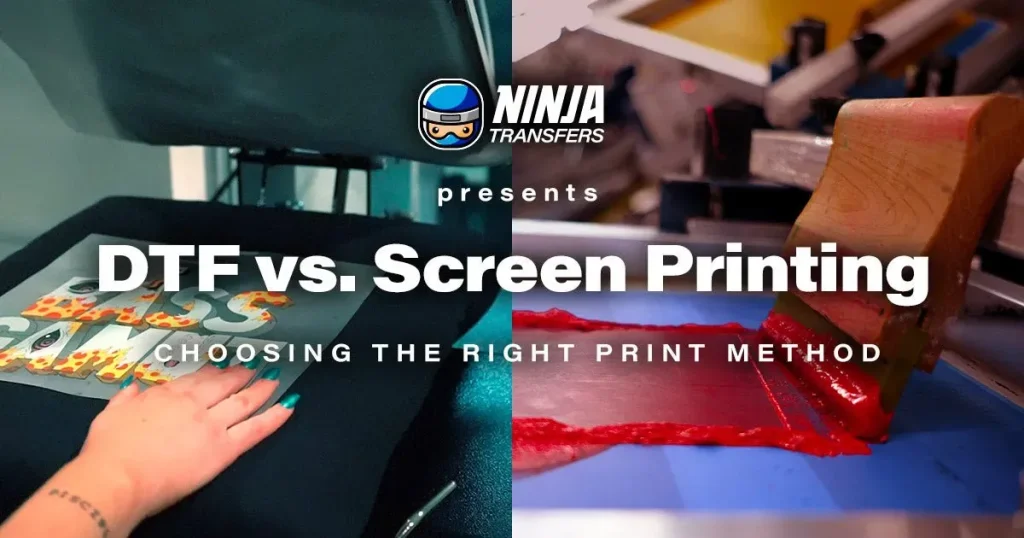
When it comes to garment printing methods, the debate of DTF vs Screen Printing stands out prominently in the custom t-shirt printing world. Each technique offers a unique approach to creating vibrant and durable designs, making it essential for businesses and individuals to understand the differences. DTF (Direct-to-Film) printing has emerged as a modern alternative, contrasting with traditional screen printing, which has been the go-to choice for many years. As we delve into the intricacies and nuances of these two printing technologies, we’ll explore their pros and cons, helping you make an informed decision for your next project. This printing technology comparison is not just about aesthetics; it’s about finding the best method to meet your needs and expectations.
In the realm of apparel decoration, DTF and screen printing represent two prominent options with distinct characteristics. DTF printing, also known as Direct-to-Film, utilizes a modern transfer technique that yields detailed and vibrant prints on various fabrics. On the other hand, traditional screen printing relies on a more labor-intensive process that creates stencils for each color in a design, ideal for large-scale productions. Understanding these garment printing methods is critical for anyone looking to produce custom designs effectively. To navigate this landscape, we’ll closely examine the advantages and challenges posed by both DTF and screen printing to guide your decision-making.
Understanding DTF Printing: A Game Changer in Custom T-Shirt Printing
DTF printing, or Direct-to-Film printing, is transforming the custom t-shirt printing landscape thanks to its versatility and efficiency. By utilizing water-based or eco-solvent inks, this method allows users to create vibrant, full-color designs that can be easily transferred onto a variety of fabric types, including cotton and polyester blends. This flexibility is particularly advantageous for small businesses or individual creators who want to produce high-quality custom garments without needing massive printing setups or lengthy production times.
Another significant benefit of DTF printing is its ability to support detailed and intricate designs that are often challenging with traditional screen printing. Unlike screen printing, which requires extensive setup for each color, DTF printing offers a single-film solution that allows multiple colors and detailed images to be printed in one go. This makes it an appealing option for smaller runs or one-off designs, catering perfectly to the growing demand for personalized apparel in the fashion industry.
Screen Printing: The Traditional Powerhouse of Garment Printing
Screen printing has long been regarded as the gold standard for garment printing, especially when it comes to producing large quantities. This technique involves creating individual screens for each color in a design, which are then used to apply ink onto fabric layers sequentially. The result is a highly durable print that can withstand numerous washes, making it ideal for promotional clothing, sports uniforms, and other high-usage apparel.
Despite its many advantages, screen printing does have its downsides. The setup costs can be prohibitive, especially for smaller orders, as each design requires a new set of screens. Additionally, the process can be labor-intensive and time-consuming, particularly for multi-colored designs. However, for large orders or brands emphasizing quality and longevity, screen printing remains a top choice in garment printing methods.
DTF vs. Screen Printing: What to Consider for Your Project
When deciding between DTF and screen printing, it’s essential to consider the specific requirements of your project. For instance, if you’re looking to produce a large volume of garments with minimal variation, screen printing could be the better option due to its cost-effectiveness on bulk orders. However, if your project leans towards detailed, bold designs that require less setup time and can be produced in smaller batches, then DTF printing would likely be your best bet. Understanding your project’s scope is crucial in making the right choice.
Additionally, assessing the target fabric and environment for your printed garments is vital. DTF printing showcases remarkable versatility as it adheres well to various fabric types and allows for vibrant prints even on dark textiles. In contrast, screen printing excels in producing robust prints for items that will face regular washing and heavy use. Evaluating your project’s needs in terms of fabric compatibility, design complexity, and durability will ultimately guide you toward the most suitable printing method.
The Benefits of DTF Printing for Small Businesses and Hobbyists
For small businesses and hobbyists engaged in garment production, DTF printing presents a unique opportunity to flex creative muscles without incurring excessive costs. The technology’s ability to handle detailed designs makes it particularly appealing for creators aiming to offer custom items, such as bespoke t-shirts for events or unique merchandise for pop-up shops. Furthermore, with the innovative nature of DTF printing, these businesses can quickly adapt to market trends, producing items that resonate well with their audience.
Moreover, DTF printing allows for rapid prototyping and minimal inventory. Small businesses can print only what they need when they need it, thereby reducing waste and storage needs. This flexibility not only fosters creativity but also enables these businesses to respond immediately to customer requests for personalized designs, ultimately increasing customer satisfaction and driving sales.
Screen Printing’s Role in Large-Scale Production
In the realm of large-scale garment printing, screen printing has established itself as a tried-and-true method that guarantees both quality and consistency. When producing hundreds or even thousands of items, screen printing capitalizes on economies of scale, significantly lowering the cost per item as production volume increases. This makes it an ideal choice for businesses looking to create branded merchandise or uniforms where uniformity and durability are paramount.
The craftsmanship involved in screen printing also contributes to its reputation, as each print is made with care to ensure vibrant colors and lasting designs. Companies prioritizing brand identity often choose screen printing as it allows for nuanced color matching and design replication across large orders. Thus, for large-scale projects seeking a professional finish without compromising on quality, screen printing remains the preferred method.
Emerging Trends in DTF and Screen Printing Technologies
As technology continues to advance, both DTF and screen printing are evolving to meet modern demands. The current trend shows a surge in the adoption of DTF printing techniques, particularly among smaller scale operations and crafters. This growth is fueled by a desire for customization and personalization, with DTF technology catering to individual aesthetics and unique expressions in garment design. The ease of use and the ability to produce custom pieces on demand are driving its popularity in recent years.
On the other hand, screen printing is embracing innovations as well, such as automated processes that streamline the production line and enhance efficiency. These advancements allow even small screen printing operations to scale up effectively while maintaining high-quality outputs. Furthermore, with eco-friendly inks and materials becoming increasingly important, screen printing companies are making strides to implement more sustainable practices, allowing them to appeal to an eco-conscious consumer base.
Frequently Asked Questions
What are the key differences between DTF printing and screen printing?
DTF printing involves printing designs on a transfer film which is then heat-pressed onto garments, allowing for vibrant, intricate designs. In contrast, screen printing uses stencils for each color, making it durable and cost-effective for large runs but more complex for multi-colored designs.
Is DTF printing better for custom t-shirt printing compared to screen printing?
DTF printing is often favored for custom t-shirt printing, particularly for smaller batches or detailed designs due to its ease of setup and ability to handle complex graphics, while screen printing is more suitable for large order volumes.
What are the advantages of using screen printing over DTF printing?
Screen printing offers exceptional durability and vibrant color saturation, making it ideal for high-quality garments and large production runs. It is cost-effective for producing hundreds of items, unlike DTF which may become expensive for larger quantities.
Can DTF printing handle complex designs better than screen printing?
Yes, DTF printing is particularly adept at producing complex designs with fine details and color gradients, which can be cumbersome to achieve with screen printing due to the need for separate screens for each color.
What are the best projects for DTF vs. screen printing?
Screen printing is best for uniform designs in bulk, like promotional apparel, while DTF printing excels for small runs or personalized items such as special event t-shirts, where intricate designs are desired.
How does the durability of DTF printing compare to screen printing?
Generally, screen printing is more durable than DTF printing, making it better for items that will endure heavy washing. DTF prints can fade or crack over time, particularly with frequent laundering.
| Aspect | DTF Printing | Screen Printing |
|---|---|---|
| Technology | Uses digital transfer film to print designs with eco-solvent or water-based inks. | Uses stencils to apply ink onto fabric, one color at a time. |
| Pros | – Versatile with various fabrics. – Quick setup for small orders. – Supports intricate designs and vibrant colors. |
– Highly durable and resistant to wear. – Provides vibrant colors. – Cost-effective for large quantities. |
| Cons | – Less durable after multiple washes. – Higher cost for large quantity orders. |
– High initial setup costs. – Limited ability for color complexity in designs. |
| Ideal Use Cases | Best for small runs and personalized items. | Ideal for large volumes and high-quality promotional products. |
Summary
DTF vs Screen Printing is a critical topic for anyone involved in garment printing, as each method brings unique benefits and challenges to the table. DTF printing offers versatility and ease for custom designs, making it suitable for smaller orders. On the other hand, screen printing is renowned for its durability and vibrant colors, excelling in larger batch production. Ultimately, the best choice depends on your specific project needs—whether it be the complexity of the designs, the order volume, or the expected lifespan of the prints. By understanding these nuances, you can select the printing technique that aligns best with your goals, ensuring that you achieve stunning results.