
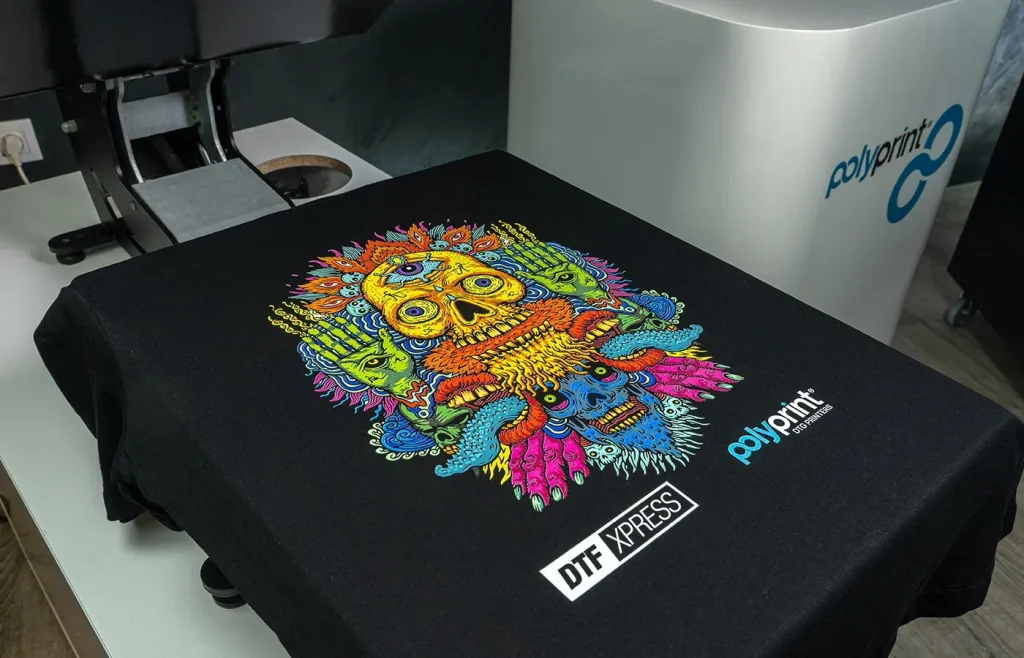
DTF printing, or Direct-to-Film printing, is revolutionizing the fashion industry as brands shift towards more sustainable production methods. This innovative technology delivers vibrant, high-quality prints directly onto fabric, providing an opportunity for custom garment production that reduces waste and increases efficiency. As consumers demand ethically produced clothing, DTF technology emerges as a key player, allowing fashion designers to create intricate designs that align with sustainable fashion initiatives. The rise of DTF printing represents not just a trend, but a significant advancement in fashion industry innovations that cater to modern consumer needs. By adopting DTF, brands can enhance their product offerings while contributing to a greener future.
When we talk about direct-to-film printing, we’re considering a cutting-edge method that enables textile producers to achieve brilliant and detailed fabric designs. Known for its eco-friendly footprint, this approach has quickly gained traction in the realm of custom clothing manufacturing. As the demand for personalized fashion grows, printing directly onto film not only enhances the quality of prints but also simplifies the production process, making it more accessible to small designers and large brands alike. Within the fashion sector, the integration of such innovative printing solutions is pivotal in shaping a more sustainable and efficient production landscape. Thus, the shift towards this technology indicates a broader commitment to enhancing both fashion quality and environmental responsibility.
Understanding DTF Printing Technology
Direct-to-Film (DTF) printing is revolutionizing the way we think about fabric printing and customization. Unlike traditional methods such as screen printing, which can be labor-intensive and resource-consuming, DTF technology streamlines the printing process. With a specialized film that transfers designs directly onto textiles, DTF allows for intricate details and vibrant colors without the mess or lengthy setup times associated with other techniques. This ensures quicker production cycles and is adaptable for a range of applications—from fashion apparel to unique accessories.
One of the standout features of DTF printing is its ability to produce high-quality outputs even on diverse fabrics. Whether you’re printing on cotton, polyester, or blended materials, DTF technology excels in versatility. This adaptability not only allows designers to explore a wider array of fabric options but also simplifies the process of catering to various consumer preferences. As fashion evolves, DTF printing positions itself as a pivotal solution for custom garment production, meeting the demand for quality, speed, and sustainability.
The Sustainability Factor in DTF Printing
Sustainability is more than a buzzword; it’s becoming an essential principle in the fashion industry. DTF printing aligns perfectly with this shift towards more eco-friendly practices. The process minimizes waste by allowing brands to print only what is needed, significantly reducing leftover materials that often end up in landfills. These sustainable features not only mitigate environmental impact but are also appealing to consumers who prioritize brands that demonstrate ethical practices.
Moreover, DTF technology utilizes eco-friendly inks and materials in its production process. This commitment further solidifies DTF as a frontrunner in sustainable fashion. As industry players increasingly focus on reducing their environmental footprints, brands adopting DTF can enhance their reputations while appealing to a more conscious consumer base that values sustainability. This is not just a trend, but a movement towards a more responsible fashion industry.
The Rise of Customization in Fashion Through DTF
Customization has become a significant trend, especially among younger consumers who seek individuality in their fashion choices. DTF printing plays a pivotal role in this movement, empowering brands and designers to offer personalized garments that speak to the customer’s unique style. With the ability to print complex and colorful designs directly onto various fabrics, businesses can now easily cater to niche markets with tailored offerings that resonate with personal tastes.
This trend towards customization underscores the broader revolution in the fashion industry, where fast fashion is increasingly challenged by bespoke concepts. As DTF technology becomes more accessible, from established brands to emerging designers, the ability to customize products opens up new avenues for creativity and relationship-building with consumers. By using DTF printing, brands can build identity and community, creating an interactive shopping experience that emphasizes customer input and creativity.
How DTF Printing Enhances Production Speed
In the fast-paced world of fashion, speed is crucial. DTF printing technology significantly enhances production timelines, allowing brands to respond swiftly to market changes and consumer trends. Traditional printing methods can take days or even weeks to prepare, while DTF offers a quicker turnaround from design to completed garment. This agility is especially beneficial for limited edition releases or seasonal collections where timing is critical.
Additionally, improved production speed means businesses can operate more efficiently by reducing idle time and operational costs. With the average consumer’s expectations shifting towards immediate gratification, brands utilizing DTF printing can capitalize on this need, ultimately increasing sales potential. In a competitive market, the ability to deliver on-the-spot designs translates directly into enhanced customer satisfaction and loyalty.
The Role of DTF Printing in Fashion Industry Innovations
The fashion industry thrives on innovation, and DTF printing embodies this spirit by introducing advanced techniques that enhance design capabilities. By embracing DTF technology, brands can push creative boundaries and explore new artistic expressions that were previously difficult to achieve with traditional printing methods. This infusion of technology stimulates fresh ideas and concepts, driving the fashion forward into uncharted territories.
Moreover, as the fashion industry increasingly values technology integration, DTF printing fosters a culture of experimentation among designers. Whether it’s collaborating with digital artists or innovating with design software, DTF enables seamless integration of these elements into the printing process. The result is a dynamic fashion landscape where creativity flourishes, and change is embraced, making DTF a true catalyst for industry innovations.
Future Prospects of DTF in Sustainable Fashion
Looking ahead, the prospects for DTF printing in sustainable fashion are promising. As consumer interest in ethical and eco-friendly practices continues to grow, brands that adopt DTF technology will likely find themselves at the forefront of this transformative movement. By adopting efficient and waste-reducing processes, DTF not only supports sustainability but also aligns with global consumer shifts towards responsible purchasing behaviors.
Furthermore, as technological advancements continue to improve DTF capabilities, we can expect to see innovative solutions that enhance both quality and sustainability. From bio-based inks to improved film technologies, the DTF printing domain is poised for exciting developments that will resonate with environmentally conscious consumers. This alignment between technological advancement and ecological responsibility suggests a future where DTF printing becomes a standard for sustainable practices in the fashion industry.
Frequently Asked Questions
What are the benefits of DTF printing in sustainable fashion?
DTF printing, or Direct-to-Film printing, offers significant benefits for sustainable fashion. This technology reduces waste by allowing brands to print only what is needed, minimizing excess material usage. Additionally, DTF printing produces high-quality outputs with vibrant colors and durability, which means clothing lasts longer, aligning with eco-friendly practices. By adopting DTF technology, fashion brands can appeal to eco-conscious consumers while enhancing their supply chain sustainability.
How does DTF technology enhance custom garment production?
DTF technology revolutionizes custom garment production by enabling detailed, high-quality designs on a variety of fabrics. This method allows fashion brands to easily customize garments, catering to specific customer preferences without the traditional constraints of minimum order quantities. Additionally, the affordability and accessibility of DTF printers empower small businesses and individual designers to explore tailor-made production, fostering creativity within the industry.
What innovations are emerging in DTF printing equipment?
Recent innovations in DTF printing equipment are significantly improving print quality and accessibility. New models like the LOKLiK iPrinter DTF-A3-XP600 provide high resolution and versatility, allowing designers to create intricate designs on textiles with ease. Such advancements in DTF technology not only enhance the user experience but also cater to the increasing demand for sophisticated printing solutions in the fashion industry.
Why is DTF printing becoming a preferred choice in the fashion industry?
DTF printing is gaining popularity in the fashion industry for several reasons: its sustainability, versatility, and high-quality output. Brands are increasingly adopting DTF technology due to its ability to produce vibrant designs that are durable and environmentally friendly. Furthermore, DTF printing supports a wide array of fabrics, making it suitable for various apparel types, from t-shirts to hoodies, thus appealing to a broad spectrum of fashion consumers.
How does DTF printing support a rapid turnaround for fashion production?
The advancements in DTF printing technology have significantly reduced production time, allowing brands to fulfill custom orders quickly. This fast turnaround is essential in the fast-paced fashion industry, enabling companies to respond promptly to trends and consumer demands. Enhanced efficiency not only boosts customer satisfaction but also increases sales potential, making DTF printing a strategic choice for modern fashion brands.
What role does DTF printing play in fashion industry innovations?
DTF printing plays a pivotal role in fashion industry innovations by merging sustainability with advanced technology. Its capacity to produce detailed prints with minimal waste aligns with the industry’s shift towards eco-conscious practices. As businesses invest in DTF technology, they not only enhance production efficiency but also embrace creativity and customization, helping to redefine standards in design and manufacturing within the fashion landscape.
| Key Point | Details |
|---|---|
| What is DTF Printing? | A new technology that offers high-quality prints on fabrics using a film transfer process for vibrant designs. |
| Sustainability and Efficiency | DTF minimizes waste and enhances fabric durability, aligning with eco-conscious practices. |
| Accessibility of DTF Technology | Affordable compact printers are enabling small businesses to easily adopt DTF printing. |
| Innovations in Equipment | New machines like the LOKLiK iPrinter provide high-res printing, catering to diverse applications. |
| Industry Expansion and Investment | Growing investment in DTF technology indicates a booming demand and improvement in print quality. |
| Emerging Trends | DTF is establishing industry standards with innovative and user-friendly printers for apparel. |
| Why Choose DTF Printing? | Versatile applications, high-quality finishes, cost-effectiveness, eco-friendliness, and fast turnaround times. |
Summary
DTF printing is revolutionizing the fashion industry by providing a sustainable and versatile printing solution that meets the demand for high-quality, vibrant designs. As the industry shifts toward more eco-conscious practices, DTF technology stands out as an efficient alternative to traditional printing methods. It enables brands to reduce waste, streamline production processes, and offer customizable options that resonate with modern consumer needs. As the trend continues to grow, it is clear that DTF printing represents a significant step forward in combining creativity with sustainability in fashion.