
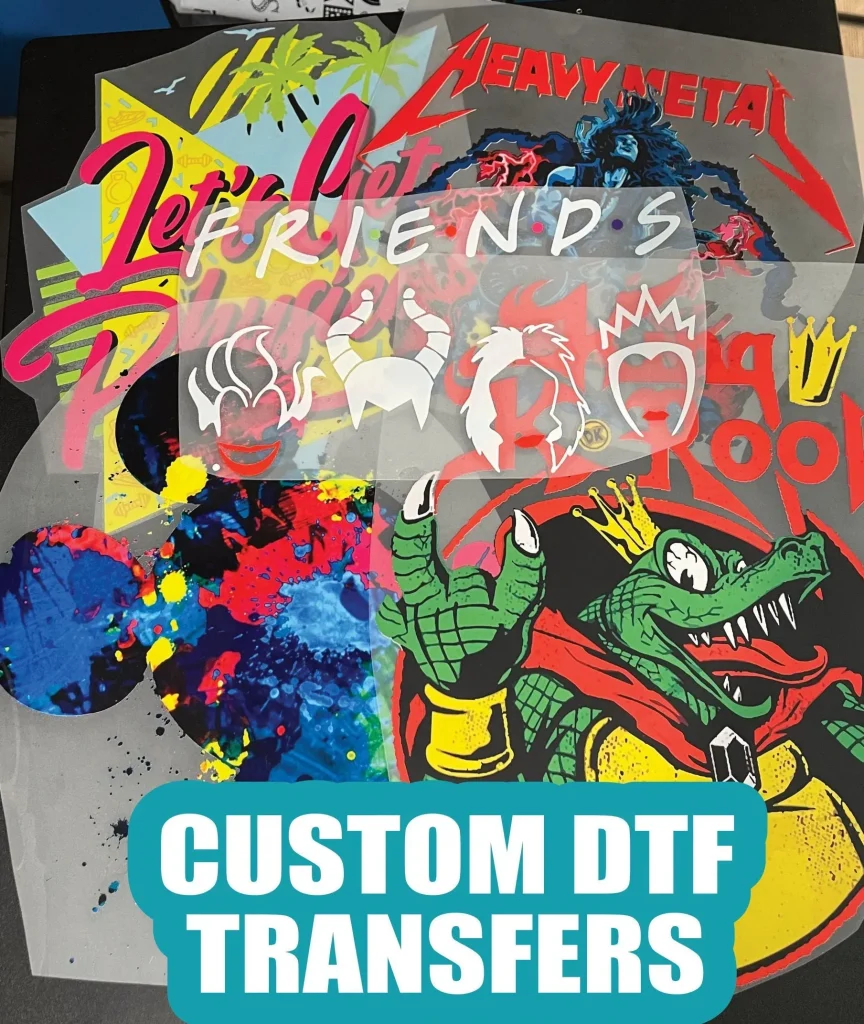
DTF transfers, or Direct-to-Film transfers, have revolutionized the way designs are printed on fabrics, merging the realms of technology and artistry. This cutting-edge printing technique employs the DTF printing process to transfer vibrant graphics directly onto various substrates, making it a favorite among small businesses and larger manufacturers alike. With a focus on eco-friendly printing, DTF transfers are built on sustainable printing practices that minimize waste compared to traditional methods. The custom print technology utilized in DTF enables creators to produce high-quality, durable designs that can withstand the test of time and use. As the demand for personalized products rises, DTF transfers are positioned to lead the charge in a new era of innovative printing solutions.
Known also as Direct-to-Film prints, this modern methodology leverages advanced printing processes that enhance the versatility and quality of graphics. The custom transfer technique allows for intricate designs to be easily applied onto various materials, expanding the capabilities of artists and businesses alike. By integrating more sustainable practices into the printing workflow, this approach not only meets consumer demand for eco-friendly options but also ensures a lower environmental impact. The advancements in custom print technology pave the way for unique personalization in every creation, making it a game-changer for the industry. Overall, the growth of DTF printing highlights a significant shift in how we approach printing today.
Understanding the DTF Printing Process
The Direct-to-Film (DTF) printing process is revolutionizing the way designs are transferred onto fabrics. It starts with design creation, where artists use graphic design software to craft visually striking images, incorporating vibrant colors and intricate patterns. After the design is finalized, it is printed onto a special polymer film using an inkjet printer. This film plays a critical role in the DTF process, allowing for exceptional detail and color accuracy, which are essential for high-quality outputs.
Once the design is printed, a powdered adhesive is applied to the wet ink, ensuring strong bonding with the fabric. This key step, known as powder adhesion, is crucial as it sets the stage for the subsequent curing process. The film is then subjected to heat, activating the adhesive and preparing it for the final heat-pressing phase. This ensures that the design adheres perfectly to the fabric, resulting in durable, vibrant prints that are both aesthetically pleasing and long-lasting.
Eco-Friendly Practices in DTF Printing
One of the standout features of DTF transfers is their commitment to eco-friendly printing practices. Traditional printing methods often generate significant waste and consume large amounts of resources; however, DTF technology mitigates these issues effectively. For instance, DTF printing uses considerably less ink compared to traditional screen printing, which not only reduces production costs but also lessens the environmental burden associated with manufacturing.
Moreover, advancements in sustainable materials and inks used in DTF printing are paving the way for greener practices in the industry. As more businesses adopt eco-friendly methods, the push for sustainability in printing continues to gain momentum, aligning with consumer expectations for environmentally conscious products. This significant shift towards sustainable printing practices highlights the potential for DTF technology to contribute positively to the environment.
Benefits of DTF Transfers for Small Businesses
DTF transfers present a multitude of benefits specifically tailored to small businesses. The introduction of compact and affordable DTF printers has made it easier for independent creators and entrepreneurs to enter the print-on-demand market without breaking the bank. This accessibility empowers startups, allowing them to offer customized products to their customers with lower initial investments compared to traditional printing methods.
Additionally, DTF printing’s versatility across different substrates means that small businesses can expand their product offerings beyond just apparel. By utilizing DTF technology, they can print on various materials such as canvas, polyester, and even leather, which opens up new market opportunities and caters to diverse customer demands. This flexibility not only enhances a business’s product range but also fosters customer loyalty through personalized experiences.
Customization Options with DTF Printing
In today’s market, personalization is a major selling point, and DTF transfers excel in providing customizable options for consumers. With DTF printing, it’s easy to create one-off designs tailored specifically to individual customer requests, which enhances their shopping experience. The ability to produce custom items not only meets the growing demand for unique products but also helps businesses build a strong rapport with their clientele.
The process is efficient, allowing for quick turnarounds on custom orders without compromising on quality. By adopting DTF technology, businesses can stand out in a crowded marketplace by offering personalized solutions—be it custom apparel, unique home decor items, or promotional merchandise. This emphasis on customization helps in fostering customer loyalty, as consumers are more inclined to return to businesses that provide personalized services.
Recent Innovations in DTF Printing Technology
Recent advancements in DTF printing technology are significantly shaping the landscape of the printing industry. With cutting-edge features and faster production capabilities, new DTF printers allow businesses to enhance their operational efficiency while maintaining high print quality. These innovations open the door to greater creative possibilities, encouraging designers to push the boundaries of traditional printing and explore new artistic ventures.
In addition to speed, newer DTF printers minimize waste through more efficient ink usage and precise application techniques. This not only leads to cost savings for businesses but also aligns with increasing consumer demand for sustainable practices in production. As these technological improvements continue to emerge, the DTF printing sector is set to thrive, fostering an environment of creativity and innovation.
The Future of DTF Printing in the Industry
As DTF technology gains traction within the printing industry, its future looks bright. The technology’s ability to blend high-quality output with environmentally friendly practices makes it an ideal choice for businesses aiming to appeal to eco-conscious consumers. With an increasing focus on sustainability and minimizing waste, many printing operations are likely to transition to DTF methods, thus broadening the scope and influence of this innovative technique.
Furthermore, the rise in market adoption of DTF printing among decorators highlights its versatility and effectiveness. As businesses continue to embrace DTF technology, we can expect to see even greater advancements aimed at improving quality, efficiency, and sustainability. This evolving landscape is set to drive a new era of printing, bringing fresh ideas and solutions that align with changing consumer expectations and industry standards.
Frequently Asked Questions
What are DTF transfers and how do they work?
DTF transfers, or Direct-to-Film transfers, involve printing designs onto a specialized transfer film using inkjet printers. The printed film is then heat-pressed onto various substrates, allowing for vibrant and durable prints on fabrics and other materials.
What are the main benefits of using DTF printing technology?
DTF printing offers several advantages, including eco-friendly printing practices with reduced waste and ink consumption, high-quality and durable prints, accessibility for small businesses, and flexibility to print on a variety of substrates, making it an ideal choice for custom print technology.
Is DTF printing an eco-friendly printing option?
Yes, DTF printing is considered eco-friendly as it minimizes waste associated with traditional printing methods. The technology uses less ink and promotes sustainable printing practices, aligning with growing consumer demand for environmentally conscious products.
How does the DTF printing process differ from traditional screen printing?
Unlike traditional screen printing, which requires separate screens for each color, DTF printing allows for full-color designs to be printed directly onto a transfer film. This process facilitates quicker production times, customization, and less material waste, while maintaining high print quality.
What types of materials can be used with DTF transfers?
DTF transfers are highly versatile and can be applied to various materials, including cotton, polyester, canvas, and other fabrics. This adaptability makes DTF printing suitable for a wide range of custom applications beyond just clothing.
Can small businesses benefit from DTF printing technologies?
Absolutely! DTF printing technology has become increasingly accessible for small businesses due to the availability of compact, affordable printers. This enables entrepreneurs to expand their product offerings and engage in print-on-demand services without significant upfront costs.
| Key Points | Details |
|---|---|
| Introduction to DTF Transfers | DTF transfers utilize specialized transfer films for creating vibrant prints on fabrics. This technique bridges digital and traditional printing methods. |
| The Process of DTF Printing | 1. **Design Creation**: Create designs using graphic software. 2. **Printing on Film**: Print graphics onto polymer film with an inkjet printer. 3. **Powder Adhesion and Curing**: Apply heat adhesive powder and cure with heat. 4. **Heat Pressing**: Transfer design onto substrate using heat and pressure. |
| Key Benefits | 1. **Eco-Friendly Practices**: Reduces waste and ink usage. 2. **High Quality and Durability**: Vibrant prints resistant to washing. 3. **Accessibility for Small Businesses**: Affordable compact printers available. 4. **Customization Options**: Personalized designs for customers. 5. **Flexibility Across Substrates**: Works on various materials like canvas, cotton, and polyester. |
| Recent Developments | 1. **Increased Sustainability Efforts**: Focus on eco-friendly materials and inks. 2. **Technological Advancements**: Introduction of advanced, efficient DTF printers. 3. **Growing Market Adoption**: Rising popularity in the promotional products sector. |
Summary
DTF transfers have become a revolutionary technique in the printing industry, merging sustainable practices with exceptional print quality. This technology allows for vibrant designs on various substrates, catering to the needs of both small businesses and large manufacturers. As the market for DTF transfers continues to expand, it’s essential for companies to embrace these innovations to thrive in today’s competitive landscape. By adopting DTF technology, businesses can not only enhance their product offerings but also contribute positively to environmental sustainability.