
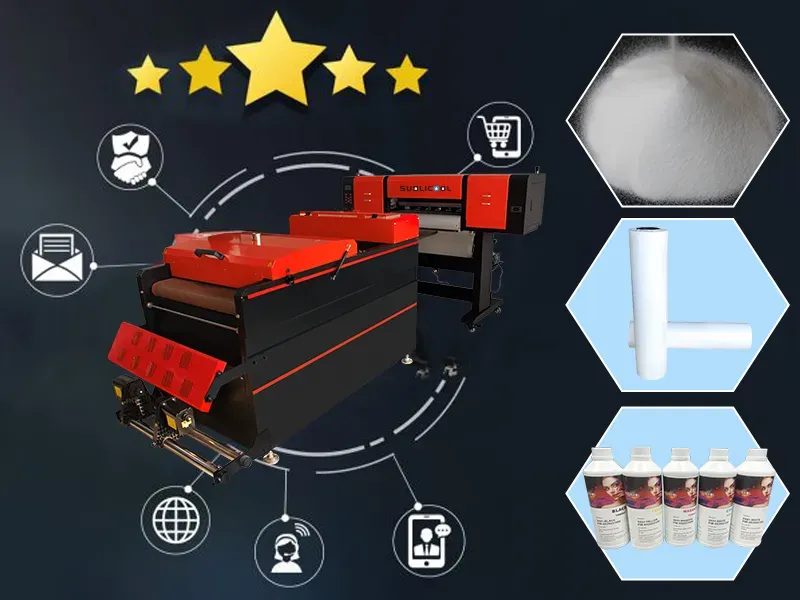
DTF technology, or Direct-to-Film printing, has emerged as a groundbreaking method in the world of printing, providing a fresh alternative to traditional techniques. This innovative process enables stunning designs to be transferred onto textiles efficiently, revolutionizing the industry with its rapid production capabilities and a focus on sustainable printing practices. The benefits of DTF printing are numerous; from minimal material waste to the versatility of fabric compatibility, companies are increasingly recognizing its potential. As a result, the DTF printing market is experiencing significant growth, offering exciting opportunities for entrepreneurs and established businesses alike. This introductory overview sets the stage for an in-depth exploration of DTF technology and its transformative impact on modern printing.
Also referred to as Direct-to-Film printing, DTF technology is redefining the standards of fabric decoration across various applications. This advanced printing method allows for the efficient transfer of intricate designs onto a wide range of surfaces, providing a sustainable alternative to conventional printing processes. Among the many advantages are its environmentally friendly aspects, minimal ink waste, and faster turnaround times, which make it an attractive choice for businesses. Within the growing DTF printing market, this technology stands out when compared to other methods, such as sublimation printing, due to its capability to deliver rich colors and durability on diverse fabric types. In this article, we will uncover the numerous facets of DTF, emphasizing its benefits and future potential in the industry.
Understanding DTF Printing and Its Advantages
Direct-to-Film (DTF) printing represents a significant leap forward in the printing industry, merging the best of digital and traditional methods to produce high-quality graphics directly onto film that can be heat-pressed onto various fabrics. This innovation not only simplifies the printing process but also offers businesses an efficient way to produce vibrant and durable designs. As it cuts down on the need for multiple steps typically associated with traditional printing methods, DTF technology attracts businesses looking for speed and simplicity in their operations.
The advantages of DTF over conventional techniques also include its versatility. Unlike methods such as screen printing or sublimation, which can be limited by the type of materials they can be used on, DTF printing delivers excellent results on a wide array of surfaces, including cotton, polyester, and blends. This adaptability allows for a broader range of products, from clothing and accessories to promotional items, making it a preferred choice among manufacturers who seek to cater to diverse market demands.
Sustainability Benefits of DTF Technology
In an era where environmental concerns are at the forefront of consumer priorities, sustainability in printing practices is more critical than ever. DTF printing significantly reduces waste, as it allows for precise ink application that minimizes excess use. Traditional methods often leave behind a considerable volume of waste material, while DTF adheres closely to sustainability principles by reducing ink waste and lowering overall production costs. This environmentally friendly approach resonates particularly well with a growing demographic of eco-conscious consumers who demand transparency in manufacturing processes.
Moreover, DTF technology supports the fashion industry’s shift towards sustainable practices by providing options to create minimal waste prints. Many brands can utilize this technology to produce limited runs or on-demand prints, thereby curbing the surplus inventory that leads to waste. By adopting DTF printing, companies not only enhance their operational efficiency but also align themselves with the current trend of responsible consumption, fostering loyalty among consumers who prioritize sustainability.
Investment Trends in DTF Printing
The DTF printing market is experiencing significant investment growth as industry stakeholders recognize the technology’s vast potential. Companies are actively seeking to enhance their capabilities by incorporating large-format DTF printers, which produce high-quality prints efficiently. This influx of investment indicates confidence in DTF as a mainstream solution, driving manufacturers and retailers alike to consider its advantages over other printing methods.
Such investments are not only aimed at enhancing the quality and delivery of printed products but are also paving the way for technological advancements, making DTF printing more accessible. Firms are now rolling out innovations that focus on user-friendliness and reduced operational costs, empowering a broader range of businesses to tap into this promising market. The cumulative effect of these investments is likely to bolster the presence of DTF technology across various sectors, creating new opportunities for growth and entrepreneurship.
The Competitive Edge: DTF vs. Sublimation
When evaluating different printing methods, the comparison between DTF and sublimation printing often arises due to their distinct advantages and applications. While sublimation is known for producing high-quality prints on polyester and is widely used in sportswear and promotional items, DTF printing outshines it in versatility. DTF can be applied to a wider range of fabric types, expanding creative possibilities for designers and brands alike.
Additionally, DTF prints offer superior durability and color vibrancy, ensuring that designs remain intact and vibrant even after repeated washes. This resilience means that end consumers enjoy long-lasting products, while businesses benefit from lower return rates and higher customer satisfaction. As more users explore the capabilities of each method, many are beginning to favor DTF for its broader applications and efficient production capabilities.
Growing Accessibility of DTF Technology
As demand for DTF printing rises, manufacturers are responding by creating more compact and affordable DTF printers suitable for small to medium-sized businesses, such as the recent introduction of A3 printers. This increased accessibility lowers barriers to entry for entrepreneurs in the print-on-demand sector, enabling even startups to leverage cutting-edge technology without a hefty investment. The democratization of DTF printing technology spurs innovation, as more businesses can experiment with custom designs and unique offerings that cater to their local markets.
Moreover, this growth in accessibility contributes to the overall expansion of the DTF printing ecosystem. More players entering the market fosters competition, which can drive prices down further and improve service offerings. As a result, small businesses can thrive in an industry that was once dominated by larger entities, empowering a new generation of creators and innovators to carve out their niche.
Educational Resources for DTF Adoption
With the rapid development of DTF technology, the abundance of educational resources available has expanded significantly, helping newcomers navigate the complexities of this innovation. Institutions and companies alike are providing comprehensive materials ranging from tutorial videos to online courses that cover everything from the fundamentals of DTF printing to advanced techniques. These resources demystify the technology, allowing novices and seasoned printers to confidently adopt DTF methods in their operations.
The vibrant community surrounding DTF printing also plays a crucial role in supporting learners. Online forums and discussion groups provide platforms for stakeholders to share experiences, tips, and solutions to common challenges faced during implementation. This emphasis on education ensures that as the DTF printing market continues to grow, individuals are equipped with the knowledge necessary to maximize their potential and innovate within the industry.
Frequently Asked Questions
What are the key benefits of DTF technology in printing?
DTF technology offers numerous benefits, including reduced waste, enhanced sustainability, vibrant color quality, and versatility across various fabric types. Businesses utilizing DTF printing can achieve high-quality prints while minimizing their environmental impact, aligning with modern consumer preferences.
How does DTF printing compare to sublimation printing?
DTF vs sublimation reveals that DTF printing provides several advantages, including superior durability, vibrant color vibrancy, and compatibility with a wider range of fabrics. While sublimation works best on polyester, DTF can be used on cotton and other materials, making it a more versatile printing option.
Is DTF printing a sustainable printing solution?
Yes, DTF technology is considered a sustainable printing solution as it reduces material waste during the printing process and uses fewer resources compared to traditional methods. This aligns with the growing demand for eco-friendly practices in the fashion and promotional products industries.
What is driving the growth of the DTF printing market?
The growth of the DTF printing market is driven by increasing investments in technology, expanded accessibility of DTF printers, and a rising demand for high-quality, customizable prints. Innovative companies are developing compact printers, making DTF technology available to a wider range of businesses, including small enterprises.
What resources are available for learning about DTF printing?
There are many educational resources for those interested in DTF printing. Online tutorials, video guides, and forums provide valuable information on the DTF printing process. These resources help both beginners and experienced printers navigate the DTF landscape, making it easier to adopt this modern printing technology.
What industries can benefit most from DTF printing technology?
DTF printing technology is beneficial across various industries, including fashion, promotional products, and home décor. Its versatility and high print quality make it a preferred choice for manufacturers and retailers looking to meet diverse customer needs with efficient, environmentally friendly solutions.
| Key Points | Details |
|---|---|
| Introduction to DTF Technology | DTF printing transfers ink onto a film and heat-presses onto fabric, creating high-quality prints with minimal waste. |
| Waste Reduction and Sustainability | Reduces waste during printing, minimizes carbon footprint, promotes eco-friendly practices. |
| Investment and Growth in Technology | Increased investments in DTF technology improve print quality and delivery options. |
| Market Expansion and Accessibility | Compact A3 DTF printers make the technology accessible for small to medium-sized businesses. |
| Comparative Advantages over Other Printing Methods | DTF offers durability, vibrant colors, and compatibility with various fabrics. |
| Availability of Educational Resources | Ample resources available to assist newcomers in mastering DTF printing. |
Summary
DTF technology is revolutionizing the printing industry by offering a modern and sustainable approach to fabric printing. Its benefits, including waste reduction, increased market accessibility, and comparative advantages over traditional methods, position DTF as a preferred choice for businesses aiming to enhance print quality while maintaining eco-friendly practices. With ongoing investments and readily available educational resources, DTF printing is not only maximizing efficiency in printing operations but also contributing to a greener future for various industries.