
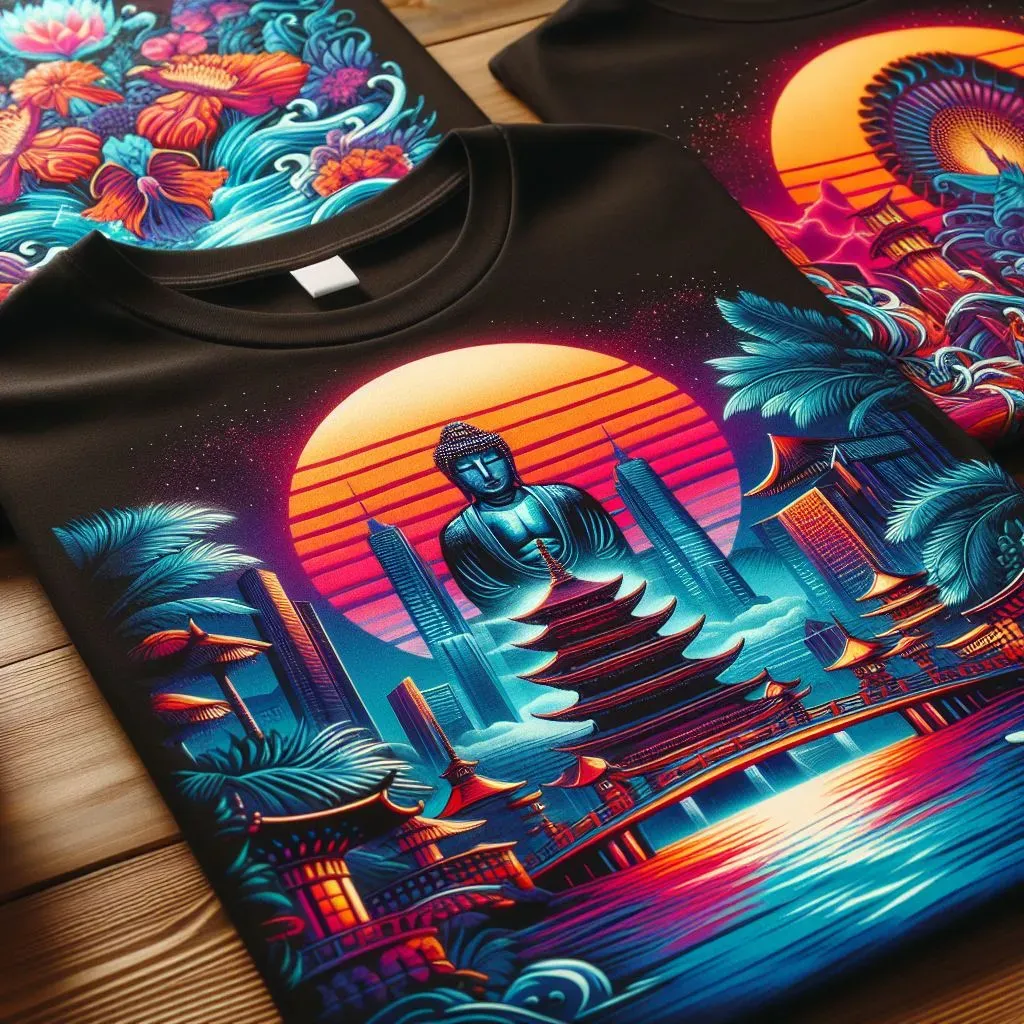
In the world of innovative apparel decoration, vibrant designs with DTF have taken center stage, captivating the attention of designers and consumers alike. Direct-to-Film (DTF) printing is revolutionizing how colorful fabric designs are brought to life, offering an unparalleled method that marries visual impact with eco-friendly practices. This cutting-edge technology not only enables the creation of stunning, vibrant images on various textiles but also upholds the principles of sustainable printing that are so crucial in today’s fashion landscape. With DTF printing, the potential for artistic expression is limitless, allowing creators to showcase their unique designs while appealing to environmentally-conscious audiences. Join us as we dive into the exciting possibilities that DTF technology offers for those looking to enhance their fabric creations.
Exploring dynamic textile art and innovation within apparel decoration reveals the remarkable capabilities of Direct-to-Film (DTF) printing. This modern printing technique excels at producing colorful fabric designs that pop with vivid imagery, making it a go-to choice for fashion enthusiasts and professional designers alike. As a game-changer in sustainable printing, DTF allows for more efficient production processes that reduce waste, thereby aligning on-trend aesthetics with eco-responsibility. From precision printing to versatile application across various materials, DTF technology empowers creators to push the boundaries of traditional fabric printing. Discover the journey of transforming ideas into stunning visual narratives using this state-of-the-art printing method.
Understanding DTF Technology and Its Benefits
Direct-to-Film (DTF) technology is a game changer in the world of apparel decoration, providing a unique method for transferring designs onto fabric. This innovative printing technique not only offers a vibrant color output but also supports a wider range of fabric types compared to traditional printing methods. By allowing designs to be printed on various surfaces such as cotton and polyester mixes, DTF opens up new avenues for creative expression. Its ability to maintain high-resolution and vivid imagery makes it an attractive option for fashion designers and brands looking to make a bold statement.
Moreover, DTF technology is becoming synonymous with sustainability in the printing industry. Unlike screen printing that often results in significant waste, DTF reduces excess material and promotes responsible use of resources. As environmental concerns rise, many brands are turning to sustainable printing options, recognizing that consumers are increasingly valuing eco-friendly practices. Thus, adopting DTF doesn’t just improve design capabilities, it aligns businesses with sustainable objectives, enhancing their brand image and appeal.
Creating Colorful Fabric Designs with DTF
When it comes to creating colorful fabric designs, DTF printing gives designers the flexibility to experiment with a wide palette of colors while ensuring that each piece maintains its vibrancy. Utilizing high-quality DTF inks allows for the reproduction of intricate patterns and lively graphics that catch the eye and evoke emotion. Designers can incorporate gradients, shadows, and complex color mixes to maximize the vibrancy and depth of their designs. This versatility is what sets DTF apart, catering to those who seek bold expressions in their textile art.
Another significant advantage of DTF in creating colorful fabric designs is its efficiency in production. With DTF, designers can quickly produce samples to test different color combinations, allowing for greater experimentation without the worry of excessive waste. This rapid prototyping encourages creativity and facilitates the development process, ultimately leading to unique and successful colorful fabric designs that stand out in a competitive market.
Step-by-Step Guide to DTF Printing
To fully utilize DTF technology, it’s essential to follow a structured approach that ensures high-quality results. Begin by selecting a design that resonates with your brand or target audience, and utilize design software like Adobe Illustrator to leverage DTF’s full color capabilities. Attention to detail is critical at this stage; incorporating complex color patterns and ensuring the right format can make a substantial difference in the final print. Setting your artwork in CMYK color mode is recommended for optimal color accuracy.
Once you’ve designed and prepared your files, the actual printing process begins. Choose the correct transfer film and settings on your DTF printer to achieve the best vivid results. The application of DTF powder after printing not only aids in transferring vibrant imagery but also contributes to the durability of your design. By following each step meticulously, you will enhance your ability to produce qualitative outcomes that can elevate any apparel or fabric surface.
Post-Processing Techniques for Longevity in DTF Prints
Post-processing is a crucial phase in ensuring the longevity and vibrancy of your DTF prints. After the heat transfer, it is essential to allow the printed garment to cure properly, which helps set the colors and enhances the durability of the fabric design. Following the specific washing and care instructions for each fabric type is paramount; these guidelines help maintain the vibrancy and overall quality of the print over time. It’s advisable to use cold water and avoid harsh detergents to protect the vivid colors of your design.
Additionally, for garments with intricate designs or metallic elements, a gentle hand wash is recommended before applying DTF transfers. By preparing your fabrics correctly and paying attention to care instructions post-printing, you will significantly improve the lifespan of the vibrant designs created using DTF technology. This attention to detail not only preserves the artwork but also enhances customer satisfaction, leading to repeat business.
Innovations in DTF Technology and Future Trends
The world of DTF printing is continuously evolving, driven by innovative technologies that enhance the capabilities and offerings available to designers. Recent advancements have introduced more efficient inks, faster printing speeds, and improved transfer films, all contributing to a more seamless production process. These innovations not only improve output quality but also allow for greater creative freedom, enabling artists to push the boundaries of what’s possible within fabric design.
Looking towards the future, it’s clear that DTF technology will continue to grow in popularity and application across the fashion industry. Expect to see more eco-friendly ink options and advancements in color vibrancy and resolution, which will only broaden the design possibilities. As designers embrace these technological advances, we can anticipate a surge in vibrant, sustainable, and unique fabric designs that redefine the industry standards.
Frequently Asked Questions
What makes DTF printing ideal for creating vibrant designs?
DTF printing is ideal for creating vibrant designs due to its ability to produce a wider color gamut compared to traditional techniques. The inks used in DTF technology allow for rich and striking color outputs on a variety of fabric types, ensuring your designs stand out.
How does DTF technology contribute to sustainable printing practices?
DTF technology contributes to sustainable printing practices by reducing waste and promoting eco-friendly methods. This printing technique uses less ink and simplifies production processes, making it a cleaner option for manufacturers focused on environmental impact.
Can I use DTF printing on all fabric types for colorful fabric designs?
Yes, DTF printing is versatile and can be used on a wide range of fabric types, including cotton, polyester, and blends. This versatility allows designers to create colorful fabric designs that are both vibrant and durable.
What are the key steps to creating vibrant designs with DTF printing?
The key steps include selecting your design, preparing your files in the correct format, printing on special transfer film, heat transferring onto the fabric, and post-processing to ensure longevity. These steps help achieve vibrant and high-quality DTF prints.
What innovations are driving the future of vibrant designs with DTF technology?
Recent innovations, such as new DTF products and diverse ink options, are enhancing performance and versatility in DTF printing. These advancements empower designers to create even more dynamic and vibrant designs while improving production efficiency.
Why is DTF printing considered a powerful solution for apparel decoration?
DTF printing is considered a powerful solution for apparel decoration because it combines vibrant color capabilities with sustainability and versatility. This method allows for high-quality, eye-catching designs that resonate with consumers, making it a preferred choice for modern textile artists.
| Key Point | Details |
|---|---|
| What is DTF Printing? | A modern textile printing technique that transfers designs onto fabrics using a special film. |
| Advantages of DTF Printing | 1. **Vibrant Color Output**: Wider color gamut for striking visuals. 2. **Versatility**: Compatible with multiple fabric types. 3. **Sustainability**: Environmentally friendly with less waste. 4. **Accessibility**: Affordable options for small businesses. |
| Step-by-Step Approach | 1. **Choose Your Design**: Select artwork that represents your branding. 2. **Prepare Your Files**: Use CMYK format and 300 DPI resolution. 3. **Printing the Film**: Print your design on the transfer film. 4. **Heat Transfer**: Transfer the print onto fabric using heat and pressure. 5. **Post-Processing**: Allow curing and follow washing instructions. |
| Recent Innovations | New DTF products are emerging, enhancing performance and variety in inks and films. |
Summary
Vibrant designs with DTF are revolutionizing the textile and apparel industry by offering a method that combines vibrant color output with sustainable practices. This innovative printing technique enables designers to create impressive visuals across various fabric types, making it a perfect tool for both established brands and emerging creators. By embracing the advantages of DTF printing such as versatility and eco-friendliness, artists can explore unparalleled creative possibilities while fostering a commitment to sustainability. With continuous innovations enhancing DTF technology, the future of design looks promising and dynamic, allowing even the smallest businesses to thrive.