
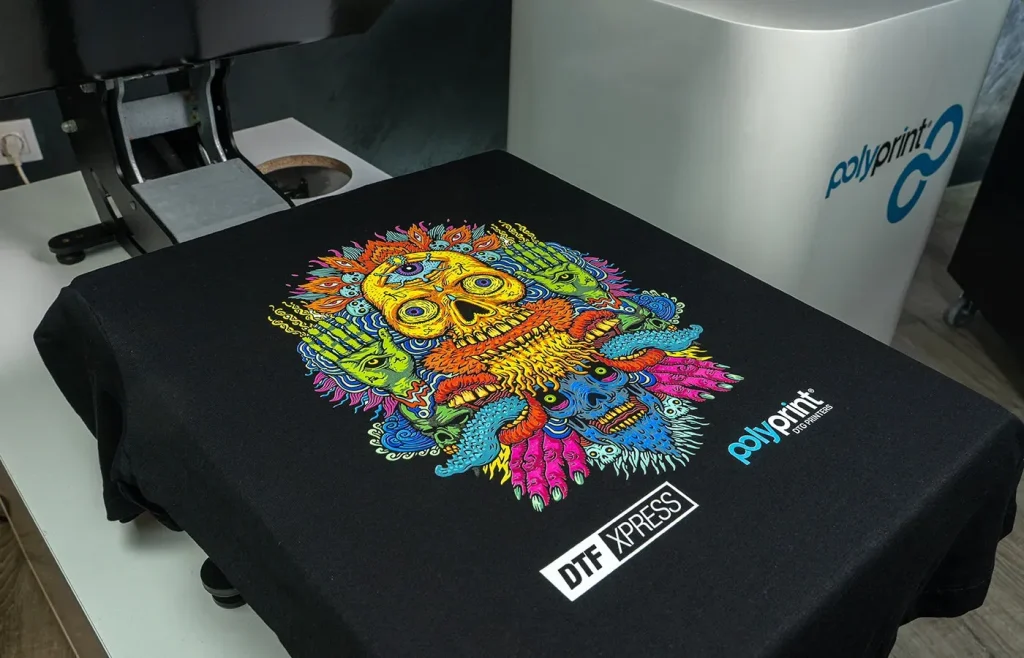
DTF printing, also known as Direct to Film printing, is transforming the custom apparel industry with its ability to create vibrant, high-quality designs. This innovative printing technique is not only user-friendly but also perfect for anyone looking to start a business or personalize their wardrobe with unique prints. In this guide, we’ll delve into the DTF printing process, discussing essential equipment and sharing top DTF printing tips to help beginners navigate this creative venture. Whether you are curious about how to DTF print or seeking detailed insights into the process, you will find everything you need to thrive in this exciting field. Join us as we explore the endless possibilities that DTF printing offers, ensuring you achieve stunning results every time.
Direct to Film (DTF) technology has emerged as a game-changer in the realm of textile printing, offering an effective solution for intricate and colorful designs on various fabrics. This method allows for high-resolution prints that boast durability and versatility, essentially catering to both hobbyists and those looking to elevate their apparel production. As you embark on your journey in this field, understanding the fundamental aspects of the DTF printing approach is crucial. We will unravel the steps involved, outline necessary tools, and provide valuable insights for those eager to explore DTF printing for beginners. By embracing this advanced printing method, you can unleash your creativity in custom garment design.
Understanding the Essentials of DTF Printing
DTF printing, or Direct to Film printing, is a relatively recent advancement in the world of textile printing that brings together efficiency and quality. This technique allows for the transfer of high-resolution images onto various fabric types, enabling creators and companies to provide custom apparel that stands out. The DTF printing process is key, as it combines digital technology with traditional methodologies, making it suitable for both small and large production runs. As you delve deeper into this printing method, understanding the essentials such as ink types, transfer films, and heat application will set a strong foundation for your printing journey.
One of the core advantages of DTF printing is its adaptability across different materials. Whether you’re working with cotton, polyester, or blended fabrics, DTF printing can accommodate your needs, allowing for vibrant and durable designs. This versatility makes it ideal for personalization and niche markets, where unique designs can make a significant impact. Furthermore, the DTF method enables users to explore their creativity without the limitations posed by more traditional printing techniques, thus fostering innovation in custom apparel and accessories.
Key Equipment for Successful DTF Printing
To successfully embark on DTF printing, having the right equipment is crucial. At the heart of the operation is a DTF printer, which can either be a dedicated machine specifically designed for DTF printing or a modified inkjet printer that can work with DTF inks. This printer must deliver high-quality outputs; therefore, investing in one that offers precision and reliability is fundamental. Alongside the printer, you’ll need DTF transfer films, which act as the canvas for your designs prior to application on fabrics.
Additionally, adhesive powder is another essential component in the DTF printing process. This powder is applied to the wet ink on the transfer film, helping the design to bond effectively with the fabric during the heat application stage. A suitable heat press is also required; this equipment creates the necessary heat and pressure to transfer your artwork from film to fabric. Ensuring that you have the right equipment will streamline your projects, improve print quality, and ultimately lead to a more effective production process.
Step-by-Step Guide to the DTF Printing Process
The DTF printing process can be broken down into a few key steps, ensuring simplicity and efficiency. First, you start with designing your artwork using graphic design software. Once your design is finalized, it is printed onto the DTF transfer film using special DTF inks. It’s important to keep in mind to use mirror image settings during printing to ensure the design transfers correctly onto the fabric. After printing, the next step involves applying adhesive powder, which must cover the entire printed area for the best adhesion outcomes.
Following the powdering step, the adhesive is cured in a heat source to solidify the bond between the ink and the powder. Proper temperature and time management during this step can significantly affect the final product quality. Finally, the printed and cured transfer film is positioned on the desired fabric, and with the use of a heat press, the image is transferred, solidifying the design onto the garment. Understanding these essential steps helps beginners navigate through the intricacies of DTF printing while ensuring a high level of quality in the output.
Tips for Optimizing Your DTF Printing Experience
To make the most out of your DTF printing experience, several optimization tips can significantly enhance your outcomes. Start by fine-tuning your printer settings according to the type and dimensions of your design. Testing various settings on sample fabrics can provide insights into the best ink density, quality, and resolution required to achieve a professional-looking transfer. Additionally, using high-quality materials is essential as they directly impact the print durability and vibrancy.
Another important tip involves the pre-pressing of fabrics. By doing this, you eliminate moisture and reduce years of potential graphics failure on garments. Following the heat transfer, let the fabric cool completely before altering or washing it, as this can help to set the design firmly. Lastly, consider proper storage for your printing materials—protecting them from extreme conditions will help maintain their quality and extend their effective working life.
Common Mistakes to Avoid in DTF Printing
As a beginner in DTF printing, avoiding common pitfalls is important for achieving great results. One frequent mistake is neglecting to adequately prepare the transfer film before printing. Ensure that the film is clean and free of any dust or debris that can affect print quality. Additionally, failing to adjust printer settings according to the type of transfer film and fabric can lead to unsatisfactory results. Always ensure you are familiar with the specifications of your machine and materials.
Another area where beginners often falter is during the curing process. Inadequate temperature or time can lead to poor adhesion, resulting in designs that peel or crack. Similarly, skipping the pre-pressing step can result in moisture retention that adversely affects the final product. By being mindful of these common mistakes and addressing them proactively, you can improve your DTF printing process significantly.
Exploring the Future of DTF Printing
The future of DTF printing appears promising, as it continues to evolve and adapt to meet the needs of custom apparel makers and businesses alike. With advancements in technology and the development of more efficient printing systems, the possibility for higher resolution prints and faster production times is on the horizon. As manufacturers innovate, new materials and inks specifically designed for DTF processes are also emerging, enhancing the quality and longevity of the prints.
Furthermore, as sustainable practices become more critical in the printing industry, DTF printing has the potential to offer eco-friendly solutions. The method’s reduced waste compared to traditional printing techniques and the ability to work with smaller print runs directly aligns with sustainable printing goals. As new players enter the market, we can expect to see a wide array of innovative solutions that embrace both creativity and environmental responsibility in future DTF printing endeavors.
Frequently Asked Questions
What is DTF printing and how does it work?
DTF printing, or Direct to Film printing, is a modern printing technique that involves printing designs onto a special film and then transferring them onto fabric using heat and pressure. This process allows for high-quality, vibrant prints on various materials such as cotton and polyester, making DTF printing versatile and popular for custom apparel.
What equipment do I need for DTF printing?
To get started with DTF printing, you will need a DTF printer (or modified inkjet printer), DTF transfer film, adhesive powder, and a heat press. Each of these components is essential for achieving high-quality prints and successful transfers onto fabrics.
What are some DTF printing tips for beginners?
Beginners venturing into DTF printing should optimize printer settings for best results, invest in high-quality inks and films, always pre-press fabric to ensure better adhesion, and handle transfers with care post-printing to avoid lifting the design. These tips help enhance the quality and durability of your prints.
How do I perform the DTF printing process step by step?
The DTF printing process involves: 1) Printing your design on DTF transfer film using special ink, 2) Sprinkling adhesive powder on the wet ink, 3) Curing the adhesive with heat, and 4) Transferring the design onto fabric through heat pressing. Following these steps ensures a successful print.
What are the advantages of using DTF printing for custom apparel?
DTF printing offers several advantages including versatility in fabric compatibility, cost-effectiveness for short runs, and durability of prints that withstand multiple washes without fading or peeling. These benefits make DTF printing a preferred method for creating custom apparel.
Where can I find resources to learn more about DTF printing?
To expand your knowledge on DTF printing, consider exploring online resources such as YouTube tutorials, textile printing blogs, and industry forums. These platforms offer valuable insights, tips, and community support to help you improve your DTF printing skills.
| Key Aspects | Details |
|---|---|
| What is DTF Printing? | Direct to Film (DTF) printing, a process printing designs onto a special film before transferring them to fabric using heat and pressure, allowing for high-quality prints. |
| Advantages of DTF Printing | Versatile across materials, cost-effective for short runs, and durable against washing. |
| Required Equipment | DTF Printer, DTF Transfer Film, Adhesive Powder, Heat Press. |
| Printing Process | Steps include printing the design, powdering the transfer, curing the adhesive, and transferring the design to fabric. |
| Tips for Success | Optimize printer settings, invest in quality materials, pre-press fabric, store materials properly, and handle with care post-transfer. |
Summary
DTF printing is a revolutionary method for creating custom designs on fabric, blending innovation with versatility. This printing technique not only allows for vibrant and high-quality prints but also caters to various fabric types, making it an ideal choice for both beginners and seasoned professionals. By understanding the essential equipment, mastering the step-by-step process, and implementing helpful tips, you can elevate your skills in this exciting arena of custom apparel. Whether for business or personal use, exploring DTF printing can open doors to endless creative possibilities.