
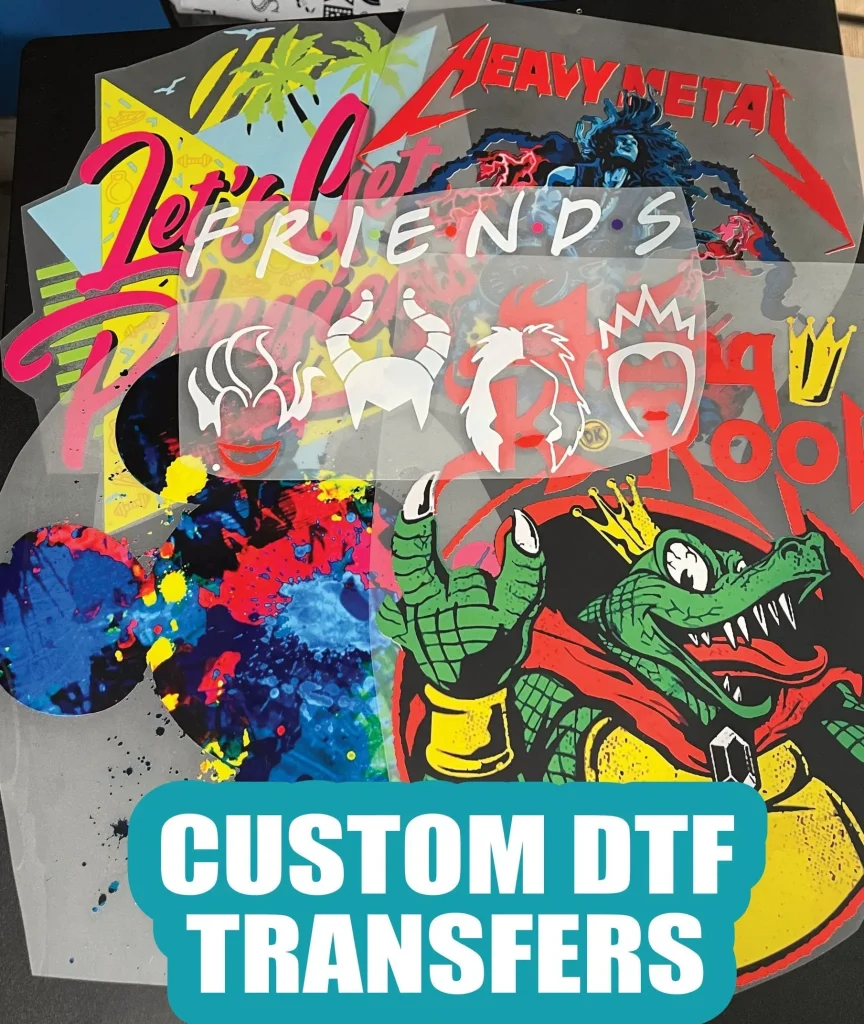
In the rapidly evolving landscape of custom printing, **DTF transfers** (Direct-to-Film transfers) have carved out a significant niche, especially favored by businesses in the custom apparel sector. This innovative technique stands out for its ability to deliver vibrant, high-quality prints on an array of fabrics, making it a must-know for anyone in the printing industry. With advanced **DTF printing technology**, achieving stunning designs has become more accessible than ever, transforming how we think about heat transfer prints. This article will guide you through the essentials of getting started with DTF transfers, offering tips and insights to optimize your printing process. Embrace the future of fashion and merchandise with DTF transfers as we explore the endless possibilities of this exciting method.
Direct-to-Film (DTF) printing is revolutionizing the world of custom apparel printing, allowing for intricate designs and vivid colors that previously seemed unattainable through standard methods. Also referred to as heat transfer films, this technique utilizes a unique process that transfers artwork onto textiles with remarkable precision and durability. As brands and creators seek new avenues to express their creativity, understanding DTF technology becomes essential for standing out in a saturated market. The versatility of DTF transfers not only makes them suitable for various fabric types but also caters to the increasing demand for personalized merchandise, driving businesses toward innovative solutions. In this guide, we will delve deeper into the art of mastering DTF printing, equipping you with the tools needed to make your mark.
What Makes DTF Transfers Stand Out in Custom Printing?
DTF transfers represent a leap forward in the world of custom apparel printing, offering a unique blend of versatility and high-quality results. The ability to print intricate designs directly onto film before transferring them to various fabrics allows for detailed graphics that traditional printing methods often cannot achieve. This innovation not only enhances aesthetic appeal but also broadens the range of materials that can be utilized, making it easier for businesses to cater to diverse customer needs. Furthermore, DTF printing technology minimizes the risk of color fading, ensuring that vibrant designs maintain their integrity even after multiple washes.
Another noteworthy advantage of DTF transfers is their compatibility with different fabric types, such as cotton, polyester, and blends. This characteristic enables customization of a wider array of products, from t-shirts and hoodies to bags and hats. Businesses can now offer distinctive merchandise that stands out from competitors, thanks to the vivid colors and remarkable detail achievable with DTF technology. As the demand for personalization in fashion increases, the ability to deliver custom, high-quality prints becomes more crucial, making DTF transfers an invaluable tool for designers and entrepreneurs.
Essential Equipment for Successful DTF Printing
When embarking on a DTF printing venture, selecting the right equipment is paramount for success. Among the first and most important purchases will be a specialized DTF printer, which uses unique inks designed for transfer films. This kind of printer ensures that the prints remain vibrant and adhere effectively to fabrics. Additionally, a heat press machine is essential, as it applies the necessary heat and pressure to transfer the design from the film to the fabric securely. Evaluating brands for reliability and performance is crucial in ensuring you choose machinery that will support consistent high-quality output.
In addition to printers and heat presses, acquiring quality transfer films and adhesive powders is vital. DTF-specific films are designed to hold inks and facilitate an effective transfer to fabrics, making them indispensable in the process. Choosing high-grade adhesive powders is equally important as they ensure that the design stays affixed to the material without peeling or fading. Investing in these essential supplies from reputable suppliers can significantly impact the overall quality of your end products, leading to customer satisfaction and repeat business.
Design Software: Key Tools for DTF Printing Success
Creating captivating designs is an integral part of the DTF printing process, making the choice of design software crucial. Popular tools such as Adobe Illustrator and CorelDRAW provide features that allow users to craft intricate graphics tailored for DTF transfers. These applications enable designers to manipulate colors and resolutions, essential for optimizing print quality. Familiarity with color management and the ability to adjust settings per fabric type can significantly influence the final output quality, ultimately leading to high customer satisfaction.
In addition to traditional graphic design software, exploring complementary tools can enhance design efficiency. For example, software specific to print preparation can assist in fine-tuning print dimensions, aligning colors accurately, and organizing files for printing. Understanding how to utilize these tools effectively can streamline your workflow, prevent design errors, and minimize wasted materials during the printing process. Staying updated with software innovations and educational resources can empower designers to leverage the full potential of DTF printing.
Testing Your Designs: A Vital Step in DTF Printing
Testing your designs is critical in the realm of DTF transfers, as it provides invaluable insights into how well your prints translate to fabric. Starting with simple designs allows you to gradually understand the variables of the printing process. Factors such as printer settings, transfer film compatibility, and heat press specifications all affect the final print quality, making it essential to find the right balance through trial and error. Conducting test runs helps calibrate equipment settings to achieve optimal results consistently.
Regularly testing different fabric types and designs also contributes to developing a versatile printing approach that can cater to various customer preferences. Keeping meticulous records of successful prints, including settings used and material types, allows you to refine your production process over time. By implementing a systematic testing phase, you can ensure that your DTF transfers consistently deliver high-quality results, thereby enhancing your reputation and building customer loyalty in a competitive market.
Maintenance and Best Practices for DTF Equipment
Maintaining DTF printing equipment is essential for ensuring longevity and consistent quality in your prints. Regular cleaning of the printer and heat press, following manufacturer guidelines, can prevent issues such as clogged nozzles or uneven heat distribution. Additionally, monitoring wear and tear on parts and proactively replacing them before they fail can greatly enhance production capacity and reduce downtime caused by equipment malfunctions.
Incorporating best practices into your DTF printing workflow can also optimize performance. For instance, carefully documenting heat and pressure settings for different fabrics is beneficial, as it allows for faster adjustments during production. Implementing a quality control process before finalizing prints ensures that only top-quality products reach customers, boosting brand reputation and customer trust. Staying informed about newest techniques or technologies in DTF printing can provide competitive advantages in an ever-evolving market.
The Future of Custom Apparel with DTF Printing Technology
The landscape of custom apparel is rapidly evolving, and DTF printing technology positions itself as a frontrunner in this transformation. As consumers continue to seek personalized products, the ability of DTF transfers to deliver stunning, high-quality prints on various materials will drive the next wave of innovation in apparel design. This flexibility not only caters to fashion-forward consumers but also opens doors for businesses to explore new markets and product lines.
Furthermore, as advancements in DTF technology continue, we can anticipate improvements in printing speed and efficiency, paving the way for larger-scale production capabilities. Additionally, the growing emphasis on sustainable practices may lead to the development of eco-friendly inks and transfer films used in DTF printing, appealing to a conscious consumer base. The future is bright for businesses embracing DTF transfers, as they hold the potential to enhance creative freedom, operational efficiency, and ultimately, customer satisfaction.
Frequently Asked Questions
What are DTF transfers and how do they work in custom apparel printing?
DTF transfers, or Direct-to-Film transfers, are a modern printing method that involves printing designs onto a special film, which is then heat pressed onto fabric. This technique allows for vibrant, high-quality prints suitable for various fabrics, making it a favorite in custom apparel printing.
What equipment do I need to get started with DTF printing technology?
To start with DTF printing technology, you’ll need a DTF printer, a heat press machine, DTF transfer films, and adhesive powders. This specialized equipment ensures you can produce high-quality prints efficiently.
How does DTF printing technology compare to traditional heat transfer prints?
DTF printing technology offers enhanced print quality and durability over traditional heat transfer prints. DTF transfers result in vibrant colors that withstand multiple washes without fading, making them a superior choice for custom apparel.
Which materials are suitable for DTF transfers in custom apparel?
DTF transfers can be applied to a wide variety of materials, including cotton, polyester, and blends. This versatility allows businesses to create custom apparel for different fabric types without compromising quality.
What are the main advantages of using DTF transfers for custom apparel printing?
The main advantages of using DTF transfers include high-quality prints that are vibrant and durable, versatility across materials, cost-effectiveness for small businesses, and a relatively simple setup process compared to traditional methods.
How can I ensure high-quality results with my DTF transfers?
To ensure high-quality results with DTF transfers, invest in reliable equipment, maintain your printer and heat press, regularly test designs for optimal settings, and use quality transfer materials and adhesives to minimize issues.
| Key Point | Description |
|---|---|
| Understanding DTF Transfers | DTF transfers involve printing designs onto a special film, which is transferred onto fabric using heat and pressure. Ideal for various materials. |
| Quality of Prints | Produces vibrant, high-resolution graphics that withstand multiple washes. |
| Versatility | Applicable to different substrates like t-shirts and tote bags, broadening product offerings. |
| Cost-Effectiveness | Less setup time and waste compared to traditional methods, making it affordable for small businesses. |
| Durability | Prints are robust and resistant to fading or cracking. |
| Getting Started Steps | 1. Research and select equipment (printers, heat presses, films). 2. Acquire quality supplies (inks, adhesives). 3. Use design software (Adobe Illustrator, CorelDRAW). 4. Conduct tests to calibrate settings. |
| Best Practices | 1. Maintain equipment regularly. 2. Optimize temperature and pressure for different fabrics. 3. Implement quality control processes. 4. Stay updated with industry trends. |
Summary
DTF transfers are revolutionizing custom printing, providing businesses with the ability to create stunning and durable prints on various fabrics. This innovative technique not only enhances print quality but also allows for greater versatility compared to traditional methods. By following structured steps such as researching necessary equipment, investing in quality supplies, utilizing design software effectively, and adhering to best practices, anyone can embark on a successful DTF printing journey. As the demand for personalized apparel continues to rise, leveraging DTF transfers not only fulfills market needs but also offers a dynamic path for creativity and growth in the printing industry.