
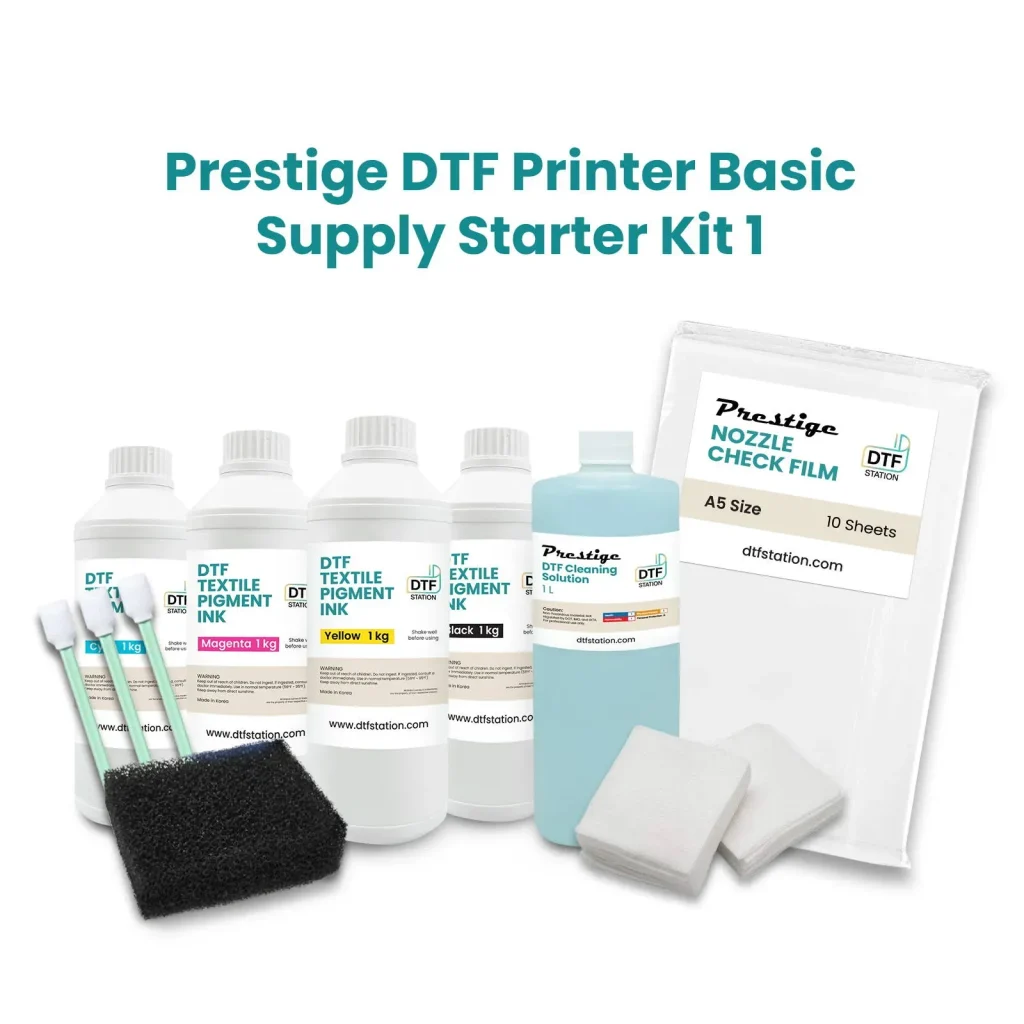
DTF Supplies are essential for anyone looking to explore the exciting world of Direct-to-Film (DTF) printing. This innovative technique allows users to print vibrant designs on a special transfer film that can be applied to a variety of fabrics, creating stunning custom apparel that’s both durable and eye-catching. For beginners eager to dive into DTF printing, understanding the necessary supplies and techniques is crucial for achieving professional results. From selecting the best DTF supplies to mastering the printing process, this beginner’s guide to DTF will provide you with all the information you need to get started. Join us as we explore the essentials of setting up your DTF printing configuration and taking your fabric printing skills to the next level!
Also known as direct-to-film printing, this technique is gaining traction among fabric enthusiasts due to its versatility and ability to produce complex designs. If you’re starting your journey into this realm of fabric customization, it’s vital to familiarize yourself with the best supplies needed for a successful DTF printing setup. This article serves as a comprehensive beginner’s guide to DTF, outlining the key tools and products that will help you achieve vibrant prints on various materials. With the right DTF supplies at your disposal, you’ll be well on your way to mastering DTF printing techniques, creating unique pieces to showcase your creativity.
Understanding the Basics of Direct-to-Film Printing
Direct-to-Film (DTF) printing is an innovative technique that revolutionizes the fabric printing industry. It involves printing designs onto a special film that can be transferred onto various fabrics using heat and pressure. This method provides incredible versatility, allowing for detailed designs that traditional screen printing might not achieve. Not only does it accommodate a wide range of fabrics, but it also ensures that prints are vibrant and long-lasting, making it an attractive option for DIY enthusiasts and business owners alike.
The initial appeal of DTF printing lies in its straightforward process and the rich, colorful outputs it can produce. For beginners, understanding the technology behind DTF printing is crucial. The key components include the DTF printer, transfer film, and adhesive powder, each playing a significant role in achieving a successful print. As you dive into this art form, take the time to familiarize yourself with these basics, as they will serve as the foundation for your DTF printing journey.
A Beginner’s Guide to Essential DTF Supplies
As you embark on your DTF printing adventure, it’s crucial to gather the right supplies to ensure you achieve stunning results. Some essential items include a reliable DTF printer, high-quality transfer film, and suitable adhesive powder. Investing in a good DTF printer is critical because it influences the vibrancy and durability of your prints. These printers are typically modified inkjet models designed to handle DTF inks, which offer excellent adhesion to fabrics.
Furthermore, choosing the right transfer film is paramount. A quality PET film allows for precise transfer of designs and ensures durability in prints. Alongside these, adhesive powder is applied post-printing to help the design adhere to fabric. Beginners should seek out trusted brands known for their high-quality supplies, as using inferior materials may lead to print failures and unsatisfactory results.
Choosing the Best DTF Supplies for Quality Prints
When it comes to DTF printing, not all supplies are created equal. Beginners should focus on sourcing the best DTF supplies that are tailored to their specific needs. High-quality DTF printers designed for fabric applications can make a world of difference in print quality. These printers utilize specialized inks that adhere effectively to the transfer film, resulting in vibrant and intricate designs.
In addition to a quality printer, the selection of transfer film and adhesive powder significantly influences print fidelity. Look for transfer films that have a good balance of durability and flexibility, allowing them to withstand the heat transfer process without warping. Moreover, adhesive powders should be easy to apply and provide strong adhesion during the heat transfer process, ensuring longevity in your final prints.
Setting Up Your DTF Printing Environment
Creating a suitable workspace for DTF printing is important to ensure efficiency and quality. Start by choosing a clean, well-ventilated area to set up your DTF printer and heat press. Having enough space for your supplies, transfer film, and finished products will help streamline your printing operations. Moreover, organizing your tools and materials will save you time and prevent unnecessary stress while creating your designs.
In addition to physical space, investing in the right equipment can enhance your DTF printing setup. Ensure your DTF printer is installed correctly and is functioning properly by performing initial test prints. A versatile heat press with adjustable temperature and pressure settings is also vital for achieving optimal transfer conditions, safeguarding the quality of your prints.
Step-by-Step Process for DTF Printing
The process of DTF printing involves a few essential steps that beginners must master. First, ensure that your DTF printer is properly set up with the correct inks and ready to print on the transfer film. Once your design is ready, you’ll load the transfer film into the printer and initiate the printing process. Attention to detail is critical during this stage, as a successful print lays the groundwork for a vibrant transfer.
After printing, the next crucial step involves applying adhesive powder while the ink is still wet. This adhesive ensures that your design adheres to the fabric when heat is applied. Following this, a heat press must be used to bond the design securely to the fabric. Understanding the timing and technique involved in this heat transfer process is vital for achieving successful, durable prints that stand the test of time.
Tips for Achieving Long-Lasting DTF Prints
To achieve long-lasting DTF prints, several key practices should be observed. Firstly, ensure that you are using high-quality supplies, from inks to adhesive powder and transfer film. Each component impacts the final product’s durability and overall quality. Skimping on supplies may seem cost-effective initially, but it can lead to unsatisfactory results that lack longevity.
Additionally, understanding the fabric types you plan to print on is vital. DTF printing works well on cotton and polyester, among others, but may not perform optimally on certain synthetics. Always conduct preliminary tests on sample fabric before executing large-scale projects. This practice will not only help you understand how your designs interact with different materials but also ensure long-lasting and vibrant prints.
Frequently Asked Questions
What are the best DTF supplies for beginners in Direct-to-Film printing?
For beginners in Direct-to-Film (DTF) printing, the best supplies include a dedicated DTF printer, high-quality transfer film, plastisol adhesive powder, a reliable heat press, and graphic design software. These tools will ensure vibrant and durable prints on various fabrics.
How do I set up my DTF printing equipment?
To set up your DTF printing equipment, start by installing your DTF printer and loading it with DTF inks. Next, connect it to your computer and perform a test print to ensure vibrant output. Also, familiarize yourself with the settings on your heat press to optimize your DTF printing process.
What is the purpose of adhesive powder in DTF printing techniques?
Adhesive powder in DTF printing techniques is critical for ensuring that the printed design adheres properly to the fabric. Applied while the ink is still wet, this powder helps the print stick during the heat transfer process, contributing to the durability and longevity of your final product.
Can I use any fabric for DTF printing?
DTF printing works best on cotton, polyester, and blends thereof. While it can be effective on various fabrics, avoid using synthetic fabrics that do not handle high heat well. Always perform a test on sample fabrics before committing to your design.
What are the step-by-step instructions for using DTF supplies?
The step-by-step instructions for using DTF supplies include: 1) Set up your DTF printer with inks, 2) Design your artwork using graphic software, 3) Print the design onto transfer film, 4) Apply adhesive powder while the ink is wet, 5) Cure the printed film, and 6) Use a heat press to transfer the design onto fabric.
Why is high-quality transfer film important in DTF printing?
High-quality transfer film is essential in DTF printing because it influences the vibrancy and adherence of the printed design. Durable films can withstand the heat and pressure during the transfer process, ensuring that your prints look great and last long on the fabric.
| Key Points | Details |
|---|---|
| What is DTF Printing? | A versatile fabric printing technique where designs are printed on a special film and transferred to fabrics using heat. |
| Essential Supplies for DTF | 1. DTF Printer: Modified inkjet printer for DTF inks. 2. Transfer Film: Durable film for print transfer. 3. Adhesive Powder: Ensures design adhesion when heated. 4. Heat Press: Applies heat and pressure for transfers. 5. Graphic Design Software: Tools for design creation. |
| Steps to Start DTF Printing | 1. Set up printer and test print. 2. Create and finalize your artwork. 3. Print designs on transfer film. 4. Apply adhesive powder. 5. Use heat press to transfer design onto fabric. |
| Important Considerations | – Ensure fabric compatibility, especially with synthetic materials. – Use high-quality supplies for durability. – Practice is essential to perfect your technique. |
Summary
DTF Supplies are at the forefront of modern fabric printing, allowing beginners to explore and create intricate designs with ease. This innovative method, Direct-to-Film printing, empowers users to achieve high-quality prints that adhere seamlessly to a variety of fabrics. By understanding the essential supplies needed, including DTF printers, transfer films, adhesive powders, heat presses, and graphic design software, artists can confidently embark on their fabric printing journey. Moreover, adhering to the step-by-step process ensures a smooth transition from concept to stunning finished products. Remember, practicing and investing in high-quality materials will significantly enhance the durability and vibrancy of your designs. Dive into the wonderful world of DTF printing with the right knowledge and tools at your fingertips!