
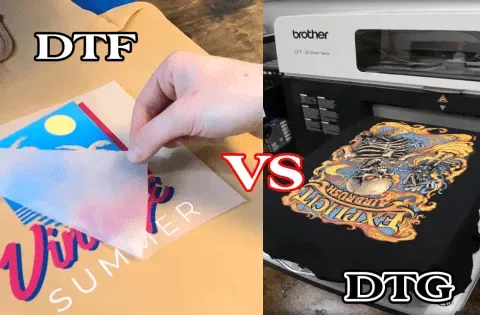
In the realm of custom apparel, the debate between DTF vs DTG has sparked significant interest among business owners and designers alike. Both Direct-to-Film (DTF) and Direct-to-Garment (DTG) printing methods offer unique advantages that can affect the quality, cost, and versatility of your final product. Understanding the intricacies of these printing techniques is crucial for making an informed decision that aligns with your specific needs. This article delves into a detailed comparison of DTF and DTG, helping you determine which printing method best suits your project requirements. Get ready to explore the world of DTF printing and DTG printing, where technology meets creativity in the vibrant landscape of custom apparel printing.
When it comes to custom garment decoration, two prominent techniques stand out: Direct-to-Film (DTF) and Direct-to-Garment (DTG). These innovative printing methods cater to a variety of textile printing needs, each with its own set of features and benefits that appeal to different audiences. In this printing methods comparison, we will clarify how each technique functions, providing insights into their respective strengths for creating high-quality apparel. From the subtleties of fabric compatibility to the nuances of print durability, understanding these printing techniques can significantly impact your custom apparel production. Join us as we navigate through the essential elements of DTF and DTG in the vibrant world of printing.
Understanding DTF Printing: Advantages and Applications
Direct-to-Film (DTF) printing is an innovative technology that has revolutionized the custom apparel industry. One of its standout advantages is its versatility, enabling it to print on a wide range of fabric types, including polyester and cotton blends. This adaptability allows businesses to expand their product offerings without being restricted to the limitations of fabric type. DTF is particularly effective for creating vibrant designs on dark garments, a feat that DTG printing struggles to achieve due to its cotton-centric focus.
Additionally, DTF printing boasts impressive durability and resistance to wear and tear. The images printed using this method maintain their integrity even after multiple washes, making them ideal for high-demand apparel such as uniforms or sportswear. This quality not only enhances customer satisfaction but also reduces the need for frequent reprints, contributing to lower production costs for larger orders.
Exploring DTG Printing: Best Use Cases and Costs
Direct-to-Garment (DTG) printing shines in its ability to produce high-quality, detailed prints on cotton-rich textiles. This method excels in applications where intricate designs and vibrant colors are paramount, making it the go-to choice for artists and designers looking to showcase their creativity on apparel. Due to its minimal setup time, DTG is favored for small batch orders; entrepreneurs can easily test new designs without the burdensome costs associated with larger printing runs.
However, while DTG is economical for low-volume prints, its production costs can become significant when scaled up for larger orders. As the volume increases, the cost-per-item can escalate, making DTF a more appealing option for bulk production. Understanding these dynamics is essential for businesses seeking to optimize their printing expenditures while delivering quality products to their customers.
DTF vs DTG: Key Differences in Quality and Output
When comparing DTF and DTG, one of the most significant differences lies in print quality. DTG printing is often regarded for its exceptional color vibrancy and detail, especially on cotton fabrics. This method employs specialized inkjet technology that delivers high-resolution imagery, making it ideal for complex graphics and color gradients. However, while DTF printing can produce good quality prints and is effective across a broader range of fabrics, the color output may not have the same level of richness on lighter materials as DTG.
Another critical factor is the output speed and efficiency. DTG excels in small batch printing with rapid setup times, allowing for quick turnarounds on small orders. In contrast, DTF is designed for higher volume production and offers greater efficiency, which can significantly reduce costs when printing in bulk. These distinctions highlight the importance of choosing a printing method based on the intended application and order size.
Cost Analysis: DTF vs DTG Printing Methods
Cost is a crucial consideration when deciding between DTF and DTG printing methods. For small quantities, DTG is generally more cost-effective due to its quick setup and the ability to print on demand, making it appealing for businesses that require a flexible approach. The absence of minimum order limits allows startups and small business owners to enter the custom apparel market without significant upfront investment.
Conversely, as production volumes increase, DTF printing becomes more economically advantageous. The setup costs—though initially high due to the need for specific films and inks—are often offset by the lower price per unit achieved through bulk printing. Therefore, businesses looking to produce larger quantities of apparel should assess their budget and market demand carefully to select the most cost-efficient printing method.
Fabric Compatibility: An Essential Consideration
The choice of fabric compatibility is another significant factor in the DTF versus DTG debate. DTG printing primarily works best with cotton and cotton-blend fabrics, which can limit its applicability for businesses targeting diverse textile varieties. This can be particularly disadvantageous for companies that wish to cater to a broader audience or those specializing in synthetic materials.
In contrast, DTF printing’s versatility allows it to work effectively on an extensive range of fabrics, including polyester and blends. This feature not only empowers businesses to diversify their product offerings but also enables them to tap into markets such as sportswear and fashion where different materials are prevalent. Ultimately, understanding the fabric capabilities of each printing method is vital for successfully meeting customer demands.
Long-Term Durability and Care: A Critical Factor in Apparel Quality
When considering DTF and DTG printing methods, the durability and care of the printed designs are crucial for maintaining product quality over time. DTG prints are known for their vibrant colors but can fade if not properly cared for, leading to potential customer dissatisfaction. Proper washing and care instructions are essential to prolong the life of DTG prints, which can add complexity for end-users who may not be familiar with specific textile care requirements.
On the other hand, DTF prints tend to exhibit superior durability, offering strong adherence that stands up to repeated washing without significant fading or wear. This quality makes DTF an appealing option for apparel that is subject to heavy use. Businesses can ensure customer satisfaction and reduce complaints regarding print longevity by selecting the right printing method based on the intended use of their products.
Frequently Asked Questions
What is the main difference between DTF and DTG printing?
The primary difference between DTF and DTG printing lies in the application method. DTG printing involves directly applying ink onto the fabric using inkjet technology, making it ideal for cotton materials with high-quality detailed designs. In contrast, DTF printing transfers designs from a film onto various fabrics, including polyester, allowing for greater versatility and durability.
Is DTF printing better for dark garments compared to DTG printing?
Yes, DTF printing is generally more effective for dark garments compared to DTG printing. DTF can successfully print on a wide range of fabrics, including darker colors that DTG may struggle with. This makes DTF an excellent choice for custom apparel that requires vibrant designs on various fabric types.
Which printing method, DTF or DTG, is more cost-effective for large production runs?
DTF printing is typically more cost-effective for medium to large production runs. While both DTF and DTG have their advantages, DTF’s ability to print in bulk reduces the overall cost per item, making it a preferred choice for businesses with high volume orders.
How durable are prints from DTF vs DTG printing methods?
DTF prints are known for their durability and resistance to fading, making them ideal for high-wear clothing. In contrast, while DTG prints provide vibrant colors, they may fade over time if not cared for properly. Therefore, DTF often offers a more long-lasting solution for custom apparel.
Can DTG printing be used on materials other than cotton?
DTG printing is primarily designed for cotton fabrics and cotton-blend materials. While some DTG printers can handle other fabrics, they may not achieve the same quality as on cotton. For a broader fabric compatibility, DTF printing is the more suitable option.
What are the environmental impacts of DTF vs DTG printing?
Both DTF and DTG printing methods use water-based inks, contributing to a more sustainable printing process compared to traditional methods. However, the overall environmental impact can vary based on waste management practices and the specific materials used in each printing method.
| Aspect | DTG (Direct-to-Garment) | DTF (Direct-to-Film) |
|---|---|---|
| Print Quality | High-resolution designs, vibrant colors, excellent detail on cotton fabrics | Good quality across various materials, but may lack vibrancy on lighter fabrics |
| Production Costs and Efficiency | Economical for small runs, minimal setup time | Cost-effective for medium to large runs due to bulk capabilities |
| Fabric Compatibility | Best for cotton and cotton-blends | Compatible with a wide range of fabrics, including dark garments |
| Durability and Care | Can fade over time; requires proper care | More resistant to fading; works well with frequent washing |
| Environmental Impact | Uses water-based inks, relatively eco-friendly | Also employs water-based inks, but sustainability varies by practices |
Summary
DTF vs DTG are two popular printing methods that offer different advantages for custom apparel printing. When considering which method is right for you, it is essential to weigh the specifics of print quality, production efficiency, fabric compatibility, and durability. DTG printing excels in delivering high-quality prints for intricate designs on cotton fabrics with minimal setup, making it ideal for small orders. In contrast, DTF printing shines in versatility and cost-effectiveness for larger runs across various fabric types. By understanding these differences, you can make an informed choice that best fits your business needs and ensure your custom apparel meets quality expectations.