
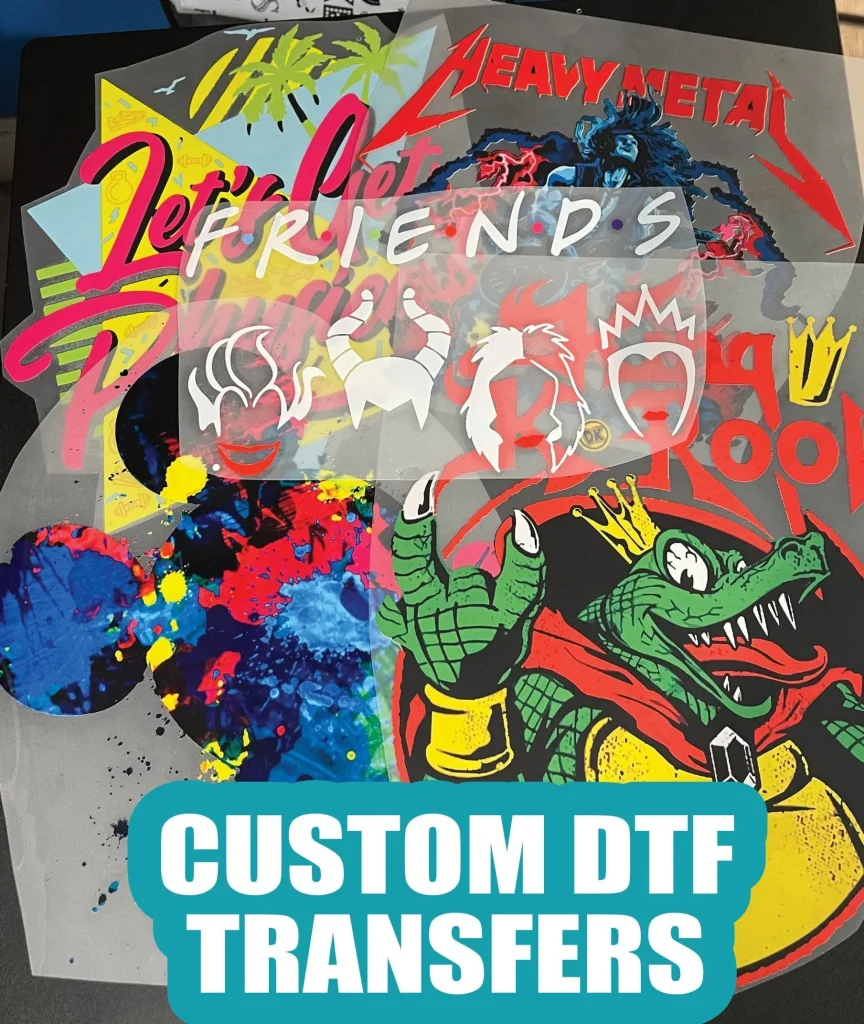
DTF transfers, or Direct-to-Film transfers, are revolutionizing the world of custom graphics by providing an innovative solution for high-quality printing. This printing technique utilizes heat transfer technology to produce stunning, vibrant designs that adhere seamlessly to various materials, making it an ideal choice for businesses and creators alike. Unlike traditional methods such as screen printing, DTF printing allows for complex, full-color images that maintain their durability over time. With the growing demand for personalized products, DTF transfers stand out as a cost-effective and reliable option, offering endless possibilities for customization. As we explore the mechanics and advantages of DTF transfers, it becomes clear that this method is setting new standards in the realm of graphic design and printing.
In the dynamic field of custom design, Direct-to-Film (DTF) technology is emerging as a game-changer, offering creators a fresh way to achieve striking visuals on various substrates. This innovative approach in heat transfer allows for intricate, detailed prints that can be applied to everything from clothing to promotional materials. By leveraging DTF printing, artists and businesses can produce long-lasting graphics that resist wear, outperforming traditional screen printing methods. The versatility and affordability of this technique cater especially well to small enterprises and independent crafters seeking high-quality solutions without the associated costs of bulk production. Understanding the benefits and applications of DTF transfers is essential for anyone looking to elevate their print projects to the next level.
Understanding DTF Transfers: A Game Changer in Custom Printing
DTF transfers, or Direct-to-Film transfers, represent a revolutionary approach in the world of custom printing, setting a new standard for quality and versatility. This method involves printing high-resolution designs onto a specialized film, which can then be transferred onto a wide array of surfaces, including textiles and promotional items. Unlike traditional screen printing, DTF technology excels in delivering intricate, full-color graphics that are not only stunning but also withstand the test of time. As businesses strive to meet the growing demand for unique and individualized products, understanding the mechanics of DTF transfers becomes essential.
This innovation in custom graphics combines creativity with technology, offering an unparalleled opportunity to craft distinctive designs that resonate with end users. From the initial design phase to the final heat transfer application, DTF printing allows for flexibility and precision that traditional methods often lack. As a result, many businesses are turning to this advanced technology to gain a competitive edge, knowing that the ability to produce high-quality custom graphics can significantly enhance their brand appeal.
The DTF Printing Process: Step-by-Step Breakdown
The DTF printing process is a meticulously crafted method that transforms digital designs into tangible graphics that can be applied to various substrates. It begins with the creation of a custom graphic tailored to meet specific consumer needs. Once the design is finalized, it’s then printed on a specialized DTF film using high-quality, water-based inks. This process not only ensures vibrant colors but also enhances adhesion when the design is heat pressed onto the desired surface, making it highly effective for a multitude of applications.
Following the printing, a crucial powder coating process is implemented to ensure the printed ink adheres properly during the heat transfer. The application of heat and pressure activates the adhesive properties of the powdered coating, allowing the design to bond securely to fabrics such as cotton and polyester. Finally, the film is peeled away, revealing the finished product—a vibrant and durable custom graphic that stands out. This detailed process guarantees consistent quality and longevity, solidifying DTF transfers as a preferred choice for custom graphics.
Advantages of DTF Transfers Over Traditional Methods
One of the primary advantages of DTF transfers is their ability to produce vibrant and detailed prints, far surpassing many traditional methods such as screen printing. With DTF technology, businesses can offer an expanded range of colors and intricate designs without the limitations often associated with other printing techniques. This versatility empowers creators and brands to meet diverse customer needs and preferences, ultimately enhancing their market reach and appeal. Additionally, DTF transfers are ideal for high-stakes applications where quality cannot be compromised, ensuring customer satisfaction.
Moreover, DTF transfers offer significant durability compared to conventional printing methods. Products printed via DTF technology are known for their resistance to fading, cracking, and peeling, even after multiple washes. This longevity is essential for consumers who prioritize both style and substance in custom apparel and merchandise. Consequently, businesses benefit from fewer product returns and greater customer loyalty, as consumers appreciate the high-quality results provided by DTF transfers.
Exploring the Versatility of DTF Transfers in Various Applications
DTF transfers are remarkably versatile, suitable for a wide range of applications beyond just clothing. This technology can be used on various materials, including leather, wood, and metal, making it an invaluable choice for businesses looking to diversify their product offerings. Whether creating custom bags, promotional items, or personalized gifts, DTF transfers seamlessly adapt to different substrates, enabling endless creative possibilities. This capability allows businesses to cater to unique customer requests, from small batches of personalized gifts to larger orders of branded merchandise.
Increasingly, e-commerce businesses are taking advantage of the benefits that DTF transfers provide. By using this innovative method, they can easily fulfill orders with high-quality graphics that meet customers’ expectations for uniqueness and design intricacies. This adaptability not only enhances a company’s portfolio but also positions them favorably within competitive marketplaces where custom and personalized items are in high demand.
Cost-Effectiveness of DTF Transfers: A Smart Choice for Small Businesses
For small businesses and independent crafters, the cost-effectiveness of DTF transfers offers an attractive solution compared to traditional screen printing. DTF technology allows for lower initial setup costs since there is no need for expensive screens or lengthy preparation processes. This means that even small runs of custom graphics become financially viable, empowering entrepreneurs to take risks with unique designs without the burden of significant financial investment.
Additionally, DTF transfers eliminate the need for large inventories, as businesses can print as orders come in. This capability leads to reduced overhead costs and minimized waste, a crucial advantage for small operations looking to maximize efficiency. As a result, DTF transfers not only enhance creative opportunities but also offer a sustainable business model that appeals to conscientious consumers.
Future Innovations in DTF Technology and Custom Graphics
The future of DTF technology in custom graphics looks promising with ongoing innovations driving the industry forward. Recent expos and industry showcases have highlighted emerging trends, including advancements in inks, heat transfer methods, and application techniques. These innovations are aimed at further improving color vibrancy, accelerating production speeds, and enhancing the overall user experience in crafting custom graphics. Companies are constantly exploring avenues to refine the DTF process, ensuring that it remains at the forefront of printing technology.
Such advancements not only expand the range of creative possibilities for businesses but also incorporate features that cater specifically to the needs of modern consumers. As personalization continues to dominate market trends, tools and technologies related to DTF transfers are evolving to support creators and crafters in delivering highly customized merchandise. This growth trajectory positions DTF transfers as an essential component of the custom graphics landscape, suggesting a strong demand in the years to come.
Frequently Asked Questions
What are DTF transfers and how do they differ from screen printing?
DTF transfers, or Direct-to-Film transfers, involve printing designs on a special film that can then be heat pressed onto various surfaces. Unlike screen printing, which uses stencils and inks applied directly onto materials, DTF allows for detailed, full-color graphics and is more versatile in terms of substrate compatibility.
How durable are DTF transfers compared to traditional heat transfer methods?
DTF transfers are known for their exceptional durability, often outperforming traditional heat transfer methods. They resist cracking, peeling, and fading, ensuring that custom graphics maintain their vibrancy even after extensive use, making them ideal for high-wear products.
Can DTF printing be applied to any fabric or surface?
Yes, DTF printing is highly versatile and can be applied to a wide variety of fabrics and surfaces, including cotton, polyester, leather, and more. This adaptability makes DTF transfers an excellent choice for custom graphics on different product lines.
What is the process involved in creating DTF transfers for custom graphics?
The DTF transfer process includes designing a graphic digitally, printing it on a special film with water-based inks, applying an adhesive powder, and then using a heat press to transfer the design onto the final product. This multi-step process ensures high-quality, durable prints.
Are DTF transfers cost-effective for small runs and custom designs?
Absolutely! DTF transfers are often more cost-effective than traditional screen printing, particularly for small runs or custom designs. This affordability allows smaller businesses and individual crafters to produce high-quality custom graphics without significant upfront costs.
What innovations are currently shaping the DTF transfers market?
Recent innovations in the DTF transfers market include enhanced heat transfer technologies and universal DTF solutions that allow for applying prints to various product types. Industry expos, such as the DTF Expo, showcase advancements that continue to improve print quality and application versatility.
| Aspect | Details |
|---|---|
| Definition | DTF transfers (Direct-to-Film) are a printing method for high-quality custom graphics. |
| Process | 1. Design Creation 2. Printing onto DTF film 3. Powder Coating to adhere ink 4. Heat Transfer to bond design 5. Peeling to reveal final product. |
| Advantages | 1. Vibrant and High-Quality Prints 2. Versatile applications on various substrates 3. Durability and Longevity 4. Cost-Effectiveness for small runs. |
| Applications | Used widely for custom graphics on apparel, bags, and more, |
| Innovations | Recent advancements in DTF technology, highlighted during events like the DTF Expo. |
Summary
DTF transfers are revolutionizing the field of custom graphics by offering an unparalleled combination of vibrancy, durability, and versatility. This innovative printing technology allows for detailed, high-quality designs to be applied to a variety of materials, making it a popular option for businesses and crafters alike. As DTF transfers continue to evolve and gain traction in the market, they are setting a new standard for custom graphics, empowering creators to deliver brilliantly designed products that not only look good but are also built to last. Embracing DTF transfers means entering a world of diverse applications, enhancing product offerings and meeting the growing consumer demand for unique, personalized items.