
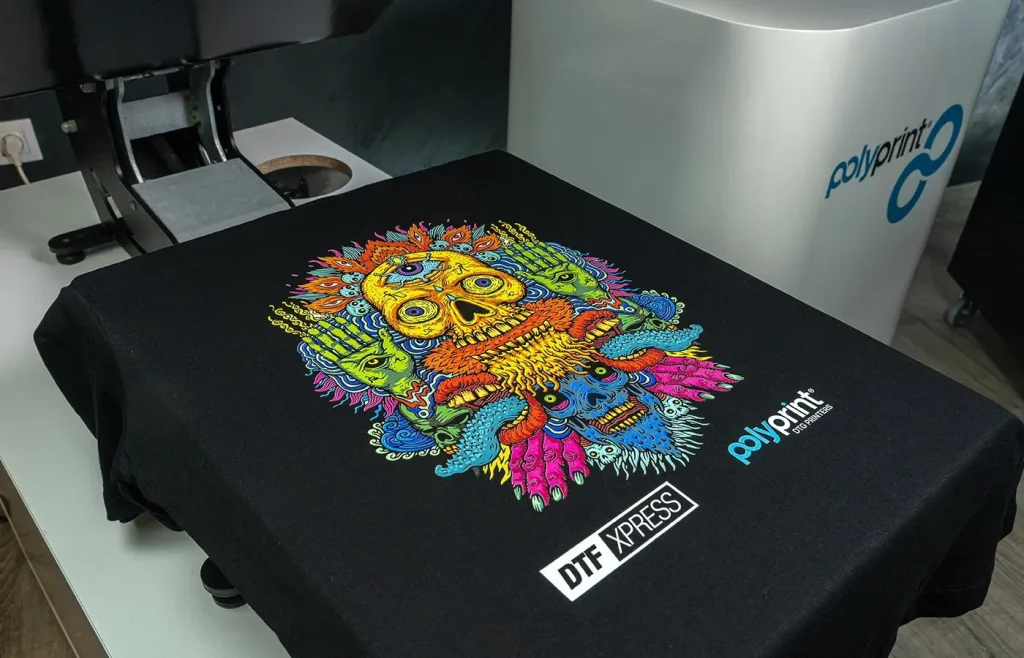
In recent years, DTF printing has emerged as a revolutionary method within custom apparel printing, captivating the attention of businesses aiming to streamline their production processes. This innovative printing technology stands out when compared to traditional printing techniques, offering unique advantages for those in the fashion and merchandise sectors. Unlike classic screen printing, which requires intricate setups and can be time-consuming, DTF printing simplifies the workflow, providing vibrant, high-quality prints in a fraction of the time. Furthermore, as the demand for personalized clothing rises, understanding the differences between DTF vs traditional printing becomes essential for making informed decisions for your next project. As you explore the advantages of DTF and how it compares to established methods, the future of printing technology for apparel looks brighter than ever.
Direct-to-Film (DTF) printing represents a significant shift in the landscape of graphic reproduction, positioning itself as a formidable alternative to conventional methods like screen printing. This modern approach allows for direct application of designs onto a film, which is then easily transferred to fabric, highlighting its efficiency and versatility. With small businesses and custom apparel creators looking for effective means to produce eye-catching designs, DTF emerges as a transformative option within custom garment printing. By considering the stark distinctions between newer technologies, such as DTF, and older, more labor-intensive methods, brands can better navigate their production needs and capitalize on market trends. Ultimately, this evolution in printing practices signals a promising era for personalized apparel, highlighting innovation at its core.
Understanding the Basics of DTF Printing
Direct-to-Film (DTF) printing is an innovative printing technique that has revolutionized the custom apparel industry. Unlike traditional printing methods, which often require intensive labor and multiple setups for different colors, DTF printing utilizes a single-film transfer process. This approach not only simplifies production but also enhances the ability to produce complex, multi-colored designs with unparalleled vibrancy. Businesses leveraging DTF technology can achieve high-resolution images and intricate details, making it a favored option for creative custom apparel.
Moreover, DTF printing allows for remarkable adaptability in terms of fabric types. It can print seamlessly across a variety of materials, including cotton, polyester, and blends. The flexibility of DTF printing empowers designers to explore a wider range of creative possibilities. This capability also means that businesses can offer more diverse product lines, catering to different customer preferences without being constrained by the limitations often associated with traditional printing techniques.
Advantages of DTF Over Traditional Printing
One of the standout benefits of DTF printing is its efficiency regarding production times and costs. In contrast to traditional screen printing, which can involve lengthy setup processes and complex machinery, DTF printing delivers quick results. Businesses can rapidly fulfill orders, meeting the increasing demand for prompt service in today’s competitive market. The one-step transfer process dramatically reduces the time spent on each print, which is especially advantageous for small businesses that may lack large-scale production facilities.
Cost-effectiveness is also a significant factor contributing to the rise of DTF printing. Traditional methods often impose heavy upfront costs due to the need for stencils and extensive preparatory work. DTF printing circumvents these expenses, making it an attractive option for startups or those experimenting with small runs. This financial accessibility encourages businesses to innovate and personalize their apparel offerings without the fear of financial burden typically associated with larger print orders.
DTF vs. Traditional Printing: Quality Comparison
When comparing the quality of prints produced by DTF technology versus traditional methods, it’s clear that DTF holds several advantages. The prints generated through DTF are known for their durability and bright, vivid colors that hold up over time, thanks to the advanced ink formulations used in this technology. With traditional screen printing, the color accuracy and overall detail could be affected by the intricate setups involved, leading to potential discrepancies in final output. DTF minimizes these risks by streamlining the entire process.
Additionally, DTF printing excels in providing intricate details and gradients that may be challenging to achieve with traditional methods like screen printing. The ability to reproduce detailed patterns and images without the need for color separations makes DTF a preferred choice for businesses aiming to showcase their creativity. Ultimately, the superior quality of DTF prints not only enhances the product offered but also contributes to a stronger brand identity in a crowded marketplace.
The Emerging Trend of DTF in Custom Apparel
The rise of DTF printing within the custom apparel market signifies a broader trend towards embracing advanced printing technologies. As more brands adopt DTF, the versatility it offers becomes apparent. Businesses can quickly pivot to meet changing consumer trends, adapting their designs and products with ease. This agility is vital in a market where customer preferences can shift rapidly, and brands must remain relevant to retain their customer base.
With the growing popularity of DTF printing, the potential for innovation in apparel designs expands significantly. Designers and brands are no longer restricted by the technical limitations of traditional printing methods; they can push the boundaries of creativity and personalization. The ongoing investment in DTF technology further amplifies this trend, ensuring that both small startups and established brands can keep pace with industry demands.
Choosing Between DTF and Traditional Printing
When considering the best printing method for your next project, several factors must be weighed. The complexity of your designs, the materials you intend to use, and the scale of production all play vital roles in determining whether DTF or traditional printing is more suitable. For those projects that require intricate designs or fast fulfillment, DTF printing often emerges as the clear frontrunner due to its speed and quality capabilities.
However, traditional printing methods might still hold sway in scenarios that prioritize large-scale outputs with simpler designs. In situations where setup time is not a critical factor, and cost per unit can be spread over large orders, traditional printing can be advantageous. As technology develops, however, the lines between these two methods may blur, leading to a preference for DTF among more and more businesses seeking efficiency without sacrificing quality.
The Future of Printing: Embracing DTF Technology
As the printing industry evolves, the future appears bright for DTF technology. The continuous advancements in this printing method promise to further cement its place as a preferred technique for businesses worldwide. With capabilities that allow for high-resolution prints, rapid production times, and the ability to cater to diverse materials, DTF not only meets the demands of modern entrepreneurs but raises the stakes for future innovations.
In summary, the shift toward DTF printing in the custom apparel sector indicates a broader trend towards embracing cutting-edge technology and sustainable practices. As businesses seek to enhance their capabilities and meet customer demands for timely, personalized products, DTF printing stands out as an ideal solution. The balance it strikes between quality, cost-effectiveness, and versatility positions it as a technology poised to redefine the landscape of printing for years to come.
Frequently Asked Questions
What is DTF printing and how does it differ from traditional printing?
DTF printing, or Direct-to-Film printing, is a modern technique that involves printing designs on a special film which is then transferred to fabric. Unlike traditional printing methods, such as screen printing, DTF uses a straightforward one-step process that enables high-quality, full-color prints without the need for multiple stencils, making it easier and faster.
Why is DTF printing gaining popularity in the custom apparel industry?
DTF printing is becoming increasingly popular in the custom apparel industry due to its versatility, allowing printing on various materials like cotton and polyester. Its capacity for producing high-resolution prints with vibrant colors, coupled with fast turnaround times, makes it a cost-effective choice, especially for small runs compared to traditional printing methods.
How does DTF printing compare cost-wise to traditional printing methods?
When comparing DTF printing to traditional printing methods, DTF is generally more cost-effective for small orders. Traditional screen printing involves significant initial setup costs, which can be prohibitive for small runs. DTF minimizes these costs, making it an ideal solution for startups and small businesses.
Can DTF printing handle complex designs better than traditional screen printing?
Yes, DTF printing can handle complex designs much better than traditional screen printing. It allows for extensive customization and high-resolution prints, making it particularly suitable for intricate graphics that require detail and color variation without the labor-intensive setup of screen printing.
What materials can be used with DTF printing technology?
DTF printing is versatile and can be used on a wide range of materials including cotton, polyester, and blends. This adaptability contrasts with traditional printing methods that may require each fabric type to be treated differently or have specific setups for printing.
Is DTF printing faster than traditional screen printing?
Absolutely. DTF printing is generally faster than traditional screen printing. With its streamlined one-step process, DTF can quickly produce high-quality prints, catering to the fast-paced demands of the custom apparel market, whereas traditional methods often involve lengthy setup and printing times.
| Aspect | DTF Printing | Traditional Printing Methods |
|---|---|---|
| Definition | Printing designs onto a film for transfer to fabric | Creating prints using stencils for each color (like screen printing) |
| Process | One-step process allowing for high-quality full-color prints | Multiple setups required for each color, making it labor-intensive |
| Production Speed | Faster turnaround times, suitable for small and large runs | Slower due to the need for multiple setups |
| Cost Effectiveness | Lower initial costs for small runs; cost-efficient | Higher setup costs, especially for small production runs |
| Versatility | Can print on various materials (cotton, polyester, blends) | Limited material compatibility requiring specific setups |
| Customization | Allows for detailed graphics and extensive design options | Limited to simpler designs due to stencil requirements |
| Technological Innovations | Recent advances simplifying use and improving print quality | Less focus on innovation; slower adoption of new technologies |
Summary
DTF printing represents a significant evolution in the printing industry, particularly in the realm of custom apparel production. Unlike traditional printing methods, DTF printing offers a more streamlined and efficient approach, allowing businesses to produce high-quality prints with vibrant colors in a single process. This technology not only increases the versatility of materials that can be used but also reduces costs for smaller runs, making it accessible for startups and small businesses. The growing popularity of DTF printing can be attributed to its speed, ease of use, and ability to accommodate intricate designs, which are crucial in today’s competitive market. As more companies pivot towards customization and efficiency, DTF printing is positioned to become the go-to method for those looking to innovate in their print projects.