
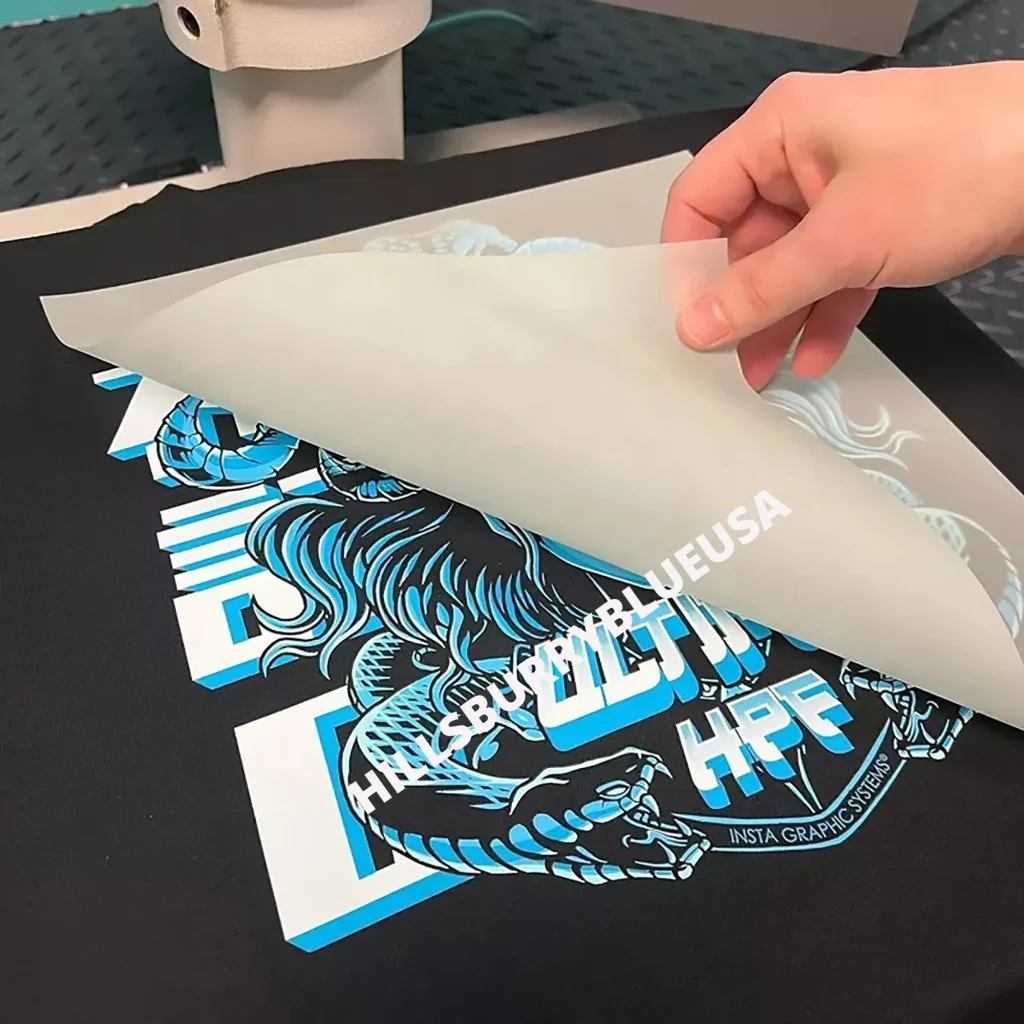
DTF transfers, short for Direct to Film transfers, have quickly become a game-changing technique in the world of fabric printing. This innovative method allows artists and businesses to create vibrant custom fabric designs with remarkable precision and efficiency. Unlike traditional fabric printing methods, DTF printing doesn’t compromise on quality or intricate detailing, making it an ideal choice for various materials. By employing a heat press application, users can effortlessly transfer their unique artworks onto diverse fabrics, opening doors to endless creative possibilities. In this guide, we will delve into the effective process of applying DTF transfers and reveal how you can achieve professional-quality results that will impress clients and customers alike.
Direct to Film printing, commonly referred to as DTF printing, offers an exciting alternative for those seeking advanced fabric printing techniques. This method includes the use of specialized film that captures stunning designs, allowing for exceptional detail and color vibrancy. With the heat press application, the potential for creating custom fabric designs increases, making it easier than ever to personalize items like clothing and accessories. DTF transfers ensure a seamless integration of creativity and technology, providing users with a reliable way to produce long-lasting prints on various textiles. As we explore the step-by-step process of successfully applying DTF transfers, you’ll discover the unique advantages that this method brings to the fabric printing industry.
Understanding DTF Printing
Direct to Film (DTF) printing offers an exceptional advantage in the world of fabric printing techniques, allowing creators to print high-quality designs directly onto a specialized film that can later be transferred onto various fabric types. This innovative method utilizes advanced printing technology which not only accommodates vibrant colors and intricate details but also provides a smoother finish compared to traditional methods such as screen printing. With DTF, designers can explore endless possibilities, from complex graphics to vivid colors, enabling custom fabric designs that truly stand out.
The process of DTF printing involves printing a design onto a transfer film, applying an adhesive powder, and then heat curing before transferring it onto the desired fabric. This combination of techniques ensures that the final image is not only vivid but also durable, thus meeting the demands of various applications ranging from apparel to promotional merchandise. Moreover, the versatility of DTF allows it to adapt to different fabric types, making it an ideal choice for creators who seek adaptability in their fabric printing techniques.
The Importance of High-Quality Materials
To successfully apply DTF transfers, the quality of the materials used is paramount. This includes not just the DTF transfer film, but also the inks and the heat press itself. High-quality inks specifically designed for DTF printing will ensure that colors remain vibrant and lively after the transfer process. Using inferior materials can lead to poor-quality or faded prints, which can detract from the overall appearance and durability of the design.
Additionally, having a reliable heat press is critical for achieving even heat and pressure during the transfer process. A heat press that maintains consistent temperatures is essential for activating the adhesive correctly, which ensures better adhesion to the fabric. This combination of quality materials, including the fabric substrate itself, can dramatically influence the outcome, longevity, and satisfaction of your custom fabric designs.
Mastering the Printing Process
The printing phase of the DTF transfer process is a crucial step that lays the foundation for successful application. Utilizing a dedicated DTF printer, it’s essential to ensure that the design is printed accurately and with high resolution. High-quality prints not only display vibrant colors but also showcase intricate details that elevate the overall aesthetic of the fabric. Printing the design correctly on the transfer film allows for better adhesion when the transfer is subsequently applied to fabric.
Applying adhesive powder while the ink is wet is equally important, as it secures the ink to the film and prepares it for the curing process. Without this step, the design’s durability and vibrancy may suffer, resulting in a subpar final product. Following precise instructions and guidelines during this stage can set the tone for whether the DTF transfer will succeed in producing a striking and long-lasting design on the targeted fabric.
Curing Techniques for Optimal Transfers
Curing the printed transfer is a vital step in the preparation of DTF printing that solidifies the bond between the ink and adhesive layer. This process typically involves placing the printed film in a heat press at a specific temperature for a predetermined duration, typically around 150°C (302°F) for 20-30 seconds. This ensures that the adhesive is fully activated and prepares the transfer for a successful application onto fabric, establishing a robust bond that prevents lifting or peeling post-application.
Proper curing techniques not only enhance the durability of the print but also contribute to the clarity of the design. When the adhesive is not sufficiently cured, the final product may display weaknesses, leading to potential chipping or fading. Therefore, mastering the curing process is essential for achieving high-quality, long-lasting DTF transfers that maintain their appearance through regular washing and wear.
Heat Press Application: Tips and Tricks
The heat press application process is critical in ensuring that DTF transfers adhere correctly to the fabric. Preheating the fabric before applying the transfer for 5-10 seconds is recommended to remove any moisture and create a smooth application surface. This practice not only enhances adhesion but also improves the overall appearance by allowing the transfer to lay flat against the fabric, reducing the possibility of bubbling or lifting.
When applying the transfer, it’s vital to use the correct time, temperature, and pressure settings on the heat press. Typically, a temperature of about 160°C (320°F) for 15-20 seconds is preferred, accompanied by even pressure throughout the application area. This careful attention to detail during the heat press application maximizes the potential for beautiful and durable designs that meet the expectations of both creators and customers alike.
Post-Application Care and Maintenance
Once you’ve successfully applied the DTF transfer, it’s essential to know how to care for the design to maintain its quality and longevity. Washing the fabric inside out, avoiding harsh detergents and bleaches, helps preserve the vibrancy of the print and extends its lifespan. Following proper care instructions is crucial, as this prevents premature fading and damage to the design, ensuring your hard work pays off over time.
Additionally, some designs may benefit from a light re-pressing after the initial cooling period. This ensures that the adhesive secures properly to the fabric, providing an extra layer of protection against wear and tear. Knowledge of post-application care techniques will not only help maintain your design’s aesthetic appeal but also increases overall customer satisfaction, setting your custom fabric designs apart from competitors in the market.
Frequently Asked Questions
What are DTF transfers and how do they work?
DTF transfers, or Direct to Film transfers, are a modern fabric printing technique that involves printing designs onto special transfer film which is then adhered to the fabric using a heat press application. This method allows for crisp, vibrant designs to be transferred onto a variety of fabric types.
How do I apply DTF transfers to my fabric?
Applying DTF transfers involves several steps: First, print your design on DTF film, then sprinkle adhesive powder on the wet ink. Cure the print using a heat press before placing it face down on the fabric. Finally, use the heat press to apply the transfer, ensuring proper temperature and pressure for optimal adhesion.
What materials do I need for DTF printing?
For successful DTF printing, you will need a DTF printer, pre-printed DTF transfer film, adhesive powder, a heat press, Teflon sheets for protection, and the fabric substrate, such as cotton or polyester templates, ready for transfer application.
What types of fabrics are best for DTF transfers?
DTF transfers are compatible with a wide range of fabrics, including cotton, polyester, and blends. It is essential to test your fabric type to ensure optimal results, as the adhesion can vary based on the material used.
How durable are DTF transfers compared to other fabric printing techniques?
DTF transfers are known for their excellent durability, often outperforming traditional methods like screen printing. With proper care, such as washing inside out and avoiding bleach, DTF transfers can maintain their vibrancy and integrity much longer.
Can I create custom designs using DTF printing?
Absolutely! DTF printing is highly customizable, allowing you to create detailed and intricate custom fabric designs with ease. The versatility of the DTF process makes it ideal for unique and personalized printing projects.
| Step | Description |
|---|---|
| 1. Preparation of Materials | Gather all necessary materials such as DTF transfer film, a DTF printer, heat press, Teflon sheets, fabric substrate, and adhesive powder. |
| 2. Printing the Transfer | Print your design on the DTF transfer film, apply adhesive powder while the ink is wet. |
| 3. Curing the Print | Cure the transfer in a heat press at 150°C (302°F) for 20-30 seconds to solidify the adhesive and ink bond. |
| 4. Application to Fabric | Preheat the fabric using a heat press, place the cured transfer down, cover with Teflon sheet, and press at 160°C (320°F) for 15-20 seconds. |
| 5. Post-Application | Allow cooling then peel off the film. Optionally re-press for better adhesion if needed. |
Summary
DTF transfers have revolutionized the way designs are applied to fabrics, enabling you to create high-quality and durable prints using a straightforward step-by-step process. From preparing your materials carefully to executing the printing, curing, and application with precision, each phase is crucial for achieving the best results. Embracing DTF transfers not only enhances the vibrancy and longevity of your designs but also offers unmatched flexibility in customization compared to traditional printing methods. As you delve into the world of DTF printing, staying informed about the latest tips and techniques will ensure your creative endeavors succeed. Unlock the full potential of your fabric designs with DTF transfers today!