
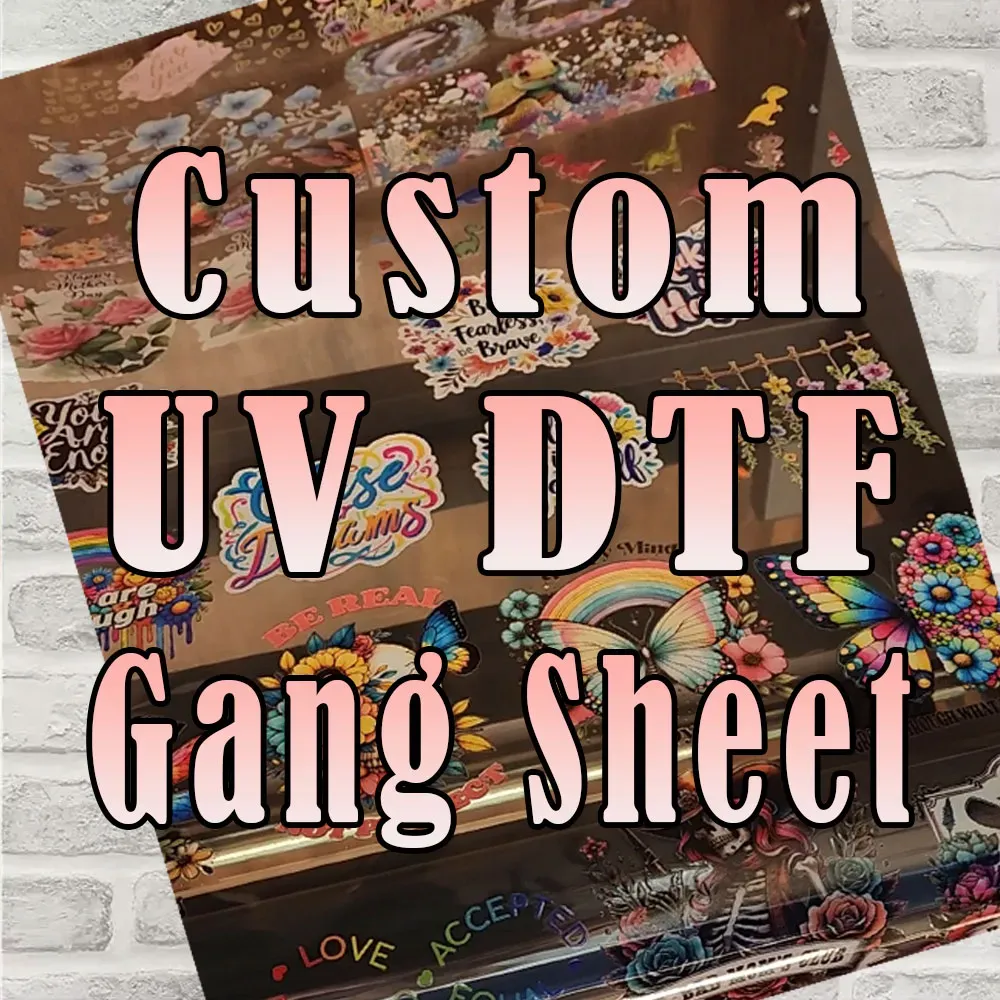
In the realm of modern printing, **UV DTF gangheet techniques** represent a groundbreaking evolution that is setting new standards for print quality and efficiency. By marrying traditional direct-to-film printing methods with innovative ultraviolet curing, printing professionals can now achieve vibrant, durable results that stand the test of time. This technique not only enhances the aesthetics of printed materials but also promotes eco-friendly printing practices, making it a favorite among environmentally conscious businesses. As we delve deeper into UV DTF gangheet techniques, you’ll discover how they streamline production processes and improve print quality across various applications. With their ability to maximize efficiency while maintaining exceptional detail, these techniques are reshaping the future of the printing industry.
When discussing advanced printing methods, one cannot overlook the importance of **direct to film (DTF)** and **gangheet printing** techniques. These innovative approaches harness the power of ultraviolet (UV) curing to produce high-quality prints with remarkable detail and color accuracy. By utilizing specialized inks that cure under UV light, this technology not only improves print durability but also minimizes waste, making it an outstanding choice for businesses seeking eco-friendly printing solutions. Moreover, the ability to print multiple designs on a single film significantly enhances production efficiency, catering to the increasing demand for customized products. In exploring these alternatives, we aim to highlight how modern techniques are paving the way for print quality improvement and sustainability.
Exploring the Mechanics of UV DTF Printing
UV DTF printing, or Direct to Film printing, utilizes advanced technology that combines the best of both digital and traditional printing methods. This innovative technique employs UV-curable inks that are printed onto a special film, which is then transferred onto the final substrate. The process begins with the direct application of inks onto the film, followed by curing with UV light, which solidifies the inks instantly and enhances their durability. This not only preserves the vibrancy of colors but also makes prints resistant to fading and wear, offering a superior alternative to traditional printing methods.
One of the prominent features of UV DTF technology is its versatility. It can be used on an array of materials, including fabrics, plastics, and metal surfaces. The ability to print on multiple substrates opens doors to creativity, allowing designers to push the boundaries of their capabilities. Additionally, the instantaneous curing process minimizes the waiting time associated with traditional drying methods, thus speeding up production and allowing for rapid fulfillment of orders.
Frequently Asked Questions
What are the benefits of using UV DTF gangheet techniques in printing?
UV DTF gangheet techniques offer several benefits, including high print quality, efficiency in production by allowing multiple designs to be printed simultaneously, and enhanced durability of the prints. The use of UV inks ensures vibrant colors and sharp details, making it ideal for intricate designs.
How does UV DTF printing improve print quality compared to traditional methods?
UV DTF printing enhances print quality by utilizing UV curing technology, which locks in color vibrancy and detail. Unlike traditional printing methods, which may fade over time, UV-cured prints are more resistant to wear, resulting in longer-lasting and more visually appealing products.
What types of substrates are suitable for UV DTF gangheet printing?
UV DTF gangheet printing is versatile and can be used on various substrates, including textiles, rigid materials like wood and metal, and promotional items. The technology allows for effective printing on surfaces that may be challenging for other traditional printing methods.
How important is ink selection in UV DTF gangheet techniques?
Ink selection is critical in UV DTF gangheet techniques. Using specialized UV inks tailored for specific substrates ensures optimal adhesion, color fidelity, and overall print quality. High-quality inks also contribute to the durability and vibrancy of the final product.
What steps can I take to maintain print quality with UV DTF gangheet techniques?
To maintain print quality with UV DTF gangheet techniques, regularly calibrate your printer, adjust color profiles for accurate shade reproduction, and conduct routine maintenance checks. Additionally, pre-treating substrates before printing can enhance ink adhesion and improve overall results.
Are there eco-friendly options available for UV DTF printing?
Yes, eco-friendly inks designed for UV DTF printing are available and increasingly popular. These sustainable inks provide a greener alternative without compromising on print quality, making them attractive to environmentally-conscious businesses looking to minimize their ecological footprint.
| Key Points | Details |
|---|---|
| Understanding UV DTF Technology | Utilizes UV-cured inks for vibrant prints that are durable and resistant to fading. |
| Advantages of UV DTF Gangheet Techniques | 1. Efficiency in production with multiple designs at once. 2. Consistent quality across prints. 3. High detail reproduction for intricate designs. |
| Key Steps to Maximize Print Quality | 1. Select specialized UV inks. 2. Regular printer calibration, including color profiles and alignment checks. 3. Pre-treatment of surfaces for better adhesion. |
| Current Trends and Innovations | 1. Eco-friendly inks. 2. Increased automation for consistent quality and speed in production. |
| Market Impact | Growing demand for customized products in fashion, décor, and merchandise reflects the effectiveness of UV DTF gangheet techniques. |
Summary
UV DTF gangheet techniques are revolutionizing the printing industry by enhancing print quality and efficiency. By utilizing ultraviolet curing methods alongside direct-to-film processes, businesses can achieve vibrant, detailed prints that are not only beautiful but also durable. Embracing these innovative techniques ensures consistent quality across multiple designs, streamlining production and reducing costs. As trends shift towards customization and sustainability, adopting UV DTF gangheet techniques is essential for print professionals looking to stay competitive and satisfy market demands.