
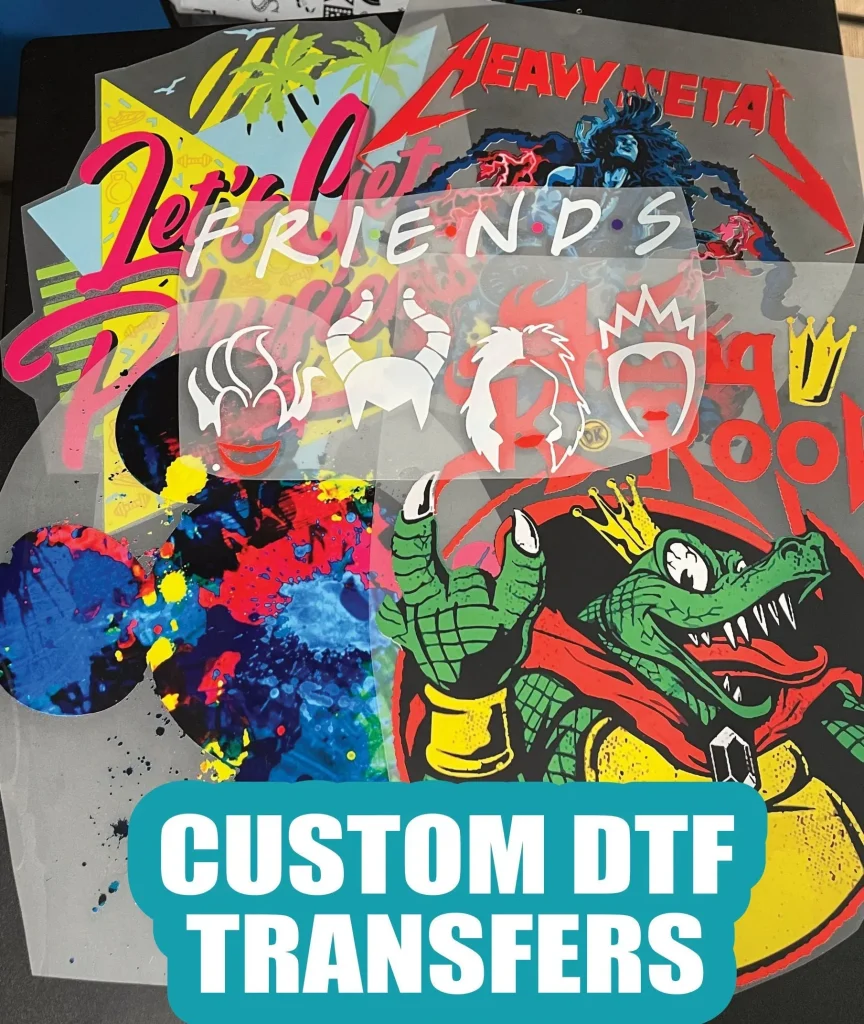
DTF Transfers are transforming the landscape of textile printing, enabling both novices and seasoned printers to produce stunning prints with ease. This innovative process, known as Direct-to-Film transfer printing, allows for vibrant designs to be applied quickly onto various fabrics, offering unmatched versatility. In this beginner’s guide to DTF, we will delve into essential topics such as the DTF heat transfer process, required DTF transfer equipment, and effective design preparation for successful printing. By exploring cutting-edge DTF printing techniques, you can elevate your skills and create professional-quality apparel that truly stands out. Join us as we unravel the mysteries of DTF transfers, making the art of textile printing more accessible than ever before.
Direct-to-Film transfer technology, often referred to as DTF printing, has emerged as a game-changer in the custom apparel industry. This method simplifies the application of intricate designs onto textiles, making it ideal for newcomers to the printing world. Through an easy-to-follow DTF heat transfer process, users can efficiently transfer their creative visions onto various materials. Focusing on the right DTF transfer equipment and learning how to optimize your designs for this printing style can dramatically enhance your output quality. Whether you call it DTF printing or film transfers, the potential for vibrant and durable prints is limitless.
Understanding DTF Printing Techniques
DTF (Direct-to-Film) printing techniques have gained significant popularity due to their efficiency and quality. Unlike traditional screen printing, which requires extensive setup and multiple screens for various colors, DTF printing simplifies the process by allowing designers to print full-color graphics directly onto a special film. This film is then heat-transferred onto the fabric. This technique not only saves time but also reduces the number of steps involved in the preparation process, making it favorable for both beginners and seasoned printers.
One of the essential aspects of DTF printing is understanding the types of inks and films used in the process. DTF printers utilize pigment-based inks, which provide brighter colors and better wash durability. The choice of quality transfer film is also crucial, as it affects how well the ink adheres to the fabric and the final appearance of the printed design. Learning the nuances of these printing techniques is fundamental for anyone looking to enhance their textile printing capabilities.
Essential Equipment for Successful DTF Transfers
When embarking on a DTF printing journey, having the right equipment is imperative. Key to this setup is the DTF printer, which differs from standard desktop printers. It is specifically designed to handle DTF films and produce high-quality prints. Alongside the printer, you’ll require DTF transfer film, which is specially coated to accept the ink from the printer. This film acts as a medium that transfers the design onto textiles.
Another vital piece of equipment is the heat press. Unlike simple irons, heat presses apply consistent heat and pressure, ensuring that transfers are effective across various fabrics. Additionally, the application of adhesive powder post-printing is crucial. This powder aids in bonding the design to the fabric during the heat transfer process. Understanding and investing in these essential tools is the first step toward mastering DTF transfers and achieving professional-quality results.
Design Preparation for DTF Printing
Preparing your design for DTF printing involves specific steps that can make or break the final outcome. First, using graphic design software is essential for creating high-resolution files that will translate well onto fabric. Programs like Adobe Illustrator or CorelDRAW allow users to develop vivid and detailed designs. Moreover, understanding color management settings is critical to ensure that the printed colors match the intended design.
Vectorizing your designs is another vital step in the preparation process. Vector graphics maintain their integrity regardless of size, which is particularly beneficial for intricate designs that may need to be resized for various applications. Taking the time to perfect your design and ensuring it is print-ready will significantly enhance the quality of your DTF transfers.
The Step-by-Step DTF Transfer Process
The DTF transfer process involves several critical steps that ensure the ink adheres correctly to the fabric. First, begin with creating your design in graphic software, ensuring it’s optimized for printing. During the printing stage, it’s essential to use the right settings for your DTF printer, as mistakes here can lead to subpar prints. Once printed onto the DTF film, immediately applying adhesive powder is necessary; this requires a delicate balance to ensure uniform coverage for effective adhesion.
After applying the adhesive powder, the next step involves curing it with a heat press. This brief heating step helps bond the powder to the printed ink. Finally, the film is positioned onto the fabric, and the heat press is utilized to transfer the design permanently. Understanding this step-by-step process is vital for achieving perfect DTF transfers every time.
Resources for Beginners in DTF Printing
For beginners venturing into DTF printing, a wealth of resources exists to aid in learning the craft. Online tutorials, from platforms like YouTube to specialized websites, provide valuable visual aids and instruction for various aspects of DTF printing. These resources often cover everything from design techniques to equipment setup, making it easier for newcomers to grasp essential concepts quickly.
Additionally, engaging with community forums or groups dedicated to DTF printing can be incredibly beneficial. These platforms allow beginners to share experiences, seek advice, and receive support from more experienced printers. Utilizing these resources can enhance learning and provide insights that are not readily available in textbooks or videos, facilitating a smoother introduction into DTF printing.
Recent Advancements in DTF Printing Technology
As the textile printing industry evolves, recent advancements in DTF printing technology have emerged. Developments in ink formulations have resulted in products that not only deliver vibrant color but also boast increased durability and wash resistance. This enhancement is significant for consumers who seek high-quality apparel that looks fresh after multiple washes.
Furthermore, the proliferation of starter kits tailored for beginners marks a major step forward. These kits typically include all necessary equipment and materials, providing an accessible entry point for those new to DTF printing. The ease of acquiring the right tools and supplies has made DTF printing more viable and attractive to aspiring entrepreneurs looking to create a niche in the custom apparel market.
Frequently Asked Questions
What are DTF transfers and how do they work?
DTF transfers, or Direct-to-Film transfers, utilize a unique printing technique where designs are printed onto a specialized film. This film is then transferred to fabrics using heat. The DTF heat transfer process involves printing with pigment-based inks, applying adhesive powder, and using a heat press to bond the ink to various textiles, ensuring vibrant and durable prints.
What equipment is essential for DTF printing?
To successfully perform DTF transfers, you need key DTF transfer equipment, including a DTF printer specifically designed for printing on transfer films, DTF transfer film that ensures proper ink adherence, and a reliable heat press for the heat transfer process. Additionally, having DTF inks and adhesive powder is crucial for achieving high-quality results.
How can beginners get started with DTF printing?
For beginners looking to master DTF transfers, it’s essential to follow a structured approach. Start by familiarizing yourself with graphic design software to prepare your designs for DTF printing. Invest in the necessary DTF transfer equipment and follow a step-by-step process that includes printing on the film, applying adhesive powder, curing, and heat transferring to textiles.
What are the advantages of using DTF printing techniques?
DTF printing techniques offer several benefits including versatility across various fabric types, high-quality prints with vibrant colors, and the durability of the prints which can withstand multiple washes. Additionally, DTF transfers are cost-effective for small production runs, making them ideal for beginners or those starting a custom apparel business.
How do I prepare designs for DTF transfers?
Preparing designs for DTF transfers involves using graphic design software to create high-resolution images. It’s advisable to vectorize your designs for scalability and clarity. Ensure that your designs are compatible with DTF printing techniques to achieve the best results when transferred onto fabrics.
What recent developments should beginners be aware of in DTF printing?
Recent developments in DTF printing include advancements in ink formulations that enhance durability and wash resistance. Moreover, DTF starter kits are increasingly available, making it easier for beginners to access the necessary DTF transfer equipment and streamline their entry into the DTF printing process.
| Aspect | Details |
|---|---|
| What is DTF Printing? | A process where designs are printed onto a special film and transferred to textiles using heat, offering a simpler setup and quicker production times compared to other methods. |
| Advantages of DTF Transfers | Versatile application on various materials, high print quality, durability, and cost-effectiveness for small runs. |
| Essential Equipment | Includes a DTF printer, transfer film, inks, heat press, and adhesive powder. |
| Design Preparation | Use graphic design software for high-resolution images and vectorize designs for quality retention. |
| DTF Transfer Process | Create the design, print on film, apply adhesive powder, cure, heat transfer to fabric, and peel off the film. |
| Learning Resources | Tutorials online and community forums provide essential guidance for beginners. |
| Recent Developments | Ongoing advancements in ink formulations and beginner-friendly starter kits. |
Summary
DTF Transfers are transforming the textile printing landscape by offering a user-friendly approach for both beginners and seasoned printers. This innovative printing technique simplifies the process of transferring intricate designs onto fabrics, resulting in high-quality and durable prints. With the right equipment and understanding of the transfer process, anyone can embrace DTF Transfers and create stunning custom designs. Online resources and community support further enhance the learning experience, making it easier to master this technique. As the industry continues to evolve, DTF Transfers are likely to become even more accessible, allowing for greater creativity and versatility in custom apparel.