
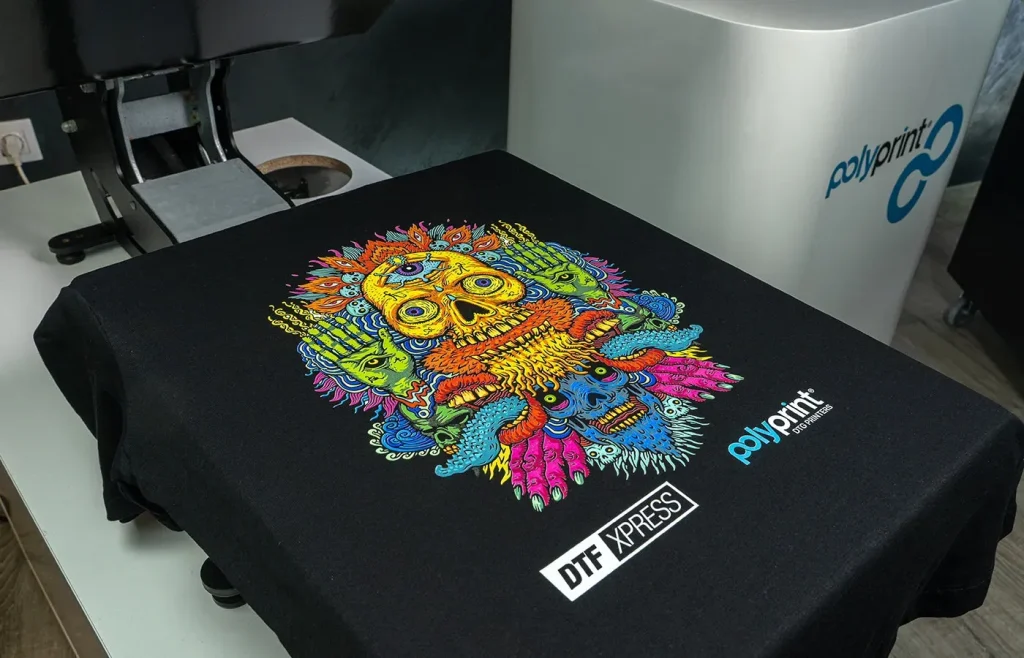
DTF printing, or Direct-to-Film printing, is revolutionizing the custom apparel industry by making it easier than ever for hobbyists and entrepreneurs to produce stunning designs. This innovative printing method allows you to create vibrant, high-quality graphics on various fabrics from the convenience of your home workshop. As more individuals delve into the world of DTF, knowing how to start DTF printing is crucial, including understanding the necessary DTF printing equipment and mastering the DTF printing process. Whether you’re looking to create a unique wardrobe or launch a custom apparel business, grasping these fundamentals will set you on the path to success. Get ready to explore the endless possibilities that DTF printing has to offer!
Direct-to-Film (DTF) printing represents a cutting-edge technique in the realm of textile printing, allowing creators to transfer intricate designs onto fabrics with ease. This method, often embraced by crafters and small retailers, utilizes a unique film application to achieve exceptional color richness and detail. With a focus on equipment and workflow setup, those interested in starting their journey in this area will benefit from understanding essential steps and tools. Whether you’re initiating your own creative project at home or establishing a print business, mastering DTF printing can lead to impressive results in custom clothing and accessories. Engaging with this growing community not only enhances skills but also fosters creativity in designing one-of-a-kind apparel.
Understanding DTF Printing: A Beginner’s Guide
Direct-to-Film (DTF) printing is quickly becoming one of the most popular methods for producing custom apparel. Unlike traditional methods, DTF printing allows for high-quality, vibrant designs printed directly onto film that can be easily transferred onto various fabrics. To achieve optimal results, it’s essential to understand the unique aspects of DTF printing. The process involves using specifically formulated inks that are transferred onto a special film, then adhered to the fabric using heat. This method opens up countless opportunities for customization and expression in garment design.
For beginners, grasping the intricacies of DTF printing can feel overwhelming. Starting with the right equipment is paramount, including a capable printer and DTF-compatible inks. Choosing the right transfer film is also essential to ensure successful adhesion and vibrant colors. As you delve into the DTF printing process, you’ll appreciate its capacity for detail and color reproduction, making it a favored option among DIY enthusiasts and small business owners looking to create unique apparel.
Essential Equipment for DTF Printing
When embarking on your DTF printing venture, having the right equipment is vital. At the heart of your setup needs to be a suitable printer. While some may opt for dedicated DTF printers, many find success using modified inkjet printers—particularly Epson models. These printers must be compatible with DTF inks, which are formulated to provide bright and long-lasting colors on fabric. In addition to a printer, you’ll need transfer films specifically designed for DTF applications, which play a crucial role in the quality of your prints.
Beyond printers and films, adhesive powder is an indispensable component of the DTF printing process. This hot melt adhesive is essential for ensuring your designs stick to the fabric after the transfer. Lastly, investing in a high-quality heat press is necessary for achieving professional results. Proper heat and pressure during the transfer stage can significantly impact the longevity and vibrancy of your printed designs.
Setting Up Your Home Workshop for DTF Printing
Creating an efficient workspace is a critical step in the DTF printing process. Choose a clean, organized area within your home workshop that offers ample ventilation and sufficient space for all your equipment. It’s important to ensure that your workspace is well-illuminated to make the design and printing process easier. Dust-free areas are ideal for preventing contamination of your prints, which can ruin the final product and waste valuable materials.
After selecting your workspace, you will need to focus on printer setup. If you’ve modified an existing inkjet printer, it’s crucial to follow reliable setup guides for calibration and configuration. Ensuring that your printer is correctly aligned will help prevent issues such as misprints or color discrepancies, which can lead to frustration and wasted supplies. Setting up your workspace thoughtfully will contribute to a smoother DTF printing experience, enhancing creativity and productivity.
Design Preparation for DTF Printing
To create eye-catching designs using DTF printing, preparation is key. Start by utilizing graphic design software capable of handling high-resolution images and supporting various file formats. Formats such as PNG and TIFF are ideal, as they allow for high-quality graphics with transparent backgrounds, which is crucial for the DTF transfer process. Focusing on color accuracy and resolution will ensure your designs maintain their vibrancy and clarity when printed.
While designing, it’s also important to consider the fabric you plan to use, as different materials may impact the print’s appearance. Experimenting with different design styles, color combinations, and patterns can lead to unique textile creations, cementing your identity in the custom apparel market. Keeping design specifications aligned with DTF printing requirements will equip you to produce high-quality, professional-looking garments.
Navigating the DTF Printing Process
Understanding the DTF printing process is fundamental to achieving satisfying results. The steps begin with printing your design onto the transfer film, where you must ensure it is mirrored accurately to maintain the correct orientation upon transfer. Right after printing, sprinkle the adhesive powder while the ink remains wet; this ensures that the powder adheres well to the design. Each step is crucial—if skipped or performed incorrectly, it could lead to poor adhesion and failed transfers.
The curing of the adhesive powder is the next crucial phase. Utilizing a curing oven or a heat press for melting the adhesive powder ensures that it properly bonds with the ink. Once cured, you’re ready to transfer your print onto the chosen fabric. Position the film carefully on the material, then apply heat using your heat press to achieve a clean transfer that highlights the vibrancy of your design. Mastering these processes will empower you to produce stunning custom apparel efficiently.
Maximizing Results: Tips and Tricks for DTF Printing
To get the most out of your DTF printing endeavors, it’s essential to be ready for experimentation. Each fabric type may require specific printer settings and heat press pressures to optimize print quality. Transitioning from basic projects to more complex designs will allow you to learn what works best for each material, enabling you to fine-tune your technique over time. Don’t hesitate to document your adjustments and outcomes; this learning strategy will benefit future projects.
Investing in high-quality materials is another vital tip for achieving incredible results with DTF printing. While it may be tempting to go for cheaper options, using quality transfer films and inks ultimately pays off in terms of print integrity and durability. High-quality materials increase the vibrancy and longevity of your designs, ensuring that the garments you produce stand out in both appearance and performance.
Frequently Asked Questions
How do I start DTF printing at home?
To start DTF printing at home, first gather the essential equipment, which includes a DTF printer or a modified inkjet printer, DTF-compatible inks, transfer films, adhesive powder, and a heat press. Set up your workspace in a clean and ventilated area, configure your printer properly, and use graphic design software to prepare your designs. Finally, follow the DTF printing process to create custom apparel.
What equipment do I need for home workshop DTF printing?
For home workshop DTF printing, you need several key pieces of equipment: a DTF printer or a converted inkjet printer, DTF-compatible inks, DTF transfer films, hot melt adhesive powder, and a reliable heat press. This setup will enable you to print and transfer high-quality designs onto various fabrics.
Can I create custom apparel with DTF printing?
Yes, DTF printing is perfect for creating custom apparel. This method allows you to print vibrant and detailed designs on a variety of fabric types, including cotton and polyester. The DTF printing process ensures that your custom designs adhere well and maintain high quality.
What is the DTF printing process like?
The DTF printing process involves several steps: first, you print your design onto a special transfer film in a mirrored format. Then, apply adhesive powder while the ink is wet. Next, cure the powder with heat, and finally, transfer the design onto your fabric using a heat press. This method results in bright and intricate prints.
What are the costs associated with starting DTF printing?
Starting DTF printing involves an initial investment, which can range from several hundred to thousands of dollars depending on the quality of your printer, inks, films, and other supplies. While the upfront costs can be significant, the potential for profitability in custom apparel production can make it a worthwhile investment.
Are there online resources for learning about DTF printing?
Yes, there are many online resources available for learning about DTF printing. Websites like Printavo and DTF SuperStore provide guides, forums, and communities where you can find valuable information, troubleshoot issues, and connect with other DTF printing enthusiasts to enhance your skills.
| Key Points | Description |
|---|---|
| What is DTF Printing? | A printing method where designs are printed on a special film and transferred to fabric using heat and adhesive. |
| Essential Equipment | Includes a DTF printer or modified inkjet, DTF inks, transfer film, adhesive powder, and a heat press. |
| Workspace Setup | Choose a clean, ventilated area with enough room for equipment and organize for efficiency. |
| Preparing Designs | Use graphic design software; preferred file formats include PNG and TIFF. |
| Printing Process | Print in mirror image, apply adhesive powder, cure the powder, then transfer to fabric with a heat press. |
| Tips for Results | Experiment with settings for different fabrics; use high-quality materials for optimal prints. |
| Cost Considerations | Initial investments can range from hundreds to thousands, but profitable in high-volume production. |
| Community Resources | Join online communities like Printavo and DTF SuperStore for support and resources. |
Summary
DTF printing is a fascinating and innovative method that enables you to produce custom apparel right from your home workshop. By familiarizing yourself with the required equipment and mastering the design process, you can tap into a rewarding and creative hobby or even start a small business. As you explore the possibilities of this technique, you’ll discover that DTF printing not only facilitates vibrant and detailed designs but also provides an avenue for personal expression and entrepreneurial success.