
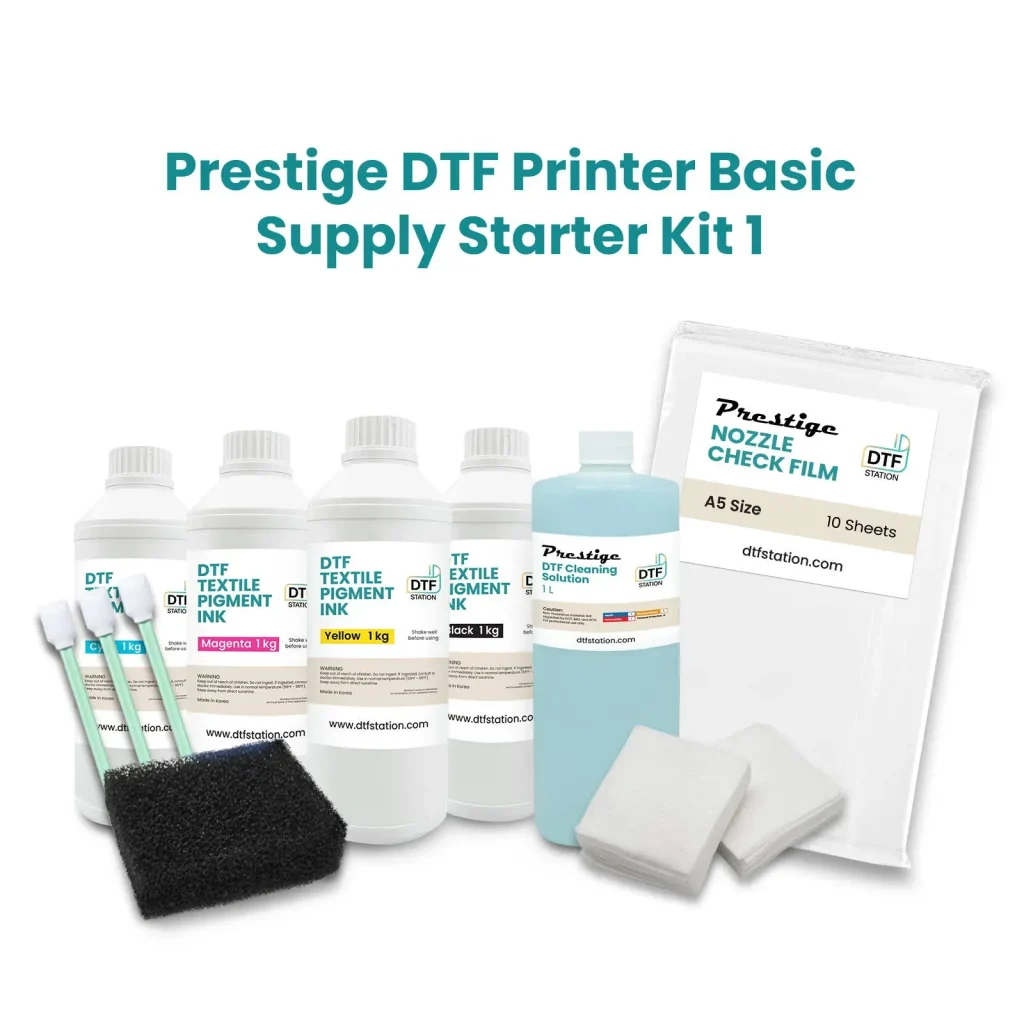
DTF Supplies are essential for any serious print shop venturing into Direct-to-Film (DTF) printing, a technology celebrated for its ability to produce vibrant, detailed prints on various fabric types. Whether you’re a seasoned professional or just starting out, understanding the best DTF printers, top-quality DTF inks, and reliable transfer films is crucial to achieving outstanding results. These supplies not only impact the aesthetic quality of your designs but also their durability, ensuring your creations withstand the rigors of washing and wear. Additionally, using premium adhesive powders in combination with high-performance curing equipment will significantly enhance your print quality. This article delves into the important factors to consider when selecting your DTF supplies, setting you on the path to success in the competitive world of DTF printing.
Exploring the essentials of DTF printing means diving into the realm of Direct-to-Film supplies. This modern printing technique requires specific materials like high-grade transfer films, specialized inks, and durable adhesives to ensure vibrancy and longevity in designs. Selecting the best printers for this process is pivotal, as advanced inkjet technology enhances the precision of color application. Furthermore, a thorough understanding of the adhesive powders and curing equipment available can vastly improve the quality of the finished product. By using the right tools and materials, you set the stage for outstanding fabric prints that captivate and endure.
The Importance of Choosing the Best DTF Printers
When it comes to DTF printing, selecting the best printer is paramount for quality output. The DTF printers are not just conventional inkjet machines, but engineered specifically for the unique demands of the DTF process. They utilize specialized water-based DTF inks that provide vibrant colors while ensuring longevity and high fidelity in transfers. Notable brands like Epson and Roland have mastered this technology, delivering printers renowned for their precision and reliability in various printing scenarios.
Moreover, the size and versatility of DTF printers can significantly influence operational efficiency. For example, A3 size printers are increasingly favored by smaller businesses due to their capacity to produce high-quality prints without the need for large equipment investments. This capability allows print shops to manage their workflow effectively while still delivering stunning, high-resolution images that cater to different fabric types.
DTF Inks: Key to Color and Clarity
The choice of DTF inks directly affects the quality of prints and their longevity on fabric. These inks are designed to enhance color vibrancy and durability, making them an essential component of the DTF printing process. High-quality, water-based inks from reputable brands are recommended to avoid issues like clogging, which can impede the printing process and lead to unsatisfactory results. Innovations in DTF inks, particularly in 2024, are focused on enhancing color fastness, allowing prints to withstand multiple washes without losing their visual appeal.
Furthermore, advancements in adhesion characteristics of DTF inks have been evolving, ensuring better compatibility with various fabric types. As new formulations emerge, they offer improved bonding capabilities without altering the breathable feel of textiles. This is especially beneficial for fashion applications where comfort is as important as aesthetics, making the right ink choice critical to the success of your prints.
Transfer Films: Selecting the Right Type for Best Results
Transfer films serve as the canvas upon which your designs are printed in the DTF process. The selection between transparent and white transfer films can significantly affect the outcome of your prints. Transparent films are often used for designs that require a clean, subtle finish, while white films provide vibrant color backgrounds that can enhance the overall design, especially on darker fabrics. Understanding the compatibility of these films with different materials, such as cotton or polyester blends, is crucial in mitigating risks like peeling or fading after transfers.
Recently developed transfer films exhibit enhanced adhesion, promoting a more robust bond between the ink and the fabric. This stability is crucial for producing durable prints that can withstand multiple washes and everyday wear. As the DTF technology continues to advance, these films not only improve in flexibility but also in their capacity to maintain the integrity of the print, ensuring that your designs remain as vivid and bright as they were on completion.
Enhancing Adhesion with Quality Adhesive Powders
Adhesive powders are an integral part of the DTF printing process, as they create a strong bond between the printed design and the fabric substrate. When applied correctly, these powders activate during the heat transfer process, melting and ensuring a permanent bond. The quality of adhesive powder you choose can significantly influence the final product’s longevity and durability. Opting for high-quality powders that offer consistent performance is crucial for reducing failures in adhesion.
Recent innovations have led to the development of adhesive powders designed to enhance print quality and permanence. These new formulations are crafted to ensure that prints withstand rigorous conditions without deterioration. As the demand for durable DTF prints increases, staying abreast of advancements in adhesive technology can be key to maintaining competitive edge in the printing business.
Choosing Between Heat Presses and Curing Ovens
The choice of curing equipment in DTF printing requires thoughtful consideration, as both heat presses and curing ovens offer distinct advantages. Heat presses are widely favored for their accessibility and efficiency, providing digital temperature controls that help maintain the optimal conditions for curing prints. This consistency is crucial, as even minor temperature fluctuations can impact the quality of the final design.
Curing ovens, on the other hand, are ideal for larger production runs where efficiency and uniformity are paramount. They offer the flexibility to manage multiple items at once, ensuring each piece receives adequate time and heat for proper curing. As technology evolves, the functionality of both heat presses and curing ovens continues improving, incorporating features that enhance usability and reliability in achieving high-quality prints.
Optimizing Designs with Graphic Design Software
Investing in reliable graphic design software is essential for producing high-quality DTF-ready artwork. Software such as Adobe Illustrator and CorelDRAW is popular among graphic designers for its robust features that allow for intricate design capabilities compatible with DTF printing requirements. These programs enable users to create vector designs that translate beautifully on various fabrics, ensuring accuracy in color and detail.
Emerging dedicated DTF design software tools are also hitting the market, focusing on streamlining the design process specifically for DTF. These tools help designers optimize artwork for print efficiency, minimizing wasted materials and enhancing productivity. By leveraging these advancements in graphic design software, users can maximize their output quality and efficiency, paving the way for successful DTF printing endeavors.
Frequently Asked Questions
What are the essential DTF supplies needed for successful printing?
To succeed in DTF printing, essential supplies include a high-quality DTF printer, DTF inks, transfer films, adhesive powders, and curing equipment such as a heat press or curing oven. These components work together to create vibrant and durable prints on various fabrics.
How do I choose the best DTF printer for my business?
When selecting the best DTF printer, consider factors such as print size, ink type, and brand reputation. Leading brands like Epson and Roland offer reliable models that utilize inkjet technology, providing precise color application essential for high-quality prints in DTF printing.
What types of DTF inks should I use for optimal results?
For optimal results in DTF printing, choose water-based DTF inks that are known for their rich colors and reduced clogging. Reputable brands focusing on color fastness and adhesion properties ensure that your prints remain vibrant even after multiple washes.
What are transfer films and how do they affect DTF printing quality?
Transfer films play a crucial role in DTF printing by providing a surface treated with a polymer layer that enhances ink adhesion. Choosing the right type, whether transparent or white, is essential, as newer films often offer improved adhesion and durability, minimizing peeling and fading.
Why is adhesive powder important in the DTF printing process?
Adhesive powder is vital in DTF printing because it creates a strong bond between the printed design and the fabric. By sprinkling high-quality adhesive powder on wet ink before curing, you ensure that the print adheres permanently to the substrate, enhancing the durability of your designs.
What equipment do I need for curing DTF prints effectively?
Effective curing of DTF prints requires either a heat press or a curing oven. Both options should be used with precision settings for temperature and timing, as modern heat presses may come with features like digital controls, ensuring maximum consistency and quality in prints.
| Key Aspects | Details |
|---|---|
| Understanding DTF Printers | DTF printers utilize specialized inkjet technology with specific DTF formulation for precise color application. Brands like Epson and Roland are recommended. |
| Choosing the Right DTF Inks | Water-based inks that offer vibrant colors and longevity. Quality is crucial with newer inks enhancing color fastness. |
| Selecting Transfer Films | Two main types: transparent and white, designed for enhanced adhesion and durability with various fabrics. |
| Understanding Adhesive Powder Requirements | High-quality adhesive powder is essential for strong bond formation during curing. |
| Curing Equipment: Heat Press vs. Curing Oven | Must ensure correct temperature and timing; modern heat presses provide digital controls for accuracy. |
| Graphic Design Software | Essential for creating DTF-ready designs; software like Adobe Illustrator is widely used. |
Summary
DTF Supplies are essential for achieving high-quality prints in the ever-evolving field of Direct-to-Film printing. To excel in this printing process, one must carefully select quality components such as specialized printers, vibrant water-based inks, appropriate transfer films, reliable adhesive powders, and efficient curing methods. By doing so, you not only enhance the durability of your designs but also maximize their visual appeal. Investing in top-notch DTF Supplies and staying updated with the latest trends can significantly impact your success in delivering beautiful, lasting prints.