
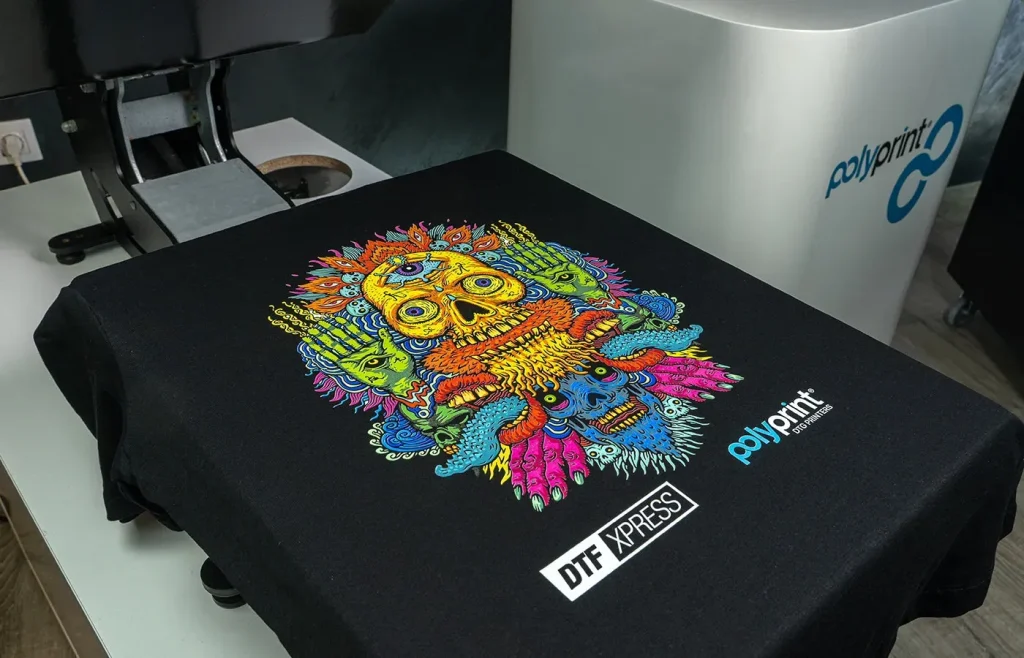
DTF printing, or Direct-to-Film printing, is rapidly becoming a game changer in the realm of custom apparel. This cutting-edge technology allows for vibrant and durable designs to be transferred onto a variety of fabrics, making it an ideal choice for creating customized clothing. As consumers increasingly demand personalized fashion options, DTF printing offers a sustainable solution that caters to diverse style preferences. Its ability to produce high-quality prints quickly and cost-effectively positions it as a leader among apparel printing techniques. Join us as we explore the advantages and innovations surrounding DTF printing that are revolutionizing the custom apparel industry.
Known as Direct-to-Film printing, this innovative method of apparel decoration is redefining the way we think about customized clothing. By using specialized transfer films, brands can achieve intricate designs on various fabric types, enhancing their custom apparel offerings. This approach not only ensures high-quality results but also supports sustainable printing practices that resonate with today’s environmentally conscious consumers. From fashion startups to established clothing lines, the efficacy of this technique in producing eye-catching and durable prints is leading the way in apparel printing techniques. Let’s delve deeper into how DTF printing is shaping the future of personalized fashion.
Understanding DTF Printing Technology
Direct-to-Film (DTF) printing is a groundbreaking technique that has fundamentally transformed how custom apparel is produced. It involves printing designs on a specialized transfer film, which contains a unique coating that allows for vibrant colors and intricate detailing. The process is distinct from traditional printing methods like Direct-to-Garment (DTG), providing a more versatile solution for a wide range of fabrics. DTF printing does not only cater to cotton shirts; it works seamlessly across various materials, including polyester and cotton-poly blends, making it an excellent choice for manufacturers targeting diverse markets.
The technology behind DTF printing integrates advanced printer mechanics and eco-solvent inks, which contribute to its high-quality output. This method captures the intricate details of designs while ensuring that colors remain bright and durable over time. As more apparel businesses adopt this innovation, they can meet consumer demands for customized clothing that remains vibrant even after repeated washing, thereby enhancing customer satisfaction and brand loyalty.
The Advantages of DTF Printing in Custom Apparel
DTF printing stands out in the apparel printing landscape primarily due to its remarkable advantages. One key benefit is its cost-effectiveness. For businesses just starting with small to medium production runs, DTF eliminates the hefty setup fees associated with screen printing. This allows brands to create unique designs without the financial burden, facilitating easier entry into the competitive custom apparel market.
Additionally, DTF printing offers exceptional durability. The adhesive used in the process forms a strong bond with the fabric, ensuring that the printed designs withstand wear and tear. This feature is particularly appealing for customers seeking high-quality apparel, as it guarantees that the vibrant images and text will not fade or peel off easily. Therefore, DTF becomes a go-to approach for brands aiming to enhance their reputation for reliability and quality.
Eco-Friendly Practices in DTF Printing
As the push for sustainability increases across industries, DTF printing is stepping up to meet these eco-friendly demands. Many manufacturers are now integrating environmentally responsible practices by utilizing eco-conscious inks and materials. These innovations help reduce the carbon footprint of the printing process, providing a compelling selling point for companies targeting environmentally-aware consumers.
The rise of sustainable printing options aligns seamlessly with the shift toward personalized fashion. As buyers become more inclined to choose brands that demonstrate their commitment to the environment, DTF printing stands out as a viable solution. By opting for this method, apparel creators not only contribute to the environment but also attract a growing market of sustainability-minded customers.
Market Growth of DTF Printing
The DTF printing market is currently experiencing significant growth, fueled by the increasing demand for personalized custom apparel. Recent market analyses reveal a trend where consumers are gravitating towards unique, tailored products that reflect their individual style, directly impacting production decisions. This increasing interest in custom clothing empowers businesses to adopt DTF printing as a primary solution for meeting these evolving consumer preferences.
Furthermore, the willingness of consumers to invest in high-quality, customized items creates a lucrative opportunity for businesses. DTF printing facilitates lower production runs without sacrificing the quality that today’s shoppers expect. As market trends continue to evolve, businesses that adapt to these changes by harnessing DTF printing will likely find themselves at a competitive advantage, positioning them favorably in the vibrant landscape of custom apparel.
Technological Innovations Enhancing DTF Printing
DTF printing technology is on the rise, with rapid advancements enhancing both the printing process and the quality of the final products. Modern printer technologies now offer higher resolutions and faster speeds, allowing manufacturers to keep pace with consumer demand without compromising print quality. Innovations in transfer films also contribute to the improvements seen in the DTF process, ensuring that designs not only look great but also apply seamlessly to a variety of fabric types.
Additionally, recent advancements have led to improved compatibility of DTF printing with various design software, making it more accessible for designers and printers alike. This increased integration streamlines the workflow from conception to production, giving apparel creators the tools they need to produce outstanding customized clothing in a more efficient manner. As the technology continues to evolve, DTF printing remains at the forefront of the industry, revolutionizing the way custom apparel is produced.
Shaping the Future of Custom Apparel with DTF Printing
With DTF printing gaining traction in the custom apparel market, the future appears bright for this innovative process. As trends shift towards personalization and sustainability, businesses that incorporate DTF printing into their production strategies are likely to prosper. This method not only meets consumer demands for durable and vibrant designs but also advocates for responsible manufacturing practices.
Brands that focus on leveraging DTF printing stand to lead the charge in the evolution of fashion towards more unique and eco-friendly options. As consumers increasingly seek out customized clothing that reflects their individuality while also aligning with their values, the flexibility and quality offered by DTF printing will undoubtedly shape the next generation of apparel.
Frequently Asked Questions
What is DTF printing in custom apparel?
DTF printing, or Direct-to-Film printing, is a revolutionary method for transferring designs onto fabrics like cotton and polyester. It uses special transfer films and eco-solvent inks, making it an innovative choice for creating customized clothing with vibrant prints.
What are the benefits of using DTF printing for customized clothing?
The benefits of DTF printing include versatility across various fabric types, high vibrancy and quality of prints, and cost-effectiveness, especially for small production runs. This makes it ideal for businesses looking to produce personalized apparel without substantial upfront costs.
How does DTF printing compare to traditional apparel printing techniques?
DTF printing offers greater flexibility than traditional techniques like Direct-to-Garment (DTG) and screen printing. It can print on a wider range of materials and produces long-lasting, vibrant designs, making it preferable for custom apparel manufacturers.
Is DTF printing a sustainable option for custom apparel?
Yes, DTF printing can be a sustainable option as it uses eco-friendly inks and adherents. Many manufacturers are now adopting sustainable practices, responding to consumer demands for environmentally-conscious custom clothing solutions.
Can DTF printing be used for on-demand custom apparel production?
Absolutely! DTF printing is particularly suited for on-demand custom apparel production due to its ability to produce high-quality prints quickly and efficiently. This approach allows businesses to cater to individual customer preferences with minimal waste.
What advancements are being made in DTF printing technology?
Advancements in DTF printing technology include improved printer resolution and speed, as well as the development of high-quality transfer films. These innovations enhance the printing process, enabling brands to meet increasing demands for customized clothing while maintaining quality.
| Key Point | Description |
|---|---|
| What is DTF Printing? | A method transferring designs onto clothing using coated transfer films, suitable for various fabric types. |
| Advantages of DTF Printing | 1. Versatility – Works on multiple fabric types. 2. High Vibrancy and Quality – Produces vibrant, durable prints. 3. Cost-Effectiveness – More economical for small production runs. |
| Market Growth | Increasing demand for personalized apparel and shorter production runs is fueling the DTF printing market growth. |
| Technological Innovations | Advancements in printer technology and eco-friendly practices are enhancing DTF printing capabilities and sustainability. |
Summary
DTF printing is revolutionizing the custom apparel landscape by offering manufacturers a versatile, vibrant, and cost-effective solution for creating personalized fashion. As this innovative printing method gains traction, it enables businesses to cater to a growing demand for unique custom designs while also emphasizing sustainability. With its ability to work across various fabric types, produce high-quality prints, and keep costs manageable, DTF printing is poised to play a crucial role in shaping the future of fashion. By leveraging technological advancements and eco-friendly practices, brands embracing DTF can not only meet consumer preferences but also position themselves as leaders in the sustainable fashion movement, creating a stylish and responsible apparel industry.