
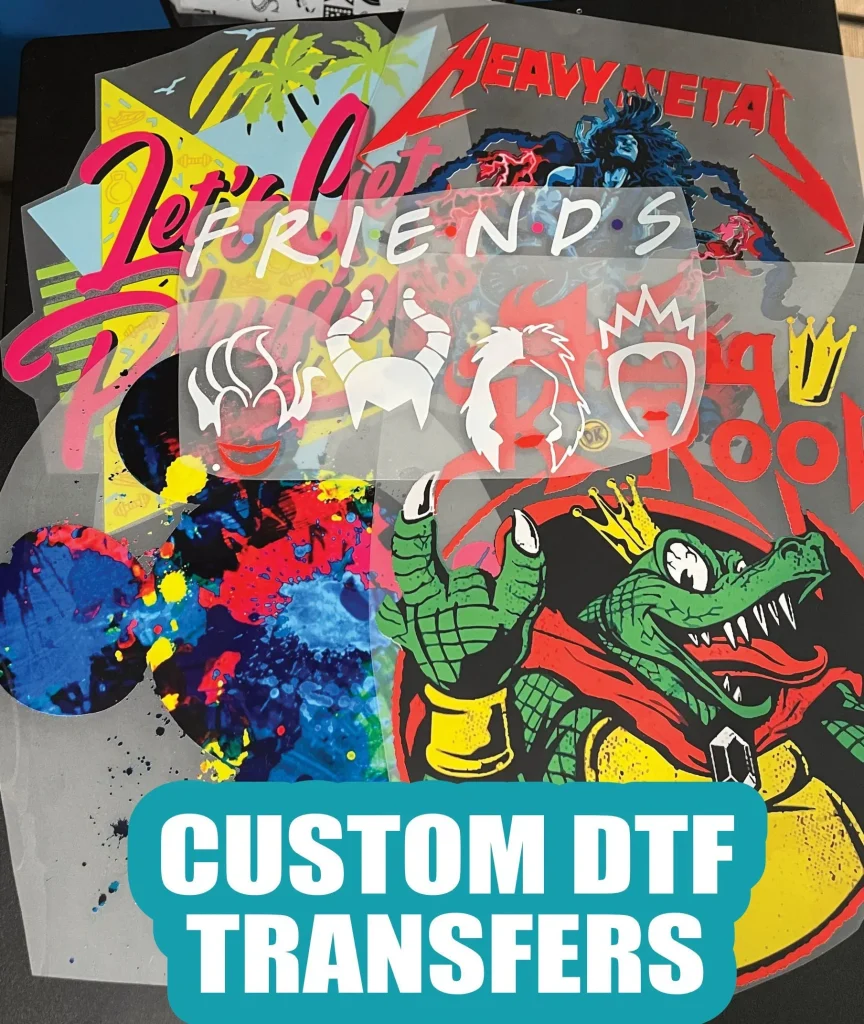
DTF Transfers, or Direct-to-Film transfers, are disrupting the garment printing landscape, providing innovative solutions that outshine traditional printing methods. This revolutionary process involves printing designs onto a special film, which can then be applied to a wide variety of fabrics with impressive results. DTF printing not only boasts unmatched versatility, allowing it to handle different materials effortlessly, but also offers a cost-effective alternative for custom apparel printing. As the DTF market trends suggest, an increasing number of businesses are leveraging DTF transfer advantages to meet diverse customer demands. In this guide, we will explore the details of the DTF printing process, its key benefits, and the exciting developments shaping its future.
Direct-to-Film transfers, commonly referred to in the industry as DTF film printing, signify a groundbreaking shift in how designs are applied to textiles. This method excels in creating vibrant and durable prints on various garments, catering to both small-scale custom projects and larger commercial runs. What’s more, the DTF printing technique stands out for its adaptability, effectively overcoming the limitations often faced by traditional printing approaches. With a closer look at the DTF printing process, we’ll uncover how this technology is shaping the future of custom garment decoration and meeting the evolving needs of businesses in the competitive apparel sector. Join us as we delve into the myriad advantages DTF offers and the trends currently defining this dynamic market.
Understanding the DTF Printing Process
The DTF (Direct-to-Film) printing process begins with high-quality film and DTF-specific inks. The first crucial step involves using an inkjet printer to carefully transfer vibrant designs onto a specialized transfer film. This process ensures that colors are vivid and detailed, which is essential for creating eye-catching custom apparel. Once printed, the film is treated with a unique adhesive powder that helps the design bond firmly to various fabric types during the heat transfer process. This pre-treatment allows for greater versatility in design applications, accommodating everything from cotton to dark polyester fabrics.
Following the adhesive application, the film undergoes a heat application phase that causes the adhesive to melt. This melting action facilitates the transfer of the design onto the fabric, ensuring a seamless and durable finish. The final application stage is equally important, as it requires maintaining the right temperature and pressure for optimal results. This well-structured process not only enhances the aesthetic appeal of the garment but also boosts its longevity, making DTF transfers an advantageous choice for both personal and commercial printing needs.
Advantages of DTF Transfers in Custom Apparel
One of the most compelling advantages of DTF transfers is their adaptability to a wide range of fabrics. Unlike traditional screen printing methods, which can struggle with colors and fabric types, DTF printing excels. This versatility allows businesses to cater to a clientele that demands customization across different garment specifications, be it light or dark-colored attire. As a result, DTF transfers are ideal for fashion brands seeking to offer diverse product lines or for small businesses looking to enter the custom apparel market.
Additionally, DTF printing proves to be a cost-effective solution, particularly when dealing with small order quantities. The reduced setup times and lower labor costs associated with DTF transfers significantly lower the financial barrier for startups or individual designers. This affordability increases accessibility, enabling budding entrepreneurs to experiment with unique designs without the fear of substantial upfront costs. Consequently, DTF printing plays a crucial role in democratizing the custom apparel industry.
The Innovations Transforming DTF Technology
The DTF printing landscape is continuously evolving, with new innovations aimed at enhancing the print experience and sustainability. For instance, advancements in ink formulations have led to the development of ultra-durable inks that minimize fading and maximize the lifespan of printed designs. Additionally, the enhancement of transfer films has improved adhesion properties, ensuring designs remain intact even after numerous washes. This focus on durability not only appeals to consumers but also reinforces the reliability of DTF printing in competitive markets.
Sustainability is another critical area where DTF technology is making strides. Many manufacturers are shifting towards eco-friendly practices, incorporating sustainable inks and recyclable films into their production processes. These innovations not only meet the increasing demand for environmentally responsible printing methods but also help businesses align with consumer preferences for green products. Such initiatives can significantly enhance a brand’s image, appealing to eco-conscious consumers who prioritize sustainability in their purchasing decisions.
Current Market Trends in DTF Printing
The current market trends highlight a significant shift towards the adoption of DTF printing technology among custom shops and apparel manufacturers. Reports indicate that as more businesses recognize the efficiency and adaptability of DTF printing, its popularity continues to rise. This growth is largely driven by the increasing consumer demand for short-run productions and personalized garments, which align perfectly with the capabilities of DTF transfers. Brands are eager to meet these demands, reinforcing DTF’s role in the custom printing market.
Additionally, the trend towards customization in the fashion industry places DTF printing in a prime position to thrive. The ability to produce unique designs quickly and efficiently gives retailers a competitive edge, allowing for rapid responses to market trends and customer preferences. As the DTF market matures, businesses are expected to leverage this printing technology to not only enhance product offerings but also to strengthen customer engagement through personalized apparel solutions.
Why Choose DTF Over Other Printing Methods?
When comparing DTF transfers against other printing methods, such as screen printing or direct-to-garment (DTG) printing, DTF clearly holds several advantages. Firstly, its adaptability to various fabric types—able to handle everything from light cotton to heavy blends—grounds it as a superior choice for custom apparel printing. This versatility allows businesses to broaden their product offerings, appealing to diverse customer demographics that seek unique designs across a range of base materials.
Moreover, DTF printing streamlines the production process, giving it a distinct edge over the more labor-intensive screen printing setups. Businesses can quickly fulfill small orders without incurring high setup costs, ultimately leading to increased profits and improved customer satisfaction. This efficient turnaround is a vital selling point, especially in environments where speed and customization are imperative.
Future of DTF Transfers in the Apparel Industry
As the apparel industry continues to evolve, the future for DTF transfers looks very promising. The increasing emphasis on personalization and unique branding experiences bodes well for DTF technology, particularly as advancements in printing materials and techniques become more prevalent. Companies that embrace DTF printing are likely to stay ahead of the curve by offering products that resonate with the contemporary market landscape which favors individuality and self-expression.
Furthermore, ongoing innovations in eco-friendly practices related to DTF will play a crucial role in sustaining its growth. As consumers become more environmentally conscious, businesses adopting sustainable printing methods will differentiate themselves in a crowded market. By investing in green technologies alongside DTF processes, companies can appeal to a growing segment of consumers prioritizing sustainability. Ultimately, DTF transfers are positioned to become central to the future strategies of clothing brands looking to thrive in an increasingly competitive marketplace.
Frequently Asked Questions
What are the main advantages of DTF Transfers for custom apparel printing?
DTF Transfers offer several advantages for custom apparel printing, including versatility across various materials, cost-effectiveness for small production runs, and ease of use for beginners. Unlike other methods, DTF printing easily adapts to both light and dark fabrics, ensuring vivid color reproduction and adherence, making it a preferred choice for many printing businesses.
How does the DTF printing process work?
The DTF printing process involves three key steps: first, designs are printed onto a specialized transfer film using DTF-specific inks. Next, an adhesive powder is applied to the wet design, and the film is heated to bond the adhesive to the ink. Finally, this film is placed on fabric and heat pressed, resulting in a vibrant, durable transfer.
Can DTF Transfers be used on various fabric types?
Yes, DTF Transfers can be applied to a wide variety of fabric types, including cotton, polyester, and blends. This versatility allows for effective printing on diverse garments, from t-shirts to hoodies, making DTF an excellent solution for custom apparel printing across different projects.
What makes DTF Transfers more cost-effective than other printing methods?
DTF Transfers are more cost-effective particularly for small runs because they avoid the high setup costs associated with screen printing or direct-to-garment (DTG) printing. This makes DTF printing ideal for custom orders where a large volume isn’t required, allowing for more accessible pricing.
What recent innovations are influencing DTF Market Trends?
Recent innovations in the DTF market include the development of improved inks and films that enhance durability and adhesion. Additionally, sustainability initiatives are becoming prevalent, with manufacturers focusing on eco-friendly inks and recyclable films, which reflect a growing demand for environmentally responsible printing practices.
Are DTF Transfers suitable for beginners in garment printing?
Absolutely! DTF Transfers are known for their user-friendly process, making them accessible for beginners and small businesses. With minimal training necessary, aspiring garment printers can quickly adopt DTF technology to produce high-quality custom apparel efficiently.
| Key Point | Details |
|---|---|
| Introduction | DTF printing revolutionizes garment printing with unique advantages over traditional methods. |
| What are DTF Transfers? | A method where designs are printed on a special film then transferred to fabrics, suitable for various materials. |
| Process of DTF Printing | 1. Film Printing, 2. Adhesive Application, 3. Heat Transfer, 4. Final Application. |
| Advantages Over Other Methods | Versatility, Cost-Effectiveness, Ease of Use. |
| Recent Innovations | Improved inks and films, sustainability initiatives in manufacturing. |
| Market Trends | Growing demand for short-run custom productions highlights DTF’s relevance in the industry. |
Summary
DTF Transfers are transforming the apparel printing industry with their remarkable advantages, making them a highly efficient and versatile choice for custom designs. This innovative printing method not only allows for vibrant and durable prints on a variety of fabrics but also offers significant cost savings and ease of use, making it accessible for businesses and individuals alike. As sustainability and technological advancements continue to shape the future of garment printing, DTF transfers are positioned to lead the market, catering to the increasing demand for unique and personalized apparel. Whether for personal use or commercial production, DTF provides an optimal solution that combines quality and efficiency.