
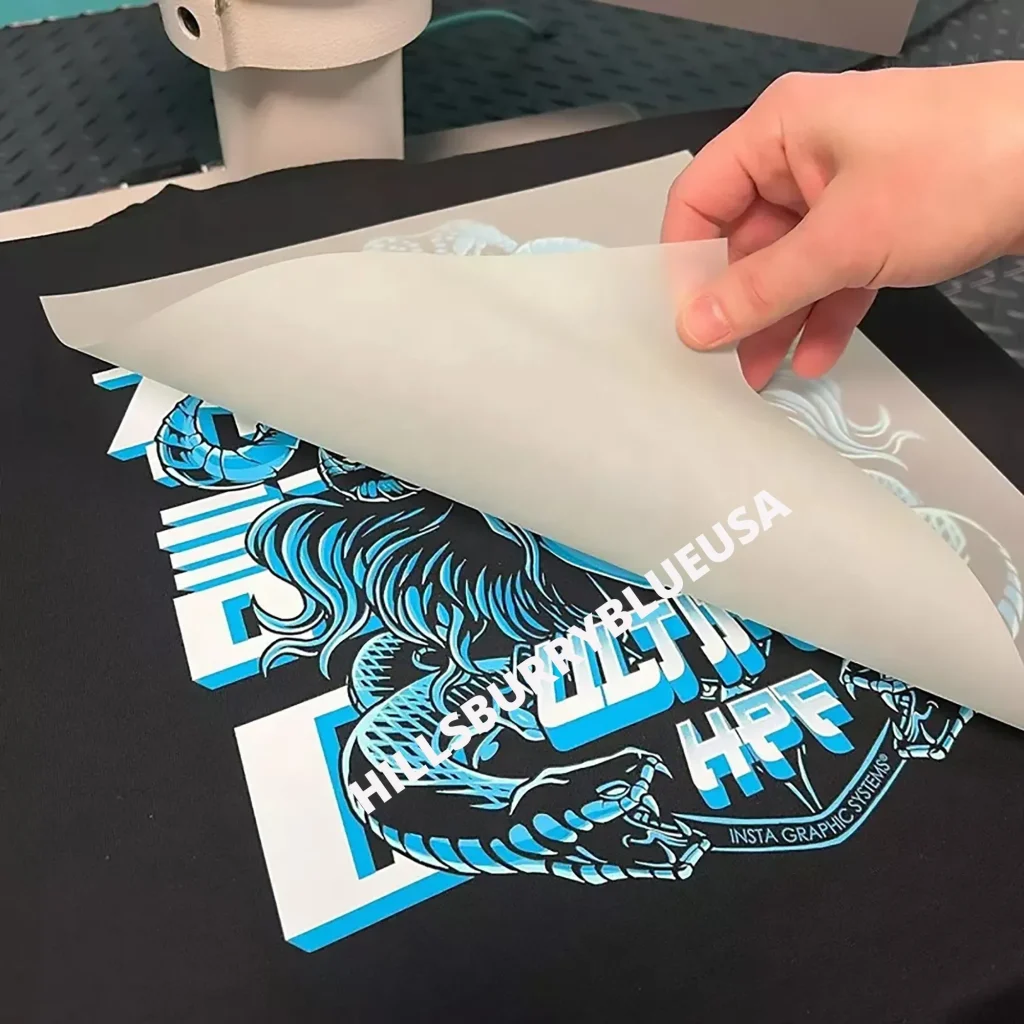
DTF transfers, or Direct-to-Film transfers, are transforming the landscape of custom apparel printing, revolutionizing the way designs are transferred onto fabrics. This innovative printing technique utilizes a specialized DTF printing process that allows for sharp, vibrant images to be applied to a variety of materials with ease. For newcomers to the world of fabric printing, understanding the fundamentals of DTF transfers is crucial as they offer unique advantages such as durability and versatility. This beginner’s guide to DTF aims to unravel the intricacies of this method, showcasing why it is quickly becoming the go-to choice for custom apparel makers. Dive into the colorful and exciting realm of DTF printing, where creativity meets high-quality output, providing endless possibilities for all your custom designs.
In the realm of fabric printing, Direct-to-Film (DTF) technology stands out as a promising approach for creating intricate designs on garments. Often referred to as DTF printing or film transfer printing, this method enables the transfer of vibrant graphics onto various substrates with remarkable precision. As we introduce you to the essentials of this innovative process, it becomes evident why it appeals to both novice and experienced printers alike. With a focus on ease of use, affordability, and stunning results, DTF printing is increasingly being favored for custom apparel and merchandise projects. Explore the unique features and benefits of this advanced printing technique, guiding you through the steps to achieve exceptional outcomes.
Understanding the Basics of DTF Printing
Direct-to-Film (DTF) printing is a relatively new method in the realm of fabric design that merges innovative technology with traditional printing techniques. This approach operates by transferring designs from a specially treated film onto various textiles, offering both beginners and seasoned printers a new avenue for customizations. Understanding the basics of DTF printing entails exploring its distinct processes, equipment requirements, and the types of materials it can effectively print on, which allows for a broad application across different fabric types.
Unlike traditional printing methods, DTF printing uses a unique combination of water-based inks and a powder adhesive that ensure vibrant colors and durable designs. The initial phase involves printing onto a PET film, where the design is laid down sharply to capture every detail. Following this, the application of powder adhesive solidifies the bond between the ink and the fabric during the heat press phase. This efficient and innovative processing means that not only can one achieve stunning visuals, but also ensure longevity in the printed designs.
The Advantages of Choosing DTF Transfers
DTF transfers provide several compelling advantages that make them a popular choice among apparel printers. One key benefit is the superior color vibrancy produced by DTF printing, which outshines many traditional methods. Users often find that colors remain intact and striking, even after numerous washes, making DTF printing a reliable option for custom apparel that demands high-quality visuals. The durability of prints contributes to the longevity of products, appealing both to small business owners and hobbyists who aim for professional results.
Additionally, DTF printing and its cost-effectiveness for small runs set it apart from conventional practices like screen printing. Where traditional printing can require significant setup costs, DTF minimizes financial barriers for those looking to create custom designs in smaller quantities. This flexibility allows businesses to remain responsive to evolving market demands without locking them into large-volume orders. As a result, DTF presents an attractive solution for entrepreneurs wishing to enter the personalized merchandise market.
Key Equipment Needed for DTF Printing
Entering the world of DTF printing necessitates an understanding of essential equipment that guarantees successful printing outcomes. The core component is the DTF printer itself, designed to handle the specific needs of this printing method. When selecting a DTF printer, it’s essential to consider aspects such as print quality, compatibility with inks, and ease of operation to ensure it fits your printing ambitions. Investing in a reliable printer will set the foundation for producing high-quality prints consistently.
In addition to the printer, a high-quality heat press is critical for the application of DTF transfers. With varying specifications, a heat press must offer precise temperature control and enough pressure to ensure that the designs adhere effectively to fabric. Beginners should also pay close attention to the types of DTF films and powders used, as quality directly influences the outcome of prints. Sourcing the right supplies can make a significant difference in the longevity and appearance of finished products.
Applications of DTF Transfers in the Fashion Industry
The versatility of DTF transfers has opened a world of creative possibilities in the fashion industry. From t-shirt printing to the customization of bags and hats, DTF provides a means to apply intricate designs that elevate the appeal of countless products. This process works exceptionally well with various fabrics, enabling designers to expand their creative horizons while meeting customer demands for unique, personalized items.
Moreover, the application of DTF transfers isn’t limited to mere apparel; it extends to promotional merchandise as well. Depending on client needs, businesses can produce eye-catching designs that feature logos and branding in vivid detail, making DTF a prime choice for marketing campaigns. By broadening the scope of DTF printing applications, entrepreneurs can tap into diverse markets, offering products that resonate with their target audiences.
Considerations for Beginners in DTF Printing
For those new to DTF printing, there are several critical considerations to keep in mind while embarking on this creative journey. One of the most crucial aspects is understanding the learning curve associated with the equipment and techniques involved. It’s important for beginners to familiarize themselves with the calibration of printers, the application of adhesives, and how heat settings affect the transfer process. A commitment to experimentation and ongoing learning will be vital for mastering the skills required in this field.
Quality control is another essential factor for novices to prioritize. To achieve consistent results, careful monitoring of various parameters is necessary, including ink application and adhesion quality. Beginners should also seek reliable suppliers for materials, as the quality of inks, films, and powders will heavily influence the results. Joining online communities and engaging with experienced DTF printers can also provide valuable insights and troubleshooting tips to enhance their DTF printing experience.
Resources and Community Support for DTF Printers
As the DTF printing landscape continues to evolve, there is a wealth of resources available to assist beginners and experts alike in navigating this emerging field. Online platforms offer numerous tutorials, step-by-step guides, and user forums where individuals can gather information about the latest techniques, tools, and best practices in DTF printing. By utilizing these resources, printers can stay informed about innovations and troubleshooting strategies that enhance their projects.
Moreover, community support plays a pivotal role in the growth of individual printing ventures. Engaging with fellow DTF enthusiasts on platforms such as YouTube and Reddit provides networking opportunities as well as collaborative learning. Experienced practitioners often share valuable insights, creative ideas, and problem-solving tactics—which can greatly accelerate understanding and proficiency in DTF printing. Embracing the DTF community can make the process less daunting for beginners and foster a welcoming environment for sharing creativity.
Frequently Asked Questions
What are DTF transfers and how do they work?
DTF transfers, or Direct-to-Film transfers, involve printing designs onto a special PET film using water-based inks. The printed film is coated with a powder adhesive and then transferred to fabric using a heat press. This method produces vibrant and durable designs that can adhere to a variety of fabrics, making it popular for custom apparel.
What are the advantages of using DTF printing for custom apparel?
DTF printing offers multiple advantages for custom apparel, including versatility across different fabric types, vibrant color outputs even after washes, and cost-effectiveness for small batch productions. This makes it an ideal choice for both hobbyists and professional print shops.
What equipment do I need to get started with DTF printing?
To begin with DTF printing, you’ll need essential equipment such as a DTF printer, a quality heat press, and high-quality PET films and powder adhesives. Investing in reliable supplies will help ensure the success of your DTF transfer projects.
Is DTF printing suitable for beginners in custom printing?
Yes, DTF printing is considered suitable for beginners due to its relatively low startup costs and straightforward process. However, there is a learning curve involved in mastering printer calibration, adhesive application, and heat settings.
How do DTF transfers compare to other printing methods like DTG and screen printing?
DTF transfers provide an alternative to Direct-to-Garment (DTG) and screen printing by offering vibrant colors and durability at lower costs for small runs. Unlike screen printing, which requires high setup costs, DTF is more flexible for custom orders and diverse fabric types.
Where can I find resources and support for learning DTF printing?
Resources for learning DTF printing can be found through online tutorials, print community forums, and platforms like YouTube and Reddit. These communities offer tips, equipment recommendations, and support for beginners navigating their DTF printing journey.
| Key Point | Details |
|---|---|
| What is DTF? | Direct-to-Film (DTF) printing is a method that transfers designs from PET films onto fabrics using heat and pressure. |
| Process Overview | The DTF transfer process involves printing designs on special films, applying powder adhesive, and transferring to fabric using a heat press. |
| Advantages | DTF transfers are versatile, produce vibrant and durable prints, and are cost-effective for small runs. |
| Essential Equipment | Required items include a DTF printer, heat press, high-quality PET films, and adhesives. |
| Applications | Common applications include t-shirt printing, promotional merchandise, and apparel customization. |
| For Beginners | Key considerations for beginners are practicing quality control, learning the printing process, and sourcing reliable supplies. |
Summary
DTF transfers are an innovative printing technique that has gained traction in the apparel industry for their vibrant and durable prints. This method can efficiently produce high-quality designs across various fabrics while maintaining cost-effectiveness, particularly for small production runs. With a relatively low initial investment required for the necessary equipment, it’s an accessible option for newcomers to custom printing. Understanding the DTF transfer process, its advantages, and the essential tools will empower you to explore the exciting opportunities within this creative domain. As the market continues to grow, embracing DTF printing could lead to venture expansion or simply a new fulfilling hobby.