
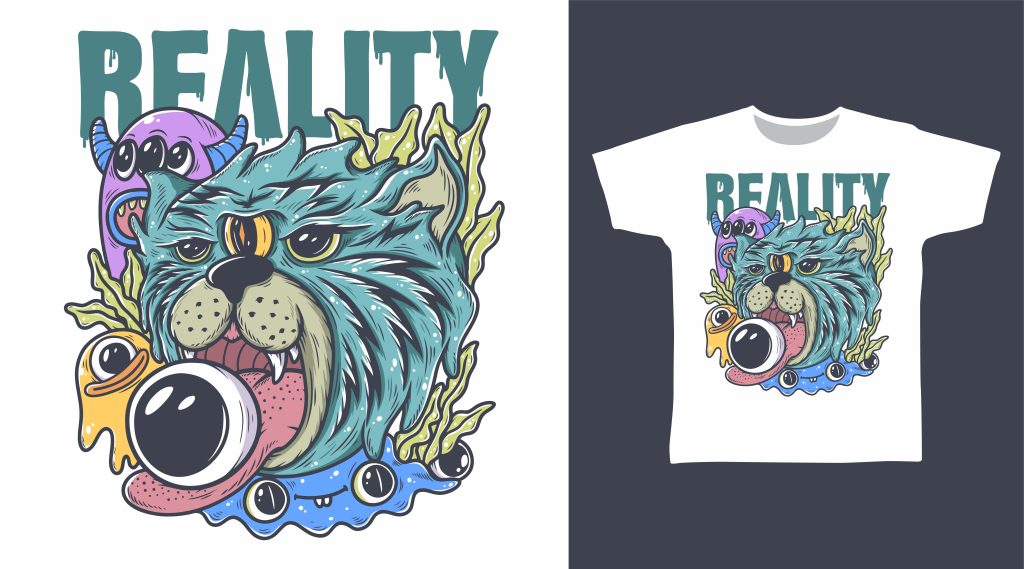
DTF transfers, or Direct to Film transfers, have become a game-changer in the world of apparel decoration, allowing businesses and creative enthusiasts to bring unique designs to life with remarkable ease. By utilizing DTF printing techniques, these transfers deliver vibrant colors and exceptional durability, making them perfect for various fabric types. In this article, we will guide you through the DTF transfer process step by step, so you can create stunning custom DTF designs that capture attention. With the right materials and techniques, you can transform your apparel into a canvas for your creativity. Join us as we dive into the world of DTF transfers and unlock the potential of your custom designs.
The realm of Direct to Film printing opens up an array of opportunities for both hobbyists and professionals looking to create high-quality prints. Known for its ability to produce striking visuals on a variety of textiles, this innovative technique simplifies the process of design application through easy-to-use transfers. This guide will provide insights into how to effectively utilize this method to bring your unique design ideas to garments, ensuring impressive outcomes every time. From initial preparation to the final application, we will highlight the essential steps needed to master creating and applying these custom film transfers. Embrace this textile printing revolution and discover how you can elevate your custom apparel creations.
Understanding the DTF Transfer Process
The DTF transfer process involves a series of well-defined steps that ensure the creation of vibrant and durable prints. To grasp the significance of DTF transfers, it’s essential to recognize how each step contributes to the overall quality of the final product. From selecting the right materials, such as DTF film and hot melt adhesive, to employing precise printing techniques, every aspect plays a crucial role in achieving that professional look on garments. This method has streamlined the process of apparel decoration by allowing for intricate designs to be transferred with ease.
Creating DTF transfers begins with careful preparation, setting the stage for a smooth workflow. Understanding the unique properties of DTF printing, including how it interacts with various fabrics, can also elevate the quality of the designs you produce. By following the DTF transfer process meticulously, you’ll ensure that the designs not only stand out due to their vibrant colors but also possess the durability required to withstand numerous washes.
Frequently Asked Questions
What are DTF transfers and how do they work?
DTF transfers, or Direct to Film transfers, utilize a process where designs are printed onto a special film using DTF printing techniques. The prints are then coated with adhesive powder, cured with heat, and can subsequently be applied to various fabrics using a heat press.
Can I create DTF transfers at home?
Yes, you can create DTF transfers at home! All you need are the proper materials such as DTF film, compatible inks, a suitable printer, hot melt adhesive powder, and a heat press. Following the DTF transfer process allows anyone to produce high-quality custom DTF designs.
What materials are required to create DTF transfers?
To create DTF transfers, you’ll need DTF film, DTF-compatible ink, an appropriate printer (like an Epson), hot melt adhesive powder, and a heat press for application. Proper material preparation is essential for achieving successful DTF printing results.
How do I create custom DTF designs for printing?
To create custom DTF designs, use graphic design software to create artwork in the CMYK color mode. Ensure the dimensions match your desired transfer size. Once completed, print your design onto the DTF film, remembering to mirror the image before printing.
What should I do after applying DTF transfers to garments?
After applying DTF transfers to garments, consider placing parchment paper or a Teflon sheet over the design and pressing it again for a few seconds to improve durability. Allow the transfer to cool completely to ensure it adheres well and prevents any peeling.
Are there specific tips for improving the quality of DTF printing?
To enhance the quality of DTF printing, invest in high-quality inks and films, pay attention to printer settings designed for DTF transfers, and maintain an optimal temperature and humidity in your workspace. Quality materials and a controlled environment contribute significantly to the vibrancy and durability of your prints.
| Step | Description |
|---|---|
| 1: Material Preparation | Gather essential materials such as DTF film, DTF-compatible ink, a suitable printer, hot melt adhesive powder, and a heat press. |
| 2: Design and Printing | Create your design in graphic design software, set to CMYK color mode, and print it mirrored on the DTF film. |
| 3: Applying Adhesive | Sprinkle hot melt adhesive powder on the wet ink and cure it to bond the adhesive with the ink. |
| 4: Transfer Process | Preheat the garment, position the DTF film design-side down, press, and then carefully peel off the film. |
| 5: Finishing Touches | Optionally press with parchment paper or Teflon sheet for protection, and let the transfer cool down completely. |
Summary
DTF Transfers have become a go-to solution in the apparel decoration industry due to their ability to produce vibrant and durable designs. The process of creating these transfers involves several critical steps, from material preparation to the final finishing touches. By understanding and following this detailed process, you can achieve stunning results that not only enhance the aesthetic appeal of garments but also ensure their longevity. Embrace the art of DTF transfers to unlock endless creative possibilities for personal expression and professional branding in custom apparel.