
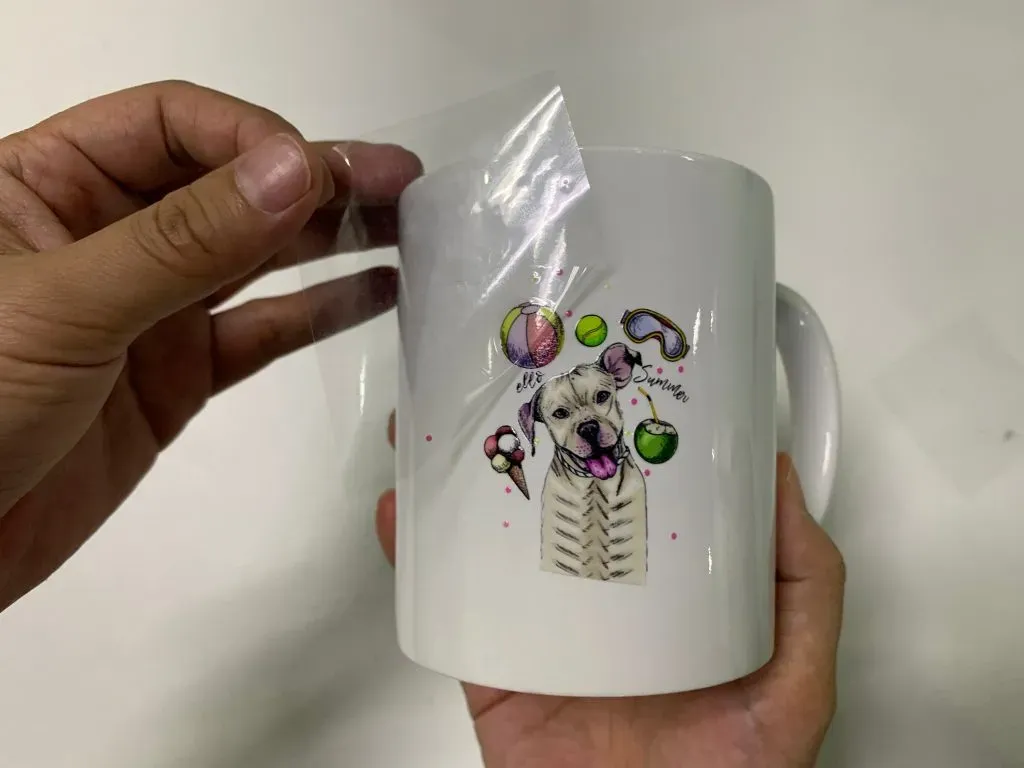
UV DTF printing is revolutionizing the world of printing, offering businesses and creatives an innovative solution for producing durable prints. Combining the power of ultraviolet light with direct-to-film technology, this versatile printing method enables high-quality graphics that stand out on various substrates. As environmental concerns grow, the UV DTF printing process stands out due to its reduced environmental impact—utilizing fewer volatile organic compounds (VOCs) and less energy compared to traditional methods. In addition, its cost-effective printing solutions help organizations save resources while delivering impressive results. This introductory exploration highlights how UV DTF printing is not only transforming the industry but also creating sustainable pathways in modern production.
Delving into another facet of contemporary printing, direct-to-film (DTF) technology paired with ultraviolet (UV) curing is reshaping how we approach print durability and design versatility. Known for its ability to create high-resolution prints that adhere to an array of materials—from textiles to hard surfaces—this advanced printing technique marries aesthetic appeal with practical durability. Moreover, the eco-friendly attributes of this printing method address concerns regarding the ecological impact of commercial printing, making it a valuable option for today’s conscientious businesses. By leveraging the benefits of innovative UV DTF technology, print service providers can not only enhance the longevity of their products but also embark on a journey toward more sustainable operations in a competitive market.
Understanding the Fundamentals of UV DTF Printing
UV Direct to Film (DTF) printing is a modern printing technology that merges the principles of direct film printing with the advantages of ultraviolet curing. This method ensures that colors remain vibrant and the prints exhibit exceptional durability. Unlike traditional printing techniques, UV DTF uses a special curing process that involves UV light to harden the inks, effectively making them resistant to scratches, fades, and various environmental challenges. This unique characteristic positions UV DTF printing as the preferred option for high-traffic applications, where longevity is a must.
Moreover, UV DTF printing can produce high-quality prints at remarkable speeds, which is increasingly important in today’s fast-paced market. With the capability to print on a wide variety of substrates, ranging from soft textiles to hard materials, this process opens the door to endless creative possibilities. As industries continue to seek diverse applications, understanding the fundamentals of UV DTF technology becomes crucial for leveraging its benefits.
The Durability Benefits of UV DTF Prints
One of the standout features of UV DTF printing is the durability it offers, which is crucial for many applications in today’s markets. The process ensures that prints are waterproof, scratch-resistant, and capable of enduring exposure to UV light without significant degradation. This means that products can maintain their aesthetic appeal and functionality for an extended period, leading to satisfied customers and reduced reprint needs. As businesses focus on quality, the durability benefits of UV DTF printing significantly contribute to brand reputation.
Additionally, the enhanced print durability translates into better value for money. Customers can trust that their investments in UV DTF products will yield long-term results, whether they are purchasing custom apparel, promotional merchandise, or decorative items. The strength of the prints against wear and tear fosters loyalty and encourages repeat business, thus making UV DTF printing a strategic choice for companies aiming to optimize customer satisfaction and retention.
Cost-Effectiveness of UV DTF Technology
Cost is a significant factor when considering any printing technology, and UV DTF printing excels in this area. The printing process is designed to minimize material waste, allowing businesses to utilize their resources more efficiently. As a result, companies can expect lower operational costs attributed to reduced ink usage and fewer materials going to waste. In an industry where every penny counts, this aspect of UV DTF technology can be a game-changer.
In addition, the reduced number of processing stages involved with UV DTF printing means lower labor costs for businesses. Companies can streamline their operations and focus on delivering high-quality products faster than ever before. Many early adopters of UV DTF printing have noted that their initial investments yield substantial savings in the long run, making it a sensible choice for those looking to enhance their profit margins while delivering superior products.
Environmental Benefits of UV DTF Printing
In an era where sustainability is paramount, UV DTF printing shines as an environmentally friendly printing solution. The inks used in this technology typically do not contain volatile organic compounds (VOCs), which are harmful to both the environment and human health. This reduction in airborne pollutants helps create a healthier working environment and aligns with global efforts to reduce pollution and carbon footprints.
Furthermore, UV DTF printers consume significantly less energy compared to traditional printing methods. Businesses that adopt this technology not only position themselves as eco-conscious but also enjoy operational efficiencies that arise from reduced energy consumption. As consumers increasingly prefer products from companies that demonstrate environmental responsibility, adopting UV DTF printing can also enhance brand loyalty and consumer trust.
Versatility of UV DTF Printing Applications
The versatility of UV DTF printing technology is remarkable, allowing for high-quality prints on an extensive range of materials. It can accommodate everything from soft textiles to rigid surfaces such as metal and wood, making it suitable for various applications in diverse industries. This flexibility gives designers and manufacturers the opportunity to explore innovative product designs and cater to niche markets with unique offerings.
Whether creating custom t-shirts, promotional items, or intricate crafts, UV DTF printing empowers businesses to fulfill varied customer requests efficiently. The ability to customize and produce such a wide range of products not only strengthens their market presence but also enhances their appeal among consumers looking for personalized items. As a result, UV DTF printing opens up new avenues for creativity and innovation.
Future Innovations in UV DTF Printing
As technology advances, UV DTF printing is set to evolve further, with manufacturers continually researching and developing new ink formulations and printer models. These innovations aim to improve essential factors, such as print adhesion, curing speeds, and color quality. Such enhancements will likely refine the capabilities of UV DTF printing, allowing businesses to stay competitive in a rapidly changing market.
Moreover, ongoing advancements in UV DTF technology will focus on energy efficiency and optimized printing processes. Companies that keep abreast of these developments can leverage cutting-edge technology to maintain their competitive edge. Embracing future innovations in UV DTF printing not only prepares businesses for the shifting landscape of the printing industry but also ensures they are well-positioned to meet evolving customer demands.
Frequently Asked Questions
What are the main advantages of UV DTF printing in creating durable prints?
UV DTF printing offers several advantages for creating durable prints, including enhanced resistance to abrasion and waterproof qualities. The UV curing process ensures that ink adheres strongly to various substrates, resulting in prints that withstand fading and wear over time, making them ideal for textiles, promotional items, and signage.
How does UV DTF printing contribute to lower environmental impact?
UV DTF printing utilizes UV inks that are free from volatile organic compounds (VOCs), promoting a healthier workspace while reducing air pollution. Moreover, UV DTF printers consume less energy than traditional printing systems, helping businesses lower their carbon footprint and support eco-friendly practices.
What types of surfaces can UV DTF printing be used on?
One of the key strengths of UV DTF printing is its versatility. It can be used on a wide range of surfaces, including textiles, hard materials like metals and wood, and flexible substrates, allowing manufacturers and designers to create innovative products for various applications.
Is UV DTF printing a cost-effective printing solution for businesses?
Yes, UV DTF printing can lead to significant cost savings over time. Its precision reduces material waste and minimizes the need for multiple processing steps, lowering labor costs and enhancing operational efficiency. Many users report that their investment in UV DTF technology pays off through reduced overall production costs.
What innovations are being developed in the field of UV DTF printing?
The field of UV DTF printing is continually evolving, with innovations focused on inks with better adhesion, faster curing times, and improved color vibrancy. New printer models are also being developed, emphasizing enhanced energy efficiency and optimized printing processes, promising a robust future for this technology.
Why should a business consider adopting UV DTF printing technology?
Adopting UV DTF printing technology can provide businesses with a competitive edge by delivering exceptional print durability, reducing environmental impacts, and allowing versatile applications. As the technology continues to advance, it equips businesses to meet diverse market demands while supporting sustainability efforts.
| Key Points | Details |
|---|---|
| What is UV DTF Printing? | Combines Direct to Film technology with UV curing for high-quality prints. |
| 1. Enhanced Print Durability | Outputs are scratch-resistant and waterproof, ideal for various applications. |
| 2. Lower Environmental Impact | Uses UV inks free from VOCs, promotes healthier environment and reduces energy consumption. |
| 3. Versatility in Applications | Can print on textiles, hard materials, and flexible substrates, opening new design possibilities. |
| 4. Cost-Effectiveness | Results in lower material waste and reduced labor costs, leading to long-term savings. |
| 5. Continuous Development | Ongoing improvements in ink formulations and printer models, ensuring future advancements. |
Summary
UV DTF Printing is revolutionizing the printing industry with its numerous benefits. It offers unparalleled durability, making it suitable for a wide range of applications while maintaining vibrant and high-quality results. With a significant reduction in environmental impact thanks to the use of eco-friendly inks, UV DTF Printing not only enhances operational efficiency but also aligns with modern sustainability goals. The versatility of this printing technology allows manufacturers and designers to explore diverse materials and cater to niche markets. Its cost-effectiveness ensures that businesses can achieve significant savings over time. As UV DTF Printing continues to evolve with ongoing advancements, it demonstrates tremendous potential for future applications. Embracing UV DTF Printing can equip businesses with a competitive edge in a bustling market, all while contributing positively to eco-friendly practices.