
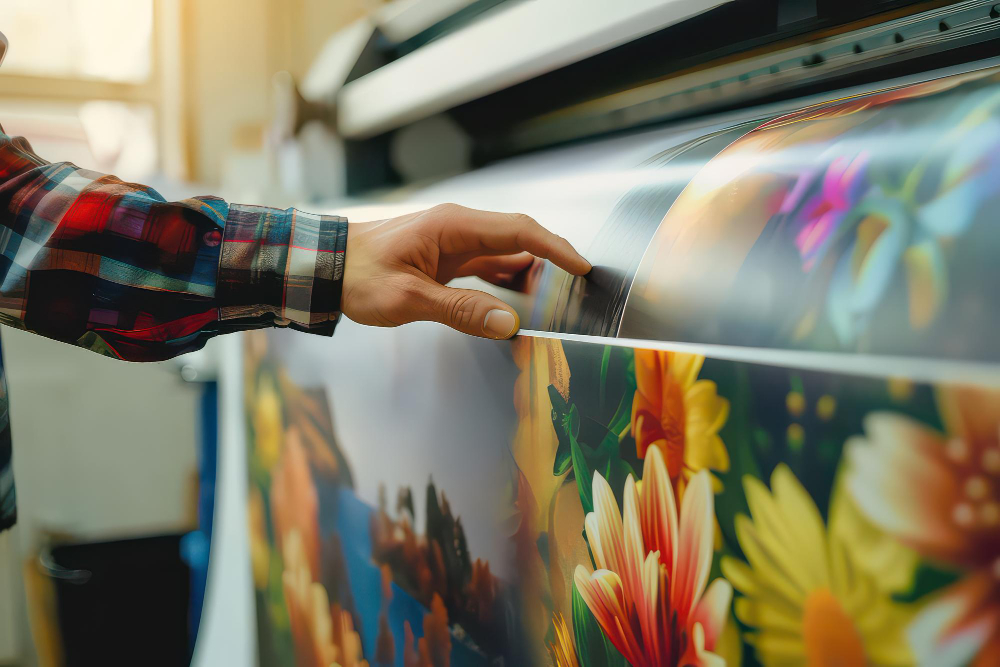
UV DTF printing, which stands for Ultraviolet Direct-to-Film printing, is revolutionizing the world of custom printing materials by integrating cutting-edge technology with sustainable practices. This innovative technique pairs the traditional Direct-to-Film (DTF) method with advanced UV curing processes, making it a standout choice for print professionals seeking efficiency and high-quality outcomes. With digital printing advancements pushing the industry forward, UV DTF printing offers exceptional speed, vibrant colors, and impressive durability—all while significantly reducing environmental impact through lower emissions of volatile organic compounds (VOCs). As more businesses look for ways to enhance their branding with unique designs, UV DTF printing provides a versatile solution capable of adapting to various substrates, including plastics and metals. Join us as we explore how this dynamic printing technology is shaping the future of custom apparel, promotional items, and beyond.
Often referred to as ultraviolet direct-to-film printing, UV DTF printing is quickly becoming a go-to method for professionals in the custom printing space. This method not only combines the speed and efficiency of traditional DTF printing with the modern capabilities of UV light curing but also emphasizes more sustainable printing practices. This technology heralds a new era of digital printing advancements, prioritizing both high-quality outputs and eco-friendly solutions. Moreover, the versatility of UV DTF makes it ideal for a wide range of custom printing materials, allowing artists and businesses alike to craft intricate designs that stand out in competitive markets. Embracing this innovative approach could redefine how we create and deliver printed products, enhancing both aesthetic appeal and environmental responsibility.
Understanding UV DTF Printing: The Modern Solution
UV DTF printing represents a significant advancement in the world of digital printing, combining the traditional Direct-to-Film technique with innovative ultraviolet curing technology. This hybrid approach allows print professionals to create stunning, high-resolution images on a variety of materials, including textiles, plastics, and metals. With its ability to provide vibrant colors and sharp details, UV DTF printing is transforming how businesses approach custom printing solutions.
The integration of UV curing in DTF processes ensures that prints are not only visually appealing but also durable and resistant to wear and tear. This makes UV DTF printing a robust choice for items that see heavy use, such as promotional products and fashion apparel. As the demand for customized and high-quality prints increases, understanding the mechanics of UV DTF will be essential for businesses looking to elevate their printing capabilities.
Key Advantages of UV DTF Printing
One of the primary advantages of UV DTF printing is its remarkable speed and efficiency. The speedy curing of inks through ultraviolet light means that production turnaround times are significantly reduced, enabling businesses to meet tight deadlines and fulfill large orders. This efficiency is vital in today’s fast-paced market, where customers expect rapid service without compromising quality.
In addition to speeding up production, UV DTF printing also delivers exceptional print quality. The inks used in this technology produce rich, vibrant colors and precise, high-resolution prints that are ideal for intricate designs. This capability positions UV DTF as an attractive option for companies looking to make a strong aesthetic impression through their marketing materials and products.
Versatility of UV DTF Printing: Suitable for Various Materials
Another notable advantage of UV DTF printing is its versatility. Unlike traditional printing methods that may be limited to specific materials, UV DTF can be applied to a wide array of substrates, including fabrics, metals, and plastics. This flexibility allows businesses to expand their product offerings and cater to diverse market demands, from fashion labels to corporate branding.
The versatility extends beyond materials; it also encompasses design possibilities. UV DTF technology enables the production of complex, multi-colored graphics with ease, making it an ideal choice for custom printing projects, including promotional items and personalized merchandise. This adaptability enhances a company’s ability to produce unique items that align with specific client requests or branding initiatives.
Environmental Benefits of UV DTF Printing
As sustainability becomes a more pressing concern for businesses and consumers alike, UV DTF printing offers a greener alternative to traditional printing methods. Utilizing UV inks significantly reduces the emissions of volatile organic compounds (VOCs), making this method a more eco-friendly choice. Companies can improve their sustainability credentials by adopting processes that not only support high-quality output but also minimize environmental impact.
Moreover, the durability of UV DTF prints contributes to sustainability efforts by reducing the frequency of reprints required. Less waste, coupled with the use of environmentally responsible inks, positions UV DTF printing as a forward-thinking choice for businesses committed to reducing their ecological footprint while maintaining high standards of print quality.
The Market Outlook for UV DTF Printing Technology
As the market for custom printing continues to evolve, UV DTF technology is gaining traction among key players in the industry. Manufacturers such as Epson and Roland are leading the charge, releasing specialized printers designed to maximize the potential of UV DTF. This growth reflects a broader trend towards customization and eco-friendliness across various sectors, indicating a promising future for businesses that leverage this innovative technology.
The increasing consumer demand for unique, high-quality printed materials presents valuable opportunities for companies that adopt UV DTF technology. As industries such as fashion, advertising, and packaging look for ways to differentiate themselves, the printing solutions provided by UV DTF will likely play a crucial role in shaping the future of these markets.
Educational Resources and Training for UV DTF Printing
With the rapid adoption of UV DTF printing technology, access to educational resources and training programs is more critical than ever. Workshops, online courses, and seminars are being developed to help printing professionals and businesses understand the best practices associated with UV DTF printing. Engaging with these resources allows businesses to maximize the effectiveness of their UV DTF systems.
By investing in education and training, companies can not only improve their operational efficiency but also ensure the quality of their outputs. As the landscape of digital printing advances, staying informed and skilled in the latest technologies will be essential for maintaining a competitive edge in the market.
Frequently Asked Questions
What is UV DTF printing, and how does it work?
UV DTF printing, short for Ultraviolet Direct-to-Film printing, is a technique that uses ultraviolet light to cure inks on a special film. This process allows for rapid production of vibrant, high-quality prints on a variety of surfaces including plastics, wood, and metal. The instantaneous drying provided by UV curing eliminates long drying times commonly associated with traditional printing methods like heat transfer.
What are the advantages of using UV DTF technology over traditional printing methods?
One of the key advantages of UV DTF technology is its speed and efficiency. It offers instant curing, enabling quicker turnaround times compared to traditional DTF methods. Additionally, UV DTF printing provides exceptional print quality with vibrant colors and sharp details, along with improved durability for high-wear applications, making it a versatile choice for both custom and promotional printing.
Is UV DTF printing an environmentally friendly option?
Yes, UV DTF printing is considered a more sustainable printing option. It utilizes UV inks that emit significantly lower levels of volatile organic compounds (VOCs) compared to traditional solvent-based inks. This feature not only reduces environmental impact but also aligns with the growing demand for eco-friendly printing solutions among businesses and consumers alike.
What types of materials can be printed using UV DTF printing technology?
UV DTF printing is versatile and can be used on a wide range of custom printing materials beyond fabrics. This includes substrates such as plastics, metal, wood, glass, and more, allowing businesses to cater to various industries with unique printing needs, from fashion to signage.
How does UV DTF printing support customization for businesses?
UV DTF printing excels in customization, allowing businesses to produce unique graphics that resonate with their branding. This technology enables the creation of detailed logos, vibrant designs, and personalized promotional materials efficiently, making it an excellent choice for short runs and limited editions without the need for extensive print runs.
What is the market outlook for UV DTF printing technology?
The market outlook for UV DTF printing technology is highly promising as manufacturers like Epson and Roland continue to innovate and release specialized printers. As demand for high-quality, sustainable custom printing grows, the UV DTF sector is expected to expand significantly, offering new opportunities for printers and businesses seeking advanced digital printing solutions.
| Key Features | Details |
|---|---|
| What is UV DTF Printing? | A printing technique using UV light to cure prints on film, resulting in quick drying and vivid graphics. |
| Speed and Efficiency | Prints dry almost instantly, significantly increasing production speed and meeting tight deadlines. |
| Exceptional Print Quality | Produces vibrant colors and ultra-sharp details, ideal for intricate designs. |
| Versatility | Can print on various substrates including fabrics, plastics, wood, and metal, catering to numerous industries. |
| Lower Environmental Impact | Utilizes UV inks that emit fewer VOCs, making it an eco-friendly printing option. |
| Improved Durability | Prints are resistant to fading and damage, ideal for high-wear environments, leading to cost savings. |
| Market Outlook | Growing demand for customization and eco-friendliness in the printing industry; major brands entering the market. |
| Educational Resources | Workshops and online courses available to enhance skills and optimize UV DTF printing processes. |
| Customization Potential | Allows for unique graphics and short runs without high setup costs, meeting diverse business needs. |
Summary
UV DTF printing represents a revolutionary advancement in the printing sector, combining the swift curing capabilities of ultraviolet light with the established methods of direct-to-film printing. This modern technique provides numerous benefits such as enhanced production speeds, strikingly high-quality prints, and the versatility to print on a broad array of materials. As businesses increasingly prioritize eco-friendly practices, UV DTF printing shines with its lower environmental impact and cost-saving durability. The integration of UV DTF in diverse industries opens up exciting possibilities for creative expression and customization, ensuring that it plays a pivotal role in the future of digital printing.