
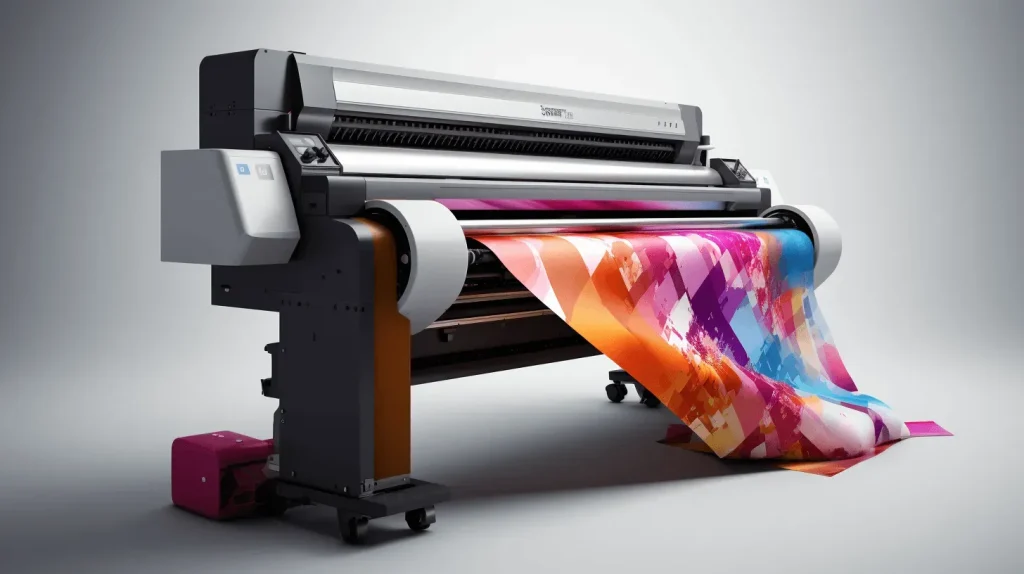
DTF printing, or Direct-to-Film printing, is revolutionizing the fashion industry by providing an innovative solution for custom clothing production. As brands increasingly prioritize sustainability and design innovation, this advanced printing technology enables them to meet the growing consumer demand for unique and personalized apparel. With DTF printing’s cost-effectiveness and efficiency, businesses can easily adapt to changing trends while minimizing waste, aligning with the principles of sustainable fashion. This article delves into the remarkable capabilities of DTF printing and its role in shaping the future of fashion, emphasizing its importance in the thriving print-on-demand market. As we explore various facets of DTF printing, we’ll uncover how it empowers brands to diversify their offerings and respond to the evolving expectations of the modern consumer.
Also known as Direct-to-Film technology, DTF printing stands out in the realm of custom apparel creation, bridging the gap between traditional production methods and modern consumer preferences. This innovative approach allows for the seamless transfer of vibrant designs onto various fabric types, supporting the fashion industry’s shift towards sustainable practices. The method not only reduces excess waste but also caters to the rising trend of on-demand production, enabling brands to craft personalized clothing that resonates with individual tastes. By leveraging design innovation through DTF technology, companies can enhance their market presence while embracing eco-friendly practices. As we delve further into this subject, we’ll examine how DTF printing is transforming the landscape of custom clothing and influencing the future of sustainable fashion.
Understanding DTF Printing in the Fashion Industry
Direct-to-Film (DTF) printing marks a pivotal step forward in fashion printing technologies. Through this innovative technique, designs are transferred onto a film and then applied to a variety of fabric types with a heat press. The result is a high-quality finish with vibrant colors that appeals to designers across the fashion industry. As brands increasingly rely on unique visuals to attract consumers, DTF printing provides the flexibility needed to cater to diverse fabric options while maintaining quality, reinforcing its importance in today’s highly competitive marketplace.
In contrast to traditional printing methods, such as screen printing or direct-to-garment (DTG), DTF printing’s adaptability sets it apart. It successfully accommodates a range of materials, including cotton and polyester, allowing for comprehensive design exploration and experimentation. This means fashion brands can produce items infused with their identity, helping them to stand out in a crowded market where consumer preferences continuously evolve.
Frequently Asked Questions
What are the benefits of DTF printing in the fashion industry?
DTF printing offers several benefits for the fashion industry, including versatility across various fabrics, cost-effectiveness for small runs, quick production speeds, and support for sustainable fashion practices through reduced waste and efficient use of materials.
How does DTF printing support sustainable fashion initiatives?
DTF printing aligns with sustainable fashion by using a print-on-demand model that minimizes excess inventory and production waste. This eco-friendly process uses less ink compared to traditional methods, appealing to environmentally conscious consumers and brands.
Why is DTF printing considered a cost-effective solution for custom clothing?
DTF printing is cost-effective because it requires a lower initial investment in equipment and materials compared to other methods like screen printing or DTG. This enables startups and smaller brands to produce custom clothing without high overhead costs.
What makes DTF printing suitable for print-on-demand services?
DTF printing is ideal for print-on-demand services due to its quick turnaround times and ability to produce high-quality, customized designs on various fabrics. This flexibility allows brands to meet customer demands for unique fashion items efficiently.
How does DTF printing enhance design innovation in the fashion industry?
DTF printing enhances design innovation by allowing brands to easily experiment with different materials and styles without the restrictions of traditional printing techniques. This fosters creativity and supports the development of unique clothing lines tailored to consumer preferences.
What advancements are being made in DTF printing technology?
Recent advancements in DTF printing technology include improvements in print quality, color vibrancy, and durability. These innovations enable brands to achieve consistent, high-quality outputs, which are essential for maintaining competitiveness in the fast-paced fashion industry.
| Key Point | Details |
|---|---|
| DTF Printing Overview | A method that prints designs on film and transfers them to fabric using heat. |
| Versatile Printing Capabilities | Allows printing on various fabric types, offering quality and flexibility. |
| Cost-Effectiveness | Lower initial investment and material costs attractive for startups. |
| Production Speed and Efficiency | Quick turnarounds enable adaptation to fast fashion trends. |
| Environmental Impact | Reduces waste through print-on-demand, appealing to eco-conscious consumers. |
| Customization and On-Demand Services | Facilitates unique, personalized fashion items, enhancing consumer satisfaction. |
| Technological Advancements | Improvements in print quality and durability boost brand appeal. |
Summary
DTF printing is revolutionizing the fashion industry by providing a sustainable, efficient, and versatile printing method. As brands and designers embrace this technology, they can create unique and personalized clothing that meets consumer demands for individuality and eco-friendliness. This innovative approach not only enhances production capabilities but also aligns with the sustainability goals that are increasingly important to today’s shoppers. Therefore, as we move into the future, DTF printing stands out as a pivotal element in reshaping how fashion is produced, marketed, and consumed, effectively leading the next wave of transformation in the industry.