
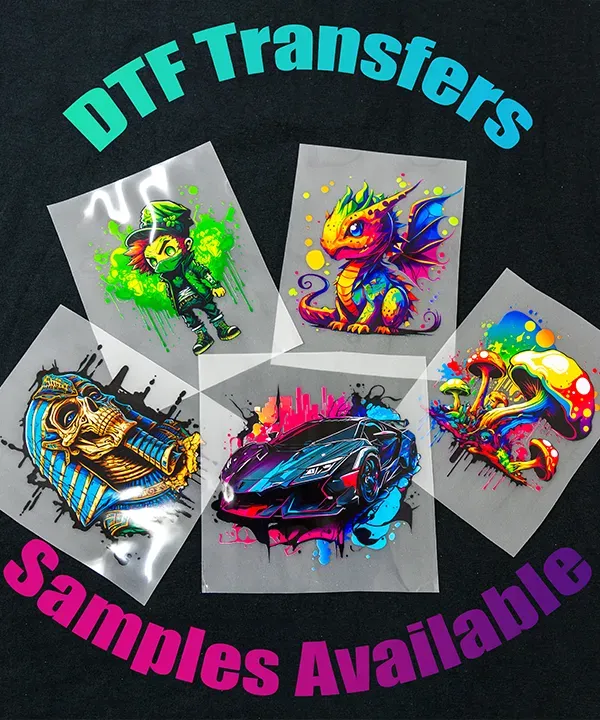
DTF Transfers, or Direct-to-Film transfers, have revolutionized the world of custom printing, offering an innovative way to apply designs onto various fabrics. This cutting-edge method utilizes a specialized DTF printing process that allows artists and manufacturers to create stunning, high-quality prints that truly stand out. By harnessing the power of DTF transfer materials like vibrant inks and durable films, you can achieve intricate designs with ease. Whether you’re a small business looking to expand your product range or a hobbyist eager to explore new artistic avenues, understanding the best practices for DTF is essential to your success. In this guide, we’ll cover everything you need to know, from the step-by-step printing process to troubleshooting DTF transfers, ensuring your creations shine brightly.
Direct-to-Film (DTF) printing is increasingly becoming the go-to technique for fabric decoration, thanks to its unique advantages and adaptability. This method of transferring images directly onto sheets of film and then pressing them onto textiles opens up a world of possibilities for vibrant designs and detailed prints. Known in the industry for its efficiency and quality, DTF also offers a range of different applications, enabling creators to personalize items like garments and accessories with ease. As the market for custom apparel continues to grow, understanding the various aspects of DTF transfers—including the materials required and common pitfalls—will set you on the path to success. By leveraging this innovative printing process, you can enhance your crafting experience and elevate your products in a competitive landscape.
Understanding the Basics of DTF Printing
Direct-to-Film (DTF) printing is an innovative method that enables creators to produce high-definition, vibrant designs that are easily transferred onto different textile materials. This printing technique uses a unique film and specialized inks, typically water-based, to create designs that not only look stunning but are also long-lasting. The DTF printing process starts with a computerized design that is printed onto film using a DTF-compatible printer, ensuring that the colors pop and the images are sharp.
The versatility of DTF transfers is one of their most significant advantages, allowing for the application of these prints onto a variety of fabrics, including cotton, polyester, and blends. Unlike traditional screen printing, which can require extensive setup and is limited to certain fabric types, DTF printing opens up a world of possibilities for custom apparel creators. Whether you’re looking to make personalized t-shirts, tote bags, or promotional items, DTF printing can handle intricate designs without sacrificing quality.
Essential Materials for DTF Transfers
To successfully execute the DTF printing process, having the right materials is crucial. Among the most indispensable items are DTF transfer films specifically designed for the process, hot melt adhesive powder, and a reliable heat press. DTF films differ from standard transfer paper in that they provide better ink adherence and color vibrancy, which is essential for achieving the best results on fabric.
Additionally, a high-quality DTF-compatible printer is required to ensure that the designs are printed with precision. You should also consider investing in premium inks to avoid color fading over time. Having the right graphic design software, such as Adobe Illustrator or CorelDRAW, will further streamline your DTF process, allowing you to create and manipulate designs seamlessly before printing.
Best Practices for Successful DTF Transfers
Adhering to best practices for DTF transfers can significantly impact the quality and durability of your final products. One fundamental tip is to pre-treat the fabric surface before applying the DTF transfer. This pre-treatment enhances the bond between the adhesive and the fabric, minimizing peeling and extending the lifespan of the design.
Another best practice involves thoroughly testing your settings before executing large-scale transfers. Performing a test run on a scrap piece of fabric can help you identify and correct any issues with the print quality or adherence of the design. Additionally, always use quality DTF transfer materials to ensure consistency and deliverability in your prints.
Troubleshooting Common DTF Issues
Despite the straightforward nature of the DTF process, challenges can arise that may hinder your printing efforts. For example, if you experience peeling of the transferred design, it may indicate insufficient application of the adhesive powder or incorrect pressing temperatures. Reviewing your setup for each transfer can help prevent these common pitfalls.
Faded colors can also be a concern with DTF transfers, often stemming from the use of low-quality inks not suited for the DTF process. It’s important to choose inks from reputable suppliers that are designed specifically for DTF printing to ensure vibrant, long-lasting results. Additionally, if you notice stringy or uneven prints, adjusting your printer settings and ensuring proper ink saturation can help restore the quality of your prints.
Advancements in DTF Printing Technology
The world of DTF printing is continually evolving, with new advancements paving the way for improved quality and efficiency. Recent technological developments have introduced better formulations for DTF inks and powders that enhance color vibrancy and adhesive properties, resulting in prints that stand out in the marketplace.
Additionally, newer DTF printers equipped with advanced print heads and software are making it easier for users to achieve precise designs faster. These advancements not only simplify the DTF printing process but also enable even hobbyists and small businesses to produce professional-grade results that can compete in the custom apparel industry.
Community and Resource Building in DTF Printing
Being a part of the growing DTF printing community can provide invaluable resources for both new and experienced users. Online forums and social media groups allow you to share experiences, seek advice, and learn about the latest developments in DTF technology and techniques.
Moreover, many industry experts offer tutorials and workshops that can help you hone your skills in DTF printing. By engaging with the community, you can gain insights into best practices, troubleshooting tips, and inspiring success stories, all of which contribute significantly to enhancing your understanding and effectiveness of Direct-to-Film transfers.
Frequently Asked Questions
What are DTF Transfers and how do they work?
DTF Transfers, or Direct-to-Film transfers, involve printing designs onto a special film which is then transferred to fabric using heat and pressure. This process allows for vibrant and intricate designs that adhere well to various types of fabric.
What materials are essential for successful DTF Transfers?
Key materials for DTF Transfers include a DTF-compatible printer, DTF transfer film, hot melt adhesive powder, a reliable heat press, and graphic design software. Using quality materials ensures better adhesion and durability of the final product.
What are the best practices for achieving high-quality DTF Transfers?
To achieve high-quality DTF Transfers, ensure to pre-treat fabrics for better adhesion, use quality inks and materials, and always test your settings on small areas before full production. This helps prevent issues such as peeling and fading.
How can I troubleshoot common issues with DTF Transfers?
Common issues with DTF Transfers, such as peeling or fading, can often be resolved by checking the adhesive application, printer settings, and ensuring high ink saturation. Conducting regular tests and adjustments will optimize your printing process.
What is the significance of using correct printer settings for DTF printing?
Using the correct printer settings for DTF printing is crucial as it ensures accurate color representation and proper application of ink. Settings such as printing a mirror image and selecting high-quality prints can significantly enhance transfer quality.
Is DTF printing suitable for all types of fabrics?
Yes, DTF printing is versatile and can be used on various fabrics, including cotton, polyester, and blends. This flexibility makes DTF Transfers ideal for custom apparel, allowing for detailed designs on multiple fabric types.
| Key Point | Details |
|---|---|
| What are DTF Transfers? | DTF (Direct-to-Film) transfers involve printing designs onto a special film and transferring them to fabric using heat and pressure, suitable for various materials. |
| Materials Needed | Essential materials include a DTF-compatible printer, special transfer film, hot melt adhesive powder, heat press, and graphic design software. |
| Step-by-Step Process | 1. Design Preparation 2. Print Setup 3. Apply Adhesive Powder 4. Curing the Adhesive 5. Transfer to Fabric 6. Cooling and Peeling |
| Best Practices | Pre-treat fabrics, use quality products, and conduct test prints to ensure success and longevity of designs. |
| Troubleshooting Issues | Common issues include designs peeling off, fading colors, and uneven prints, often resolved by adjusting printer settings and adhesive application. |
| Recent Developments | DTF printing is gaining popularity among small businesses, with technology advancements improving accessibility and print quality. |
Summary
DTF Transfers have revolutionized the custom apparel market by offering a versatile and high-quality printing solution. Mastering the intricacies of DTF transfers allows print enthusiasts to create vibrant designs that adhere well to various fabric types. By understanding the necessary materials, following a systematic step-by-step process, and adhering to best practices, users can effectively produce stunning apparel that stands out in a competitive market. Continuous innovations in the DTF printing technology enhance its efficiency, making it an appealing choice for hobbyists and small business owners alike. Embrace these advancements, and you will surely take your fabric printing to new heights.