
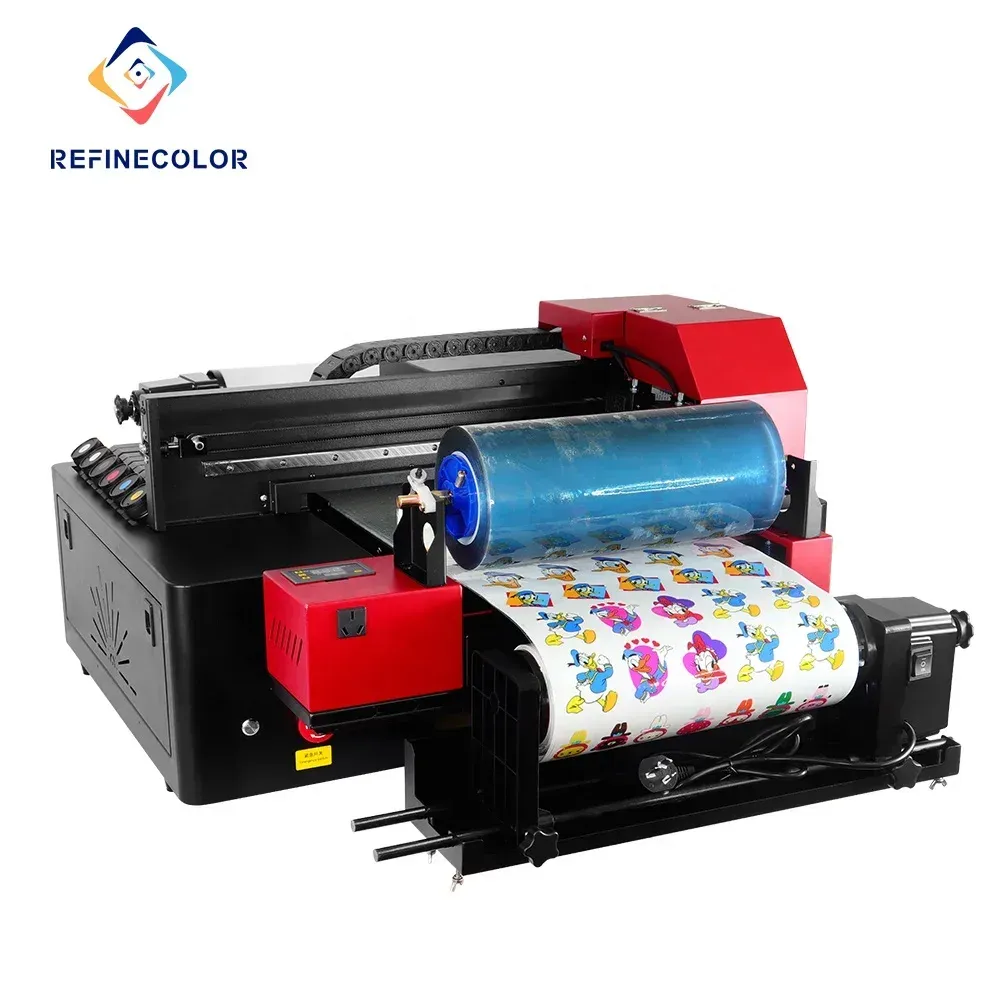
In the fast-paced realm of modern printing, UV DTF printing (Direct to Film) emerges as a transformative technique, reshaping how printers approach diverse materials. This innovative method combines the advantages of traditional UV printing techniques with the versatility of heat transfer printing, allowing businesses to create striking, durable prints on substrates like textiles, glass, and metal. The benefits of UV DTF printing extend beyond aesthetics; it empowers businesses to reduce waste and enhance production efficiency significantly. Considered a game-changer in the printing industry, UV DTF printing ensures quick drying times, enabling immediate product handling without compromising on quality. As printing business tips evolve, integrating this advanced technique can provide a competitive edge, appealing to a broader client base by delivering exceptional, high-quality results.
UV DTF printing, also known as Direct to Film printing, represents a cutting-edge approach within the printing industry that has gained momentum among professionals. This method utilizes advanced technology to apply vivid designs onto a range of substrates, making it a preferred choice for decorating various products. By leveraging techniques such as heat transfer printing, printers can achieve superior durability and vibrancy in their outputs. Moreover, understanding the nuances of this printing method can unlock numerous benefits, from reducing material waste to increasing productivity in operations. Embracing these innovative printing solutions positions businesses not only to keep up with trends but also to excel in a highly competitive marketplace.
What Makes UV DTF Printing Unique?
UV DTF printing stands out due to its ability to produce vibrant, high-resolution prints on a variety of materials. Unlike traditional printing techniques, UV DTF utilizes ultraviolet light to cure the inks as they are printed, resulting in immediate drying and allowing for immediate handling of the prints. This technology not only increases efficiency but also enhances the wear resistance of the prints, making them suitable for both indoor and outdoor applications. With its versatility, UV DTF printing can be used on surfaces such as textiles, ceramics, and even metal, expanding the creative possibilities for businesses looking to offer diverse products.
The unique aspect of UV DTF printing lies in its innovative approach to design transfers. The ability to print on a specially coated film before applying it to a substrate means that designers can create intricate and colorful designs without compromising on quality. This method lets businesses respond quickly to customer demands for customized and detailed work, making it a competitive option in the landscape of printing technologies, all while maintaining cost-effectiveness and reducing material waste.
Essential Equipment for UV DTF Printing
Investing in high-quality equipment is paramount when starting a UV DTF printing operation. A UV printer designed specifically for DTF applications will provide the necessary support for handling UV inks and achieving optimal print quality. Features such as adjustable print heads and high-resolution capabilities are crucial to ensuring that every print matches the professional standard expected by customers. Additionally, having the right heat press is equally important, as it allows for effective bonding between the printed film and the substrate, critical for the durability of the final product.
Beyond the printer and heat press, graphic design software also plays a pivotal role in the setup of UV DTF printing. Software that allows for precise color management and design flexibility helps businesses create stunning graphics ready for printing. By using advanced software, print businesses can ensure they are utilizing the full capabilities of UV DTF technology while ensuring the output matches customer specifications with high fidelity.
A Step-by-Step Guide to UV DTF Printing
The UV DTF printing process involves several essential steps that are crucial for achieving a top-quality product. First, start with the design creation using software that can handle CMYK colors to ensure accurate representations on printed films. Once the design is ready, load the treated DTF film into the UV printer, configuring settings that are tailored for the specific film and inks being used.
After printing, the next critical step involves applying the adhesive powder while the ink is still wet. This will ensure that the powder binds effectively to the print, preparing it for transfer to the desired substrate. The heat press setup is also vital; the correct temperature and pressure settings must be maintained to achieve a perfect transfer, ultimately resulting in high-quality, durable prints that meet the demands of your market.
Best Practices in UV DTF Printing
To achieve consistent, high-quality results in UV DTF printing, adopting best practices is key. Pre-treatment of substrates can significantly enhance ink adhesion, which might include cleaning surfaces or applying a primer. Regular assessments of the substrate’s compatibility with the UV inks prevent poor print outcomes and enhance overall production efficiency.
Moreover, focusing on the curing process is essential for ensuring the longevity of prints. Proper curing techniques based on ink specifications protect against fading and wear, allowing prints to maintain their vibrancy over time. Regular maintenance of printing equipment is also vital to avoid downtime and extend the printer’s lifespan—keeping the UV printer clean and in optimal condition will ensure that every job meets high standards.
Exploring Future Trends in UV DTF Printing
The future of UV DTF printing is promising as advancements in technology continue to emerge. With increasing demand for sustainable practices, the integration of eco-friendly inks and processes is gaining traction in many printing businesses. Staying ahead of this trend can set a company apart, as customers are increasingly seeking environmentally responsible printing solutions, making the adoption of such practices not only timely but necessary.
In addition to sustainability, innovations in material compatibility will likely expand the horizons of UV DTF printing. As new substrate materials are developed, the potential for diverse applications grows, allowing for even more creative outputs in industries like fashion, decor, and promotional products. Staying informed about these advancements will help businesses harness the full potential of UV DTF printing and maintain relevance in a competitive marketplace.
Benefits of Incorporating UV DTF Printing in Your Business
Integrating UV DTF printing into your printing business can yield numerous benefits. The vibrant color reproduction and exceptional durability of prints made with this method mean that businesses can offer high-quality products that stand out in the marketplace. Additionally, the ability to print on various substrates broadens the range of services a business can offer, allowing for diversification and appealing to a wider customer base.
Moreover, UV DTF printing significantly reduces waste compared to traditional printing methods. Since the process allows for immediate drying of prints, businesses can handle and ship products more quickly, enhancing customer satisfaction. This efficiency not only leads to higher throughput but also fosters an environmentally conscious approach that is increasingly important to consumers today.
Frequently Asked Questions
What are the key benefits of UV DTF printing in a printing business?
UV DTF printing offers multiple benefits for printing businesses, including vibrant color reproduction, quick drying times, and the ability to print on various substrates like textiles, glass, and metal. This method minimizes wastage and enhances operational efficiency, making it a superb choice for businesses looking to improve their output quality.
How does the UV DTF printing process work?
The UV DTF printing process involves several steps: designing artwork using graphic software, printing on specially coated film with a UV printer, applying adhesive powder to the wet ink, transferring the film to the substrate using a heat press, and finally, peeling away the film to reveal the finished print. Each of these steps is crucial for achieving high-quality results.
What equipment is necessary for UV DTF printing?
To effectively utilize UV DTF printing, you’ll need a high-quality UV printer, a reliable heat press, and graphic design software compatible with your printer. Investing in the right equipment is essential for achieving excellent print quality and ensuring operational efficiency.
Can UV DTF printing be used on multiple materials?
Yes, one of the significant advantages of UV DTF printing is its versatility. This method allows printing on a wide range of materials, including textiles, plastic, metal, glass, and ceramic, which makes it an ideal solution for various applications in the printing industry.
What are some printing business tips for maximizing UV DTF printing efficiency?
To maximize efficiency in UV DTF printing, focus on pre-treating substrates as necessary, ensuring proper curing of the ink, and maintaining your equipment regularly. These practices help improve print quality and prolong the life of your prints and machinery.
Is UV DTF printing suitable for small businesses?
Absolutely, UV DTF printing is well-suited for small businesses as it allows for low setup costs and high-quality outputs. The ability to print on various substrates also opens new revenue streams, making it a valuable investment for expanding your printing capabilities.
| Key Point | Description |
|---|---|
| Introduction to UV DTF Printing | UV DTF printing is a revolutionary method for producing vibrant, durable prints on various materials, minimizing waste. |
| Understanding UV DTF Printing | A process that utilizes coated film and UV inks for rapid drying and immediate print handling across multiple substrates. |
| Process Overview | The printing process involves design creation, film printing, adhesive application, substrate transfer, and finishing steps. |
| Required Equipment | Key equipment includes a high-quality UV printer, reliable heat press, and compatible graphic design software. |
| Best Practices | Pre-treat substrates, ensure proper ink curing, and perform regular maintenance on equipment for optimal results. |
| Future Trends | The market is expected to grow with innovations like eco-friendly inks and sustainable practices becoming common. |
Summary
UV DTF Printing is an innovative technique that can transform your printing business, offering high-quality outputs and enhancing efficiency. This guide outlines crucial steps and best practices that ensure successful implementation of UV DTF printing in your workflow. By investing in the appropriate equipment and maintaining quality standards, businesses can fully leverage the benefits of UV DTF printing, positioning themselves competitively in a rapidly evolving industry. Keeping an eye on future trends will also help in adopting sustainable practices, making your operations not only effective but also eco-conscious.