
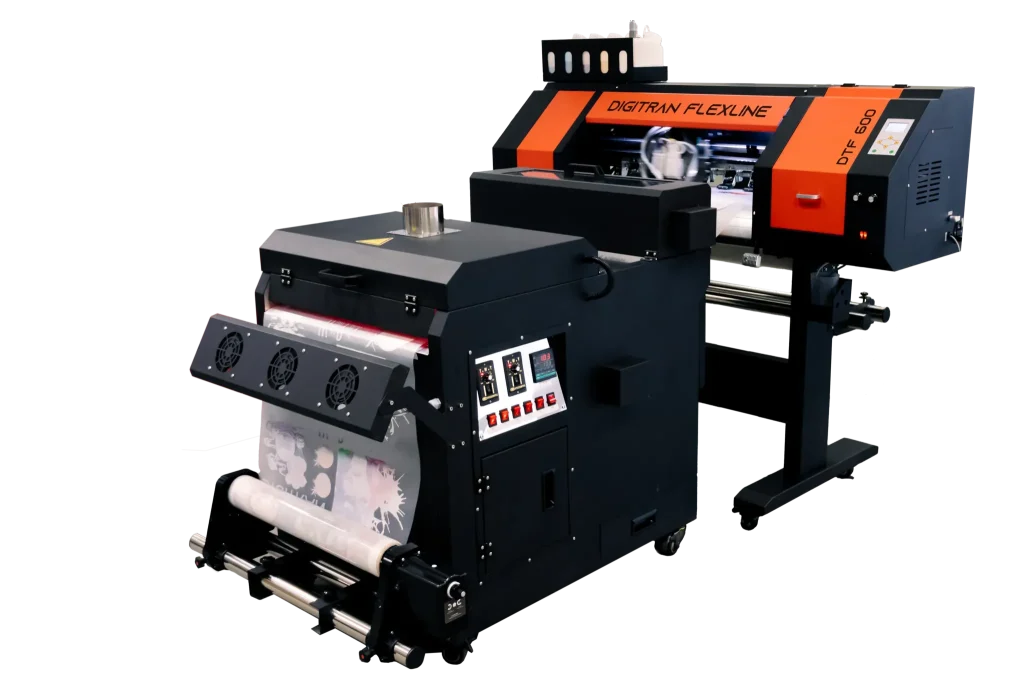
DTF textile printing, or Direct-to-Film printing, is revolutionizing the textile printing industry with its innovative approach and numerous advantages. This cutting-edge technology combines the best of both worlds, providing high-quality and vibrant prints that cater to the growing demand for customized apparel. As entrepreneurs and established businesses alike embrace DTF, they harness sustainable printing methods that not only capture intricate designs but also promote eco-friendly practices. With the ability to print on various fabric types, DTF is quickly becoming a preferred choice within textile printing technologies. This blog will explore the significant impact of DTF on the industry, highlighting its advantages, challenges, and the promising future ahead.
As we delve into the world of Direct-to-Film printing, it’s essential to understand its broader implications within the textile printing landscape. Known for its versatility and efficiency, this advanced printing technique is gaining traction among designers and manufacturers seeking innovative ways to create personalized designs. By harnessing the power of advanced printing methods, the movement towards customized clothing and sustainable solutions is stronger than ever. The growing popularity of eco-friendly inks and processes underscores the industry’s shift toward environmentally-conscious production, making DTF a key player in the future of textile graphics. Join us as we uncover how this dynamic printing technology is reshaping the fabric of our marketplace.
Understanding DTF Textile Printing Technology
DTF textile printing technology, or Direct-to-Film printing, represents a revolutionary shift in the way designs are transferred onto fabric. Unlike traditional screen printing, which often involves multiple steps and lengthy setup times, DTF printing allows for a more streamlined process. The design is printed onto a specialized film which is then transferred onto the fabric using heat and pressure. This method not only simplifies production but also paves the way for intricate and vibrant designs that are both durable and visually appealing.
One of the key factors contributing to the rise of DTF technology is its compatibility with a wide array of materials, from cotton to polyester. This versatility ensures that businesses can cater to different fashion trends and customer preferences without the constraints typically associated with traditional printing methods. As the demand for customized apparel grows, DTF textile printing becomes increasingly relevant, allowing brands to experiment with designs while maintaining high quality.
Frequently Asked Questions
What is DTF textile printing and how does it work?
DTF textile printing, or Direct-to-Film printing, is a modern printing technique that transfers designs onto fabrics using heat and pressure. It involves printing a design onto a special film, which is then coated with adhesive and transferred to the fabric. DTF allows for high-quality, durable prints suitable for various textiles, making it ideal for customized apparel.
What are the advantages of DTF textile printing compared to traditional methods?
The advantages of DTF textile printing include high quality and versatility in printing on multiple fabric types, cost-effectiveness for small production runs, and eco-friendly options due to the use of water-based inks. These factors make DTF a compelling choice for businesses seeking to produce customized apparel and embrace sustainable printing methods.
How does DTF textile printing influence the customization of apparel?
DTF textile printing significantly influences the customization of apparel by allowing designers to produce vibrant and detailed prints quickly and economically. Its ability to cater to unique designs without the high costs associated with traditional screen printing makes it an attractive option for businesses looking to meet the growing demand for personalized garments.
Are there any challenges associated with DTF textile printing?
Yes, DTF textile printing faces challenges such as heat sensitivity during the transfer process, which may limit its compatibility with certain fabrics. Additionally, the competition with other textile printing technologies, like Direct-to-Garment (DTG) and sublimation printing, poses challenges for market positioning and customer choice.
What advancements in technology are enhancing DTF textile printing?
Recent advancements in DTF textile printing technology include improvements in printer designs and ink formulations that enhance print quality and efficiency. Innovations focus on achieving accurate color reproduction and minimizing waste, ensuring that DTF can meet the high demands for quality while supporting sustainable printing methods.
What is the future outlook for DTF textile printing in the textile industry?
The future outlook for DTF textile printing is promising, with projections indicating increased adoption due to rising consumer demand for customized apparel and advancements in printing technology. As industries lean towards on-demand printing and eco-friendly practices, DTF is expected to play a pivotal role in shaping the future of textile printing.
| Key Point | Description |
|---|---|
| Market Growth and Adoption | Projected to reach $5.99 billion by 2027 with a 15.4% CAGR. |
| Advantages of DTF | High quality prints, cost-effective for small runs, and eco-friendly options. |
| Technological Innovations | Improvements in efficiency, color accuracy, and waste reduction. |
| Industry Challenges | Heat sensitivity and competition from other printing methods. |
| Future Outlook | Increasing significance in customization and on-demand printing. |
Summary
DTF textile printing is revolutionizing the textile printing industry by merging innovation with sustainability. As we venture into a future influenced by customized consumer demands, DTF technology stands out as a pioneering method that enhances production efficiency while maintaining high-quality outputs. With projections indicating substantial market growth and the continuous evolution of printing technologies, DTF is not just shaping how textiles are printed today but also setting the standards for a more sustainable and personalized approach to apparel production. Emphasizing eco-friendly practices alongside vivid, long-lasting designs positions DTF as a leader in the industry’s future, making it imperative for businesses to integrate these insights to remain competitive.