
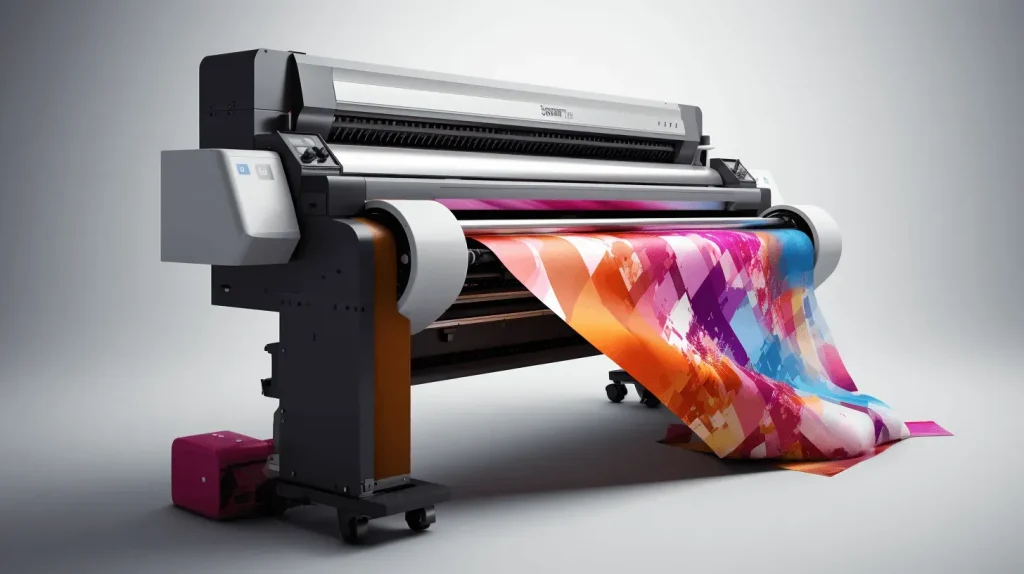
In the competitive world of textile printing, **DTF printing** (Direct-to-Film) is revolutionizing the industry with its innovative approach. This cutting-edge printing method offers a myriad of advantages over traditional techniques, making it a preferred choice among businesses looking to enhance their product offerings. With its ability to deliver high-quality, vibrant designs on various fabrics, DTF printing is not only efficient but also aligns with the growing demand for sustainable printing solutions. As the DTF printing market continues to expand, its potential to reshape the future of textile printing becomes increasingly evident. In this article, we will delve into the unique features, benefits, and future prospects of DTF printing, highlighting its significance in today’s eco-conscious landscape.
Often referred to as Direct-to-Film printing, DTF printing has emerged as a frontrunner in the textile printing landscape thanks to its remarkable versatility and quality. Utilizing transfer films, this method allows businesses to produce intricate designs on a wide array of fabrics, establishing itself as a go-to option for custom apparel and promotional items. Alongside the advantages of DTF, such as its compatibility with sustainable practices, its growth reflects the evolving preferences of consumers who demand both quality and environmental responsibility. As we explore this modern textile printing technique, it’s essential to understand not just its operational intricacies, but also its impact on the future of the industry.
Understanding DTF Printing: A Revolutionary Approach
DTF printing, or Direct-to-Film printing, redefines the conventional fabric printing method by utilizing a special transfer film. This innovative process begins with the application of water-based inks on the transfer film, allowing stunning visual designs to be produced efficiently. When this film is pressed onto a garment using heat and pressure, the vibrant colors and fine details effectively bond to the textile, creating a striking final product that traditional techniques struggle to match. Understanding DTF printing requires recognizing its core advantages, namely its versatility and capability to cater to various textiles including cotton, polyester, and blended material.
The unique approach of DTF printing bridges the gap between quality and efficiency. Unlike traditional textiles printing methods, which can be labor-intensive and time-consuming, DTF printing streamlines the workflow, resulting in faster production times without sacrificing quality. This technique is particularly appealing for businesses that want to produce high-quality custom designs for a range of products, from clothing to promotional materials, making it a favorite in today’s competitive textile market.
Advantages of DTF Printing: Why Choose This Method?
One of the primary advantages of DTF printing is its incredible versatility, enabling creators to transfer detailed, full-color graphics onto various fabric types such as cotton, polyester, and blends with ease. This broad application means businesses can target multiple markets, efficiently producing everything from custom apparel to intricate designs on unconventional materials. The ability to cater to a diverse clientele positions DTF printing as a powerful tool in a brand’s marketing and product strategy.
Furthermore, DTF printing ensures high-quality results that impress consumers looking for vibrant and intricate designs. The technology excels in producing sharp images that maintain visual fidelity over time, even after multiple washes. As clients increasingly prioritize quality in their textile choices, DTF printing stands out as a prime option that meets the market demand, helping companies to cultivate a loyal customer base by providing consistently excellent products.
The Market Growth of DTF Printing: A Look at Trends
As we navigate through 2023, the DTF printing market is experiencing unprecedented growth. Projections suggest that the global industry will expand significantly, with revenues anticipated to reach billions by 2030. One contributing factor is the rising awareness of DTF printing among clothing brands and custom apparel manufacturers who seek quality and versatility in their production processes. As businesses adapt to consumer demands, the adoption of DTF technology is predicted to continue growing.
Additionally, the versatility of DTF printing allows manufacturers to diversify their product offerings, providing a distinct advantage. This flexibility to accommodate a variety of projects boosts competitiveness, making it essential for companies to adopt innovative solutions like DTF printing. As more businesses tap into this dynamic market, we can expect DTF printing to become a cornerstone in the future of textile production.
Sustainability in DTF Printing: An Eco-Friendly Alternative
In an era where consumers prioritize sustainability, DTF printing emerges as an eco-friendly option for textile manufacturers. Utilizing water-based inks that are less harmful to the environment compared to solvent-based alternatives, DTF printing aligns with the increasing demand for green practices in production. This approach not only reduces the ecological footprint of the printing process but also appeals to a growing segment of the market that values environmental responsibility.
Furthermore, DTF printing benefits from lower waste during production. Unlike traditional methods that often result in excess ink and materials, DTF allows for precise application, minimizing resource waste. By adopting DTF printing, companies can not only meet corporate sustainability goals but also attract eco-conscious consumers who are eager to support brands that share their values.
Challenges Faced in Adopting DTF Printing
Despite its many advantages, DTF printing does present challenges for businesses considering the transition from traditional methods. The initial costs associated with acquiring DTF printing technology and equipment can be prohibitive, particularly for smaller companies. This significant investment may lead them to hesitate or delay implementing this innovative method, potentially missing out on the growing benefits of the DTF market.
Moreover, the DTF process requires a learning curve for operators to master effectively, which can result in initial product inconsistencies. Companies may struggle with training employees on this new technology, impacting production efficiency and quality during the transition period. Therefore, understanding these challenges is crucial for businesses to weigh the long-term benefits of DTF printing against the initial hurdles they may encounter.
The Future of DTF Printing: Innovations on the Horizon
Looking ahead, the future of DTF printing appears promising, with various trends and innovations set to enhance the efficiency of the process. Continuous advancements in ink formulations and pre-treatment techniques should further improve print quality, ensuring that DTF meets the evolving demands of consumers who seek high-quality designs. As technology evolves, DTF printing could very well redefine industry standards and set new benchmarks for output quality.
Furthermore, increased accessibility to DTF printing technology is anticipated, particularly for small and medium-sized enterprises (SMEs). As these businesses adopt cost-effective solutions and explore options for small batch runs, we can expect to see a proliferation of DTF printing applications. Coupled with ongoing innovations geared towards sustainability, DTF printing could continue to play a vital role in shaping the landscape of the textile printing industry for years to come.
Frequently Asked Questions
What is DTF printing and how does it differ from traditional textile printing?
DTF printing, or Direct-to-Film printing, is a modern textile printing technique that uses a special film to transfer designs onto fabrics, differing from traditional methods that apply ink directly to fabric. This process allows for high-quality, vibrant prints on a variety of materials like cotton and polyester, making DTF a versatile option in the textile printing industry.
What are the advantages of DTF printing for businesses?
DTF printing offers numerous advantages, including exceptional print quality, versatility across different fabrics, and the ability to produce intricate designs. It is environmentally friendly due to the use of water-based inks, appealing to sustainability-focused consumers. Additionally, the growing DTF printing market enables businesses to meet diverse consumer demands effectively.
How is DTF printing considered a sustainable printing option?
DTF printing utilizes water-based inks that are generally considered less harmful to the environment than traditional solvent-based inks. This eco-friendly approach positions DTF printing as a sustainable printing option, attracting brands and consumers who prioritize environmentally responsible practices in the textile printing sector.
What does the future of DTF printing look like in the textile industry?
The future of DTF printing appears promising, with projections indicating significant growth in the market. Innovations in technology, ink formulations, and pre-treatment processes are expected to enhance print quality and sustainability, making DTF more accessible to small and medium-sized enterprises, which will drive wider adoption in the coming years.
Can DTF printing be used for both small and large production runs?
Yes, one of the key benefits of DTF printing is its ability to efficiently handle both small and large production runs. This flexibility makes it an ideal choice for businesses looking to cater to custom orders while also scaling up for larger, bulk orders in the textile printing market.
What challenges do companies face when switching to DTF printing?
Companies transitioning to DTF printing may face initial challenges such as high equipment costs, a learning curve in mastering the technology, and the need for regular maintenance of the printing equipment. Evaluating these challenges against the benefits is crucial for businesses considering this shift in textile printing methods.
| Key Points | Details |
|---|---|
| What is DTF Printing? | A revolutionary textile printing technique using a transfer film to print designs, transferable to fabrics through heat and pressure. |
| Technology Behind DTF Printing | Involves printing on a special transfer film with water-based inks, coated with adhesive powder before heat transfer. |
| Market Growth and Adoption | DTF printing market projected to reach billions by 2030, with growth driven by versatility and quality. |
| Benefits of DTF Printing | Includes exceptional versatility, high-quality prints, and a more sustainable option due to water-based inks. |
| Challenges Faced by DTF Printing | High initial investment, learning curve for operators, and maintenance requirements. |
| Future Trends | Expected advancements in ink technology, increased adoption by SMEs, and better sustainability practices. |
Summary
DTF printing is revolutionizing the textile printing landscape with its innovative techniques and environmental advantages. By leveraging a transfer film for design application, this method enhances versatility and quality in printing on various fabrics, making it exceptionally appealing for custom apparel and promotional products. As the industry anticipates continued growth and advancements, DTF printing is poised to redefine standards and meet evolving consumer demands. It represents not just a trend but a sustainable future for textile printing, promising to cater to both aesthetic quality and environmental responsibility.