
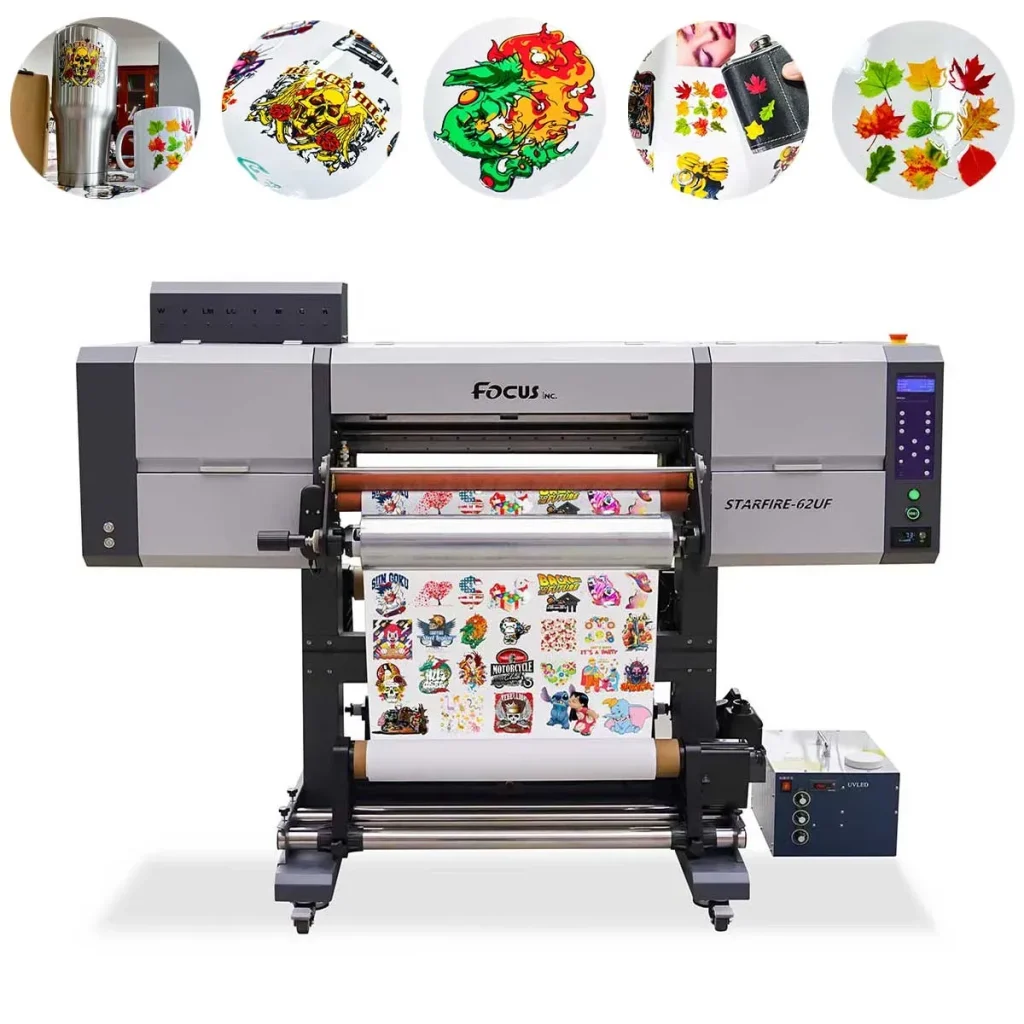
UV DTF Gangheet printing is revolutionizing the printing industry by combining cutting-edge UV printing techniques with the innovative Direct to Film (DTF) method. This unique fusion allows for the creation of vibrant, high-quality prints on a variety of substrates, ensuring durability that meets the demands of both personal and commercial applications. By utilizing specialized gangheet printing tools and high-quality DTF films, printers can achieve stunning results that stand the test of time. With the right UV printing equipment, this method not only enhances color brightness but also broadens creative possibilities, making it a favorite among professionals. In this article, we delve into the essentials of mastering UV DTF Gangheet printing, equipping you with the knowledge to elevate your printing projects to new heights.
Exploring the realm of UV DTF Gangheet printing unveils a fascinating blend of advanced printing methodologies that reflect modern innovation. Also known as Direct to Film printing enhanced by ultraviolet curing, this technique is crafted for those who seek outstanding output quality and resilience. The integration of innovative gangheet printing systems paired with high-performance UV inks marks a noteworthy trend in the printing landscape, offering unparalleled color accuracy and durability. As interest in versatile applications continues to grow, understanding the associated tools and techniques is essential to mastering this art form. In this discourse, we will uncover the strategies that can propel your printing endeavors forward, maximizing efficiency and quality.
Understanding the Basics of UV DTF Gangheet Printing
UV DTF Gangheet Printing represents a revolutionary amalgamation of Direct to Film (DTF) and ultraviolet (UV) printing technologies. This technique allows for the application of vibrant and intricate designs onto a variety of substrates using specially formulated UV inks. Unlike traditional methods, the UV inks used in gangheet printing are cured instantly through exposure to UV light, resulting in sharp, vivid prints that maintain their quality over time.
This method also allows for exceptional versatility, as it can be applied not only to textiles but also to hard surfaces like wood, metal, and glass. The uniqueness of this technique lies in its ability to produce durable prints that are water and scratch-resistant, making it ideal for both personal and commercial applications. Ultimately, understanding the foundational principles of UV DTF gangheet printing is crucial for anyone looking to explore modern printing techniques.
Selecting the Right Tools for UV DTF Gangheet Printing
When it comes to UV DTF Gangheet printing, the choice of equipment can significantly impact the quality of your prints. One of the essential tools is the UV printer, which must support UV inks and have advanced features that enhance ink transfer and color vibrancy. Popular brands such as Mimaki and Roland offer models specifically designed for this kind of printing, equipped with robust print heads that ensure a smooth application.
In addition to a quality printer, having a reliable UV curing unit is key to achieving optimal print durability. This equipment allows for quick hardening of inks, resulting in high-quality finishes. Pairing these tools with reliable DTF films specifically designed for UV inks is also crucial to ensure lasting adhesion and resilience of your final product.
Key Materials in UV DTF Gangheet Printing
The choice of materials plays a critical role in achieving high-quality prints in UV DTF Gangheet printing. Using high-quality DTF films that are compatible with UV inks can drastically improve adhesion and overall print quality. These films are designed to hold color vibrancy better than standard films, allowing for more complex designs that stand out.
Furthermore, the use of superior UV inks is vital for ensuring that prints express true color and achieve maximum durability. This means routinely checking ink stocks for quality and consistency to avoid issues during the printing process. Applying topcoats or protective coatings after printing can also help enhance durability, guarding against wear and environmental effects.
Optimizing Your UV DTF Printing Workflow
An efficient printing workflow is essential to achieving the best results with UV DTF Gangheet printing. It starts with meticulous file preparation, where using design software such as Adobe Illustrator ensures that artwork is optimized for quality reproduction. This preparation must include verifying color profiles and appropriate resolutions before sending files to the printer.
Streamlining operational procedures also significantly boosts productivity. Standardizing steps in both the file preparation and printing processes can provide consistency, especially when multiple operators work on different parts of a project. Documenting these procedures not only aids in training but also helps maintain high standards in output quality.
Post-Processing Techniques for Superior Results
Once your prints are completed, implementing effective post-processing techniques is crucial. Conducting rigorous tests, such as wash and abrasion tests, ensures that the prints can withstand the conditions they’ll face in real-world applications. This is particularly important for textiles that experience wear over time, assuring customers of the quality of your work.
Moreover, regular equipment maintenance can significantly influence print quality. Clogged print heads or dirty nozzles can create issues that affect the final output. Setting a routine maintenance schedule not only prolongs the life of your UV printing equipment but also ensures consistent quality in all your printing endeavors.
Best Practices for Success in UV DTF Gangheet Printing
Success in UV DTF Gangheet printing is largely dependent on the quality of your outputs, which in turn is influenced by the skills acquired through practice and ongoing education. Regularly experimenting with different materials and techniques is key to discovering the optimal settings for various projects. This continuous learning process aids in refining your approach to achieve consistent, high-quality results.
Another critical aspect to consider is the importance of networking within the printing community. Engaging with industry experts and participating in forums such as FESPA or PrintWeek can provide insightful knowledge and tips from seasoned printers. Remaining updated on emerging trends and techniques not only enriches your understanding but also prepares you for changes in the competitive landscape.
Frequently Asked Questions
What is UV DTF Gangheet printing and how does it work?
UV DTF Gangheet printing is an advanced printing technique that combines UV printing technology with Direct to Film (DTF) processes. It utilizes UV inks to produce vibrant, durable prints on various substrates. This method transfers designs onto high-quality DTF films, which are then cured using UV light, resulting in prints that are resistant to fading and wear.
What equipment do I need for UV DTF Gangheet printing?
To effectively engage in UV DTF Gangheet printing, you need essential equipment including a UV printer designed for DTF applications, a reliable heat press for transferring films, and a UV curing unit to ensure proper ink hardening. Each piece of UV printing equipment plays a crucial role in achieving high-quality outputs.
What types of substrates are compatible with UV DTF Gangheet printing?
UV DTF Gangheet printing is versatile and can print on various substrates, including textiles, hard surfaces like glass, wood, and metal. The flexible nature of high-quality DTF films allows for creative possibilities across different materials, providing vibrant results.
How does the quality of DTF films affect UV DTF Gangheet printing results?
The quality of DTF films is critical in UV DTF Gangheet printing as it directly influences print adhesion and durability. Using high-quality DTF films that are specially formulated for UV inks ensures optimal results, leading to more vibrant colors and long-lasting prints.
What maintenance practices are essential for UV DTF Gangheet printing equipment?
Regular maintenance of your UV DTF Gangheet printing equipment is vital to maintain print quality. This includes cleaning print heads, checking ink levels regularly, and performing routine servicing of the UV curing unit and heat press to prevent issues such as clogging and uneven prints.
What are the benefits of using UV inks in DTF printing?
Using UV inks in UV DTF Gangheet printing offers numerous benefits, including enhanced color vibrancy, superior durability, and resistance to fading over time. UV inks cure instantly with UV light, allowing for efficient production processes and producing prints that withstand various environmental conditions.
| Key Points | Details |
|---|---|
| Introduction | UV DTF Gangheet printing combines DTF efficiency with UV ink properties for vibrant, durable prints. |
| Technique Overview | Advanced printing technique producing bright, durable prints on various substrates. |
| Essential Equipment | 1. UV Printer (like Mimaki/Roland) 2. Heat Press (for adhesion) 3. UV Curing Unit (for ink hardening) |
| Materials Needed | 1. Quality DTF Films (compatible with UV inks) 2. High-Quality UV Inks (for true color representation) 3. Topcoats and Coatings (for durability) |
| Preparation for Printing | Proper file preparation using design software is key to achieving quality results. |
| Post-Processing Techniques | Conduct tests on prints and maintain equipment for optimal quality. |
| Tips for Success | 1. Enhance Skills 2. Stay Informed 3. Prioritize Quality |
Summary
UV DTF Gangheet Printing is a revolutionary technique in the printing industry that combines the benefits of Direct to Film (DTF) with the durability of UV inks. This method not only creates stunning visuals on diverse surfaces but also ensures these prints withstand the test of time. By leveraging high-quality materials and state-of-the-art equipment, printers can unlock a new realm of creativity and productivity. Mastering the essential skills and techniques outlined can significantly enhance your printing capabilities, ultimately leading to satisfied customers and a successful printing business. As trends evolve, staying updated and adaptable will be key to mastering UV DTF Gangheet Printing in a competitive market.