
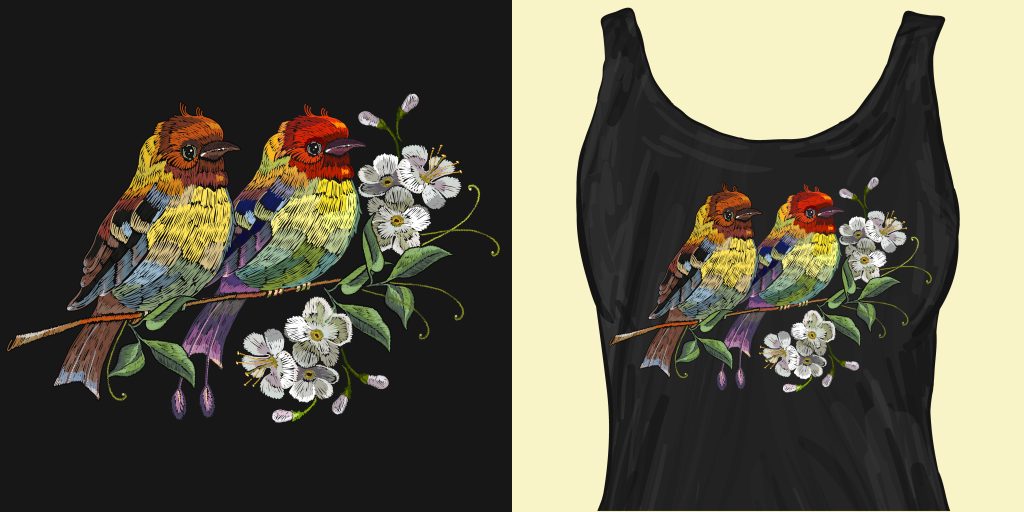
DTF transfers, or Direct-to-Film transfers, have taken the custom apparel market by storm, offering a groundbreaking printing solution that effortlessly combines vibrant colors and intricate designs. This innovative technology enables creators to express their artistic visions on fabric like never before, making it essential to understand how to effectively utilize DTF printing techniques in your projects. In this article, we’ll delve into a variety of DTF printing tips that can help you achieve stunning results while maximizing your creative potential. From selecting the right DTF transfer materials to mastering the transfer process, our insights aim to elevate your custom apparel printing game. Prepare to unlock new levels of creativity and craftsmanship as we guide you through the essentials of DTF transfers!
Also known as Direct-to-Film printing, DTF transfers represent a significant advancement in the world of fabric printing. This method allows for precise and efficient application of designs onto various textile materials, creating custom apparel that is both unique and high-quality. Understanding the nuances of how to execute successful DTF transfers can set aspiring designers apart in a competitive market. In this discussion, we’ll explore practical tips and strategies for enhancing the effectiveness of your transfer processes and ensuring long-lasting prints. By integrating these insights into your workflow, you’re set to revolutionize your approach to apparel design and printing.
Choosing the Right DTF Transfer Materials
Selecting the right materials for DTF transfers is critical for achieving optimal results in custom apparel printing. High-quality DTF films and inks not only impact the vibrancy of the designs but also influence the durability of the prints. For instance, brands like Pullover and TruePix are well-known for their DTF films that excel in color fidelity and adhesion properties. To ensure your prints stand out, prioritize materials that offer excellent color depth and good flexibility, so they can withstand the rigors of repeated washing without cracking or peeling.
Moreover, compatibility with different fabrics plays a crucial role in the success of your DTF transfers. Cotton and polyester blends are typically favored for DTF printing due to their ability to absorb the ink correctly, resulting in vibrant and long-lasting prints. When exploring your options, be sure to consult manufacturer specifications to confirm that the films and inks you choose match your target fabrics, as this compatibility can significantly affect the final appearance and longevity of your designs.
Frequently Asked Questions
What are the best materials for DTF transfers?
When selecting materials for DTF transfers, prioritize high-quality DTF films and inks to achieve vibrant and durable prints. Look for products that enhance color depth, offer flexibility for washability, and are compatible with fabrics such as cotton and polyester blends.
How do I get started with DTF printing tips?
To successfully begin DTF printing, focus on designing at a high resolution (300 DPI or higher) and using the correct color profiles for accurate color representation. Conduct thorough tests on various materials to ensure durability and quality of your prints.
What is the process for how to DTF transfer?
The process of DTF transfer involves preparing your materials and designs, applying the correct heat settings, and ensuring consistent pressure during the transfer. Using a heat press helps to maintain uniform temperature and pressure for effective adhesion to the fabric.
What are some common mistakes to avoid with DTF printing?
Common mistakes in DTF printing include using low-quality materials, not checking compatibility with garment fabrics, and failing to apply consistent pressure during transfers. Always test and review your settings before larger runs to avoid costly errors.
How can I maximize creativity with DTF transfers?
Maximize creativity in DTF transfers by experimenting with layering techniques and specialty inks to create unique effects. Stay updated on current fashion trends and color palettes to keep your designs relevant and appealing to your target audience.
What are the latest developments in DTF printing technology?
Recent advancements in DTF technology include improved ink formulations that enhance washability and flexibility, making DTF printing more accessible to small businesses and hobbyists, leading to greater opportunities for creativity in custom apparel.
| Key Points | Details |
|---|---|
| Choosing the Right Materials | Select high-quality DTF films and inks to ensure durability and color vibrancy. |
| Design Considerations | Use high-resolution graphics (300 DPI+), and employ RGB color profiles for vibrant colors. |
| The Transfer Process | Apply heat based on manufacturer specifications, ensuring consistent pressure is used. |
| Post-Process Techniques | Allow for curing time and test prints on various materials before full production. |
| Creativity Tips | Experiment with different inks, layering techniques, and stay updated with fashion trends. |
| Recent Developments in DTF | Improvements in ink formulations enhance washability; DIY kits are making DTF more accessible. |
Summary
DTF transfers have become a game-changer in the custom apparel market, allowing creatives to maximize their artistic capabilities like never before. By focusing on the right materials, refining design processes, and embracing new technologies, users can produce high-quality prints that stand out. The importance of experimenting with various inks and staying attuned to industry trends cannot be overstated, as they play a critical role in maintaining competitiveness in a rapidly evolving fashion landscape. As the DTF printing technology advances, artists and businesses have endless opportunities to explore their creative visions.