
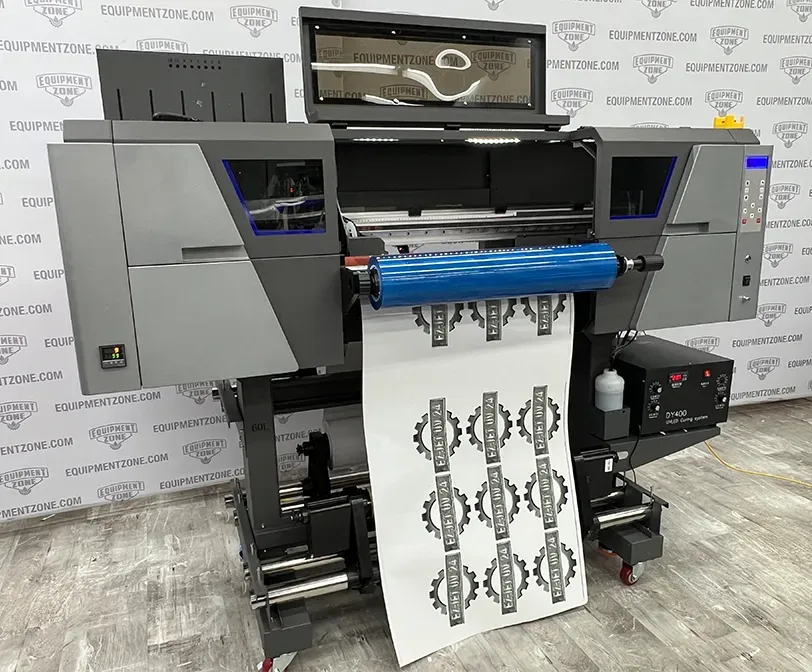
UV DTF Equipment is revolutionizing the way businesses approach digital printing, making it an essential topic for newcomers in the industry. This cutting-edge technology combines the advantages of UV printing with the versatility of direct-to-film techniques, allowing for vibrant and durable prints on various substrates. As you embark on your printing journey, understanding how to choose the right UV DTF equipment can significantly impact your production outcomes and overall success. This introduction to UV DTF will guide you through crucial aspects like selecting the best printer and knowing the benefits of this innovative printing method. With insights into UV printing technology, you’ll be better equipped to navigate the market and make informed decisions for your printing needs.
Entering the digital printing landscape often requires navigating the myriad of options available, including what some refer to as Direct to Film or DTF technology integrated with ultraviolet curing processes. For beginners, understanding the nuances of this advanced printing solution is vital for making effective equipment choices that fulfill specific project requirements. In this guide, we will delve into essential tips for selecting reliable printing machinery and highlight the uniqueness of UV DTF printers in comparison to traditional printing methods. Additionally, we will explore various factors to consider during your purchasing process, empowering you to maximize your creative potential with these remarkable tools. Stay tuned to discover beginner-friendly insights and practical advice for excelling in the world of contemporary printing.
Exploring UV DTF Printing Technology
UV DTF (Direct to Film) printing represents a revolutionary step in the world of digital printing. This technology combines the traditional methods of inkjet printing with innovative ultraviolet curing, resulting in prints that boast intricate details and vivid colors. Unlike standard printing techniques, UV DTF uses UV-curable inks that solidify upon exposure to UV light, allowing for exceptional adhesion on multiple substrates. From plastics to textiles and even metals, UV DTF printing can cater to various market segments, making it an appealing choice for businesses targeting different industries.
Furthermore, the durability of UV DTF prints is unmatched. The prints can withstand harsh environmental conditions, making them suitable for outdoor applications. This resilience not only enhances the product’s longevity but also boosts consumer confidence in customized items, promotional giveaways, and personalized merchandise. As demand for high-quality, durable prints increases, understanding the capabilities of UV DTF technology becomes essential for both newcomers and seasoned professionals in the printing business.
Key Factors in Choosing UV DTF Equipment
Selecting the right UV DTF equipment requires a nuanced understanding of various factors that can influence print quality and operational efficiency. One of the foremost considerations is the print resolution; a high-quality printer should offer at least 720 dpi to ensure that designs are reproduced sharply and clearly. Furthermore, it’s crucial to evaluate the brand’s reputation; trusted manufacturers like Mimaki and Roland have established their credibility in the industry due to their reliable performance and robust customer support.
Compatibility with different inks is also a pivotal aspect to assess. Ideally, your selected printer should accommodate a wide range of ink types, as this versatility will allow you to expand your printing capabilities over time. As the market for custom prints grows, ensuring that your equipment can adapt to various materials and requirements will be beneficial for scaling your operations.
Understanding Print Size and Scalability
When investing in UV DTF equipment, understanding the demands of your projects regarding print size is essential. UV DTF printers differ significantly in their capacity to handle various dimensions. Whether you plan to focus on small, intricate designs or large-format prints, your chosen equipment should meet these needs effectively. Larger prints may open up new business opportunities, particularly in markets seeking eye-catching signage and promotional materials.
Consideration for scalability is equally important; as your customer base grows, so too should your printing capabilities. Selecting a printer that can handle increased volume without a drop in quality or efficiency is crucial for sustaining long-term success. This foresight will allow for smooth transitions during periods of growth and can significantly influence your operational workflow.
Curing Technology: Choosing the Right System
Curing technology is a vital component of the UV DTF printing process. When choosing UV DTF equipment, you will encounter both traditional UV lamps and modern LED curing systems. LED curing technology is particularly notable for its energy efficiency and extended operational life, providing significant cost savings for businesses committed to sustainable practices. Additionally, LED systems have less heat output, making them safer and reducing the risk of substrate warping.
Conversely, traditional UV lamps may offer faster curing speeds which could benefit high-volume printing settings. Entrepreneurs must weigh these options based on specific project requirements, material compatibility, and anticipated production rates. Understanding the advantages and limitations of each curing system can help streamline operations and optimize print quality.
Navigating Support and Maintenance Considerations
The decision to purchase UV DTF equipment should also prioritize effective support and maintenance considerations. A reliable manufacturer will provide robust customer service and solid warranties to address any operational challenges post-purchase. It’s critical to assess the accessibility of customer support channels, especially for beginners who may require additional guidance in troubleshooting or optimizing their printing processes.
In addition to support, regular maintenance practices are necessary to preserve print quality and machine longevity. Equipment that requires straightforward upkeep will prevent extended downtimes and ensure that your workflow remains uninterrupted. Building a relationship with a manufacturer that prioritizes customer assistance and maintenance resources can enhance your printing experience and contribute to your business success.
Managing Costs and Budgeting for UV DTF Printing
Financial considerations are paramount when purchasing UV DTF equipment. It’s vital to calculate the initial investment against the potential return on investment (ROI). A higher upfront cost may oftentimes be justified through lower operational expenses and better print quality. Researching the total cost of ownership—including maintenance, replacement parts, and ink costs—will help you make informed budgeting decisions.
Furthermore, fluctuating ink prices can impact your overall profitability. Understanding the long-term expenses associated with your chosen model will assist you in developing a sustainable financial strategy. It’s beneficial to seek reviews and insights from other users to identify models that offer the best balance between performance and cost efficiency.
Frequently Asked Questions
What are the main benefits of using UV DTF printing technology?
UV DTF printing technology offers numerous advantages, such as durability and versatility. It supports high-quality prints on various substrates, including plastics, fabrics, woods, and metals, making it ideal for personalized products, promotional goods, and custom apparel. Additionally, UV DTF prints are resistant to fading, allowing them to withstand outdoor conditions and maintain vibrant colors over time.
How do I choose the right UV DTF printer for my needs?
When selecting UV DTF equipment, consider factors such as print quality, brand reliability, and ink compatibility. Look for printers with a minimum resolution of 720 dpi for sharp designs. Renowned brands like Mimaki, Epson, and Roland are trusted options. Ensure the printer can easily work with various inks to maximize your printing capabilities.
What should I know about the curing technology in UV DTF printers?
Curing technology is essential in UV DTF printing and typically includes traditional UV lamps and energy-efficient LED options. LED curing systems are popular due to their lower energy consumption and longer lifespan, leading to cost savings. However, traditional UV lamps may provide faster curing speeds, which could benefit high-volume printing operations.
What are the initial investment and running costs associated with UV DTF equipment?
The costs of UV DTF printers vary significantly based on the model and features. When budgeting, evaluate the total cost of ownership, including initial investment and ongoing expenses such as ink prices and maintenance. While cheaper models may seem appealing, they could incur higher running costs over time.
How important is customer support when purchasing UV DTF equipment?
Customer support is crucial when investing in UV DTF equipment. It’s essential to choose a manufacturer that provides strong warranty options and accessible customer service. In case of equipment issues, reliable support can prevent downtime and ensure consistent print quality.
What resources can I use to learn more about UV DTF printing?
To enhance your knowledge of UV DTF printing technology, consider referring to industry publications like Printwear Magazine and the Specialty Graphic Imaging Association (SGIA). These resources offer valuable tips, trends, and updates that can aid in making informed decisions when selecting your UV DTF equipment.
| Key Points | Details |
|---|---|
| Introduction | Choosing the right UV DTF equipment is essential for quality print outputs and business success. |
| Understanding UV DTF Technology | Merges digital printing with UV curing for high-quality, durable prints on various surfaces. |
| Choosing the Right Printer | Consider print quality (minimum 720 dpi), brand reliability (Mimaki, Epson, Roland), and ink compatibility. |
| Print Size and Scalability | Evaluate maximum print sizes and adaptability for future business growth. |
| Curing Technology | Choose between traditional UV lamps and LED systems; consider energy efficiency and curing speed. |
| Support and Maintenance | Select manufacturers with strong customer support and manageable maintenance requirements. |
| Cost and Budgeting | Assess initial investment, running costs, and potential ROI to make informed financial decisions. |
| Recommended Resources | Refer to industry resources like Printwear Magazine and SGIA for insights and trends. |
| Recent Developments | Advances in UV LED technology and water-based inks promote efficiency and sustainability. |
Summary
UV DTF Equipment is critical in today’s digital printing landscape, as it combines the precision of digital techniques with the resilience of UV curing technology. This ensures high-quality, vibrantly detailed prints that withstand various environmental conditions. To select the right UV DTF equipment, consider factors such as technology, cost, and printer capabilities while also staying abreast of the latest developments in the industry. Doing so not only improves your printing outcomes but also positions your business for success in a competitive market.