
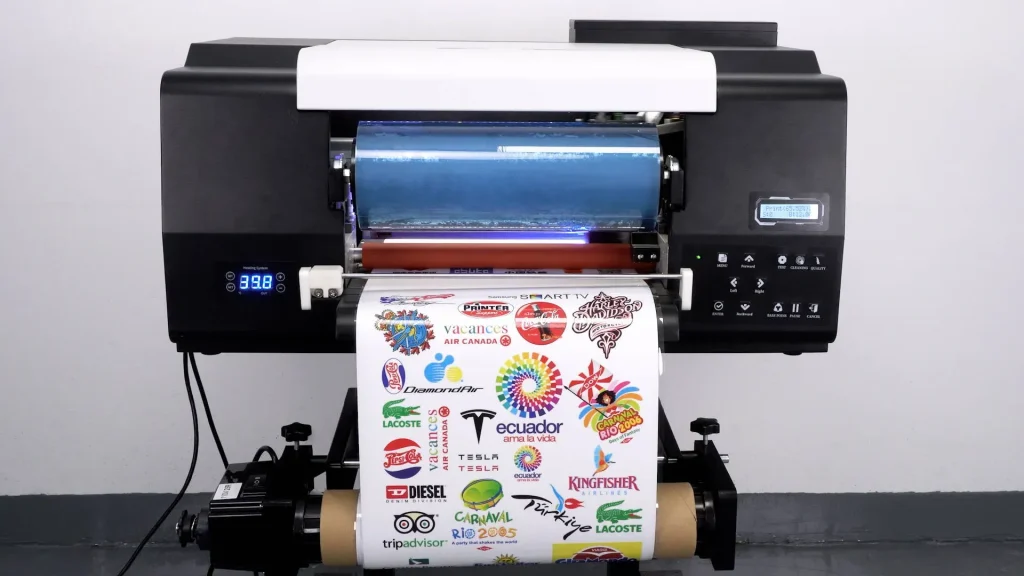
In the world of printing technology, UV DTF (Ultraviolet Direct to Film) has emerged as a revolutionary method that combines the efficiency of UV printing with the flexibility of Direct to Film printing. This innovative approach allows users to create stunning custom prints on a multitude of substrates, making it a favored choice among businesses and hobbyists alike. The benefits of UV DTF are numerous, including rapid production times, exceptional durability, and the ability to print on diverse materials. Whether you’re looking to produce eye-catching promotional items or unique personalized gifts, UV DTF applications cater to a wide array of needs in today’s market. Understanding the fundamentals of UV DTF is essential for anyone wanting to harness the full potential of modern printing technology.
UV DTF (Ultraviolet Direct to Film) printing is rapidly gaining ground as a preferred method for high-quality custom printing across various industries. This technique blends the advantages of ultraviolet printing with those of film transfer methods to produce vibrant and durable prints. Diverse substrates—from textiles to ceramics—can be printed on, making it a versatile choice for personalized creations. By utilizing UV-cured inks, this process not only enhances the longevity of prints but also contributes to a more eco-friendly printing landscape. Exploring the intricacies of this innovative method opens up new possibilities for creators and businesses targeting customized production.
Understanding the Mechanics of UV DTF Printing
To fully grasp how UV DTF printing works, it’s essential to break down the mechanics involved. The process begins with the preparation of the substrate, which can include a diverse array of materials such as fabrics, plastics, wood, or metal. These substrates must be properly prepped to ensure that the print adheres effectively. Once the substrate is ready, the actual printing process begins with the application of UV-cured inks onto a specialized Direct to Film (DTF) film. This technique ensures that images are produced with exceptional detail and color contrast, making it a popular choice for businesses looking for high-quality custom printing.
Following the printing stage, the DTF film is moved under a UV light source for curing. This curing step is critical as it solidifies the inks, making them durable and resistant to scratches and fading. The UV light allows for a quick drying time, facilitating faster production cycles compared to traditional printing methods. Once cured, the DTF film can be easily transferred onto the final product, ensuring that the vibrant graphics are securely affixed and ready for use.
Benefits of Using UV DTF Technology
There are numerous benefits associated with adopting UV DTF printing technology, making it a preferred choice among modern businesses. First and foremost, the versatility of UV DTF allows it to cater to a wide variety of projects, from promotional materials to personalized gifts. This adaptability means that businesses can meet diverse customer demands without needing multiple types of printers or extensive setup changes.
Additionally, UV DTF benefits from enhanced durability and longevity of prints. Unlike some other printing methods that may fade or wear off over time, prints created using UV DTF are designed to withstand everyday challenges such as moisture exposure, UV light, and abrasive environments. This reliability not only assures customers that they are receiving quality products but also reduces the need for reprints, saving time and resources for businesses.
Exploring Applications of UV DTF Printing
The applications of UV DTF printing are vast and multifaceted, allowing businesses to leverage this technology across various industries. For example, customizable apparel can benefit tremendously from this printing method, allowing for intricate designs that are both eye-catching and durable. Furthermore, promotional items such as mugs, phone cases, and signage can be produced with sharp images and logos that will not peel or fade over time.
Moreover, with the advent of home-based printing solutions, hobbyists and small businesses are also beginning to explore the creative potential of UV DTF printing. The ability to print on diverse materials opens up new avenues for crafting unique items like custom gifts or personalized merchandise, further emphasizing the flexibility and utility of UV DTF technology.
Recent Innovations in UV DTF Technology
Innovation within the UV DTF printing landscape is progressing rapidly, with manufacturers continually seeking ways to improve print quality and operational efficiency. Recent advancements have introduced specialized printers tailored exclusively for UV DTF applications. These machines come equipped with enhanced features such as advanced ink formulations that provide richer colors and more robust print durability.
In addition, improvements in curing technology have significantly streamlined the production process. New UV curing systems allow for faster and more even curing of prints, reducing turnaround times and enhancing overall print quality. Such innovations not only improve the user experience for those employing UV DTF but also contribute to a growing demand for customizable products in various markets.
Environmental Considerations in UV DTF Printing
With the pressing need for eco-friendly practices in all industries, UV DTF printing has positioned itself as a sustainable option in the printing world. Many UV inks used in this process feature low volatile organic compounds (VOCs), reducing harmful emissions during production. This eco-conscious approach not only benefits the environment but also appeals to consumers who are increasingly aware of and concerned about the sustainability of the products they purchase.
Moreover, the durability of UV DTF prints means that products manufactured using this technology are less likely to end up in landfills prematurely, as they resist wear and tear much better than traditional prints. This longevity aligns with the push toward sustainability, allowing businesses that use UV DTF to market their offerings as both high-quality and environmentally friendly.
The Future of UV DTF Printing
As the demand for personalized and customized products continues to grow, the future of UV DTF printing appears bright. Industry experts predict that advancements in technology will lead to even greater efficiency and quality, positioning UV DTF as a leading choice for businesses. As manufacturers develop smarter printing systems with integrated software solutions, users will gain more control over print settings, enabling customization levels previously unattainable.
Additionally, the expansion of UV DTF technology is likely to tap into new markets, including the automotive, textile, and arts sectors. As printing techniques continue to evolve, UV DTF will become an essential tool for achieving not only stunning visuals but also functional and durable prints, solidifying its relevance in the ever-changing landscape of the printing industry.
Frequently Asked Questions
What is UV DTF and how does it work in custom printing?
UV DTF, or Ultraviolet Direct to Film printing, is a modern printing technology that utilizes both UV printing and Direct-to-Film methods. This process involves printing designs onto a specialized film with UV inks, which are then cured under ultraviolet light, ensuring vibrant and durable prints suitable for various substrates in custom printing.
What are the main benefits of using UV DTF in printing compared to traditional methods?
The primary benefits of UV DTF printing include excellent durability, as it resists scratches and fading; fast production times due to instant curing; and versatility, allowing printing on many materials such as textiles, plastics, and metals. Additionally, many UV DTF inks are eco-friendly, featuring low volatile organic compounds (VOCs).
Can UV DTF be used for promotional products and merchandise?
Absolutely! UV DTF is ideal for creating promotional products and custom merchandise. Its ability to print on various substrates means you can produce high-quality items such as personalized gifts, branded promotional materials, and unique home décor that stand out and last.
What types of materials can I use with UV DTF printing?
UV DTF printing is highly versatile and can be applied to a wide range of materials including textiles, plastics, ceramics, and metals. This flexibility allows for creative custom printing projects across different industries.
How does the curing process in UV DTF enhance print quality?
The curing process in UV DTF printing instantly solidifies the UV inks applied to the film. This rapid curing enhances print quality by providing vivid colors, sharp details, and a durable finish that resists wear and tear, making the prints long-lasting.
What recent advancements have been made in UV DTF technology?
Recent advancements in UV DTF technology include the introduction of new printers specifically designed for this process, which feature improved ink formulations and enhanced curing technologies. These innovations lead to better print quality and increased operational efficiency, catering to the growing market for customized printing solutions.
| Feature | Description |
|---|---|
| Versatility | Can print on a wide range of materials, including textiles, plastics, ceramics, and metals. |
| Durability | Resistant to scratches, fading, and water exposure. |
| Fast Production Time | Quick curing process allows faster turnaround times for customers. |
| Eco-Friendly Options | Low VOC content in ink formulations promoting sustainability. |
Summary
UV DTF, or Ultraviolet Direct to Film printing, represents a revolutionary approach in the printing industry that combines versatility and high-quality results. This method allows for vibrant, long-lasting prints on a multitude of substrates, catering to a wide array of applications. The process is both efficient and eco-friendly, addressing modern concerns while meeting the growing demand for customized products. As technology continues to advance, UV DTF is set to enhance operational efficiencies and redefine printing capabilities.