
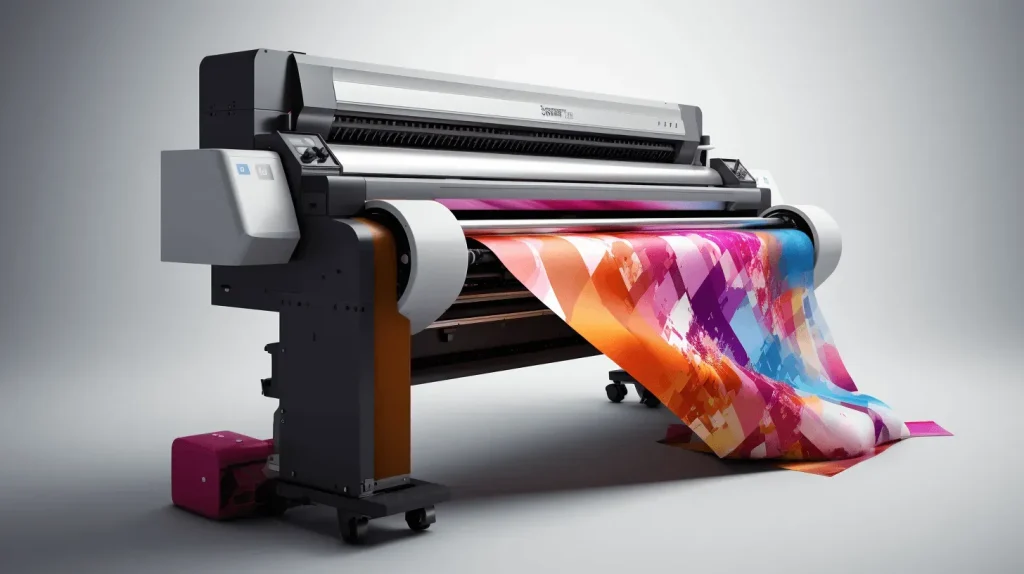
DTF printing, or Direct to Film printing, has revolutionized the way custom printing solutions are produced, combining quality and efficiency in a unique way. This innovative technology not only allows for precise and vibrant image transfers onto a wide range of fabrics, but also makes affordable small batch production a reality for decorators and designers alike. With its quick turnaround times and exceptional detail reproduction, DTF printing has quickly become the go-to choice for custom apparel and promotional products. The advantages of DTF printing, including its adaptability across various substrates and minimal environmental impact, further enhance its appeal in today’s eco-conscious market. In this guide, we will delve into the mechanics, benefits, and future potential of DTF technology, illustrating its pivotal role in modern printing solutions.
Direct to Film printing, commonly known in the industry as DTF technology, represents a significant advancement in the realm of custom printing. This printing approach utilizes innovative methods to produce high-quality designs quickly and efficiently, catering to various fabric types from cotton to polyester blends. Businesses are increasingly leveraging DTF printing advantages as they cater to the growing demand for tailor-made products. Furthermore, the versatility of this technology makes it suitable for a wide array of applications, from personalized clothing to promotional materials. As we explore the fundamentals of DTF printing, you’ll find that it stands out as a cutting-edge solution that meets the unique needs of today’s printing market.
Understanding DTF Printing: A Revolutionary Process
DTF printing, known as Direct to Film printing, represents a major leap in the evolution of printing technologies. This innovative process differentiates itself by using a specialized film to produce high-quality transfers that can adhere to various substrates such as fabrics, ceramics, and more. Unlike traditional printing methods, DTF printing combines the benefits of both digital printing and heat transfer, allowing designers to achieve intricate designs with vibrant colors. By leveraging this technology, businesses can create stunning visual products that stand out in a competitive market.
Another significant benefit of DTF technology is the ease of application. The method’s streamlined workflow means that once a design is printed onto the film, it is ready for heat transfer in just a few steps. This simplification reduces labor time without compromising quality, making DTF an excellent choice for both established businesses and startups looking to venture into custom printing. Furthermore, the eco-friendly nature of this printing method aligns with the growing demand for sustainable practices in the production of personalized items.
The Advantages of DTF Printing Over Traditional Methods
One of the standout advantages of DTF printing is its exceptional color vibrancy. This method utilizes a unique ink formulation that ensures colors are bold and images maintain their detail even after multiple washes. In contrast to traditional screen printing, which can sometimes produce muted colors, DTF printing consistently delivers eye-catching results, making it ideal for custom apparel designs that require precision and clarity.
Additionally, DTF printing offers unparalleled versatility in terms of fabric compatibility. From cotton to synthetic fabrics, DTF can handle them all with remarkable proficiency. This adaptability allows businesses to cater to a broader range of customer needs, producing custom products tailored for specific uses, whether for fashion, sports, or promotional services. The flexibility to print on multiple fabric types ensures that DTF printing can meet the demands of an expanding market.
Cost-Effectiveness of DTF Printing for Small Businesses
For small businesses and independent designers, DTF printing can be a game-changer. It is often more cost-effective than traditional methods such as screen printing due to its lower setup costs and minimal waste generation. Businesses can produce small print runs without incurring heavy financial burdens, which is particularly beneficial for those testing new designs or entering niche markets. As a result, DTF printing opens new avenues for creativity while keeping financial investments manageable.
Moreover, the quick turnaround times associated with DTF printing further enhance its appeal. With the capability to produce custom prints rapidly, businesses can respond to market changes and customer demands swiftly. This flexibility not only allows for faster production times but also fosters a more dynamic approach to inventory management, enabling sellers to offer limited-edition runs that cater to timely trends.
Environmental Benefits of DTF Printing
As sustainability becomes increasingly important to consumers and businesses alike, DTF printing provides an environmentally friendly alternative to traditional printing methods. The DTF process generates significantly less waste, as it requires smaller quantities of ink and minimizes the use of pre-treatment chemicals that can be harmful to the environment. This reduction in material waste aligns with the growing demand for eco-conscious production techniques, making DTF an attractive option for modern businesses seeking to enhance their green credentials.
Additionally, the innovation behind DTF technology includes the use of less toxic inks and adhesives, which further reduces its environmental impact. As companies consistently explore ways to improve their sustainability practices, DTF printing offers an effective solution that meets both production needs and ethical responsibilities.
Key Technologies Driving DTF Printing Innovation
The advancement of DTF printing technology is continually evolving, with innovations that enhance both performance and ease of use. Modern DTF printers are equipped with improved print heads and more efficient ink formulations that deliver higher durability for printed designs. These upgrades ensure that prints not only look fantastic but can withstand the rigors of daily wear and tear, making them ideal for custom apparel that will be washed frequently.
Furthermore, the development of user-friendly features has made DTF printers accessible to a wider range of individuals, including those new to the printing industry. With the rise of online tutorials and educational resources focused on DTF technology, aspiring entrepreneurs can quickly learn how to operate these machines effectively, allowing them to produce high-quality prints and compete in an evolving market.
Steps to Start Your DTF Printing Business
Starting a DTF printing business involves careful planning and the right equipment. First, investing in a reliable DTF printer tailored to your specific needs is essential. The market offers various options, so selecting one that combines efficiency with print quality is crucial. Moreover, obtaining high-quality specialized films and DTF inks can significantly influence your output quality, ensuring that your products meet customer expectations.
In addition to the printer and supplies, you will need a heat press that offers precise temperature settings and heat distribution for optimal transfers. Mastering the step-by-step process of DTF printing—from design creation to the final heat transfer—will help streamline your operations. With the right tools and knowledge, you’ll be well on your way to establishing a successful printing business.
Frequently Asked Questions
What are the main advantages of DTF printing in the custom printing industry?
DTF printing offers numerous advantages, including vibrant color representation, compatibility with various fabrics, cost-effectiveness for small runs, and a lower environmental impact compared to traditional printing methods. Its ability to produce high-quality designs quickly makes it a popular choice for custom printing.
How does DTF printing differ from Direct to Garment (DTG) printing?
DTF printing differs from Direct to Garment (DTG) printing primarily in its process. While DTG prints ink directly onto the fabric, DTF printing uses a special film and adhesive powder, which allows for more intricate designs and better compatibility with various substrates. This difference enhances the durability and vibrancy of the prints.
What is the recommended equipment for starting a DTF printing business?
To start a DTF printing business, you’ll need a reliable DTF printer, high-quality specialized film and DTF inks, a heat press machine for transferring designs, and adhesive powder for ensuring proper adhesion. Investing in the right equipment is crucial for achieving excellent print quality.
Can DTF printing be used on different types of fabrics?
Yes, DTF printing is highly versatile and can be used on a wide range of fabrics including cotton, polyester, and fabric blends. This adaptability makes it an excellent choice for businesses looking to create customized products tailored to diverse customer needs.
What future trends can we expect in DTF printing technology?
Future trends in DTF printing technology include advancements in printer capabilities, such as improved print heads and ink formulations that enhance durability, as well as more user-friendly machines that cater to beginners. The expected growth in the custom apparel market will drive further innovations within DTF printing.
What steps are involved in the DTF printing process?
The DTF printing process involves several key steps: designing your graphic, printing it onto DTF film, applying adhesive powder, preheating a heat press, and finally transferring the design to your chosen fabric using the heat press. Following these steps carefully ensures a high-quality final product.
| Key Aspect | Details |
|---|---|
| Definition of DTF Printing | An advanced technique in custom printing that uses Direct to Film (DTF) technology to transfer designs onto various substrates. |
| Process Overview | Design is printed on a film, coated with adhesive powder, heated, and transferred onto fabric using a heat press. |
| Advantages | Includes color vibrancy, fabric versatility, cost-effectiveness for small runs, and reduced environmental impact. |
| Market Growth | Expected CAGR of over 10% driven by demand for customized apparel and promotional items. |
| Technological Innovations | Advancements in print heads and inks, user-friendly features, and increasing educational resources available. |
| Getting Started | Essential tools include a DTF printer, specialized film and inks, a heat press, and adhesive powder. |
| DTF Printing Process Steps | 1. Create Design 2. Print on Film 3. Apply Adhesive Powder 4. Heat Press 5. Transfer design onto fabric. |
Summary
DTF printing is an innovative custom printing solution that allows for vibrant and detailed transfers onto fabrics. Best known for its versatility and cost-effectiveness, DTF printing is quickly becoming the go-to method for businesses looking to produce high-quality apparel and promotional items. As we explore this technology further, it is evident that its growth is rooted in its ability to adapt to various materials and its reduced environmental impact compared to traditional printing methods. With proper investment in DTF technology and understanding the step-by-step process, businesses can effectively harness the potential of DTF printing to meet the rising demand for personalized products.