DTF gangsheet builder: A Comprehensive Competitor Comparison
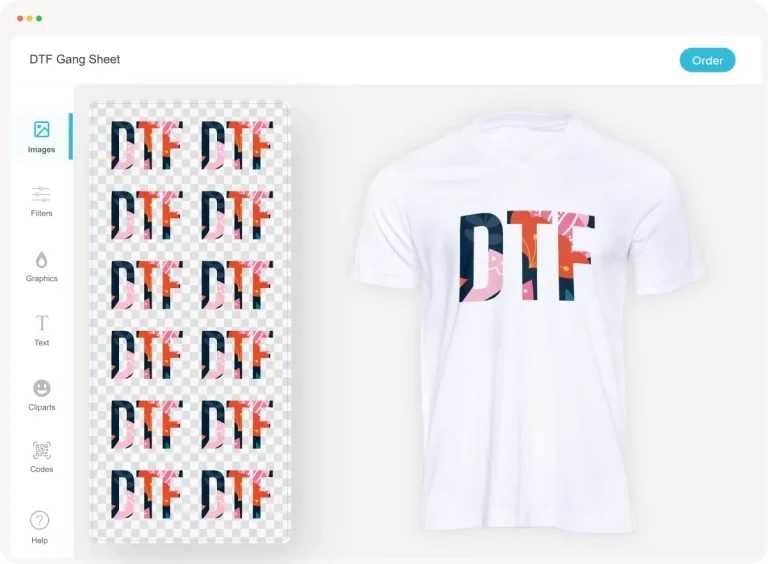
DTF gangsheet builder is rapidly becoming a cornerstone tool for digital textile transfer shops looking to maximize yields, reduce waste, and speed up production. As the DTF printing market expands and design files multiply, this gangsheet software helps convert multiple designs into a single printable sheet with optimized spacing, margins, and color accuracy. For shops evaluating options, a clear DTF tool comparison reveals how such a solution stacks up against manual nesting and other automation workflows. By streamlining workflow automation, the tool can reduce setup time, improve consistency across batches, and align output with printer and transfer film specs. Whether you run small runs or large orders, adopting a DTF gangsheet builder can unlock faster turnarounds and lower waste across the entire production line.
In alternative terms, this class of layout engine serves as a multi-design nesting solution for digital textile transfers, placing several designs on one sheet to cut waste. Viewed as part of the DTF printing workflow, it functions as a gangsheet packing module that coordinates color management, printer settings, and RIP-compatible exports. Other descriptions include a sheet-layout optimizer, a batch-export facilitator, and an automation layer that boosts throughput without compromising transfer quality.
DTF Printing Efficiency: How a DTF Gangsheet Builder Boosts Throughput
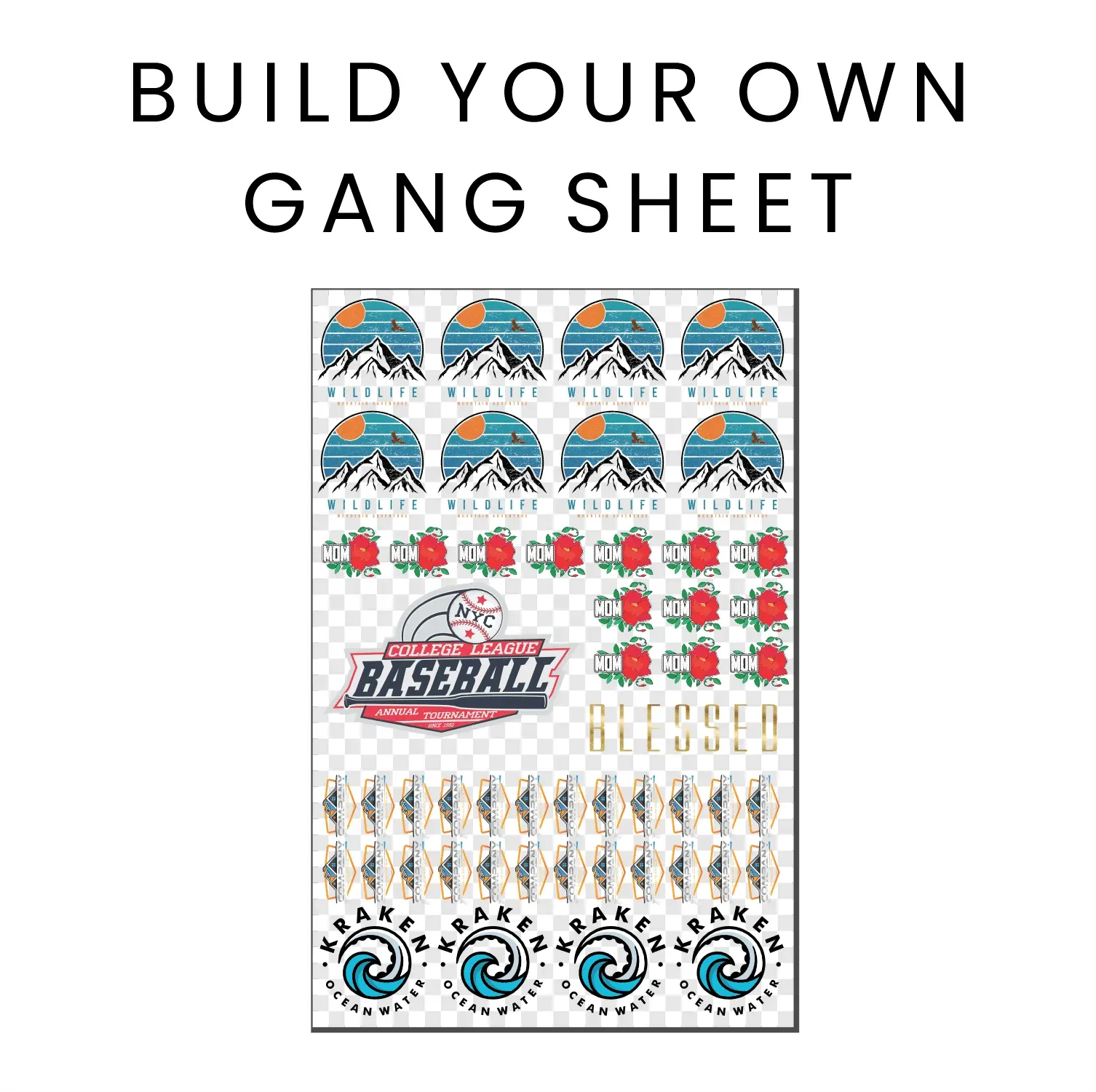
In a busy DTF printing environment, speed and accuracy go hand in hand. A DTF gangsheet builder aggregates dozens of designs onto a single printable sheet, optimizing spacing and margins so printers run continuously rather than reconfiguring between jobs. This core capability—nesting intelligence—reduces setup time and accelerates the path from design concept to finished transfers. The result is higher output without sacrificing image integrity or color fidelity.
By leveraging automatic nesting, bleed control, and printer-specific adjustments, shops can scale production while maintaining consistent results across batches. The integration with workflow automation means file naming, versioning, and batch exports align with the shop’s RIP and transfer film settings. For DTF printing operations, the gain in throughput is often accompanied by a reduction in waste and a more predictable schedule.
Nesting, Layout Optimization, and the Power of Gangsheet Software
Nesting is the heart of a successful gangsheet workflow. Advanced gangsheet software analyzes each design’s dimensions, margins, and bleed requirements, then arranges them to maximize sheet utilization. The result is fewer cut pieces and less scrap, which directly lowers material costs and keeps production moving.
Beyond raw efficiency, layout optimization supports color management by keeping design positions consistent across sheets, aiding printer alignment and ICC profile application. With a robust interface, operators can still fine-tune placements for critical designs while preserving automatic benefits. This combination—intelligent nesting plus easy control—defines modern DTF workflows.
DTF Transfers and Color Management: Keeping Color Fidelity Across Sheets
DTF transfers rely on precise color reproduction from design to transfer. A capable color management pipeline within the gangsheet tool ensures ICC profiles, color spaces, and printer adjustments stay aligned across every sheet. This minimizes color drift and provides reliable proofs for customers.
Calibrating color early and maintaining consistent transfer film settings reduces post-processing needs. When the tool exports print-ready files, the color proofs should reflect the final output, facilitating smoother RIP integration and faster approvals. In short, robust color management is a cornerstone of successful DTF transfers and high-quality apparel printing.
DTF Tool Comparison: How a Dedicated Gangsheet Builder Stacks Up Against Manual Nesting and General Tools
Compared with manual nesting, a dedicated DTF tool comparison reveals clear advantages in speed, repeatability, and waste reduction. Manual workflows depend on human precision, which introduces variability that grows with design complexity. In contrast, a gangsheet builder applies consistent spacing, margin rules, and bleed controls across dozens of designs in a single sheet.
When pitting against generic layout software, the benefits extend to printer-specific adjustments and DTF transfers-ready exports. While broad software suites may offer color management, they rarely optimize multi-design packing for gang sheets. The result is more manual intervention and less predictable production, especially for high-volume orders.
Workflow Automation and Integration: From File Naming to Batch Exports
Workflow automation streamlines repetitive tasks that stall throughput. Features like automatic file naming, versioning, color proofs, and batch exports align with RIP workflows, reducing manual touches and the risk of human error. This makes it easier to scale operations without expanding headcount.
Seamless integration with design tools, RIP software, and transfer-film profiles ensures that each file transitions smoothly from design to print. Automated checks can verify size constraints, color accuracy, and export readiness before sending jobs to the queue. For busy shops, workflow automation translates directly into faster turnarounds and more consistent results.
Investment, ROI, and Support: Choosing the Right Gangsheet Software for Your Shop
Investing in a gangsheet software solution is most compelling when time saved translates into capacity gains and revenue. A typical ROI analysis considers time saved per job, average hourly rate, and monthly job volume, then compares it to subscription or licensing costs. With a well-chosen tool, payback periods can be short, especially when waste reduction and faster turnarounds are realized.
Ongoing updates, vendor support, and an active user community add value over the tool’s lifetime. Consider the availability of printer-specific updates, compatibility with your RIP, data backup, and security features as part of total cost of ownership. A strong support ecosystem reduces downtime during critical production periods and helps you maximize the benefits of DTF printing.
Frequently Asked Questions
What is a DTF gangsheet builder and why is it essential for DTF printing workflows?
A DTF gangsheet builder is specialized software designed to arrange multiple DTF transfers on a single sheet, optimizing layout to minimize waste and preserve image quality in DTF printing workflows. It enables automatic nesting, bleed and margin control, and batch export, turning dozens or hundreds of designs into print-ready sheets and enabling workflow automation.
How does the DTF gangsheet builder compare to manual nesting or generic gangsheet software in a DTF tool comparison?
In a DTF tool comparison, a dedicated DTF gangsheet builder generally outperforms manual nesting or generic gangsheet software by delivering automatic layout optimization, printer-specific adjustments, and batch processing, reducing setup time and human error.
Can a DTF gangsheet builder handle large volumes of DTF transfers efficiently?
Yes. A DTF gangsheet builder is built for large volumes, efficiently packing many designs per sheet, validating size constraints, and producing consistent results across many DTF transfers. This reduces idle time and accelerates production throughput.
What features should I look for in a DTF gangsheet builder to ensure optimal nesting and color management for DTF printing?
Key features include nesting efficiency, color management with ICC profiles, printer/media compatibility, flexible export formats, and integration with RIPs, plus workflow automation to name and version files.
Is there a difference between cloud-based and on-prem DTF gangsheet builders in terms of workflow automation and security?
Cloud-based options offer accessibility and collaboration, while on-prem solutions provide faster local access and potentially stronger data control. For workflow automation, both can work, but consider data security, network reliability, and governance when choosing a DTF gangsheet builder.
How does a DTF gangsheet builder integrate with RIP software and what export formats are commonly supported for DTF printing?
A DTF gangsheet builder should offer direct integration with RIP software and support export formats such as PNG, TIFF, and PDF that are ready for your printer and transfer film workflow. Color-managed output and printer profile alignment help ensure consistent DTF transfers.
| Topic | Key Points |
|---|---|
| What is it? | Software to arrange multiple transfer designs on one sheet to minimize material waste while preserving image quality. Supports batch processing, automatic nesting, bleed and margin control, color management, and export options aligned to DTF printing workflows. |
| Core features | Nesting efficiency and layout optimization; color management; printer/media compatibility; output formats and integration; workflow automation; ease of use; pricing model; support/updates; data security and backup; community/ecosystem. |
| DTF gangsheet builder vs Competitors | Manual nesting is time-consuming and prone to human error; generic design tools lack automated nesting and printer-specific adjustments; other automation tools may only handle single transfers; broad DTF suites can be expensive and not always optimized for gangsheet packing; cloud vs on-prem options affect accessibility and data control. |
| Real-world scenarios | Small shop with rising order volume benefits from automatic nesting and faster client delivery; mid-sized shops gain batch export and color proofing efficiency; shops expanding to new substrates or sheet sizes can adapt layouts without retooling workflows. |
| ROI & cost considerations | Time saved per job, reduced material waste, faster turnaround translate to capacity gains. Payback depends on monthly job volume; ink/film savings and higher-value opportunities further improve ROI. |
| Practical tips | Build a clean template library; calibrate ICC profiles with printer characteristics; run pilot projects; integrate with RIP software for final color management; document best practices for consistency as the team grows. |
| Operational considerations | Ensure regular vendor updates; evaluate support response times; check data security and backups; assess active user communities and knowledge bases for ongoing learning. |
Summary
Table provided above summarizes the key points from the base content about a DTF gangsheet builder and how it compares with alternatives, along with practical usage considerations.