DTF Gangsheet Building: Unlock Creative Potential Today
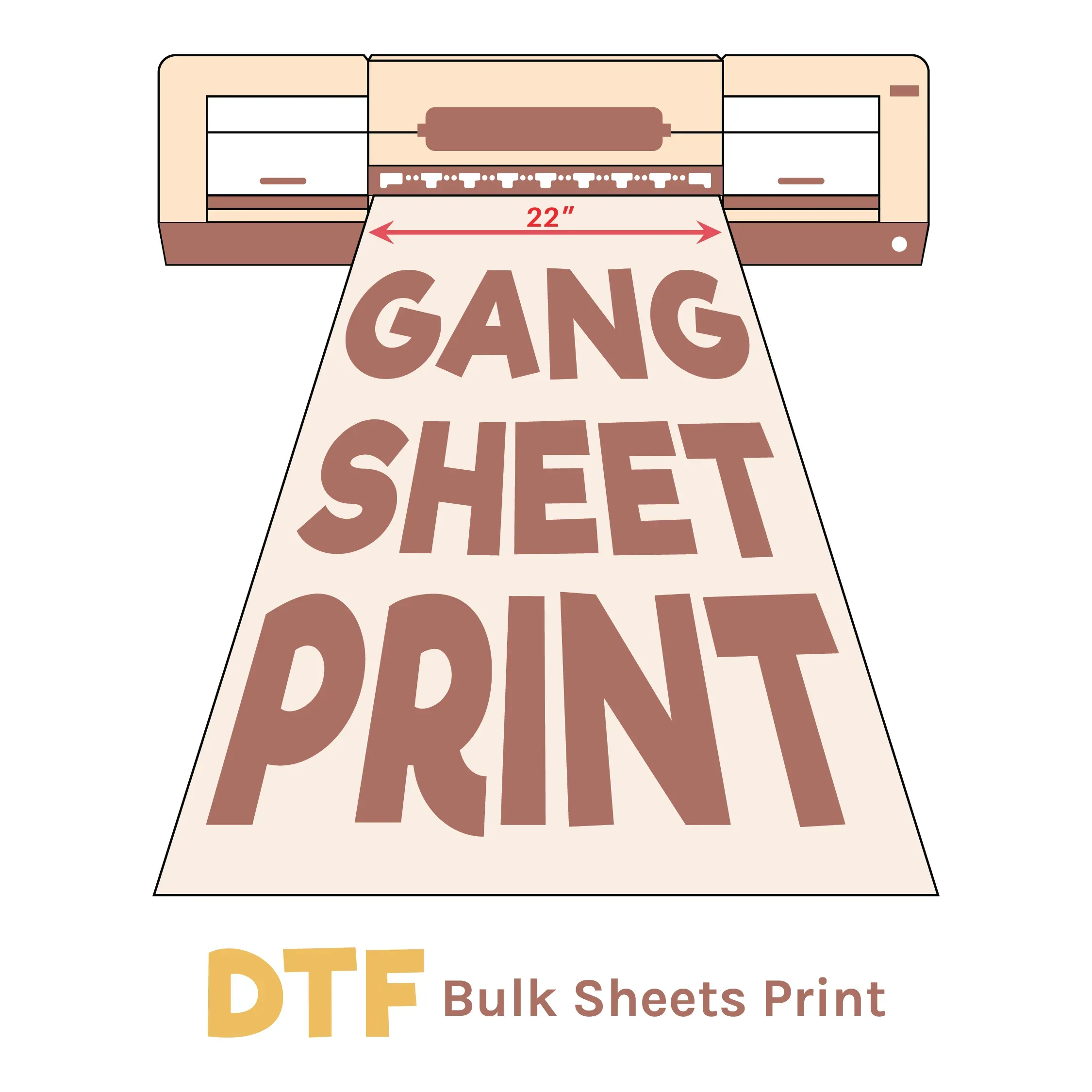
DTF gangsheet building has revolutionized the landscape of custom printing, making it more efficient and cost-effective. By utilizing direct-to-film (DTF) printing techniques, businesses can consolidate multiple designs into a single gang sheet, drastically reducing waste and production time. This best practice not only streamlines the printing process but also enhances profitability, allowing creators to produce high-quality transfers with remarkable ease. In this guide, we will explore essential strategies for creating gang sheets, provide insights into DTF transfer film, and reveal best practices DTF to elevate your printing experience. Dive into the world of efficient printing techniques and discover how mastering DTF gangsheet building can unlock your full creative potential.
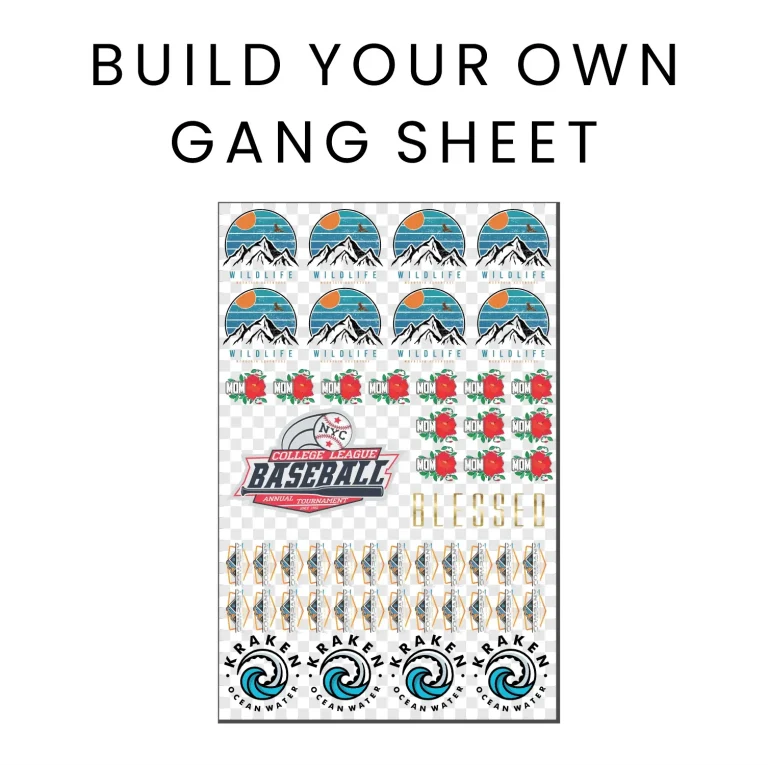
The concept of constructing a DTF gang sheet involves grouping various artwork designs to maximize the output from a single sheet of transfer film. This innovative technique, appreciated in the custom printing sphere, not only enhances productivity but also minimizes material wastage. By implementing effective design strategies and ensuring a cohesive aesthetic across different designs, you can significantly improve your printing outcomes. Understanding the significance of layout optimization and employing precise tools are key factors for achieving superior quality in your prints. As you explore this topic, you’ll also encounter alternative methodologies that align with the principles of gang sheet creation, showcasing the adaptability and efficiency of modern printing solutions.
What is DTF Printing?
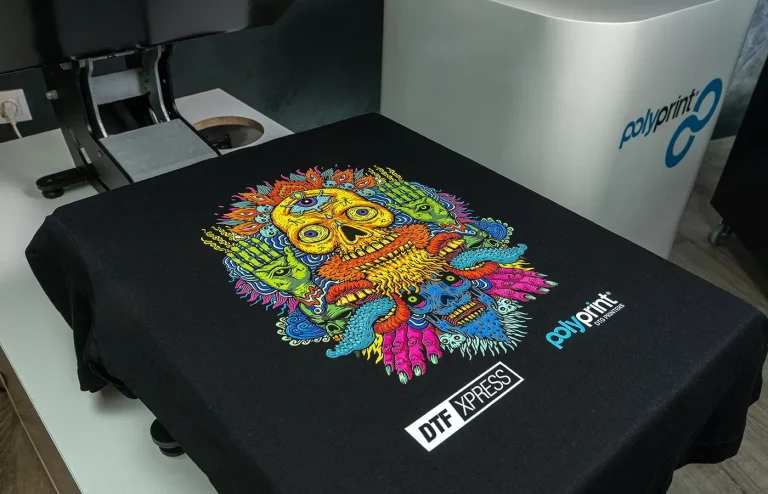
Direct to Film (DTF) printing is an innovative technique that allows for the direct application of designs onto transfer films, which can then be applied to textiles. This process involves printing artwork onto a specially coated film using a DTF printer, followed by the application of a powder adhesive and heat curing, ultimately resulting in vibrant, high-quality prints. DTF printing is celebrated for its versatility in handling various fabric types, making it a preferred choice for custom apparel businesses.
The DTF printing process has gained traction due to its simplicity and efficiency. Unlike traditional methods, such as screen printing or direct-to-garment (DTG) printing, DTF enables faster production times and minimal setup costs. This newfound accessibility has opened doors for many small businesses to deliver custom printed apparel without the need for extensive investments in equipment or materials.
The Advantages of DTF Gangsheet Building
DTF gangsheet building offers numerous advantages to businesses looking to streamline their printing processes. One of the primary benefits is the ability to combine multiple designs onto a single sheet, which maximizes the use of transfer film and minimizes waste. By optimizing the layout of designs, businesses can produce more work in less time, ultimately cutting down on production costs and improving profit margins.
Additionally, the use of DTF gang sheets enhances consistency in quality and color accuracy across multiple prints. By grouping similar designs together, businesses can ensure that all items maintain the same color vibrancy and print quality. This level of consistency not only boosts customer satisfaction but also strengthens brand identity, making DTF gangsheet building an invaluable tool for any custom printing venture.
Best Practices for Creating DTF Gang Sheets
To create effective DTF gang sheets, it’s essential to follow a few best practices that lead to optimal results. Start with a well-planned layout, ensuring that all designs fit harmoniously on the transfer film. Create a mockup of your gang sheet to visualize the arrangements; this pre-production step can prevent costly mistakes during printing.
It’s also critical to maintain uniformity across all design elements. This includes using consistent color palettes, matching font styles, and coordinating themes. By keeping designs cohesive, you not only improve the overall aesthetic of the finished product but also facilitate a smoother printing process, reducing the likelihood of errors that can arise from abrupt design changes.
Lastly, always utilize high-quality DTF transfer film and invest in reliable design software for layout planning. Quality materials prevent issues like fading or peeling of prints and ensure that the artwork looks its best when applied to the fabric.
Avoid These Common Pitfalls in DTF Gangsheet Production
Despite its advantages, DTF gangsheet production can come with its own set of challenges. One major pitfall to avoid is improper design placement. Failing to accurately map out where each design will sit can result in overlap or misalignment, which can compromise the end quality of the prints. It’s essential to meticulously plan the layout before executing the print, paying special attention to spacing.
Another common mistake is making last-minute design changes without revising the gang sheet’s layout. Such alterations can cause confusion and errors, extending the production timeline and potentially increasing costs. Implement a thorough review process to ensure all designs are finalized before printing begins. Establishing a workflow that includes proofing stages can help mitigate these issues.
Key Tools for Successful DTF Gangsheet Creation
Having the right tools is crucial for successful DTF gangsheet creation. Start with a high-performance DTF printer designed for efficiency and quality output. The printer’s specifications will greatly impact the final look of your prints, from color vibrancy to detail. Choosing an appropriate printer is vital for meeting customer expectations and maintaining high standards.
Additionally, quality DTF transfer films are essential for achieving durable and vibrant designs. Investing in reputable brands that are known for their transfer films will pay off in the long term, as it reduces the instances of print failures and boosts customer satisfaction. Lastly, utilizing design software like Adobe Illustrator can streamline your design process, allowing for easy adjustments and high-quality mockups.
Maximizing Efficiency in DTF Gangsheet Production
Maximizing efficiency in DTF gangsheet production is essential for keeping overhead costs low while maintaining quality output. Techniques like batch printing are instrumental in saving time and resources; by preparing multiple gang sheets for printing in one go, businesses can reduce the frequency of printer setup and cleanup.
Moreover, planning your designs strategically can help maximize your sheet space. This means carefully arranging your designs to fit as many as possible on a single sheet, thereby optimizing material use and cutting production costs. Conducting pre-print tests to identify potential issues before a full run can also save time and money, ensuring you start producing high-quality prints from the get-go.
Frequently Asked Questions
What is DTF gangsheet building and why is it important?
DTF gangsheet building is a method in Direct to Film (DTF) printing where multiple designs are combined on a single sheet of transfer film. This practice is essential for optimizing printing efficiency, minimizing material waste, and reducing costs, making it a key strategy for businesses looking to enhance profitability.
How can I create effective DTF gang sheets?
To create effective DTF gang sheets, ensure consistent design elements across your transfers, optimize your layout by planning space and clustering similar designs, and utilize design software with grid overlays for precise alignment. These steps will help maximize space and quality in your DTF printing process.
What are some common mistakes to avoid in DTF gangsheet building?
Common mistakes in DTF gangsheet building include improper design placement leading to overlaps, incorrect sizing of designs causing quality issues, and making last-minute changes without updating the gang sheet layout. Avoiding these pitfalls can streamline your workflow and enhance print outcomes.
What tools and software are best for DTF gangsheet creation?
Investing in reliable design software like Adobe Illustrator or CorelDRAW is crucial for DTF gangsheet creation. Additionally, using high-quality transfer films and efficient DTF printers will directly affect the durability and vibrancy of your prints, ensuring better final results.
What are the best practices for maximizing efficiency in DTF gangsheet production?
Best practices for maximizing efficiency in DTF gangsheet production include maximizing sheet space by fitting multiple designs, conducting pre-print tests to troubleshoot potential issues, and batch printing gang sheets to save time and resources. These strategies improve productivity and reduce costs.
How does DTF printing differ from traditional methods like screen printing?
DTF printing differs from traditional methods such as screen printing in that it allows for the application of complex, colorful designs with minimal setup time and material waste. DTF gangsheet building takes advantage of this flexibility, enabling quicker production runs and the ability to produce vibrant multi-design sheets easily.
| Key Topics | Description |
|---|---|
| Understanding DTF Gang Sheets | Combines multiple designs on one transfer film to optimize efficiency and reduce costs. |
| Key Design Considerations | Focus on consistent design elements and optimizing layout for better appearance and efficiency. |
| Common Mistakes to Avoid | Plan design placement, ensure correct sizing, and avoid last-minute changes to prevent errors. |
| Tools and Techniques | Use reliable design software, high-quality transfer films, and efficient printers to enhance output. |
| Efficiency Tips | Maximize sheet space, conduct pre-print tests, and batch print to save time and resources. |
Summary
DTF gangsheet building is a revolutionary approach that empowers businesses to elevate their printing processes and unleash their creative potential. By mastering the art of creating optimized and aesthetically pleasing gang sheets, you can improve efficiency, reduce waste, and ultimately boost your profitability. With a combination of thoughtful design, strategic layout, and the right tools, it’s possible to produce stunning custom transfers that capture the imagination of your clients. Embrace DTF gangsheet building today to transform your design workflow and enhance your product offerings!