DTF Innovations: Exploring the Future of Printing Technology
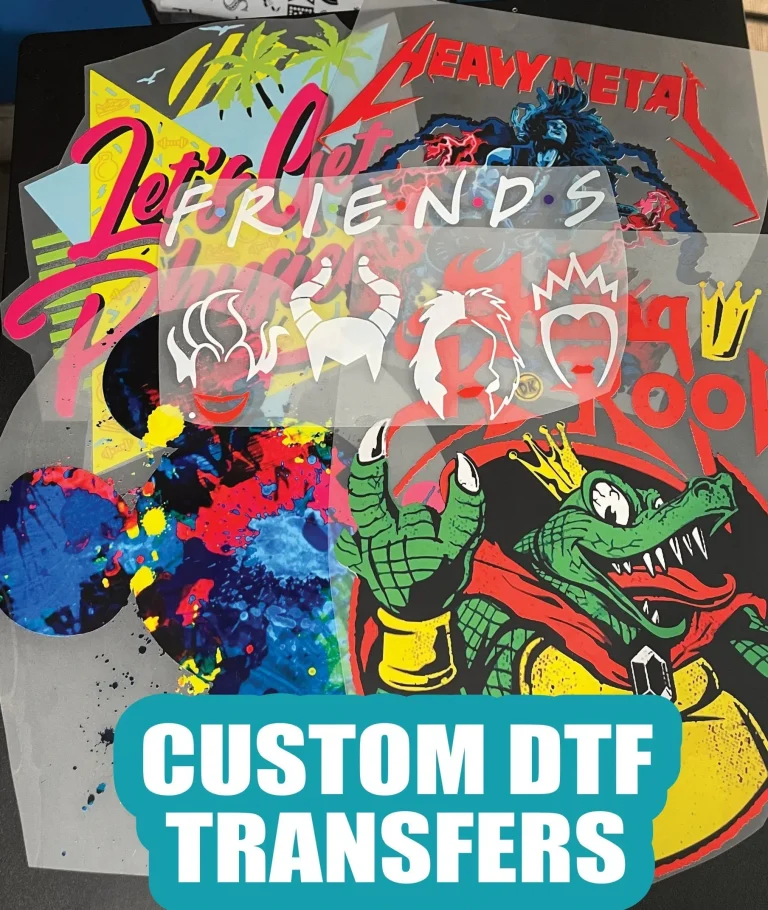
DTF innovations are reshaping the landscape of the textile industry, making custom apparel printing more efficient and vibrant than ever before. As we delve into the future of DTF in 2025, we’ll uncover how advancements in DTF printing technology are driving sustainability and creativity in the market. Companies like Insta Graphic Systems are at the forefront, introducing cutting-edge solutions that enhance print quality and streamline production. Meanwhile, new entrants such as Sam’s DTF Transfers are democratizing access, allowing entrepreneurs to tap into the profitable realm of digital textile printing. With sustainability becoming a core focus, these innovations signify a transformative shift in how we approach custom apparel printing, promising a dynamic future for the industry.
The evolution of Direct-to-Film technology represents a significant shift in the world of fabric and apparel production. As digital solutions gain traction, we’re witnessing a surge in the adoption of innovative printing methods that promote eco-friendliness and efficiency. With emerging companies disrupting traditional markets and established leaders enhancing their offerings, the landscape for custom merch is poised for exciting changes. This movement towards sustainable printing practices not only addresses ecological concerns but also meets the demands of modern consumers. The integration of advanced technology is paving the way for a new era of creativity and accessibility in the textile printing realm.
Innovations Driving the Future of DTF Printing
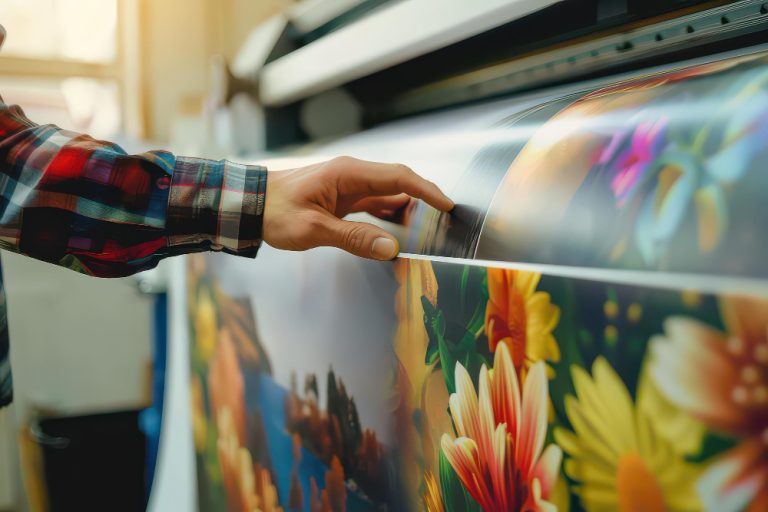
The landscape of DTF printing is rapidly evolving, with innovations from industry leaders such as Insta Graphic Systems taking center stage. Their recent introduction of advanced heat transfer technologies exemplifies the forward-thinking spirit that defines the future of this medium. By enhancing the efficiency of manual heat presses and improving the quality of custom heat transfers, these innovations not only streamline production processes but also allow businesses to achieve vibrant, high-quality prints that resonate with consumers. As the demand for personalized apparel increases, the technologies emerging from companies like Insta Graphic Systems are setting the standard for what businesses can expect in terms of print quality and production speed.
Moreover, these innovations are integral to continuing trends within the DTF sector. Automated processes and enhancements in heat transfer methods are paving the way for more sustainable practices in printing. By reducing waste and improving ink performance, businesses can produce designs that not only satisfy consumer demand for quality but also adhere to growing environmental expectations. The embrace of such innovations indicates a broader shift within the textile industry toward smart, adaptable production technologies that prioritize both efficiency and sustainability.
DTF Innovations and Sustainability in Printing
As the world becomes increasingly aware of environmental issues, the importance of sustainability in printing technologies cannot be overstated. The future of DTF is poised to incorporate sustainable practices that not only appeal to eco-conscious consumers but also reduce the industry’s overall carbon footprint. By adopting digital textile printing techniques, businesses engaged in DTF are moving away from traditional, resource-intensive methods towards on-demand printing solutions that minimize waste and conserve materials. This shift is a significant trend that reflects the industry’s commitment to sustainability while addressing the pressing challenges associated with textile waste.
Implementing sustainable printing practices is no longer just a trend; it is becoming a necessity for businesses in the DTF space. Innovations from key players in the market focus on creating biodegradable inks and energy-efficient processes that support environmental responsibility. As companies increasingly integrate these advancements into their production methods, they not only meet consumer demand for sustainable apparel but also appeal to a broader audience that values ecological mindfulness. Furthermore, as sustainability becomes a fundamental aspect of business strategy, the DTF market is likely to witness significant growth, driven by consumer preferences for ethically produced products.
The Role of Sam’s DTF Transfers in Custom Apparel Market
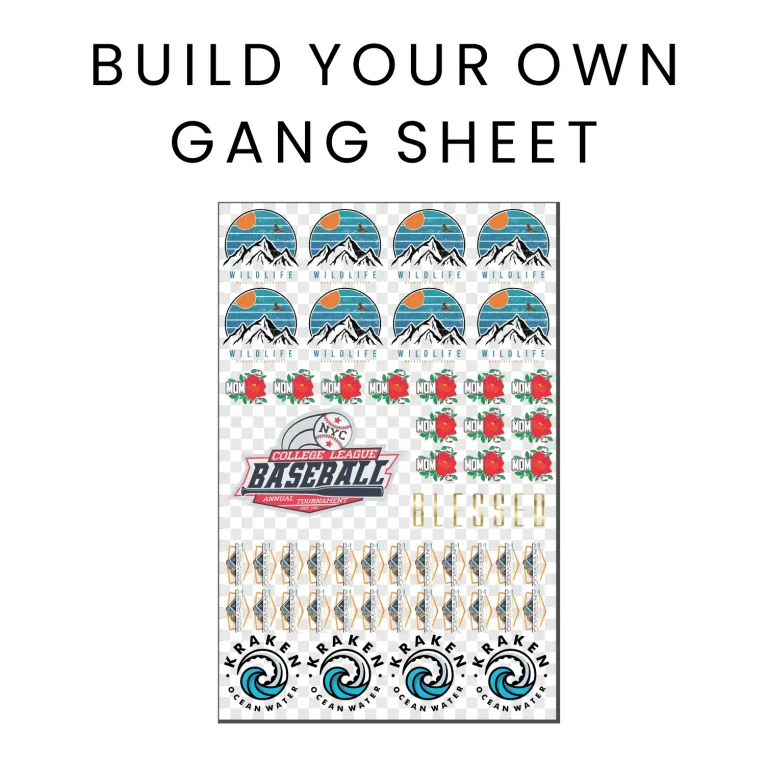
Sam’s DTF Transfers has emerged as a substantial player in the custom apparel market, showcasing the accessibility and efficiency of DTF printing technology. Their commitment to delivering high-quality transfers crafted for a diverse range of clients—from large screen printers to home-based entrepreneurs—illustrates how DTF can cater to various segments of the market. This ability to serve a broad clientele highlights the versatility of DTF technology, allowing businesses to swiftly meet customer demands without compromising on quality.
As the competition in the DTF market grows, Sam’s DTF Transfers stands out due to its focus on efficiency and quick turnaround times. By positioning themselves as a reliable source of DTF transfers, they are enabling numerous small businesses to thrive without significant investment in equipment. This trend of democratizing access to DTF printing paves the way for innovation, as more creative entrepreneurs can enter the market and contribute to a vibrant community of custom apparel producers. The rise of such companies signals a robust future for DTF technology, with local and niche players being able to compete on quality and service.
The Impact of Compact A3 DTF Printers
The introduction of compact A3 DTF printers, such as those launched by AM.CO.ZA, marks a significant turning point for aspiring entrepreneurs and small businesses. These innovative machines are designed to make DTF technology more accessible, enabling users to produce quality prints without the burden of large upfront investments. As the demand for custom merchandise grows, these compact printers offer an enticing solution for individuals looking to break into the lucrative world of custom apparel printing.
By lowering the barrier to entry, compact A3 DTF printers have the potential to foster a new generation of creative entrepreneurs who can develop unique merchandise and express their artistic visions. This democratization of DTF printing technology has profound implications for the industry as a whole. When more individuals and small businesses can access high-quality printing capabilities, it not only stimulates competition but also enhances innovation across the sector. As a result, the landscape of custom apparel is poised for transformation, with new ideas and products emerging from passionate creators around the globe.
Emerging Trends in Digital Textile Printing
The digital textile printing market is rapidly expanding, driven by both technological innovations and shifting consumer preferences. Businesses are now more inclined to adopt direct-to-film (DTF) printing methods that not only enhance print quality but also support sustainability. This trend reflects a significant move towards digital solutions that allow for greater flexibility and customizability in apparel design. Companies that successfully leverage these digital textile printing techniques position themselves ahead of competitors and are better equipped to fulfill the growing demand for personalized and unique product offerings.
Additionally, as organizations look towards the future of DTF technology, the focus on sustainability becomes paramount. The digital textile printing revolution is instrumental in reducing waste and improving ink efficiency—both critical factors in addressing environmental challenges. By embracing this shift, businesses can attract a conscientious consumer base that prioritizes eco-friendly practices. The convergence of improved production capabilities with a commitment to sustainability ensures that digital textile printing will remain a dominant force in the market, setting the course for enduring change within the industry.
Future Directions for DTF Printing Technology
As we gaze into the future of DTF printing technology, it becomes evident that innovation will continue to drive the industry forward. The landscape is characterized by rapid technological advancements, with companies constantly seeking to improve print quality and production efficiency. From enhanced ink formulations to automated printing systems, businesses that embrace these innovations are likely to prevail in an increasingly competitive market. Furthermore, the continued integration of digital solutions will allow for greater customization at a lower cost, catering to the diverse needs of consumers.
In addition, sustainability will be a pivotal theme for the future of DTF printing. As consumer awareness around environmental issues grows, companies must adapt to meet these expectations. By incorporating more sustainable practices, such as using eco-friendly inks and waste-reducing production methods, businesses can not only align with consumer preferences but also contribute positively to the environment. The future of DTF printing not only promises to be innovative but also conscientious, reflecting a holistic approach to production and consumption in the textile industry.
Frequently Asked Questions
What are the latest innovations in DTF printing technology?
The latest innovations in DTF printing technology include advancements in heat transfer techniques as showcased by leaders like Insta Graphic Systems. Their new manual heat presses and custom heat transfers enhance production capabilities and print quality, enabling businesses to meet modern consumer expectations.
How does the future of DTF printing relate to sustainable printing practices?
The future of DTF printing is closely aligned with sustainable printing practices. As consumers increasingly prioritize ecological responsibility, companies are adopting on-demand printing methods that reduce waste and resource consumption, driven by innovations in DTF technology that improve ink performance and efficiency.
What role do new companies like Sam’s DTF Transfers play in the future of DTF printing?
New companies like Sam’s DTF Transfers are pivotal in the future of DTF printing by offering quality and speed in their services. Their emergence in the U.S. custom apparel market enhances competition, driving innovation and potentially lowering prices, which benefits end users and expands accessibility to DTF technology.
Why are compact A3 DTF printers important for the growth of digital textile printing?
Compact A3 DTF printers are important for the growth of digital textile printing as they democratize access to DTF technology, making it affordable for small businesses and aspiring entrepreneurs. This innovation enables more creators to enter the market and stimulate creativity within the DTF printing sector.
How are advancements in DTF printing technology impacting custom apparel printing?
Advancements in DTF printing technology are significantly impacting custom apparel printing by providing high-quality, vibrant prints on a variety of materials. These improvements allow businesses to meet diverse consumer demands while minimizing production costs and enhancing overall efficiency.
What should businesses consider when integrating DTF innovations into their operations?
Businesses should consider the latest DTF innovations from leaders like Insta Graphic Systems and assess their production capabilities. Investing in advanced heat transfer technology and staying aware of emerging trends can help businesses optimize their processes, maintain quality, and enhance their market competitiveness.
| Key Points | Description |
|---|---|
| Introduction | DTF printing is revolutionizing custom apparel with vibrant prints and efficiency. |
| Innovations from Insta Graphic Systems | Showcases new heat transfer technologies promoting print quality and production capabilities. |
| Growth of Digital Textile Printing Market | Market driven by sustainability and efficiency, adopting on-demand printing. |
| Emergence of Sam’s DTF Transfers | A new player enhancing quality and speed in the U.S. custom apparel sector. |
| Compact A3 DTF Printers | Introducing affordable DTF printing technology for small businesses in South Africa. |
| Conclusion | Advancements in DTF are creating a vibrant market, increasing availability for entrepreneurs. |
Summary
DTF innovations are transforming the landscape of custom apparel printing as we advance into 2025. The integration of cutting-edge technologies from industry leaders like Insta Graphic Systems, alongside the swift rise of new market entrants such as Sam’s DTF Transfers, reflects a drive towards enhancing production efficiency and print quality. Moreover, the introduction of compact DTF printing solutions allows aspiring entrepreneurs easier access to this innovative technology, democratizing the marketplace. With sustainability at the forefront, these advancements not only cater to environmental considerations but also align with modern consumer values. As businesses adapt to these innovations, the future of DTF printing presents vast opportunities for creativity, growth, and sustainability.