DTF Printing: 10 Tips for Getting Started Today
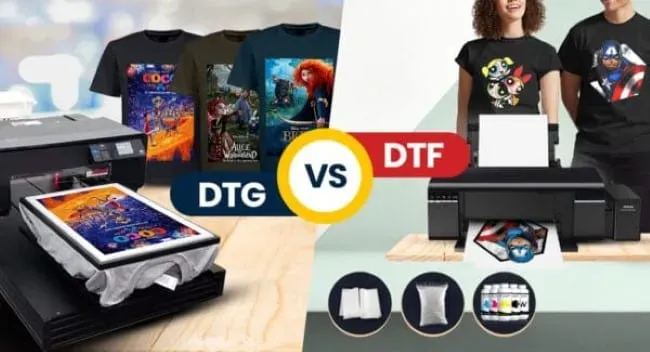
DTF printing, also known as Direct-to-Film printing, is revolutionizing the custom apparel industry with its ability to produce vivid, high-resolution designs that stand the test of time. This advanced printing method allows creators to seamlessly transfer intricate artwork onto various fabrics, making it a popular choice among designers and small business owners alike. Whether you’re new to the world of custom apparel printing or looking to enhance your skills, understanding the DTF printing process is essential for success. If you’re interested in diving deeper into this fascinating technique, our ten tips will guide you through the essentials, from selecting the right DTF printer to mastering the heat pressing technique. Equip yourself with this knowledge and watch your creative visions come to life in vibrant detail.
When it comes to innovative fabric printing techniques, Direct-to-Film printing (DTF) stands out as a game-changer in the realm of custom apparel creation. By utilizing specialized films to transfer beautifully detailed designs, this method caters to both amateur and professional printers aiming for quality and durability. If you’re eager to embark on this printing journey, understanding how to effectively leverage the DTF printing process is crucial. Enhance your craft with expert DTF printing tips that will help you navigate the complexities of selecting a suitable DTF printer and mastering essential techniques. This guide is designed to illuminate your path towards producing stunning custom apparel that reflects your unique style.
Exploring the Advantages of DTF Printing
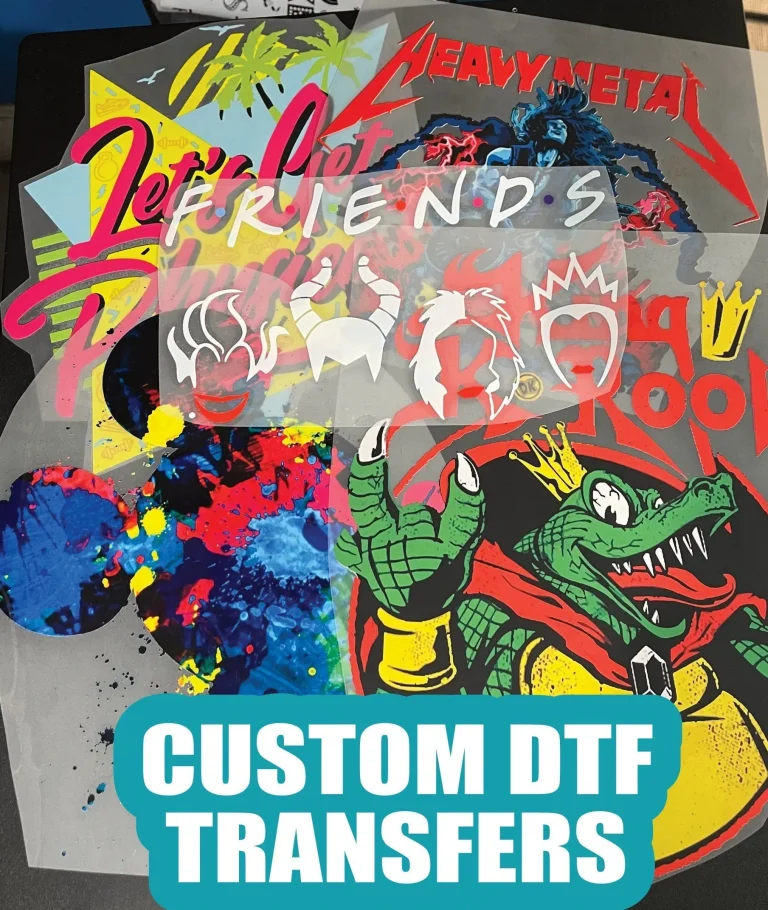
DTF printing, or Direct-to-Film printing, has revolutionized the custom apparel industry thanks to its numerous advantages. One of the most notable benefits is the ability to produce vibrant, high-quality prints that are durable and resistant to fading, even after multiple washes. Unlike traditional printing methods, DTF allows for intricate details and colorful gradients, which are essential for capturing complex designs. This makes it particularly appealing for artists and businesses that prioritize quality in their merchandise.
Another significant advantage of DTF printing is its versatility. It can be used on a wide range of fabrics, including cotton, polyester, and blends. This flexibility opens up numerous opportunities for customization and innovation in product offerings. Therefore, whether you’re producing fashion apparel, promotional items, or unique graphic tees, DTF printing can adapt to fit various material needs, making it suitable for a broad audience.
Essential Tips for Choosing Your DTF Printer
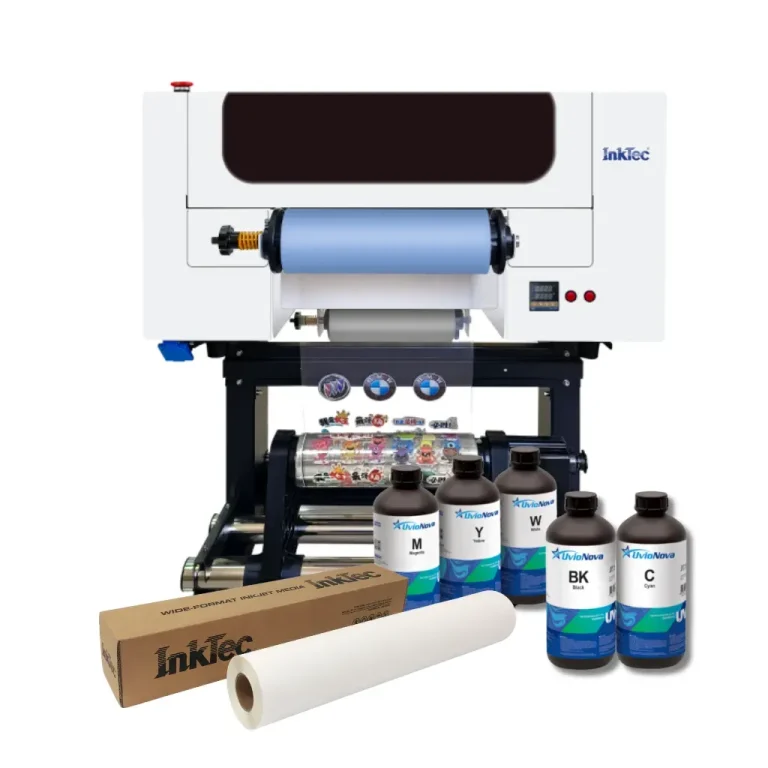
Selecting the right DTF printer is critical to achieving superior print quality. Not all printers are created equal, and investing in a reliable machine is key to your success. Look for options that not only deliver high resolution and color consistency but also offer features that cater to your production needs. Brands like Epson and Brother are well-regarded in the DTF community for their advanced technology that can handle a variety of media.
Additionally, consider the maintenance and support available for the printer you choose. Regular upkeep is necessary to ensure optimal performance over time. Some manufacturers provide excellent customer service, which can be a significant advantage, especially for newcomers. Researching user reviews and testimonials can also provide insight into the experiences of others who have purchased the same model, guiding you toward making an informed decision.
The Importance of Quality Materials in DTF Printing
When it comes to DTF printing, the materials you choose play a pivotal role in the overall quality of your finished products. High-quality DTF films and adhesive powders are essential for vibrant prints and durability. Renowned suppliers like HIX and Colman & Company are trusted sources that offer top-notch products for serious printers. Investing in quality materials not only enhances the visual appeal but also contributes to the longevity of your prints.
Furthermore, understanding the compatibility of your materials can lead to better outcomes. Different fabrics may react differently to DTF processes, so it’s essential to conduct tests beforehand. This step ensures that the designs adhere well and that colors remain true without bleeding or fading. Opting for high-quality input materials will significantly improve your prints and reduce waste, ultimately saving you time and frustration.
Mastering the Calibration of Your DTF Printer
Calibrating your DTF printer is an essential step that should not be overlooked. Proper settings—such as temperature, pressure, and print speed—can drastically impact the final output. Take time to experiment with these parameters before commencing large-scale production. A small adjustment in these settings could lead to better adhesion and enhanced color performance, significantly affecting your prints’ overall quality.
Regular calibration checks also help maintain consistency in your print quality over time. As you use your printer, minor changes can occur that may alter your outputs. Therefore, making it a habit to test and calibrate before each major print run will ensure uniformity in your designs, producing results that meet your standards and those of your customers. A well-calibrated printer leads to fewer errors and better overall efficiency in your workflow.
Utilizing Graphic Design Software for DTF Success
A crucial aspect of successful DTF printing is mastering graphic design software. Tools like Adobe Illustrator and CorelDRAW are widely used for creating and preparing designs tailored for DTF. Not only do these programs allow you to manipulate images, but they also enable you to optimize your artworks for the printing process, ensuring high-quality results. Learning these tools can substantially improve your efficiency and creativity, allowing you to produce stunning designs.
Moreover, leveraging graphic design software provides you with the flexibility to experiment with different styles and techniques. Customizing your artwork to fit specific client needs or personal projects is immensely easier with these platforms. As you become more proficient in using these design tools, you’ll likely find that your creative capabilities expand, helping you to stand out in the competitive custom apparel market.
Staying Current with DTF Printing Trends
The DTF printing industry is continuously evolving, making it imperative to stay informed about emerging trends and techniques. Subscribing to relevant blogs, forums, and websites dedicated to DTF printing—such as PrintShop and DTF Superstore—can provide you with invaluable insights. Engaging with fellow printers and joining online communities can also enhance your knowledge and allow you to share experiences and best practices.
Moreover, keeping a pulse on industry innovations can offer strategic advantages for your business. Whether it’s advancements in printing technology, new materials, or innovative techniques, staying current ensures that your business remains competitive and responsive to market demands. By being proactive in your industry research, you can offer cutting-edge products that appeal to your target audience, enhancing your brand’s reputation.
Frequently Asked Questions
What is the DTF printing process and how does it work?
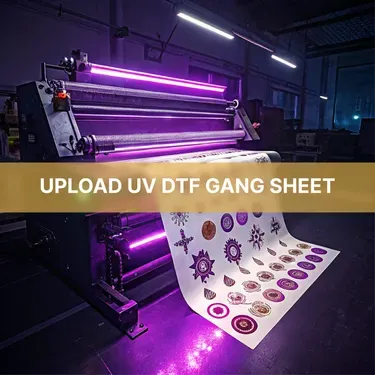
The DTF printing process, or Direct-to-Film printing, involves printing your design onto a special film, applying a hot-melt adhesive powder, and heat pressing it onto the fabric. This innovative method allows for high-quality prints with vibrant colors, making it a popular choice for custom apparel printing.
What should I consider when choosing a DTF printer?
When selecting a DTF printer, consider factors such as the printer’s resolution, color consistency, and compatibility with different materials. Brands like Epson and Brother are recommended for their reliability in producing high-quality prints.
What are some essential DTF printing tips for beginners?
Key DTF printing tips include selecting high-quality materials, calibrating your printer settings, learning design software, pre-treating fabrics, and mastering the heat pressing technique to ensure vibrant and durable prints on custom apparel.
How important is material quality in DTF printing?
Material quality is crucial in DTF printing, as it directly affects the final print outcome. Using high-quality DTF films and transfer powders from reputable suppliers helps achieve superior results compared to substandard materials.
Do I need to pre-treat fabrics before DTF printing?
Yes, certain fabrics may require pre-treatment to improve print quality and durability. Research the fabric types you plan to use and determine any necessary treatments to ensure proper adhesion of the printed designs.
How can I stay updated on the latest DTF printing trends and techniques?
To stay informed about DTF printing trends and techniques, engage with industry blogs, forums, and communities. Websites like PrintShop and DTF Superstore offer valuable insights and resources for those involved in the custom apparel printing industry.
| Key Point | Description |
|---|---|
| Understanding the DTF Printing Process | DTF printing uses a film to transfer designs by printing on the film, applying adhesive, and heat pressing onto fabrics. |
| Choose the Right DTF Printer | Select high-resolution printers like Epson or Brother for quality results suitable for your materials. |
| Select Quality Materials | Use high-quality DTF films and transfer powders from reliable sources to enhance print quality. |
| Calibrate Your Printer Settings | Test your printer’s temperature, pressure, and time settings regularly for optimal results. |
| Learn Design Software | Get familiar with Adobe Illustrator or CorelDRAW for effective design creation and manipulation. |
| Pre-Treat Fabrics for Best Results | Research if specific fabrics require pre-treatment to enhance print adhesion and durability. |
| Master the Heat Pressing Technique | Proper heat press settings are crucial; follow guidelines to ensure strong bonding. |
| Maintain Cleanliness and Equipment | A clean workspace and regular equipment maintenance are vital for quality prints. |
| Keep Up with Industry Trends | Engage with the latest insights and trends in DTF printing through blogs and forums. |
| Experiment and Cultivate Creativity | Use DTF’s flexibility to try new designs and printing methods, fostering innovation. |
| Take Advantage of Training Resources | Participate in tutorials and workshops to build skills and troubleshoot common issues. |
Summary
DTF printing, or Direct-to-Film printing, offers a revolutionary approach to custom apparel creation. As you embark on your DTF printing journey, remember that it’s not merely about the equipment you choose; success lies in mastering the entire process—from understanding the printing method and selecting high-quality materials, to perfecting your techniques and staying updated with industry trends. By following these ten essential tips, you can create vibrant, durable designs that resonate with the growing demand for personalized apparel. Embrace creativity and continuous learning, and you’ll excel in this exciting field.