DTF Printing: A Comprehensive Beginner’s Guide
DTF printing, or Direct to Film printing, is transforming the landscape of custom fabric design, making it easier than ever for enthusiasts to produce intricate and vibrant prints. As a beginner, you may be curious about how to DTF print successfully, as well as the various DTF printing equipment necessary for a smooth workflow. This guide dives deep into the DTF printing process, providing you not only with foundational knowledge but also with valuable DTF printing tips to enhance your results. With its versatility, DTF printing has become the go-to method for creating personalized apparel and unique items, ensuring high-quality output regardless of the fabric type. Embrace the creativity and possibilities that DTF printing offers as you begin your journey in the world of textile design.
Direct to Film printing, often referred to as DTF print transfer, is rapidly gaining popularity among designers and crafters alike. This innovative method allows for precise and colorful designs to be transferred onto textiles, making it an ideal choice for custom merchandise and personalized gifts. For those unfamiliar with this technique, diving into the details surrounding the DTF printing process, including key equipment requirements and effective strategies, can seem daunting. However, with the right DTF printing guide at your disposal, mastering this craft becomes a rewarding venture. Explore the advantages of this modern printing technology and unlock your potential in fabric decoration with clarity and confidence.
Understanding the DTF Printing Process
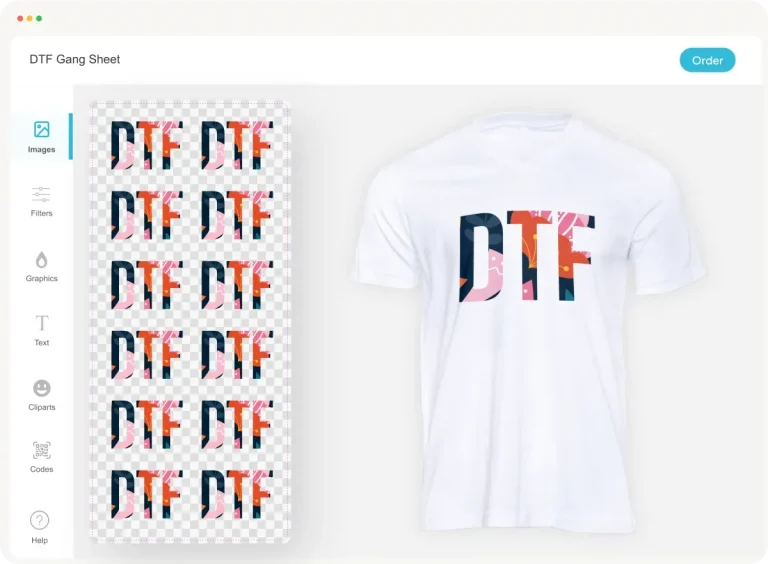
The DTF printing process is innovative and straightforward, making it an excellent option for beginners. It begins with graphic design preparation, where you create a digital representation of your artwork using software such as Adobe Illustrator. Keeping the artwork in a high-resolution format is crucial, as it ensures clarity and vibrancy when printed. Once the design is ready, the next step involves printing it onto PET film, which serves as a transfer medium. The process is notably user-friendly, allowing even those who are new to printing to achieve impressive results without extensive training.
After printing, the artwork needs to be treated with adhesive powder, which facilitates a strong bond between the ink and the fabric. Once the adhesive is applied and cured, the artwork is ready for heat transfer. The heat press applies the necessary heat and pressure to enable the adhesive to bond the design to the chosen fabric. This step is critical, and incorrect temperature settings can lead to poor adhesion or lackluster colors. Mastering this process can significantly enhance your output, ensuring you create professional-grade prints.
Essential Equipment for DTF Printing
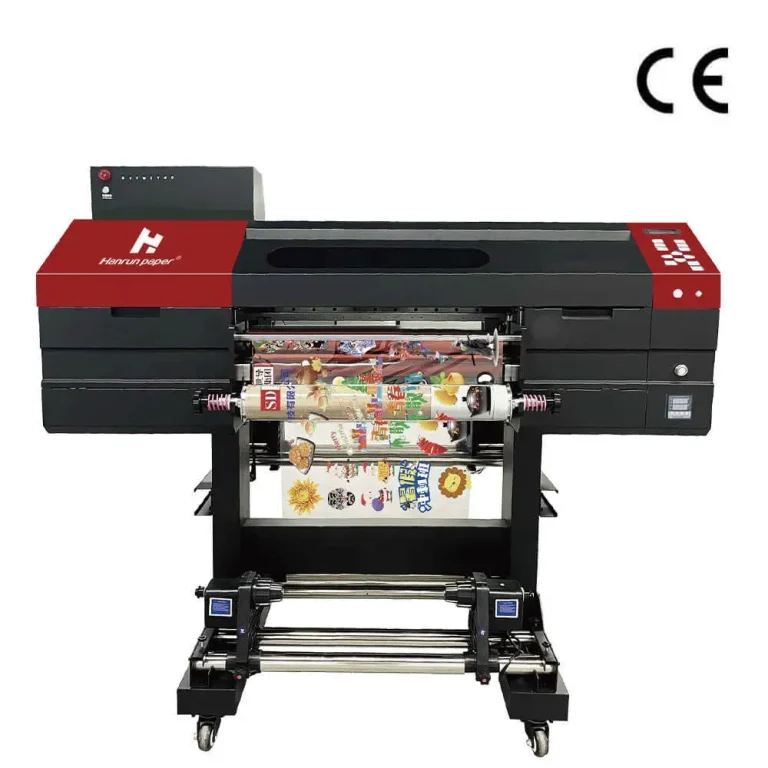
When embarking on your DTF printing journey, equipping yourself with the right tools is essential for success. The key piece of equipment is the DTF printer, specifically designed to print high-resolution images onto transfer films. This printer is not only a significant investment but also a pivotal component in achieving high-quality prints. Research various models to find one that suits your printing needs, and ensure it features the capability to handle diverse film types.
In addition to the printer, PET transfer film plays a vital role in the process. Selecting a high-quality film ensures that your prints will be vibrant and durable. You’ll also need an efficient heat press machine—whether a clamshell or swing-away type—to effectively transfer your designs. Completing your setup is the adhesive powder, which is fundamental for a lasting print. Having a reliable computer and graphic design software will further streamline your design preparation process, making it a breeze to create stunning visuals for printing.
Tips for Optimal DTF Printing Success
To achieve outstanding results with DTF printing, there are several essential tips that beginners should follow. Firstly, always ensure that your design is correctly formatted for the DTF printer. Using high-resolution images will enhance the overall quality of your final product. Additionally, pay attention to color settings, ensuring that the color profiles in your design software align with those used in the printer, as this can prevent dull or incorrect colors in the finished print.
Moreover, the quality of the adhesive powder also plays a crucial role in your printer’s output success. Use the recommended quantity of adhesive, as too little may result in peeling designs, while too much can lead to unwanted texture. Lastly, practice patience during the heat pressing phase; a meticulous approach to time and temperature settings will ensure that each print adheres perfectly to the fabric, creating long-lasting, vibrant designs.
Troubleshooting Common DTF Printing Issues
Encountering challenges during the DTF printing process can be frustrating, especially for beginners. One common issue is poor adhesion of prints to the fabric. This can often be attributed to improper application of adhesive powder or insufficient curing time. To remedy this, ensure you apply the right amount of adhesive and allow it ample time in the heat source to bond thoroughly. Adjusting these variables can dramatically improve your print’s durability.
Color discrepancies are another frequent problem faced when printing. If your colors appear muted or incorrect, take the time to review your printer settings and the color profiles you are using. Ensuring that the designs are mirrored prior to printing is also essential for accurate alignment on the fabric. By systematically checking these elements, you can troubleshoot effectively and achieve high-quality prints that meet your expectations.
Advanced Techniques in DTF Printing
Once you’ve mastered the basics of DTF printing, exploring advanced techniques can push your results even further. One such method involves layering prints, where multiple colors are printed successively, allowing for more complex and visually striking designs. This technique requires an understanding of color layering and the timing of adhesive application to ensure a seamless, vibrant outcome. By experimenting with this method, you can create unique prints that stand out in the competitive market.
Another advanced approach is the incorporation of unique textures and finishes through different heat pressing techniques. Utilizing special heat plates or applying varying pressure can create effects like gloss or matte finishes, enhancing the tactile qualities of your prints. Exploring these advanced DTF printing techniques not only broadens your skill set but also opens up new creative avenues for your printing projects, setting you apart from others in the industry.
Frequently Asked Questions
What is DTF printing and how does it work?
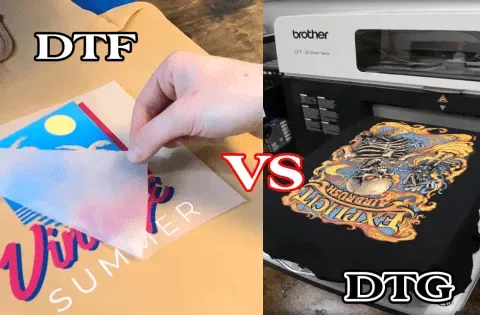
DTF printing, or Direct to Film printing, involves printing designs on a special PET film, which is then transferred onto fabric using heat and pressure. This process creates vibrant and durable prints that are suitable for various materials, including cotton and polyester.
What equipment do I need for DTF printing?
To get started with DTF printing, you’ll need a specialized DTF printer for transfer films, PET transfer film, a heat press machine, adhesive powder, and graphic design software to prepare your designs.
How do I prepare my design for DTF printing?
When preparing your design for DTF printing, use graphic design software to create a high-resolution file, typically in PNG or TIFF format. Ensure to flip the design to a mirror image for proper transfer onto fabric.
What are some essential tips for successful DTF printing?
For successful DTF printing, ensure you use high-quality PET transfer film, apply the right amount of adhesive powder, and properly cure the film before heat pressing for optimal adhesion.
What troubleshooting tips can help with common DTF printing challenges?
If you experience poor adhesion, double-check the amount of adhesive and its curing. For color issues, adjust your printer settings, and ensure you’re using good quality PET film designed for DTF printing.
Is DTF printing suitable for all types of fabrics?
Yes, DTF printing is versatile and can be used on a variety of fabrics, including cotton, polyester, and fabric blends, making it a popular choice for custom apparel and promotional items.
| Key Aspects of DTF Printing | |
|---|---|
| Definition and Process | DTF printing is a process where designs are printed on a special PET film and transferred to fabric using heat and pressure. |
| Equipment Needed | 1. DTF Printer 2. PET Transfer Film 3. Heat Press Machine 4. Adhesive Powder 5. Computer and Software |
| Steps to Get Started | 1. Design Preparation 2. Printing on PET Film 3. Applying Adhesive Powder 4. Heat Pressing 5. Peeling and Finishing |
| Common Challenges | – Poor Adhesion – Color Issues – Film Problems – Artwork Errors |
Summary
DTF printing is a revolutionary technique that transforms how custom designs are created on fabrics. This method allows for high-quality prints with vibrant colors and detailed images, making it an excellent choice for apparel, promotional goods, and home décor. To successfully leverage DTF printing, one must understand the essentials, including the necessary equipment, the printing process, and possible challenges to troubleshoot. With the right tools and practice, you can unleash your creativity and produce stunning custom designs with ease.