DTF Printing: Beginner’s FAQs About What You Need to Know
DTF printing, or Direct-to-Film printing, has become a game-changer in the textile industry, revolutionizing how designs are transferred to garments. This innovative process enables businesses and creators to produce stunning graphics with remarkable detail and durability, leading to an explosion in popularity across diverse markets. By understanding what DTF printing entails, its various benefits, and its wide range of applications, aspiring entrepreneurs can tap into this lucrative avenue of customization. With a straightforward DTF printing process that requires minimal setup, it’s an excellent entry point for newcomers eager to explore the realm of fabric printing. However, it’s important to be aware of the challenges of DTF printing, including maintaining print quality and adhesive performance, to fully maximize its potential.
Known as Direct-to-Film printing, this dynamic technique offers a modern approach to apparel decoration, merging digital creativity with practical application. As an alternative to traditional methods, this textile printing solution excels in versatility, allowing for custom designs on a plethora of fabric types. Not only does this method boast a quick and user-friendly printing process, but it also opens the door to endless possibilities, whether for creating promotional merchandise or personal wear. By embracing the DTF printing method, stakeholders can enhance their offerings and meet varying consumer demands while navigating the challenges inherent in this cutting-edge technology. With a firm grasp of the essential mechanics and processes involved in DTF printing, businesses can thrive in today’s competitive marketplace.
Understanding the Basics of DTF Printing
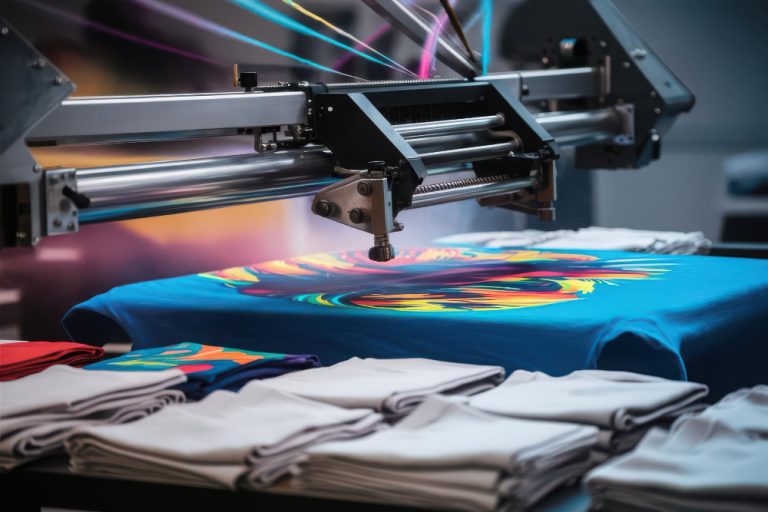
Direct-to-Film (DTF) printing is an innovative technique that allows for the direct transfer of designs onto various textiles. At its core, DTF printing utilizes a specialized digital printer that applies vibrant inks onto a coated film. Unlike traditional methods, this technique ensures that intricate designs can be easily reproduced with high detail. After printing, a powder adhesive is sprinkled on while the ink is wet, allowing for optimal adhesion when heat is applied. Understanding how DTF printing works is crucial for anyone looking to venture into the world of custom apparel.
In DTF printing, the process begins with creating a digital design, which can vary from simple graphics to complex artworks. This versatility in design makes DTF a preferred choice for many apparel businesses. The ability to work with different fabric types, from cotton to polyester, further enhances its appeal. As a result, DTF printing is gaining traction as a go-to method for producing high-quality customized clothing.
Benefits of DTF Printing
One of the most significant advantages of DTF printing is its versatility. This method can effectively print on various materials, including cotton, polyester, and blends, which makes it suitable for a wide range of products like t-shirts, hoodies, and even promotional items. This adaptability allows businesses to cater to diverse customer needs, making DTF printing an excellent option for those looking to create custom apparel.
Another key benefit of DTF printing is its cost-effectiveness. Compared to traditional screen printing, DTF reduces setup costs and material waste, making it a financially viable choice for startups and small businesses. The minimal operational costs associated with DTF not only save money but allow for a wider range of product offerings, ensuring that businesses can remain competitive in the market.
DTF Printing Applications Across Industries
DTF printing is increasingly being utilized in various sectors, particularly in fashion and promotional goods. Custom apparel is at the forefront, where businesses leverage DTF to create unique designs that resonate with their brand identity. From personalized t-shirts to custom hoodies, DTF’s ability to produce high-quality, vibrant prints enables designers to stand out in a crowded market.
In addition to fashion, DTF printing is also a favorite for creating promotional items. Companies are capitalizing on this method to enhance their branding through customized merchandise featuring logos and slogans. DTF printing’s versatility allows for high-quality branding on multiple surfaces, expanding opportunities for businesses to effectively reach their target audiences.
DTF Printing Process: A Step-by-Step Guide
The DTF printing process is structured to ensure efficiency and quality in transferring designs to fabric. First, designers create their graphics using appropriate software, which allows for complete control over the design elements. This crucial step is followed by printing the design onto DTF transfer film with a specialized printer, ensuring that settings are optimized for the best results.
Once the design is printed, a powdered adhesive is applied while the ink is still wet, which is critical for securing the print to the fabric during the heat transfer phase. This creative process culminates when the heat press is used to apply heat and pressure, ensuring that the design adheres firmly and is ready for use. Each step in the process is designed to maximize durability and vibrancy, making DTF printing a reliable choice for quality results.
Challenges of DTF Printing and How to Overcome Them
Despite its growing popularity, DTF printing does come with challenges. One prevalent issue is ensuring the adhesive quality. The type and formulation of adhesive can dramatically impact the durability of the print; poor-quality adhesive can lead to fading or peeling over time. It’s essential for businesses to invest in high-quality adhesives to ensure their designs withstand wear and tear.
Another common challenge in DTF printing involves maintaining print quality, particularly for intricate designs. Ensuring that the printer is well-maintained and that the print head is regularly cleaned is vital. Additionally, utilizing the correct settings can prevent clogs and enhance overall print quality, helping to deliver consistently excellent results that satisfy customers.
Emerging Trends in DTF Printing Technology
As the demand for DTF printing grows, so does innovation within the field. New ink formulations are being developed to provide even greater durability and vibrancy. These advancements promise to enhance the overall quality of prints, ensuring that designs remain bright and intact even after numerous washes. Such innovations cater to the growing need for high-quality, long-lasting apparel.
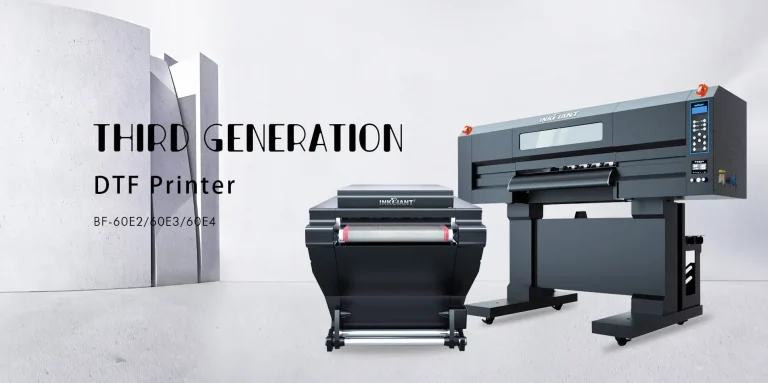
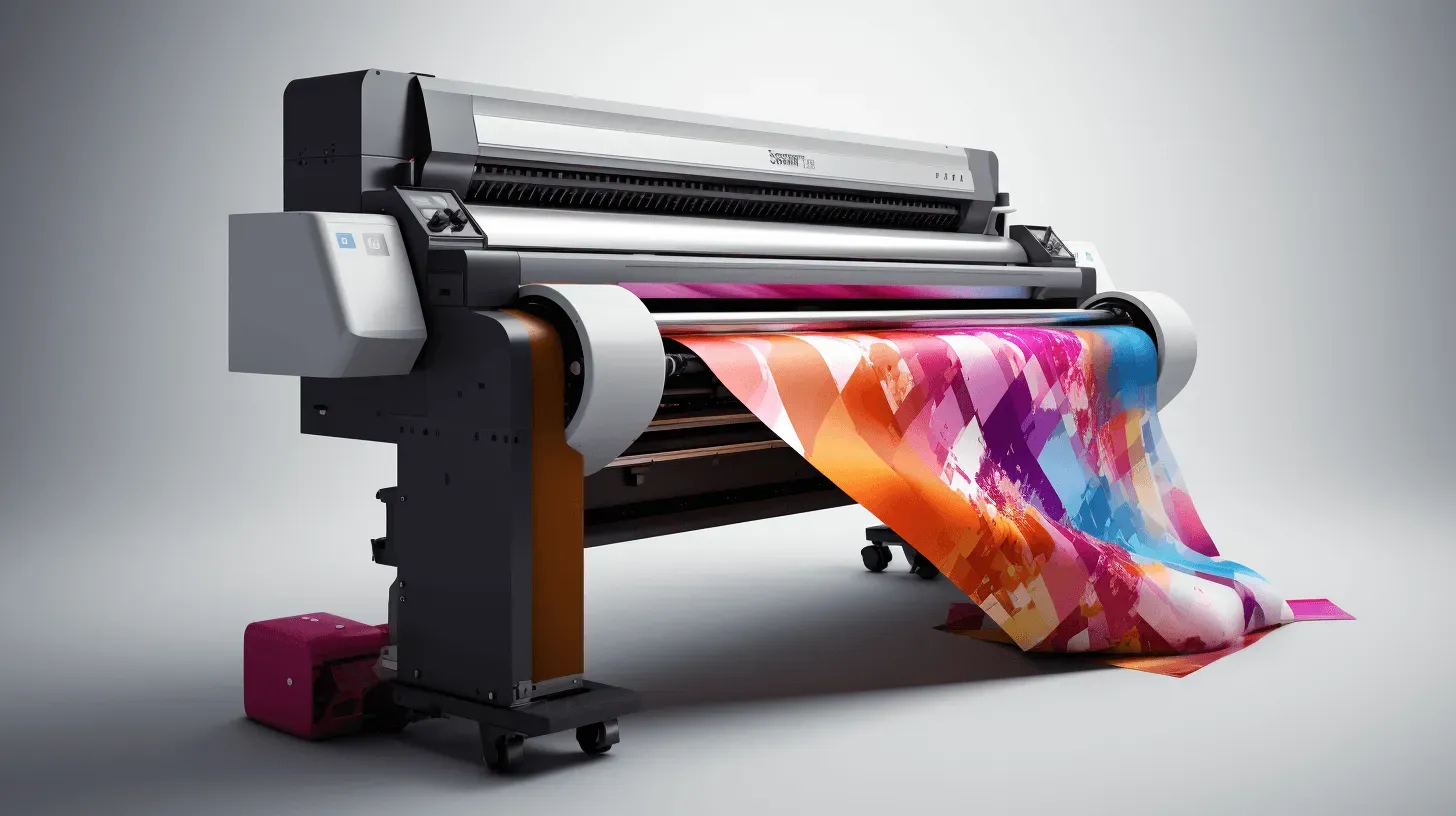
Moreover, machinery improvements are also on the rise. Enhanced DTF printers are designed to streamline the printing process, offering faster speeds without compromising print accuracy. This evolution in technology not only boosts productivity but also supports businesses in meeting tight deadlines and larger volume orders, thus opening the door for expansion in the DTF printing market.
Frequently Asked Questions
What is DTF printing?
DTF printing, or Direct-to-Film printing, is a modern transfer printing technique where designs are printed onto a specialized film, then applied to garments. The process involves using a DTF printer to lay down colored inks, followed by applying a powdered adhesive to ensure durability when the design is heat-applied to fabric.
What are the benefits of DTF printing?
DTF printing offers numerous benefits, including versatility across various fabrics such as cotton and polyester, cost-effectiveness due to lower setup and operation costs, and ease of use for beginners, making it an appealing choice for small businesses and custom apparel makers.
What applications can DTF printing be used for?
DTF printing is widely used for custom apparel, promotional items, and sportswear. Its adaptability allows designers and businesses to create unique clothing items and branded merchandise efficiently, catering to a wide range of customer needs.
How does the DTF printing process work?
The DTF printing process includes design creation, printing on transfer film, applying powdered adhesive, curing, and heat transfer onto garments using a heat press. This multi-step method ensures vibrant, long-lasting designs on a variety of textile materials.
What challenges are associated with DTF printing?
Challenges of DTF printing include ensuring high adhesive quality to prevent peeling, maintaining print quality through regular printer maintenance, and managing intricate designs that may need meticulous attention for optimal results during the printing process.
What trends are emerging in DTF printing technology?
Emerging trends in DTF printing include innovations in ink formulations aimed at enhancing durability and color vibrancy, as well as improvements in machinery that streamline the printing process for faster production while maintaining high quality.
| Key Aspect | Details |
|---|---|
| What is DTF Printing? | A printing process where digital designs are printed on transfer films and then transferred to fabrics using heat and pressure. |
| Benefits of DTF Printing | 1. Versatility across materials. 2. Cost-effective for small businesses. 3. Beginner-friendly operation. |
| Common Applications | Custom apparel, promotional items, sportswear. |
| Essential Equipment | 1. DTF Printer. 2. Heat Press. 3. DTF Transfer Film. 4. DTF Inks. |
| Process Steps | 1. Design creation. 2. Printing on transfer film. 3. Applying powder adhesive. 4. Curing the design. 5. Heat transfer to garment. 6. Finishing the print. |
| Challenges | 1. Ensuring adhesive quality for durability. 2. Maintaining print quality through regular maintenance. |
| Emerging Trends | 1. Innovations in ink formulations. 2. Improvements in DTF machinery. |
Summary
DTF printing is an innovative method that has transformed the textile printing landscape by enabling high-quality graphics to be applied to garments with ease. Its versatility and affordability make it a preferred choice for those looking to personalize apparel, while its user-friendly nature allows beginners to dive into the industry without significant barriers. As technology continues to advance, staying updated on the latest trends will enhance the quality and creativity of your DTF printing projects, paving the way for successful custom merchandise ventures.