
DTF Printing: Benefits, Process, and Applications Explained
DTF printing, short for Direct-to-Film printing, is transforming the fabric printing industry by offering an innovative and effective method for creating vivid and intricate designs on various textiles. This cutting-edge technology has quickly gained traction due to its unique ability to transfer high-quality images with exceptional clarity, making it a preferred choice among designers and businesses alike. The DTF printing process not only provides superior results over traditional methods but also boasts several benefits, including versatility, durability, and cost-effectiveness. With applications ranging from custom apparel to home decor and promotional products, DTF printing technology is reshaping how we think about textile customizations. As interest continues to grow, understanding this technique becomes vital for anyone looking to thrive in the graphic printing and fashion sectors.
Often referred to as direct-to-film technology, the DTF printing method is emerging as a dynamic force in the textile printing landscape. This innovative approach enables creators and businesses to apply detailed and colorful graphics onto diverse fabric types efficiently. The versatility of the DTF printing system opens doors not just for fashion-forward designs but also for personalized items that appeal to modern consumers. By utilizing cutting-edge printing techniques, stakeholders can enjoy the notable advantages of high-quality results and reduced costs, establishing DTF printing as an essential tool in various applications. As the demand for customized products surges, staying informed about this transformative printing technology is more critical than ever.
High-Quality Image Output with DTF Printing
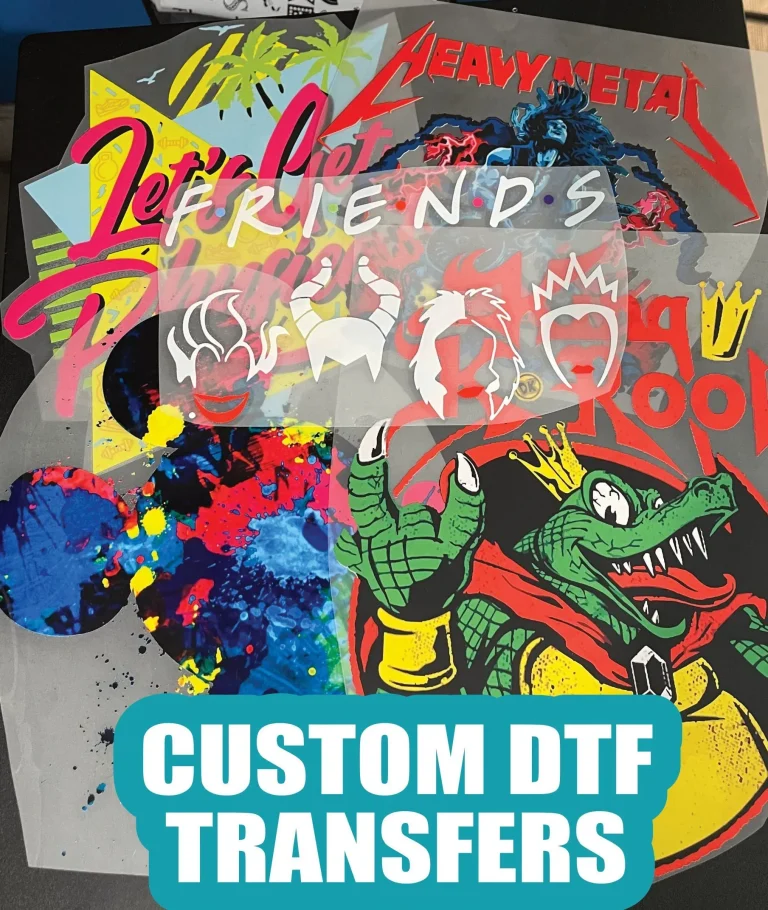
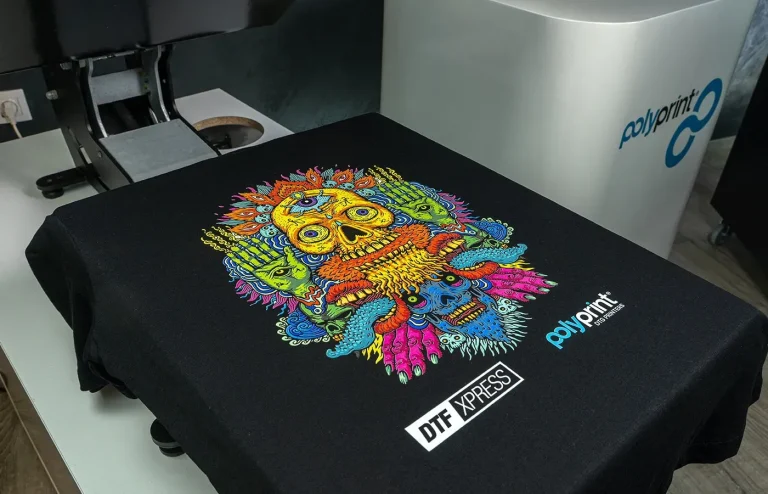
One of the hallmark features of Direct-to-Film (DTF) printing is its ability to produce images with exceptional clarity and detail. The resolution achieved through this technology is unmatched, allowing for complex graphics and vibrant colors to remain intact even after repeated washes. This level of quality makes DTF printing particularly appealing for fashion designers and businesses who wish to elevate their products with eye-catching prints that make a memorable impact.
Moreover, the DTF printing process leverages high-resolution digital images that translate seamlessly onto fabric, ensuring that every intricate detail is reproduced accurately. This is crucial for designs requiring finesse, such as logos or artwork that features gradients or fine lines. With DTF, brands can confidently produce textiles that not only look professional but also stand the test of time, further emphasizing their commitment to quality.
The Versatility of DTF Printing Applications
DTF printing is celebrated for its wide-ranging applications across various industries. From fashion apparel to home decor, the capacity to print on numerous fabric types makes it an exceedingly versatile option for businesses. The technology allows for seamless printing on natural fibers like cotton, synthetic materials such as polyester, and even blended textiles, making it suitable for everything from t-shirts and hoodies to decorative pillows and curtains.
This ability to work with diverse substrates means that customizability is at the forefront of DTF printing applications. Interior designers can utilize DTF for unique home decor items tailored to individual tastes, while clothing manufacturers can create limited-run garments with personalized designs. Thus, whether for commercial ventures or personal projects, the flexibility of DTF printing facilitates a myriad of creative opportunities.
Durability As a Core Advantage of DTF Technology
A critical advantage of DTF printing is its durability. When using this method, prints adhere strongly to fabrics, which significantly reduces the risk of fading and peeling over time. The robust nature of DTF prints means that products created using this technology can endure through numerous washes, maintaining their vibrant appearance and structural integrity. This aspect of DTF printing is invaluable for businesses seeking to provide long-lasting products that enhance customer satisfaction.
In the competitive landscape of apparel and merchandise production, having durable products can set a brand apart. Consumers increasingly prioritize longevity and quality in their purchases, leading brands to seek out reliable printing technologies like DTF. Without compromising on color vibrancy or detail, DTF technology ensures that the final product remains as appealing as the day it was made, making it a worthwhile investment for businesses of all sizes.
Cost-Effectiveness of the DTF Printing Process
When it comes to production costs, DTF printing emerges as a leading contender in the textile printing market. Compared to traditional printing methods, which often impose high setup fees and material waste, DTF technology offers a more economically viable solution for both small and medium production runs. The process requires less upfront investment, allowing businesses to start with lower risk while still achieving high-quality results.
The minimized waste generated during the DTF printing process means that businesses can operate more sustainably while keeping their overall costs down. As the desire for textile customization grows, the financial advantages of DTF printing will continue to appeal to companies looking to expand their offerings without incurring significant costs.”}]},{
Simplifying Production with DTF Printing
The DTF printing process is designed to streamline production, making it a favored choice for time-conscious businesses. From the initial design phase to the final heat transfer application, each step has been optimized to reduce labor time and improve overall efficiency. Users can quickly create high-resolution designs that are ready for printing, which is essential in fast-paced environments where speed is paramount.
Additionally, the straightforward nature of the DTF printing process means that businesses can easily scale their operations. With a focus on efficiency, DTF technology allows for faster turnaround times without sacrificing quality. This capability is particularly beneficial in today’s market, where on-demand printing services are becoming increasingly popular, enabling businesses to keep up with consumer demands for rapid delivery.
Emerging Trends in the DTF Printing Market
The current trends surrounding DTF printing indicate a robust growth trajectory, driven largely by advancements in e-commerce and personalized products. As consumers increasingly seek unique and custom items, businesses are turning to DTF technology to deliver high-quality, on-demand printing solutions that cater to individual preferences. This adaptability positions DTF printing as a vital tool for those looking to exploit niche markets.
Moreover, the ongoing improvements in DTF printing technology are likely to open new doors for applications in various industries. With its inherent scalability and efficiency, businesses can explore innovative uses of DTF printing, from bespoke apparel to customized corporate branding solutions. Embracing these emerging trends will be key for companies aiming to stay ahead in a competitive landscape.
Frequently Asked Questions
What is DTF printing and how does it work?
DTF printing, or Direct-to-Film printing, is a modern textile printing technique that transfers designs onto fabrics using a specialized process. It involves printing a digital design onto a high-quality film, applying adhesive powder to the wet ink, and then using heat to transfer the print from the film to the fabric. This process ensures vibrant and durable prints that resist fading even after washing.
What are the main benefits of DTF printing compared to traditional methods?
The benefits of DTF printing include superior quality and detail, as it produces high-resolution images with clarity. Its versatility allows printing on various materials, including cotton and polyester. DTF also offers outstanding durability, with prints that resist fading and peeling through multiple washes, and a cost-effective production process for small to medium runs, minimizing waste while maintaining quality.
What types of materials can DTF printing be used on?
DTF printing is extremely versatile and can be used on a wide range of materials such as cotton, polyester, blends, and synthetic fibers. This adaptability makes DTF printing an excellent choice for diverse applications, including fashion apparel, home textiles, and promotional products, accommodating a variety of customer needs.
How does the DTF printing process enhance production efficiency?
The DTF printing process enhances production efficiency by streamlining the steps involved. By quickly preparing the digital design, printing on film, applying adhesive, and transferring the design through heat pressing, businesses can shorten turnaround times. This simplicity in production allows for faster delivery of high-quality printed products compared to traditional methods.
What are the common applications of DTF printing in various industries?
DTF printing is widely utilized across several industries. Common applications include apparel production for custom t-shirts and sportswear, home decor items like pillow covers, promotional products for businesses, and unique designs in the fashion industry. Its versatility caters to personal and commercial needs alike.
Why is DTF printing considered a cost-effective solution for businesses?
DTF printing is considered cost-effective because it requires less initial investment than traditional methods, reducing setup costs and minimizing waste. It is ideal for small to medium production runs, enabling businesses to achieve higher returns on investment while producing high-quality products without the risks associated with overproduction.
| Key Points | Details |
|---|---|
| Superior Quality and Detail | High-resolution images remain clear and vibrant even after washes. |
| Versatile Material Compatibility | Can print on cotton, polyester, and blends, suitable for various applications. |
| Outstanding Durability | Strong adhesion allows prints to withstand multiple washes without fading. |
| Cost-Effectiveness | Lower initial investment and minimal waste make it ideal for small to medium runs. |
| Streamlined Production Process | Simplifies production steps, resulting in faster product turnaround. |
Summary
DTF Printing is revolutionizing the textile industry by offering a modern and effective solution for fabric printing. This innovative approach allows for vibrant, detailed designs to be transferred onto various textiles, making it a popular choice among businesses and designers alike. The process of DTF printing is characterized by its high-quality output, versatility with different materials, outstanding durability, and cost-effectiveness, all culminating in a streamlined production process. As the demand for personalized products continues to grow, DTF printing stands out as an essential technology in catering to the needs of the modern consumer.