DTF Printing: Best Practices for Stunning Designs
DTF printing, short for Direct to Film printing, has emerged as an innovative method for creating stunning designs on various fabrics. This revolutionary technique allows artists, designers, and entrepreneurs to transfer vibrant prints directly onto textiles, ensuring exceptional quality and durability. With DTF printing, both beginners and experienced users can explore a wide array of DTF design techniques to elevate their textile projects. In this guide, we’ll delve into the best practices for DTF printing, perfect for those eager to understand how to DTF print effectively. Immerse yourself in the world of DTF printing and unlock your creative potential, one design at a time.
The art of transferring prints to fabric has evolved significantly with the advent of modern techniques like Direct to Film technology. This printing method, commonly referred to as DTF, enables designers to produce vibrant and intricate designs that adhere seamlessly to a variety of materials. Those new to this craft will appreciate the accessibility that DTF offers, simplifying the printing process through straightforward steps and high-quality results. Whether you’re a novice seeking to understand the principles behind textile printing, or someone looking to refine your skills with the best practices for DTF, you’re in the right place. Discover how DTF printing can revolutionize your approach to fabric design.
Understanding DTF Printing Basics
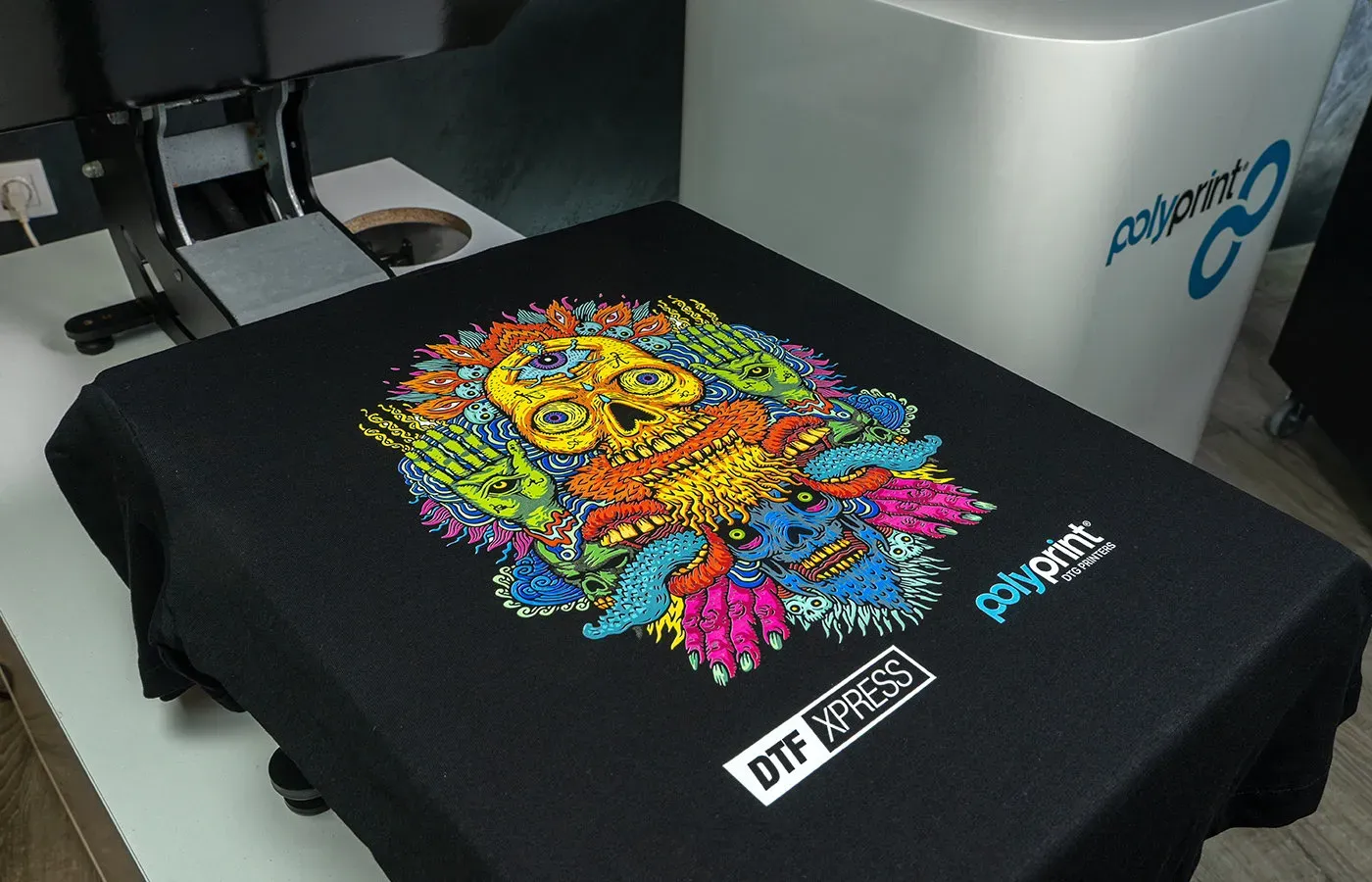
DTF printing, or Direct to Film printing, has gained significant popularity in recent years due to its impressive versatility and ease of use. This innovative printing technique allows designers to take vibrant graphics and transfer them onto an array of fabrics, including cotton, polyester, and even blends. By understanding the fundamentals of DTF printing, beginners can effectively create eye-catching designs that stand out in the competitive fashion industry. The process involves printing an image onto a specialized film, which is then transferred to the desired fabric using heat and pressure.
Furthermore, one of the standout features of DTF printing is its capability to produce high-resolution, full-color prints that are both durable and flexible. This means that whether you’re working on apparel or decorative items, the results are aesthetically pleasing and long-lasting. As more professionals explore this method, mastering the essential principles behind DTF printing becomes crucial. For those looking to dive into the world of custom design, a solid understanding of this printing process will pave the way for a successful venture.
Essential Equipment for DTF Printing
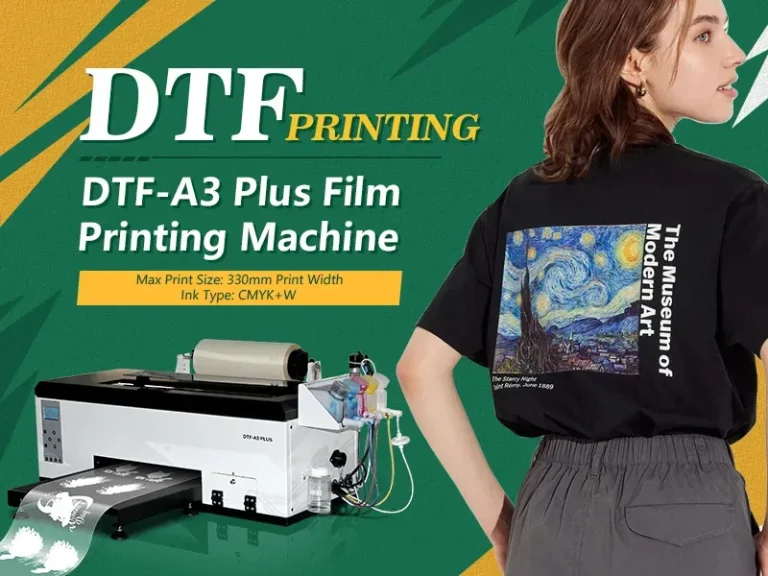
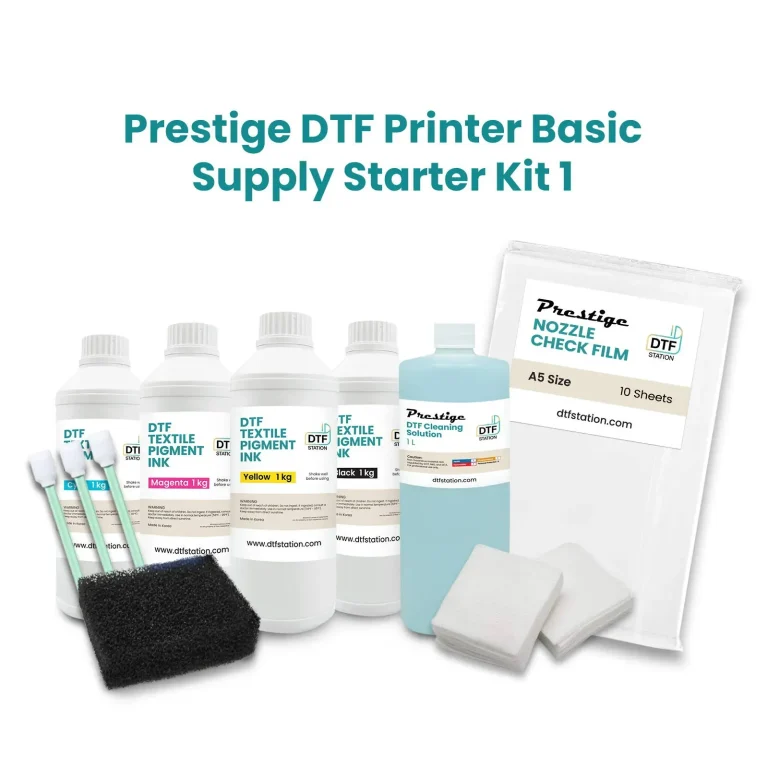
To begin your journey into DTF printing, you’ll need some specific pieces of equipment that will make the process seamless and effective. The core items include a dedicated DTF printer, which typically utilizes water-based inks to ensure vibrant colors. Additionally, a heat press is necessary for attaching the printed designs onto fabric, as it applies the required heat and pressure for optimal adhesion. Also, using high-quality DTF transfer films is crucial, as they play a significant role in achieving stunning results.
Another key component is selecting the right inks—ones specifically formulated for DTF printing. This not only guarantees compatibility but also enhances the final print quality. The combination of the right printer, inks, and heat press equipment creates the foundation for brilliant and striking DTF designs. Beginners should take the time to research and invest in quality tools, as this will set the stage for superior outcomes in their printing projects.
Preparing Your Artwork for DTF Printing
The preparation of your artwork is a critical step in the DTF printing process that can significantly influence the final outcome. Utilizing reliable design software, such as Adobe Illustrator or Photoshop, is essential to create high-quality graphics. It’s important to remember that your design should be set at a minimum resolution of 300 DPI (dots per inch) to ensure pixel-perfect clarity when printed. Furthermore, employing CMYK color profiles rather than RGB ensures that the colors you envision in your design accurately reflect the prints produced.
Simplicity is also a best practice when it comes to design elements. Keeping designs straightforward not only makes printing easier but also ensures that your designs maintain their aesthetic appeal when adorned on the fabric. Additionally, consider the type of fabric when creating your artwork; designs intended for dark fabrics may require unique approaches to ensure visibility and vibrancy. Meticulous attention to these details during the artwork preparation phase will undoubtedly enhance the quality of your DTF prints.
Executing the DTF Printing Process
Once your artwork is prepped, it’s time to move onto the actual DTF printing process, which demands careful execution for stunning results. Start by adjusting your printer settings according to the specifications provided by the manufacturer. Every printer can have unique calibration needs, and adhering to these guidelines plays a pivotal role in achieving accurate color reproduction and optimal print quality. Regular calibration checks are also crucial to maintain consistency in your printing results.
After printing your design onto the transfer film, the next step involves applying the transfer to your chosen fabric. This part of the DTF process requires precision; using a cutting machine to accurately cut around your design is vital to avoid material waste and ensure a clean application. The heat press application stage involves setting the correct temperature and pressure for your specific film and fabric type, which is essential to secure proper adhesion and vibrant color retention in the final pressed design.
Post-Press Techniques for Enhanced Durability
Once your DTF transfer has been properly applied, it’s important to incorporate effective post-press techniques to ensure the longevity of your designs. One of the first steps is allowing the fabric to cool completely before peeling off the transfer film. This seemingly small detail is crucial, as it enhances the adhesion between the ink and the fabric fibers, minimizing the chances of peeling or cracking with wear and wash.
Conducting washing tests is another vital aspect of post-press quality control. By testing your designs under real-world conditions, you can assess their durability and ascertain how they withstand multiple washes. This process helps identify any weaknesses in your materials or techniques, enabling you to make necessary adjustments to improve future prints. Focusing on these post-press practices ensures that your DTF creations maintain their beauty and resilience over time.
Quality Control and Best Practices for DTF Printing
Quality control is an integral component of the DTF printing process that ensures you consistently produce high-quality prints. Conducting thorough inspections of your designs before and after pressing is essential to catch any potential errors that might affect the final result. Regularly performing wash tests on sample prints helps you understand how your designs react to various washing conditions and identify any areas for improvement.
Incorporating best practices into your overall workflow not only boosts the quality of your prints but also builds your confidence as a DTF printer. Engaging with online communities, taking advantage of video tutorials, and following dedicated printing blogs can provide valuable insights and tips from other experienced printers. With a commitment to continuous learning and adjustment based on quality control feedback, you can achieve remarkable results in your DTF printing endeavors.
Frequently Asked Questions
What is DTF printing and how does it work?
DTF printing, or Direct to Film printing, is a modern transfer method that involves printing designs onto a special film and then applying them to fabric using heat and pressure. This process produces vibrant, durable prints suitable for various materials like cotton and polyester.
What are the best practices for DTF printing for beginners?
For beginners in DTF printing, essential best practices include using high-quality DTF transfer films and inks, ensuring proper artwork preparation with a resolution of at least 300 DPI, and maintaining precise printer settings for optimal print quality.
Why should I choose DTF printing over other printing methods?
Choosing DTF printing offers versatility across materials, high-quality vibrant colors and details, and an ease of use that is particularly beneficial for beginners. This technique simplifies the printing process compared to traditional methods like screen printing.
How can I prepare my artwork for DTF printing effectively?
To prepare your artwork for DTF printing, utilize reliable design software, ensure your design is at least 300 DPI, and support CMYK color profiles for accurate color reproduction, as RGB may not perform well in printing.
What equipment do I need for successful DTF printing?
Successful DTF printing requires a dedicated DTF printer, a heat press for transferring images, high-quality DTF transfer film, and water-based inks specifically formulated for DTF applications to ensure excellent results.
How do I ensure the durability of my DTF prints after application?
To ensure durability, conduct wash tests after printing, monitor for fading or cracking, and always allow the garment to cool before peeling off the transfer film. This ensures the design adheres well to the fabric.
| Key Point | Details |
|---|---|
| Introduction to DTF Printing | DTF printing is a modern method of transferring prints onto textiles using heat and pressure. |
| Benefits of DTF Printing | Versatile, high-quality, and easy to use, making it ideal for beginners. |
| Essential Equipment | Includes DTF printer, heat press, DTF transfer film, and compatible inks. |
| Artwork Preparation | Design using software at high DPI and ensure the correct color profiles. |
| Printing Process | Calibrate your printer settings according to manufacturer guidelines. |
| Transfer Application | Cut the film accurately and apply it using a heat press at specified settings. |
| Post-Press Techniques | Let the garment cool before peeling the film for better adhesion. |
| Quality Control | Conduct wash tests to ensure durability of designs. |
Summary
DTF printing is revolutionizing the way designers create stunning textile prints. This modern transfer method offers vibrant colors and flexibility across various fabric types, making it a top choice for anyone looking to enter the world of custom apparel and design. By following best practices—such as using suitable equipment, preparing designs with care, and maintaining a rigorous quality control process—you can harness the full potential of DTF printing effectively. The investment in learning about this technology not only enhances your skills but also promises high-quality results that can captivate your audience. Whether you’re a beginner or a seasoned pro, mastering DTF printing will allow you to express your creativity with confidence and precision.