DTF Printing: Common Mistakes to Avoid for Success
DTF printing, or Direct to Film printing, is revolutionizing the world of custom printing with its efficient and versatile approach to fabric merchandise. This innovative technique allows creators to achieve vibrant and durable designs that can withstand the rigors of daily wear. However, beginners often encounter common mistakes in DTF printing that can hinder their print quality and overall results. In this informative guide, we’ll provide valuable DTF printing tips to help you avoid these pitfalls and improve your DTF printing process. By understanding these essential concepts, you will be well on your way to mastering DTF printing and delivering remarkable products.
Exploring the realm of Direct to Film printing unveils a modern printing method ideal for fabric-based designs. This process, often referred to as film transfer printing or DTF techniques, allows for intricate and colorful designs to be transferred onto textiles with remarkable precision. As with any creative endeavor, there are challenges to confront, including managing common errors that crop up during the DTF printing process. By familiarizing yourself with the nuances of this technique and employing effective strategies, you can significantly enhance your DTF print quality and elevate your projects to new heights. Stay tuned for insights that will help streamline your workflow and yield impressive results.
Understanding the DTF Printing Process
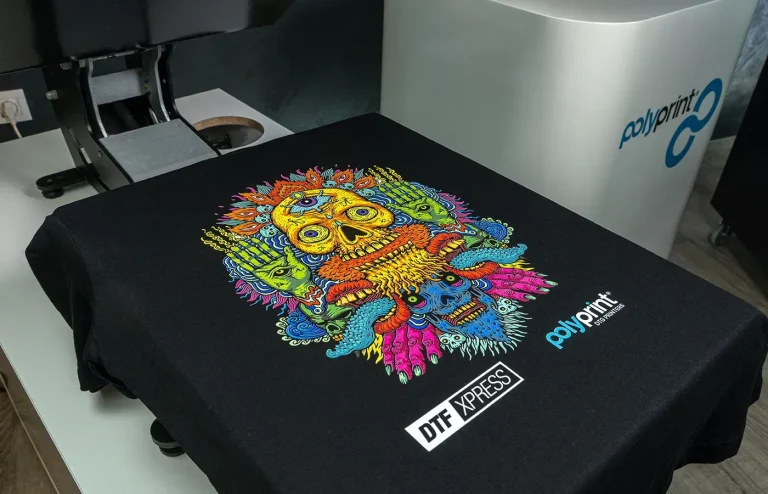
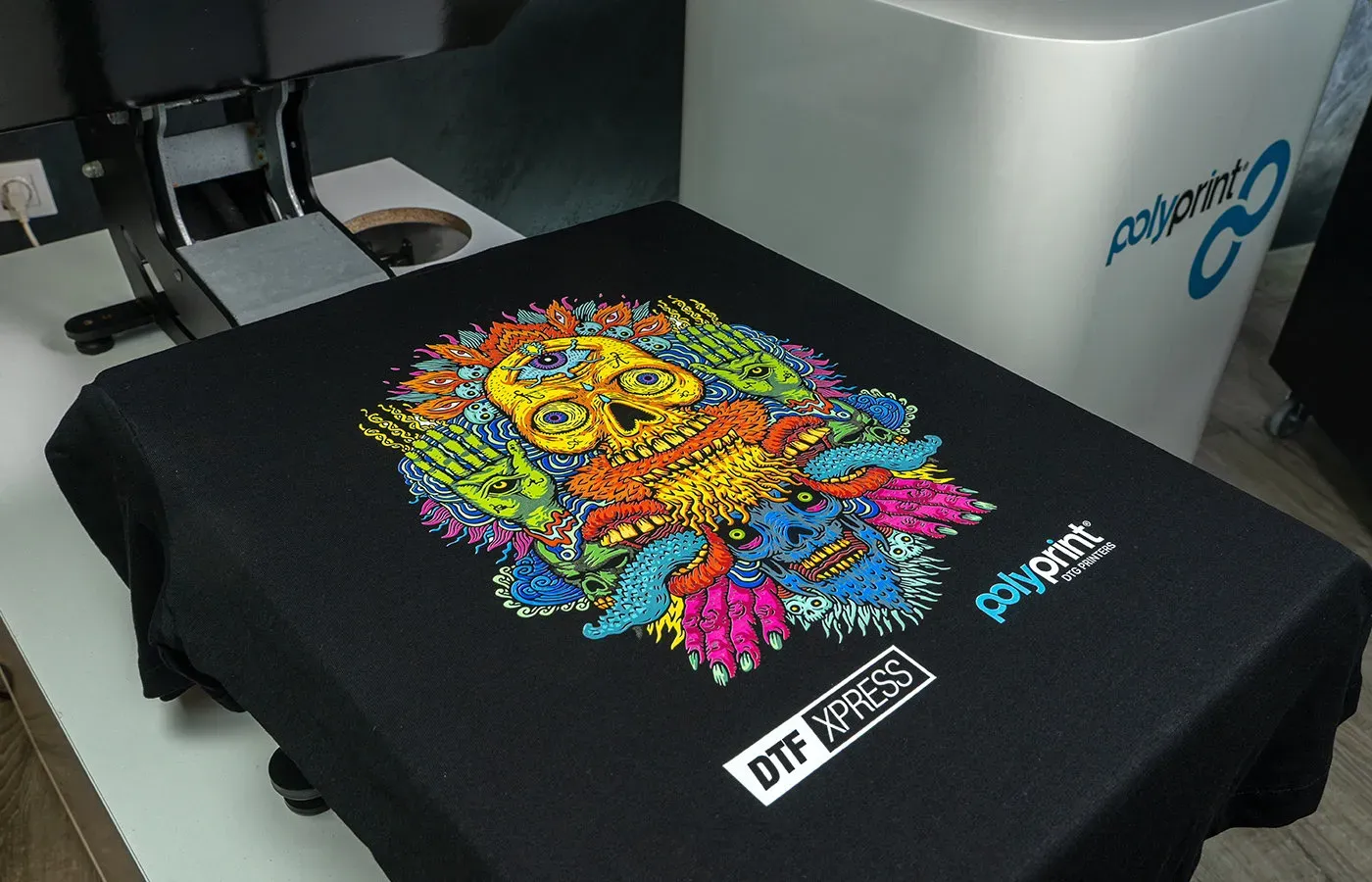
DTF (Direct to Film) printing is a modern technique that revolutionizes how designs are transferred onto fabrics. This process begins with printing the desired graphic onto a special film using DTF inks. This film serves as the medium, allowing for a vibrant and high-detail reproduction of the design. After printing, a hot melt adhesive powder is applied to the wet ink, which is then cured to bond the two together. The final step involves heat pressing the film onto the target fabric, completing the transfer. Understanding these steps is crucial for overcoming many of the common challenges encountered during DTF printing.
In order to achieve high print quality in the DTF printing process, attention to detail is key. Factors such as ink saturation, film type, and curing temperature play significant roles in the final output. Each component must be carefully chosen and calibrated according to the specifications of the material being printed on. This meticulous approach not only enhances the vibrancy and durability of the prints but also minimizes the risk of common mistakes that can arise during both the printing and transfer stages.
Common Mistakes in DTF Printing
Common mistakes in DTF printing can often lead to disappointing results that fail to meet your expectations. One of the most prevalent issues is the selection of the wrong film type. Each type of film has unique properties that can affect adhesion and print quality. Using a DTF-specific film is crucial, as it ensures that the ink adheres properly, thereby reducing incidences of peeling or fading after washing. Additionally, neglecting pre-treatment of the fabric before transfer can result in similar failures. Properly treating the fabric can significantly enhance the overall quality of the print.
Another key mistake is insufficient ink application. Many newcomers to DTF printing may underestimate the importance of ink density, opting for a lighter ink load. This not only affects the vibrancy of the colors but also the longevity of the print itself. Ensuring that your ink settings accommodate for the required ink volume can lead to substantial improvements in print fidelity. Furthermore, ignoring the crucial step of curing can diminish the print’s life. Curing is essential to ensure the adhesive bonds correctly to the fabric, and inadequate curing can result in quick degradation of the print.
Tips to Improve DTF Printing Quality
Improving DTF printing quality is both an art and a science that requires careful consideration of various factors. One effective tip is to regularly adjust your printer settings based on the type of fabric and film being used. Different materials can absorb ink differently, so it is crucial to test various configurations to find the optimal settings. Setting the right ink density will help maintain color vibrancy and print durability, ensuring your final product leaves a lasting impression.
Another helpful tip to enhance DTF printing quality is conducting regular test prints to validate settings before moving to mass production. This practice allows for early detection of potential issues, saving time and resources in the long run. Additionally, maintaining your printing equipment with routine cleaning will prevent common pitfalls such as clogged nozzles and misalignment, which can severely impact print quality. Continuous education on the latest in DTF technology will also keep you ahead of the curve.
Best Practices for Successful DTF Printing
Implementing best practices in DTF printing can significantly elevate your results and ensure consistency throughout the production process. One critical practice is maintaining thorough documentation of your printing parameters. Keeping track of pressure, temperature, and ink types used allows for replicable success and helps you adjust quicker in any future projects. Such records are invaluable for troubleshooting issues and refining your approach over time.
Another best practice is to invest in high-quality materials and equipment, including reliable printing machinery and heat presses. Quality equipment can enhance the precision of your settings and improve the overall finish of your prints. Moreover, staying open to experimenting with different materials and combinations of films and inks can lead to greater creative outcomes and higher acceptance in various markets. Emphasizing quality in your production workflow ensures that every print meets the high standards your customers expect.
Avoiding Technical Issues in DTF Printing
Navigating technical issues is an intrinsic part of the DTF printing process, but being proactive can significantly reduce problems. Regular maintenance of printing equipment is essential. This includes cleaning print heads, checking for outdated software, and ensuring that all components are functioning correctly to prevent clogs and other performance disruptions. A well-maintained printer is less likely to produce subpar results, allowing you to focus on creativity rather than repairs.
In addition to equipment care, understanding and adjusting for environmental factors like humidity can also play a crucial role in minimizing technical issues. High humidity can adversely affect ink absorption and film adhesion. Keeping your printing area climate-controlled and managing the storage of materials can help maintain a consistent environment conducive to high-quality prints. As a best practice, always familiarize yourself with your printing technology; the more knowledgeable you are, the better equipped you will be to troubleshoot effectively.
Conducting Effective Test Prints in DTF Printing
Conducting effective test prints is one of the best ways to ensure quality and consistency in DTF printing. Before committing to a full production run, printing a sample allows you to evaluate the outcome and make necessary adjustments. This could be anything from tweaking ink density to adjusting temperature and pressure settings. By observing the first print, you can identify potential issues related to color vibrancy, adhesion, and clarity, making the testing phase an indispensable step in the process.
Additionally, when performing test prints, use material that closely resembles the final product intended for mass production. This practice ensures your adjustments translate accurately to the end results. Document every aspect of the test print, including the settings and environmental conditions, so that you can replicate or refine the results as needed. The understanding gained from conducting these test prints will not only aid in maximizing print quality but will also boost your confidence in the DTF printing process.
Frequently Asked Questions
What are common mistakes in DTF printing that can affect print quality?
Common mistakes in DTF printing that can impact print quality include choosing the wrong film type, neglecting pre-treatment of fabrics, insufficient ink application, and improper curing techniques. Always ensure you are using compatible materials and following manufacturer guidelines to enhance DTF print quality.
How can I improve my DTF printing process?
To improve your DTF printing process, focus on selecting the correct film type, applying adequate pre-treatment, maintaining your printer regularly, and ensuring proper curing and temperature settings. Testing print samples before mass production can also help avoid errors.
What tips can enhance DTF print quality?
Enhancing DTF print quality involves maintaining proper ink density, ensuring appropriate pressure and temperature during transfers, and regular cleaning of your printing equipment. Documenting your printing settings can also help refine your results over time.
Is pre-treatment necessary in the DTF printing process?
Yes, pre-treatment is crucial in the DTF printing process. It enhances adhesion between the ink and the fabric, preventing prints from peeling or fading. Always use a suitable pre-treatment solution that matches your fabric type for optimal results.
What are some DTF printing tips for beginners to avoid common mistakes?
Some DTF printing tips for beginners include conducting test prints before full production, ensuring the right film and ink are used, and familiarizing themselves with the curing process. Avoid rushing and pay close attention to printer maintenance for better outcomes.
How important is temperature control in DTF printing?
Temperature control is critical in DTF printing as it affects the transfer quality. Each film and fabric type may require different temperature settings, so always consult the manufacturer’s guidelines to achieve the best results and avoid issues.
| Key Points | Details |
|---|---|
| What is DTF Printing? | DTF (Direct to Film) printing is a process where designs are printed on a special film for application on fabrics, allowing for high-quality, durable prints. |
| Common Mistakes | Choosing the wrong film, neglecting pre-treatment, insufficient ink application, improper curing techniques, ignoring maintenance, overlooking temperature settings, incorrect pressure during transfer, and failing to conduct test prints. |
| Best Practices | Maintain documentation of settings, experiment with materials, and invest in quality equipment to improve print quality and consistency. |
Summary
DTF Printing is an innovative technique that, despite its advantages, can present challenges if common mistakes are not avoided. Understanding the nuances of this process, from selecting the right materials to ensuring proper maintenance of equipment, is vital for achieving superior print quality. By following best practices, you can navigate the complexities of DTF printing and produce vibrant, long-lasting designs that withstand the test of time.