DTF Printing: How to Get Started with This Beginner’s Guide
DTF printing, or Direct-to-Film printing, has gained significant traction as an innovative method in the world of custom apparel printing. This remarkable printing technique enables creators to produce stunning and intricate designs on a variety of fabrics, catering to both unique personal projects and entrepreneurial endeavors alike. As a streamlined process that leverages advanced printing technologies, DTF allows for vibrant colors and fine details that traditional methods often struggle to replicate. In this guide, we will break down everything you need to know about DTF printer setup, essential equipment like heat press machines, and practical tips for beginners exploring various printing techniques. Whether you’re aiming to launch a clothing line or simply express your creativity, understanding DTF printing can open doors to endless design possibilities.
Direct-to-Film printing, commonly referred to as DTF, represents a revolutionary approach to fabric decoration that appeals to both novices and seasoned professionals in the custom textiles arena. This dynamic printing method involves transferring designs onto a specially formulated film, which is then heat-pressed onto fabric, allowing for remarkable detail and versatility across different material types. Whether termed as film-based printing or heat transfer printing, DTF stands out for its capacity to deliver bold, full-color graphics that cater to a wide range of fashion and promotional needs. Emphasizing its ease of use, this guide aims to navigate through the essentials, providing insights into DTF printer setup, equipment necessities, and techniques suitable for those just starting their journey in the world of custom apparel.
Understanding DTF Printing: Basics and Benefits
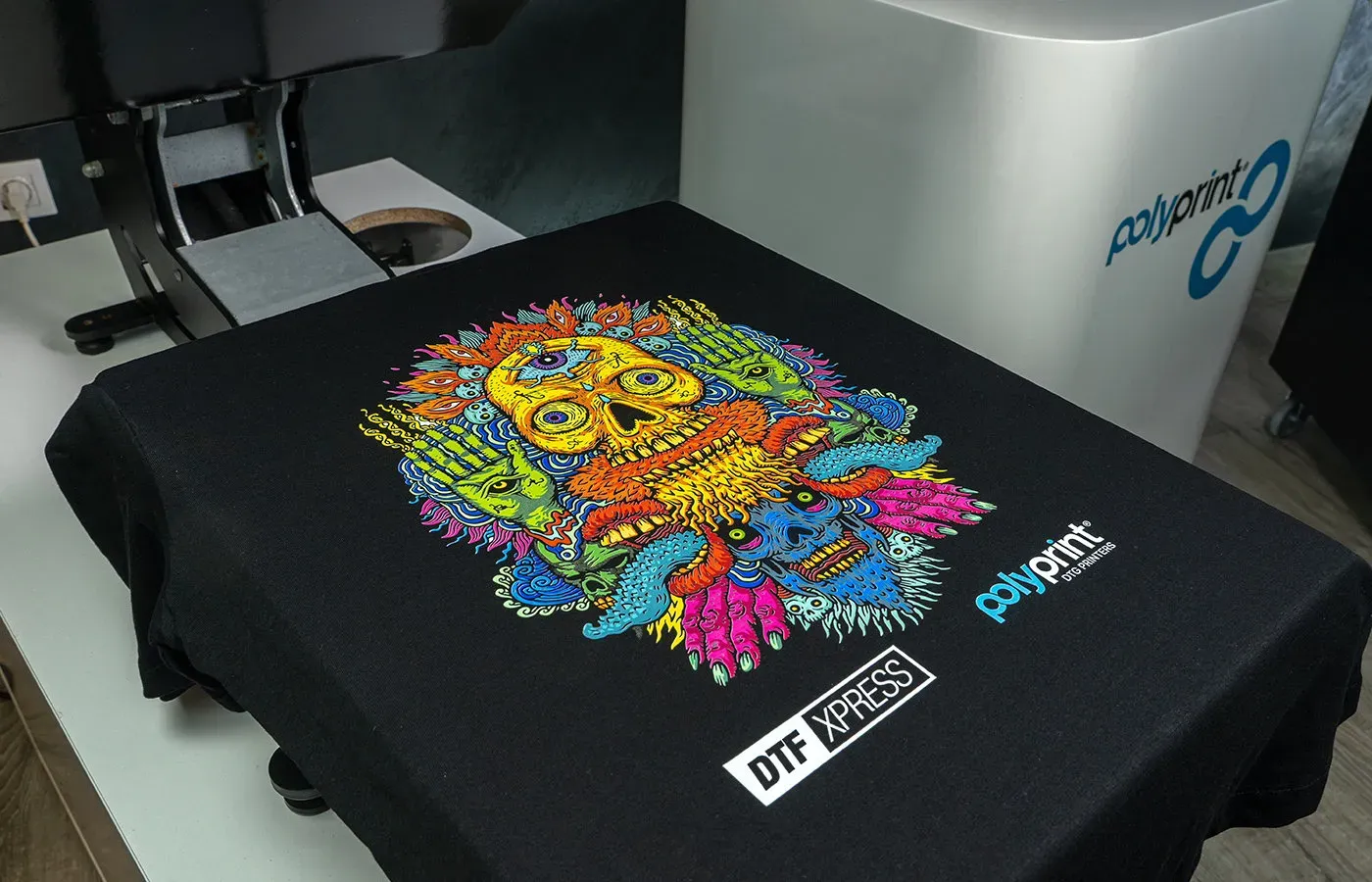
Direct-to-Film (DTF) printing is a revolutionary technique that has redefined the landscape of custom apparel decoration. This process leverages advanced technology to print designs on a special transfer film that can then be seamlessly applied to various fabrics. One of the standout features of DTF printing is its ability to produce high-resolution, vibrant prints that retain their quality over time. This makes it an ideal choice not just for professional businesses but also for hobbyists looking to explore their creative potential.
In addition to its impressive print quality, DTF printing offers unparalleled versatility. It can be used on a wide range of materials including cotton, polyester, and even blends, which expands the possibilities for custom apparel creations. Whether you’re designing t-shirts, hoodies, or bags, DTF printing can accommodate your needs with ease. Furthermore, the cost-effectiveness of this method, especially for small runs, allows newcomers to dip their toes into the custom printing world without a significant financial investment.
Essential Equipment for DTF Printing
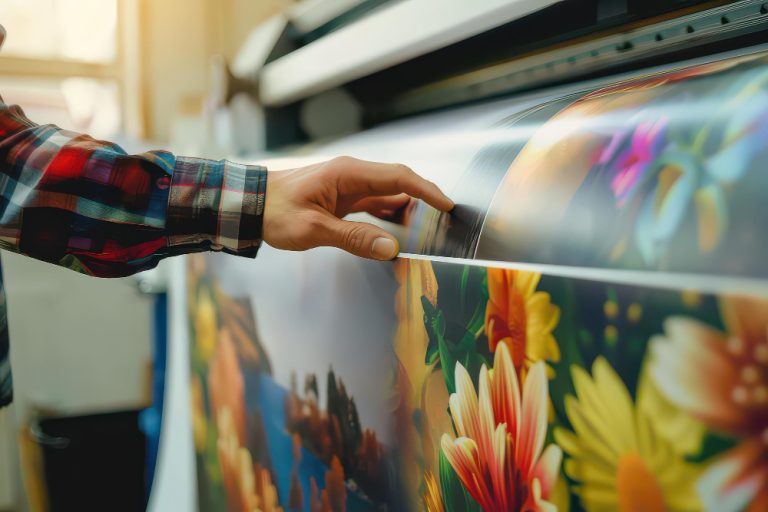
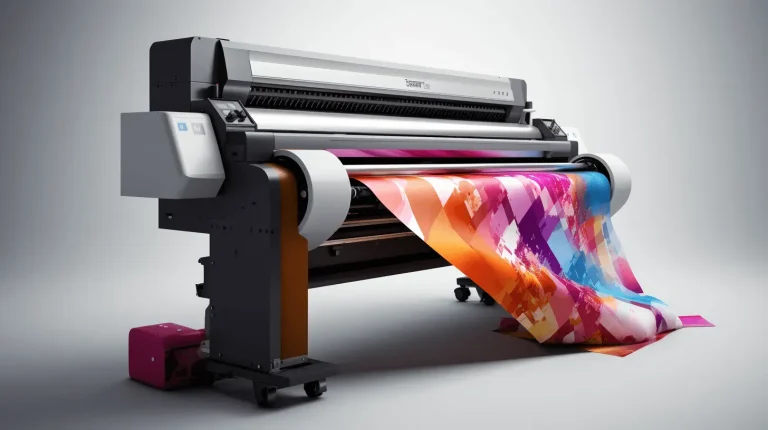
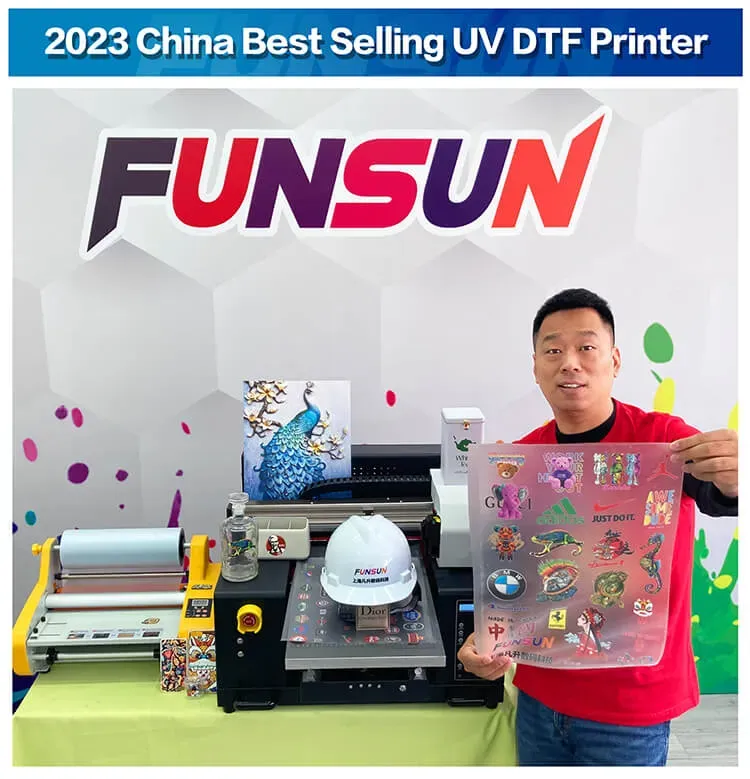
To effectively engage in DTF printing, understanding the necessary equipment is vital. At the core of this setup is the DTF printer, which is designed to handle unique inks that ensure vibrant colors and excellent adhesion to heat transfer films. These printers are often modified inkjet models and are fundamental for producing quality transfers. Additionally, having the right heat transfer film is crucial, as it serves as the canvas for your designs before they hit the fabric.
Moreover, investing in a reliable heat press machine is non-negotiable. This machine applies the required heat and pressure, ensuring that designs are accurately transferred onto the fabric. The careful selection of adhesive powder is equally important, as it helps secure the ink to the transfer film during the application process. Together, these tools create an effective DTF printer setup that can yield professional results, allowing users to easily replicate intricate designs and detailed graphics.
Step-by-Step DTF Printing Process
Starting your DTF printing journey involves a methodical approach to ensure successful outcomes. The process begins with design creation, where one typically utilizes graphic design software such as Adobe Illustrator to produce eye-catching visuals. It is important to prepare your design keeping in mind the colors and details, as these factors greatly influence the final product. Taking time at this stage can pay off by reducing errors during later steps.
Next, the actual printing process involves configuring the DTF printer settings to accommodate the specific type of film used, which is vital for achieving precise prints. Once printed, the application of adhesive powder is done while the ink is still wet, leading to a secure bond between the ink and powder. Afterward, the transfer to the selected fabric takes place using a heat press machine, required to activate the adhesive and permanently affix the design. The final peeling and curing stages ensure the durability and vibrancy of the printed design, solidifying its quality for wear.
Exploring DTF Printing Software
Design software plays a pivotal role in the DTF printing process, enabling users to craft unique designs that can be brought to life through their printers. Programs such as Adobe Illustrator and CorelDRAW not only provide tools for creating intricate graphics but also aid in preparing files for printing. Understanding the features of these software options can enhance your design capabilities, allowing for precision and creativity in your artwork.
For beginners, investing time in learning these design programs can significantly impact the quality of your prints. Many online tutorials and communities are available to help users navigate software intricacies, ensuring they maximize their creative potential. Familiarity with the software not only speeds up the design process but also empowers users to troubleshoot issues as they arise, making it an essential aspect of successful DTF printing.
Advantages of DTF Printing for Beginners
One of the foremost advantages of DTF printing is its approachable learning curve for beginners. Unlike traditional screen printing, which can be cumbersome and complex, DTF offers a more user-friendly option for those new to printing techniques. The process is straightforward, allowing individuals to achieve professional results without extensive training or prior experience. This accessibility is what attracts many to explore custom apparel printing using DTF.
Furthermore, DTF printing is known for its cost-effectiveness, especially when starting small. With lower material waste and minimal setup costs compared to other printing methods, beginners can experiment with designs without breaking the bank. The ability to produce high-quality garments quickly also means newcomers can enter the market sooner, making it an appealing option for those looking to start a custom clothing line or venture into the world of apparel design.
Key Considerations Before Starting DTF Printing
While the benefits of DTF printing are alluring, there are several considerations to keep in mind before diving in. The initial setup, which includes purchasing a DTF printer, heat press machine, and other essential materials, may involve a significant financial investment. Beginners should budget accordingly and consider the long-term nature of this investment, as cost savings will become apparent over time with regular use.
Additionally, the learning curve associated with mastering the equipment and software should not be underestimated. Although DTF printing is more straightforward than other methods, becoming proficient requires practice and patience. New users should be prepared to invest time in understanding both the technical aspects of printing and the creative elements of design to ensure high-quality outputs that meet their expectations.
Frequently Asked Questions
What is DTF Printing and how does it work?
DTF Printing, or Direct-to-Film printing, is a modern technique that involves printing a design onto a special heat transfer film. The process begins with a DTF printer applying vibrant inks onto the film, followed by a layer of adhesive powder. A heat press machine then transfers the design to fabric, creating high-quality, detailed prints suitable for various materials.
What equipment do I need for DTF printer setup?
To set up your DTF printer for custom apparel printing, you will need a DTF printer, heat transfer film, adhesive powder, a heat press machine, and graphic design software like Adobe Illustrator. This equipment is crucial to execute the printing process efficiently and achieve high-quality results.
Can I use any inkjet printer for DTF printing?
While you can use any inkjet printer for DTF printing, it’s best to opt for a DTF printer that is specifically designed for this process and compatible with DTF inks. This ensures optimal color vibrancy and adherence to the heat transfer film for successful design application.
What types of fabrics can I use with DTF printing?
DTF printing is versatile and can be used on a variety of fabric types including cotton, polyester, blends, and more. This flexibility makes it an excellent choice for custom apparel printing, allowing creators to cater to different garment materials.
How long does the heat transfer process take in DTF printing?
The heat transfer process in DTF printing typically takes between 15 to 30 seconds, depending on the type of fabric and adhesive used. Proper application of heat and pressure via a heat press machine is critical for ensuring the transfer of the design is successful.
What are the advantages of DTF printing over traditional printing techniques?
DTF printing offers several advantages over traditional printing techniques, such as vibrant color output, the ability to print intricate designs, and versatility across different fabric types. Additionally, it is more cost-effective for small runs, making it ideal for startups and personalized custom apparel.
| Key Point | Details |
|---|---|
| Introduction | DTF printing allows for vibrant prints on various fabrics, ideal for custom clothing. |
| What is DTF Printing? | A modern printing technique that transfers designs onto fabric via heat transfer film. |
| Required Equipment | DTF printer, heat transfer film, adhesive powder, heat press machine, and design software. |
| Step-by-Step Process | Design > Print > Apply Adhesive > Transfer > Peel and Cure. |
| Benefits | Versatile printing, vibrant colors, and cost-effective for small runs. |
| Considerations | Learning curve, initial costs, and ensuring quality and durability. |
Summary
DTF Printing offers an exhilarating path for newcomers interested in the realm of custom apparel. It allows creative individuals to produce vibrant, high-quality designs suitable for various fabric types, making it an accessible solution for both small businesses and DIY projects. By understanding the essential equipment and process steps, one can efficiently tap into the lucrative market of custom textiles. Delving into DTF printing not only nurtures one’s artistic aspirations but also provides a cost-effective approach, allowing creators to bring their unique ideas to the forefront of fashion.