DTF Printing Techniques: A Beginner’s Comprehensive Guide
DTF Printing Techniques are revolutionizing the way designs are transferred onto fabrics, offering a seamless blend of efficiency and quality. As industries increasingly look for alternatives to traditional methods, Direct-to-Film printing has emerged as a frontrunner, providing vibrant, durable prints. In this guide, we delve into the DTF printing process, comparing its advantages over screen printing and other forms of textile printing. With innovative DTF printers available, this method stands out for its versatility and cost-effectiveness, catering to both small businesses and hobbyists. Moreover, its alignment with sustainable printing methods makes DTF printing a compelling choice for the environmentally conscious.
The realm of fabric printing has seen a significant transformation with the advent of Direct-to-Film transfer techniques, which are popularly known as DTF. This dynamic approach involves printing designs onto a specific film that is later applied to various materials, making it an adaptable solution in today’s market. By understanding the intricacies of DTF, including its comparison to other techniques like Direct-to-Garment and traditional screen printing, creators can better appreciate the potential this innovation holds. Moreover, with a growing emphasis on eco-friendly alternatives, these transfer methods adhere to sustainable practices, appealing to a broader audience. Embrace the cutting-edge world of DTF printing and discover how it can elevate your creative projects.
Understanding the DTF Printing Process
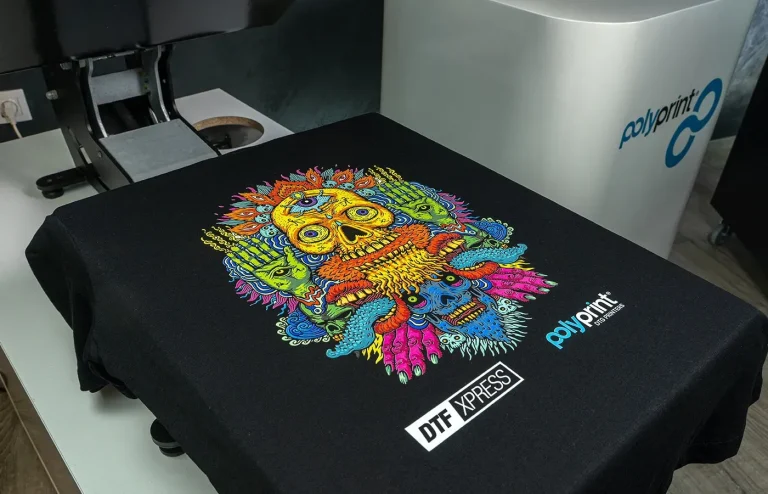
Direct-to-Film (DTF) printing presents a revolutionary way to apply designs onto textiles. It all starts with the DTF printer, which uses specially formulated water-based inks to print directly on a transfer film. This film acts as a substrate for the adhesive, and its unique properties allow for the capture of intricate designs with vibrant colors. The printed film undergoes a critical step where an adhesive powder is applied, facilitating a strong bond upon heat transfer. This process not only allows for vivid prints but also supports efficient small-run production, making it particularly appealing for custom jobs.
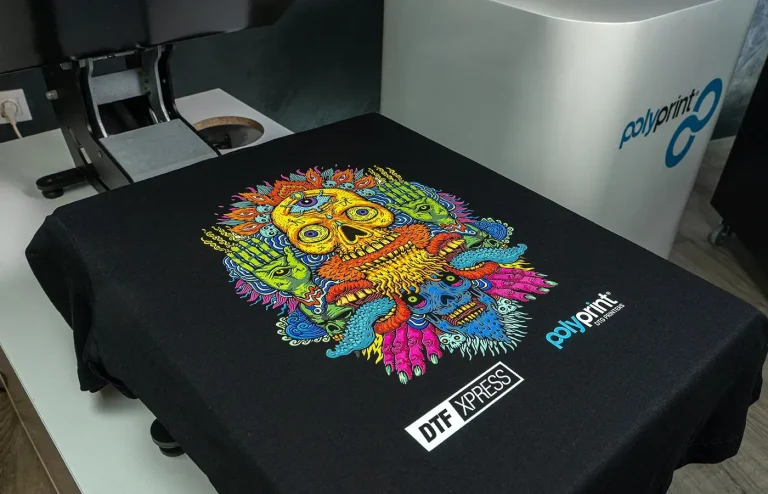
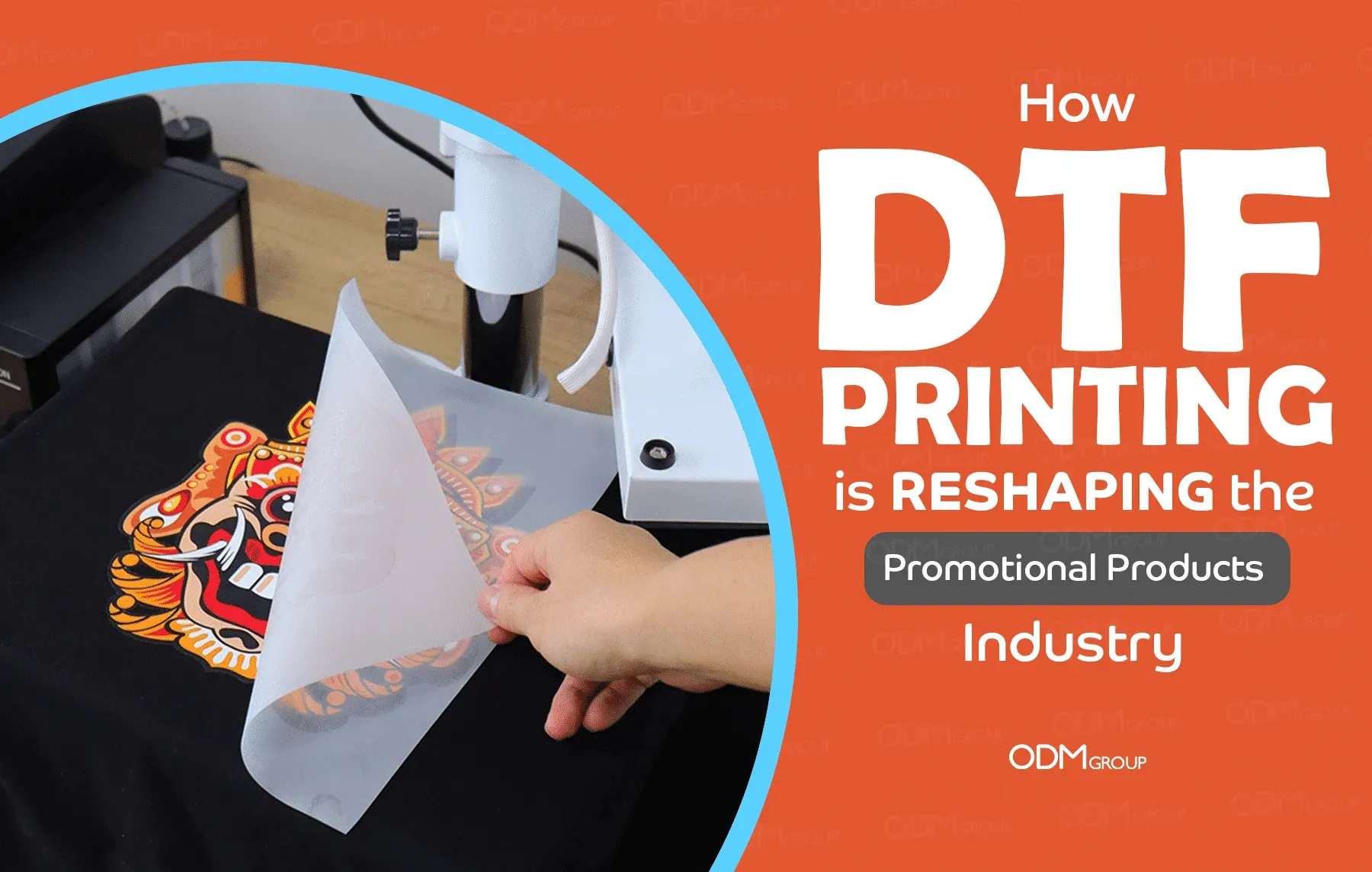
Once the adhesive is cured with a heat press, the transfer film can be applied to various substrates, providing versatility that sets DTF apart from other methods. Unlike traditional screen printing, which requires extensive setup for different colors and designs, DTF enables quick changes and is cost-effective for operators looking to offer custom designs without the burden of high overhead costs. The ability to transfer designs onto a multitude of fabric types amplifies the DTF printing process’s applicability in both fashion and promotional product markets.
DTF Printing vs. Screen Printing: A Comparative Analysis
When exploring the differences between DTF printing and screen printing, it’s important to highlight their respective strengths and weaknesses. Screen printing has long been revered for its durability, especially when it comes to bulk production of vibrant designs on cotton fabrics. However, this method can become cumbersome when faced with multi-color designs, as it necessitates separate screens for each color, inflating production costs and time significantly.
Conversely, DTF printing circumvents many of these drawbacks. It enables intricate designs to be produced without the need for multiple setups. The flexibility of DTF allows for customization in designs with far fewer labor inputs. Additionally, the water-based inks used in DTF practices align with growing trends toward sustainable printing methods, appealing to eco-conscious customers who prioritize quality along with environmental responsibility.
Investing in DTF Printers: What to Consider
As you consider investing in a DTF printer, understanding the range of options available is crucial. Entry-level models have become increasingly affordable, allowing hobbyists and small businesses to test the waters with minimal financial risk. Key factors to evaluate include print quality, speed, and the type of inks used.
Moreover, assess the long-term benefits of purchasing a DTF printer, such as lower setup costs for producing multicolor designs compared to traditional screen printing. Businesses can also enjoy heightened profit margins through smaller production runs, which are achievable thanks to the DTF printing process. Comprehensive research on brand reputation and machine specifications will ultimately help you make a well-informed purchase that meets your printing needs.
Applications of DTF Printing Across Industries
DTF printing is not just reserved for apparel; its applications stretch across various industries, offering limitless possibilities. From custom designs on home textiles like pillowcases and tablecloths to personalized accessories such as bags and caps, DTF printing provides a quality alternative that can cater to diverse market demands. This adaptability allows businesses to explore new product avenues and meet customer requests for unique merchandise.
Additionally, promotional products benefit significantly from DTF’s ability to print high-quality graphics with precision. Whether it’s for corporate events, giveaways, or personalized gifts, DTF’s capacity to deliver vibrant and detailed images enhances product appeal. This versatility also makes it a reliable choice for start-ups aiming to carve their niche in competitive markets.
Innovations Shaping the Future of DTF Printing
Recent technological advancements are poised to take DTF printing into the future. Innovations include the development of more sophisticated water-based inks that enhance print adhesion and durability while preserving color vibrancy. These improvements allow DTF printers to maintain high-quality outputs even when printed on challenging fabric types, thus expanding the range of applications.
Furthermore, the integration of automated systems within DTF printers significantly reduces labor costs and production time. These machines now often come equipped with features that minimize waste during the printing process, further aligning with sustainable printing methodologies. As a result, businesses can streamline their operations while adhering to environmentally friendly practices.
Navigating the Costs and Equipment of DTF Printing
Understanding the costs associated with DTF printing is essential for anyone considering entering this field. The initial investment may vary widely based on the equipment and materials selected. Entry-level DTF printers can start at affordable prices, making this printing technique accessible for hobbyists and small enterprises.
As your business expands, you may opt for more advanced models that can enhance productivity and quality. Additional costs such as adhesive powders and transfer films must also be considered when budgeting for a DTF printing operation. Conducting thorough research into equipment types, initial outlays, and ongoing operational costs can help in making informed financial decisions for your DTF printing endeavors.
Frequently Asked Questions
What is the DTF printing process and how does it work?
The DTF printing process, or Direct-to-Film printing, involves printing designs onto a specialized film using a DTF printer. After printing, a unique adhesive powder is applied, then cured with heat, allowing the design to be transferred onto fabrics using a heat press. This method is favored for high-quality prints and durability.
How does DTF printing compare to screen printing?
When comparing DTF printing to screen printing, DTF is less labor-intensive since it eliminates the need for physical stencils. DTF allows for intricate designs with multiple colors to be printed on films, while screen printing can be costlier and requires more time for setup and multiple passes.
What are the advantages of using a DTF printer over direct-to-garment printing?
A DTF printer offers greater versatility as it prints designs onto film that can be applied to various fabrics, making it more cost-effective for small runs. In contrast, direct-to-garment printing is better suited for large orders and has higher setup costs, limiting flexibility.
Are there sustainable printing methods associated with DTF printing?
Yes, sustainable printing methods are increasingly incorporated in DTF printing, such as the use of water-based inks and reduced waste techniques. These practices appeal to environmentally conscious consumers and help position DTF printing as a more eco-friendly option in the industry.
What applications are best suited for DTF printing?
DTF printing is highly versatile and can be used for various applications such as apparel, home textiles like pillowcases, accessories like bags and caps, and promotional merchandise that benefits from custom designs. This adaptability makes it a popular choice across diverse markets.
What costs should I consider when investing in DTF printing equipment?
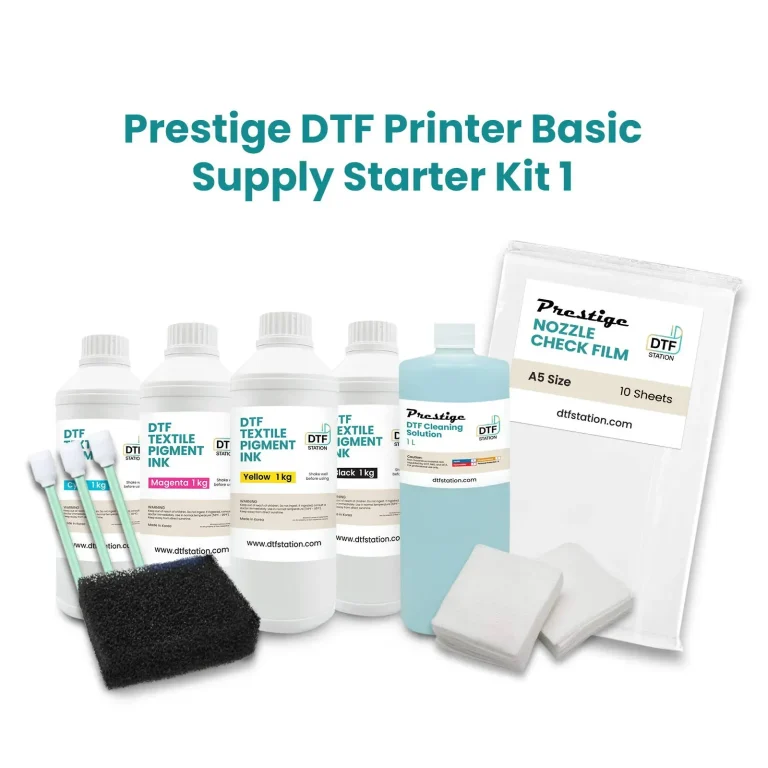
Costs for DTF printing equipment vary widely, with entry-level printers starting at a few hundred dollars and high-end models reaching several thousand. Additional expenses may include film, adhesive powder, and a heat press, making it essential to budget for both the printer and the necessary supplies.
| Key Points | Details |
|---|---|
| What is DTF Printing? | A printing method where designs are printed onto a transfer film with adhesive, and then applied to fabric using heat and pressure. |
| Comparison with DTG Printing | DTG prints directly onto garments, ideal for large runs. DTF is more flexible and cost-effective for smaller runs using a film transfer method. |
| Comparison with Screen Printing | Screen printing is durable but labor-intensive. DTF facilitates complex designs without the need for stencils. |
| Step-by-Step Process | 1. Print design on film with water-based inks. 2. Apply adhesive powder. 3. Cure the adhesive with heat. 4. Transfer the design to fabric with heat and pressure. |
| Recent Innovations | Advancements in ink formulations and user-friendly printing machines to improve efficiency and reduce waste. |
| Cost of Equipment | Entry-level DTF printers vary in price, making it accessible for hobbyists and small businesses, ranging from a few hundred to thousands of dollars. |
| Applications of DTF Printing | Used in apparel, home textiles, accessories, and promotional merchandise due to its versatility. |
| Current Trends | Sustainability focus, with a shift towards water-based inks and waste reduction, attracting eco-conscious consumers. |
Summary
DTF Printing Techniques represent a revolutionary advancement in the printing industry, combining affordability, efficiency, and high-quality results. This method has attracted widespread adoption among beginners and seasoned professionals alike, enabling intricate and vibrant designs transferable to various fabrics and products. As the technology continues to evolve with innovations and the industry shifts towards sustainable practices, the appeal of DTF printing is set to grow even more. For those considering entering the printing realm, understanding DTF printing techniques is essential, providing a solid foundation for both hobby and business endeavors.