DTF Printing Technology: The Future of Printing in 2023
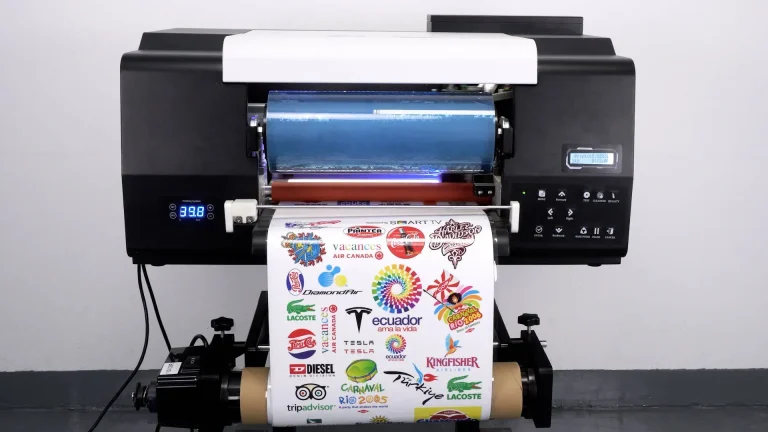
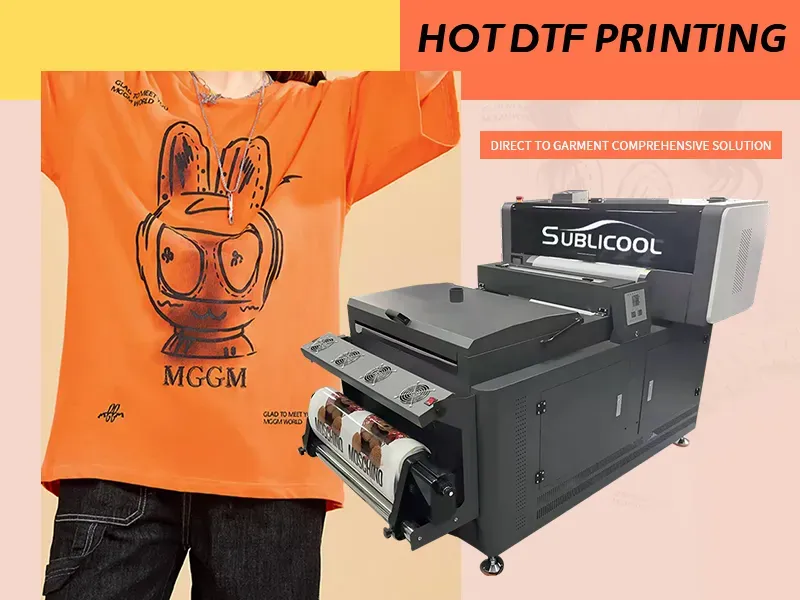
DTF printing technology, or Direct-to-Film printing, has carved out a prominent space in the textile manufacturing sector as a game-changing solution for custom apparel printing. As we delve into 2023, its remarkable abilities and efficient processes position it as a go-to choice for businesses eager to harness the latest advancements in printing technology. This innovative method not only caters to high-quality designs on various fabrics but also aligns well with the growing demand for sustainable printing technologies. With DTF applications spreading rapidly, companies are discovering versatile solutions for creating unique promotional products and personalized items. It’s clear that DTF printing technology is not just a fleeting trend; it’s a transformative force that is reshaping the landscape of custom printing.
Direct-to-Film (DTF) printing is increasingly recognized for revolutionizing how we approach the art of fabric decoration. As the industry evolves in 2023, this technique stands out for delivering vibrant designs and durability, making it a preferred option for both small businesses and established brands. Often referred to as a novel method of printing on textiles, it serves as a bridge between traditional techniques and modern demands for sustainability and versatility. The adaptability of this emerging printing solution expands its capabilities beyond textiles, facilitating the production of a variety of products that cater to diverse consumer needs. As printing technology continues to advance, the impact and potential of DTF are becoming undeniable, paving the way for a new era in custom printing solutions.
What Makes DTF Printing a Game Changer in Custom Apparel?
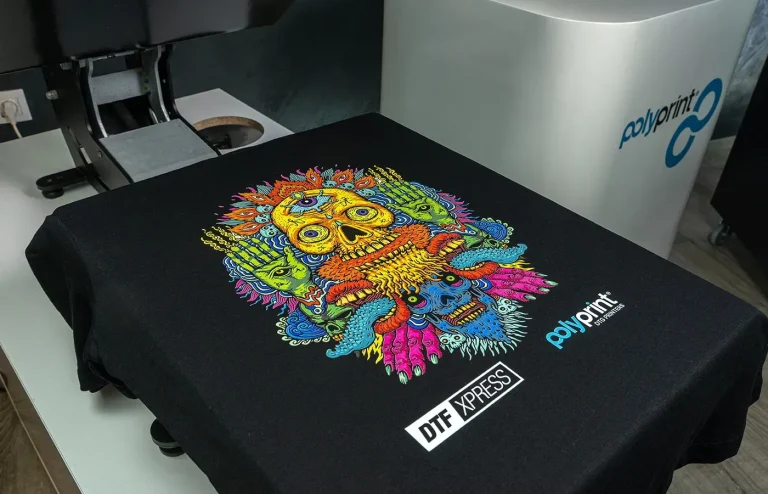
Direct-to-Film (DTF) printing has revolutionized the landscape of custom apparel printing by offering unmatched versatility and efficiency. Unlike traditional methods like Direct-to-Garment (DTG) printing, DTF allows for high-quality transfers on various fabric types, including cotton, polyester, and blends. This flexibility means that businesses can cater to a wider array of customer preferences, easily adapting their offerings to meet specific demands. As a result, entrepreneurs entering the custom printing market can now create personalized apparel that stands out in quality and design, setting themselves apart from competitors.
Moreover, the affordability of DTF equipment makes it an attractive option for small businesses and startups. With lower capital requirements compared to DTG, many new entrepreneurs find DTF to be a viable entry point into the industry. This ease of access, combined with the ability to produce eye-catching and durable prints, has led to a significant increase in small businesses leveraging DTF technology in their operations. As more entrepreneurs embrace DTF, the impact on the custom apparel market is profound, driving innovation and creativity.
DTF Printing Technology Advancements in 2023
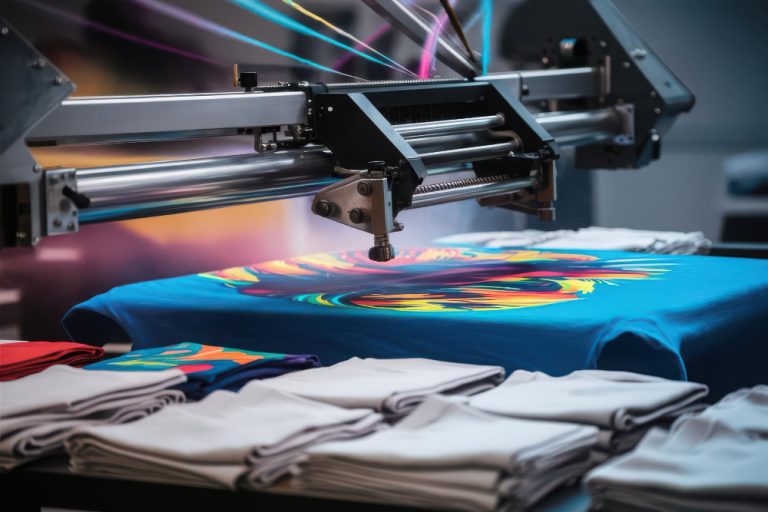
In 2023, advancements in DTF printing technology have taken center stage, propelling the industry towards enhanced quality and efficiency. Recent developments, particularly in printer head technology, have dramatically improved production speeds and print fidelity. The introduction of new ink formulations has also resulted in brighter colors and greater wash durability, which are crucial for consumer satisfaction in custom apparel. These advancements allow businesses to meet increasing customer demands for both rapid delivery and high-quality products, positioning DTF as a competitive alternative to established techniques.
Additionally, ongoing research and development efforts are focused on optimizing the DTF printing process, addressing previous challenges such as ink adhesion and transfer reliability. These improvements are essential for ensuring that prints remain vibrant and durable through multiple washes, thereby increasing the overall longevity of printed garments. As the industry evolves, DTF technology continues to showcase significant potential for growth and innovation, maintaining its status as a leading player in the custom printing sphere.
Sustainability in DTF: A Step Towards Eco-Friendly Printing
Sustainability has become an integral part of the printing industry, and DTF is leading the charge with eco-friendly innovations. Manufacturers are increasingly focusing on developing biodegradable films and low-VOC inks, which not only appeal to environmentally-conscious consumers but also reinforce the broader movement towards sustainable printing technologies. This shift reflects a growing understanding that consumers prefer brands that prioritize environmental responsibility, especially in the apparel sector.
By adopting sustainable practices, DTF printing not only mitigates its environmental impact but also attracts a new customer base that values sustainability. Trade shows and industry events in 2023 have prominently featured these innovations, showcasing companies dedicated to eco-friendly production methods. As DTF technology continues to incorporate sustainable practices, it sets a precedent for other printing techniques, encouraging a shift towards a more environmentally-friendly industry standard.
Diverse DTF Applications: Beyond Just Textiles
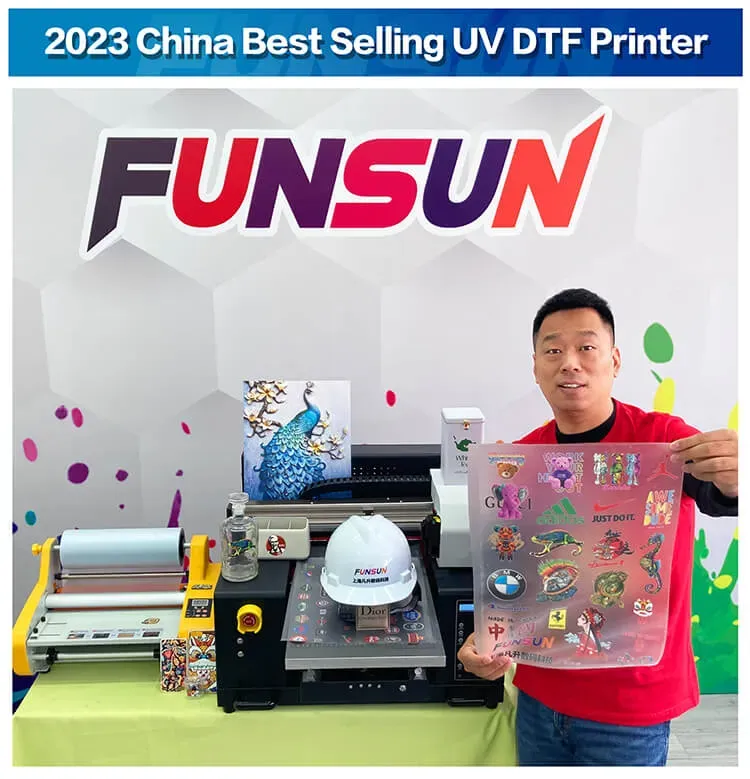
One of the standout features of DTF printing is its remarkable versatility, extending its applications far beyond traditional textiles. In 2023, businesses are leveraging DTF technology not only for custom apparel but also for a variety of promotional products, such as bags, phone cases, and sports gear. This ability to print on diverse substrates not only broadens the market reach for DTF users but also opens new revenue opportunities for businesses looking to diversify their product offerings.
The expansion of DTF applications signifies the technology’s adaptability, allowing businesses to cater to varied customer needs. Whether creating unique giveaways or personalized merchandise, the potential for creativity in product design is virtually limitless. This adaptability is a key advantage in the competitive printing sector, as businesses can differentiate themselves by offering customized, high-quality products that resonate with consumers across different demographics.
The Competitive Landscape of DTF vs. Traditional Printing Methods
As DTF printing technology gains traction, it faces competition from established methods like DTG and screen printing. These traditional techniques have long been embedded in the custom printing industry, often setting high standards for print quality and cost-efficiency. To outpace these established methods, DTF must demonstrate clear advantages in speed, scalability, and overall value to attract businesses looking for innovative printing solutions.
Moreover, many industry observers are keen on understanding how DTF can carve out its niche in a crowded marketplace. As consumer expectations continue to evolve, the pressing need for rapid production and sustainable options places immense pressure on all printing technologies to adapt. DTF’s ability to offer quick turnaround times and exceptional print quality, while addressing environmental concerns, could very well determine its success against the backdrop of traditional printing methods.
Collaborations Fueling DTF’s Rise in the Printing Market
The rise of DTF technology in the printing landscape has also been fueled by strategic partnerships and collaborations within the industry. Brands involved in apparel manufacturing and printing technology are increasingly joining forces to leverage their unique strengths and drive innovation. These collaborations often result in enhanced product offerings, combining advanced printing solutions with cutting-edge garment technologies to deliver superior results for consumers.
As businesses from various sectors recognize the potential of DTF printing, these partnerships are becoming essential in navigating the complexities of the printing market. They promise to bring forth innovative solutions that may further cement DTF’s position as a leader in custom printing. The combined expertise from apparel brands, printing manufacturers, and technology providers showcases a collective commitment to improving the DTF process, thus enhancing its competitive edge and market acceptance.
Frequently Asked Questions
What are the advantages of DTF printing technology in custom apparel printing?
DTF printing technology offers several advantages for custom apparel printing, including the ability to print on a wide variety of fabrics, from cotton to polyester. Its relatively low startup costs make it accessible for small and medium-sized businesses. Additionally, advancements in DTF technology have improved image quality and durability, ensuring vibrant prints that can withstand washing. Overall, DTF is revolutionizing the custom apparel industry with its flexibility and efficiency.
How does DTF printing compare to other printing technologies like DTG and screen printing?
Compared to Direct-to-Garment (DTG) and screen printing, DTF printing technology offers enhanced versatility by printing on diverse textiles easily. While DTG excels in high-quality prints for cotton, DTF can accommodate blends and synthetic fabrics as well. DTF also has faster production speeds and lower costs, making it an appealing choice for startups. However, established methods have their own strengths; thus, the choice often depends on specific business needs and target markets.
What is the role of sustainability in DTF printing technology?
Sustainability plays a crucial role in the evolution of DTF printing technology. Many manufacturers are prioritizing eco-friendly practices by developing biodegradable films and utilizing low-VOC inks. This commitment to sustainable printing technologies reflects the growing consumer demand for environmentally responsible products, positioning DTF printing as a viable option for businesses looking to reduce their environmental footprint while also appealing to eco-conscious consumers.
What are the emerging applications for DTF printing technology beyond textiles?
In 2023, DTF printing technology has expanded beyond traditional textiles to encompass a variety of applications including custom phone cases, bags, and promotional products. This adaptability allows businesses to diversify their offerings and tap into new markets, creating additional revenue streams while fully utilizing the versatility of DTF. The ability to print on various surfaces broadens the potential for creative custom products.
What advancements have been made in DTF technology in 2023?
2023 has seen significant advancements in DTF printing technology, particularly in printer speed and image quality. Innovations in ink formulations enhance color vibrancy and wash durability, helping businesses meet the growing demand for high-quality custom prints. Additionally, improvements in printer head technology allow faster processing times without compromising output quality, making DTF a competitive player in the printing market.
How are partnerships impacting the growth of DTF printing technology?
Partnerships between technology manufacturers, suppliers, and apparel brands are crucial for the growth of DTF printing technology. These collaborations are fostering innovations and enhanced product offerings that give businesses a competitive edge. By combining expertise and resources, partners can tackle challenges in the industry and promote the benefits of DTF technology, ultimately driving its adoption and acceptance in the mainstream market.
| Key Points | Details | |
|---|---|---|
| What is DTF Printing? | A process where special inks are printed onto a film and transferred to fabrics using heat, allowing for high-quality prints on various textiles. | |
| Increased Adoption by Small Businesses | DTF technology offers low startup costs, appealing to small and medium-sized enterprises for custom apparel. | |
| Technological Advancements | Improvements in image quality and production speed due to advancements in ink formulations and printer technology. | |
| Sustainability Concerns | Focus on eco-friendly practices with biodegradable films and low-VOC inks aligns with consumer preferences for sustainability. | |
| Expansion of Market Applications | DTF printing is used for various items beyond textiles, such as phone cases and bags, which increases market reach. | |
| Challenges and Competition | DTF faces competition from established methods like DTG and screen printing, needing to demonstrate clear advantages. | |
| Emerging Partnerships and Collaborations | Collaborations among technology manufacturers, suppliers, and apparel brands are driving innovations and enhancing product offerings. | |
Summary
DTF printing technology is reshaping the fabric of the printing industry in 2023, marking a transformative shift in how custom apparel and promotional products are produced. With its ability to deliver high-quality, vibrant prints on a wide range of textiles, DTF stands out as an ideal solution for small businesses seeking cost-effective entry into the market. The ongoing advancements in DTF printers aimed at improving speed and image quality are crucial in meeting the fast-paced demands of consumers. Additionally, the focus on sustainability with eco-friendly materials positions DTF as a future-forward option in an increasingly environmentally conscious marketplace. As this innovative technology expands its applications beyond traditional textiles, it promises new revenue opportunities for businesses while navigating competition from established printing methods. With continuous growth and innovation, DTF printing technology holds exciting potential for the future.