DTF Printing: The Definitive Guide to DTF, DTG, and Sublimation
DTF printing, or Direct to Film printing, has rapidly emerged as a game-changer in the fabric printing landscape, appealing to businesses with its versatility and efficiency. This innovative technique allows for high-quality designs to be transferred onto various materials, catering to a wide range of custom printing needs. With its ability to deliver vibrant colors and detailed patterns, DTF printing competes closely with other popular methods like DTG (Direct to Garment) and sublimation printing. Each of these printing techniques has its unique advantages, but DTF stands out for its compatibility with different fabrics, making it an ideal choice for small to medium printing runs. As the demand for custom apparel grows, understanding the nuances of DTF printing and its competitors is essential for businesses looking to thrive in the textile market.
Exploring the realm of textile printing reveals a multitude of techniques, including the revolutionary Direct to Film method commonly known as DTF printing. This approach uses a specialized transfer film to craft stunning designs, which are then vividly imprinted on various fabric substrates. Alternatively, the Direct to Garment (DTG) method provides a more traditional printing solution, while sublimation printing offers unrivaled color vibrancy for polyester fabrics. As the fabric printing industry evolves, understanding these distinct methods is vital for businesses aiming to deliver exceptional quality and adapt to current market trends. DTF and its counterparts not only enhance customization capabilities but also redefine aesthetic appeal in apparel design.
Understanding DTF (Direct to Film) Printing
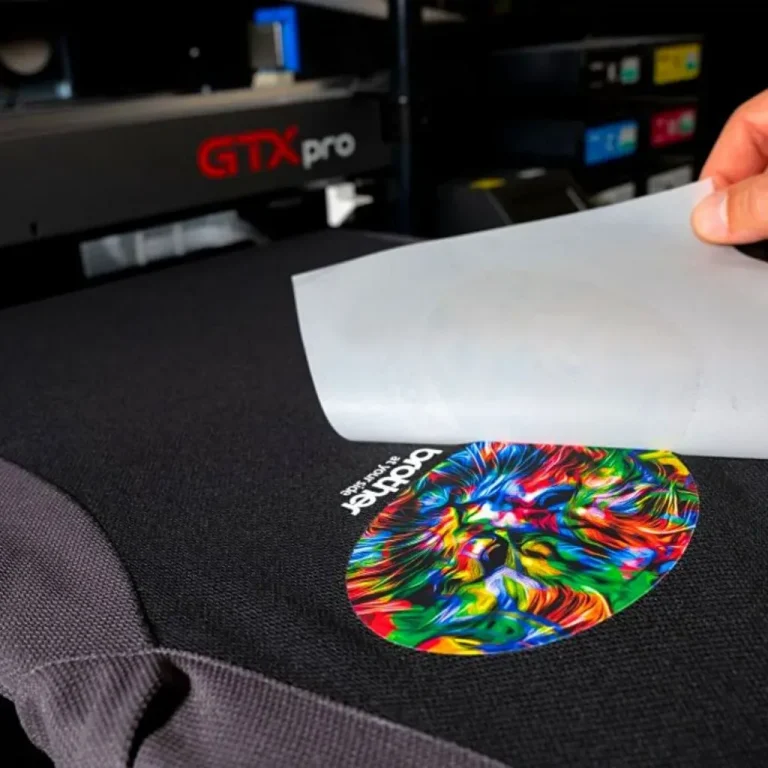
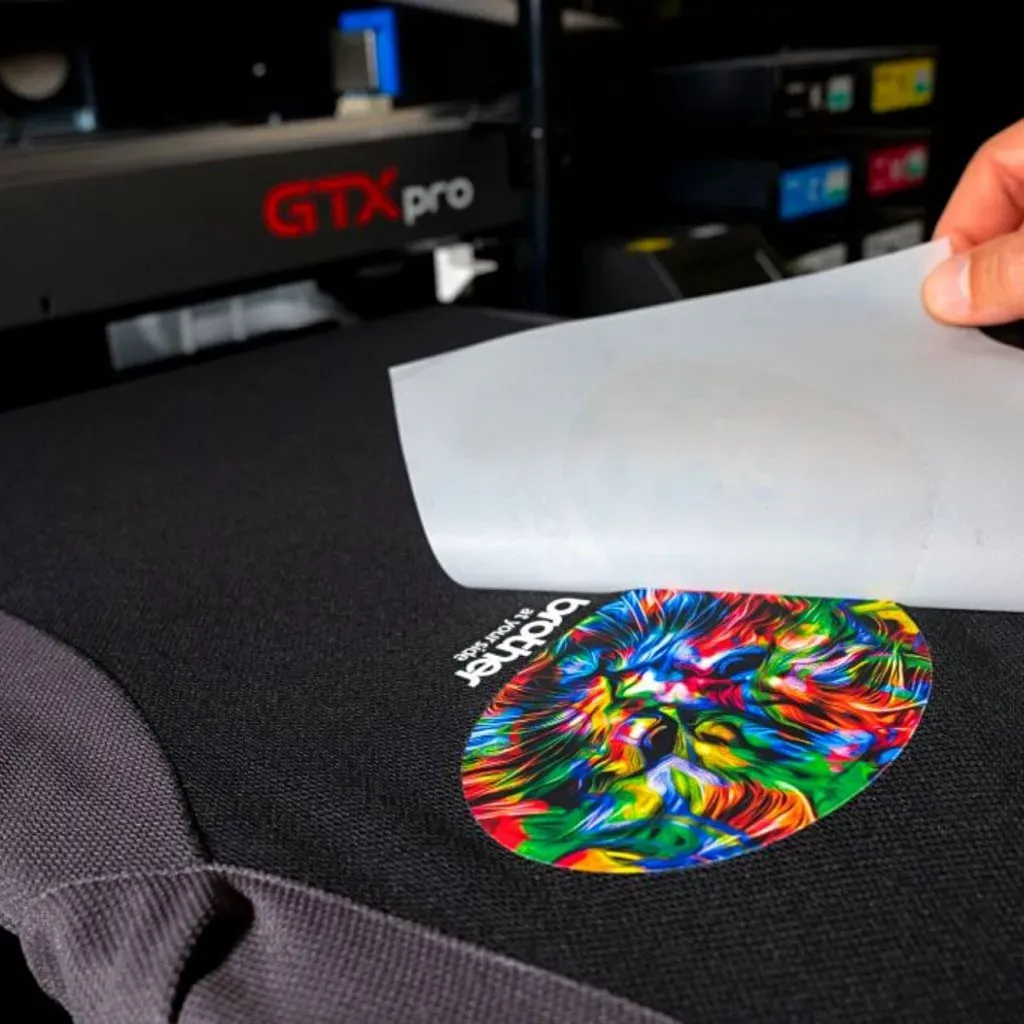
DTF printing, or Direct to Film printing, has revolutionized the fabric printing industry with its innovative approach to transferring designs. This technique involves printing artwork on a specialized transfer film, which, when heated, adheres to various materials, allowing for incredible versatility. DTF not only caters to cotton but also works well on blends and even synthetic fabrics, making it an excellent choice for custom apparel across different demographics. The ability to print intricate designs with fine detail enhances its appeal, especially for businesses looking to create small batches or personalized items.
In recent years, the development of eco-friendly inks has become a focal point within the DTF printing community. As consumer demand for sustainable practices grows, manufacturers are increasingly investing in environmentally friendly adhesives and ink formulations. Moreover, advancements in the printing process have led to greater durability of prints, offering businesses a long-lasting solution that meets quality and sustainability standards. This evolution positions DTF printing as a practical choice for modern businesses aiming to align with market trends that favor both innovation and ecological responsibility.
Exploring DTG (Direct to Garment) Printing
DTG printing, or Direct to Garment printing, provides a unique method for applying ink directly onto textiles through advanced digital printing technology. This technique is celebrated for its ability to produce high-quality prints with stunning color vibrancy, catering particularly to personalized apparel and intricate design needs. Unlike traditional screen printing, DTG allows for quick and cost-effective runs by eliminating the need for separate screens for different designs, making it ideally suited to smaller orders and custom requests.
Recent technological advancements in DTG printing have led to significant improvements in printer performance and ink formulations. Newer models boast faster processing speeds, which minimize turnaround times for production without sacrificing print quality. Furthermore, the introduction of eco-friendly inks is addressing environmental concerns while maintaining the print’s durability. As DTG technology evolves, businesses increasingly find value in automated systems that streamline their production processes, ultimately enhancing efficiency and competitiveness in a dynamic marketplace.
The Power of Sublimation Printing
Sublimation printing has emerged as a frontrunner in producing vibrant graphics directly embedded into fabric fibers, particularly designed for polyester or polymer-coated materials. This process stands out for its ability to produce sharp, vivid colors that remain durable over time, making it especially popular in sports apparel and promotional materials. The sublimation technique allows designs to become part of the fabric rather than merely sitting on top, which prevents cracking or fading, thus ensuring longevity allowing products to maintain their quality even after multiple washes.
With the market’s increasing emphasis on color vibrancy and detail, sublimation printing continues to gain traction among brands aiming for eye-catching apparel. The advancements in heat press technology and dye formulations have contributed to its rising demand. However, while sublimation excels in aesthetic appeal, its limitation to polyester substrates does restrict its broad application compared to DTF and DTG methods. Exploring the potential of sublimation printing reveals insights into developing trends within the apparel industry that prioritize quality and visual impact.
Comparative Analysis of DTF, DTG, and Sublimation Printing
When evaluating the three primary printing techniques—DTF, DTG, and sublimation—it’s essential to consider their strengths and limitations regarding material compatibility, color quality, and setup costs. DTF printing offers remarkable flexibility, being compatible with a variety of fabrics, while DTG is typically more effective on cotton. Sublimation excels in delivering vibrant colors but is limited to polyester, making each technique fit a distinct niche in the fabric printing market. This comprehensive understanding helps businesses align their printing choice with specific project requirements.
Furthermore, color quality remains a focal point in comparing these printing methods. Although both DTF and DTG provide high-quality prints, sublimation trumps competitors in color vibrancy and longevity on compatible substrates. Additionally, a look into the economic aspect highlights DTF’s advantage due to typically lower setup costs, making it an attractive choice for small businesses and projects requiring smaller print runs. By weighing these factors, businesses can make informed decisions that cater specifically to their target audiences and production capacities.
Market Trends Influencing Fabric Printing
The fabric printing industry is undergoing significant transformations driven by technology and consumer preferences. The rise of e-commerce has sparked a dramatic increase in demand for custom apparel and printing solutions that offer both quality and efficiency. Trends show a growing preference for on-demand printing techniques such as DTF and DTG, which accommodate personalization while maintaining minimal inventory risks. Companies that embrace these trends are poised to capture the shifting market dynamics effectively.
Furthermore, sustainability continues to shape the future of fabric printing. Eco-friendly inks and processes are becoming fundamental as consumers demand more environmentally responsible options. As awareness of climate change and ecological impact grows, manufacturers are increasingly adopting sustainable practices across all printing methods, including DTF and sublimation printing. Brands that prioritize these practices not only enhance their market appeal but also contribute positively to the environment, thus ensuring long-term viability in a competitive landscape.
Choosing the Right Printing Technique for Your Needs
Selecting the appropriate printing method for your project involves assessing multiple factors, including the material, design complexity, and production volume. DTF printing stands out for its versatility and compatibility with a range of fabrics, making it an excellent choice for those who require flexibility in their offerings. For businesses focused on high-quality, custom designs, DTG printing may provide the best balance of detail and quality due to its direct application method.
On the other hand, sublimation printing shines when vibrant colors and durability are paramount, particularly for products where long-lasting visuals are crucial. However, the limitation to polyester substrates may steer businesses towards other methods if broader application is needed. Ultimately, thoroughly analyzing project needs against the capabilities of each printing technique ensures the best decision tailored to consumer demands and production objectives.
Frequently Asked Questions
What is DTF printing and how does it work?
DTF printing, or Direct to Film printing, is a technique that involves printing designs onto a specialized transfer film. This film is then printed onto fabrics under heat and pressure, allowing for custom designs on a variety of materials. It’s known for its versatility and ability to produce high-quality prints.
How does DTF printing compare to DTG and sublimation printing?
DTF printing offers greater material compatibility than DTG, which primarily works on cotton, and sublimation, which is limited to polyester fabrics. DTF is seen as cost-effective for small runs, while sublimation excels in color vibrancy, and DTG is favored for intricate designs on garments.
Is DTF printing suitable for all fabric types?
Yes, one of the key advantages of DTF printing is its compatibility with various fabric types, including cotton and blends. This makes it a versatile choice for businesses looking to customize different types of apparel.
What are the advantages of using DTF printing?
DTF printing provides several benefits including low setup costs, the ability to print on different materials, and excellent color vibrancy. It is ideal for small to medium printing runs, making it a cost-effective solution for startups and custom apparel businesses.
Can I achieve vibrant colors with DTF printing?
Absolutely! DTF printing is known for delivering impressive color vibrancy. Recent advancements in ink formulations have enhanced the durability and color quality of prints, making them suitable for various applications.
What should I consider when choosing between DTF printing and other printing techniques?
When selecting a printing technique, consider factors such as material compatibility, color quality, cost, and the specifics of your project. DTF printing is highly versatile and cost-effective, while DTG is ideal for high detail and sublimation is great for vibrant color on polyester.
| Printing Technique | Advantages | Limitations | Market Trends |
|---|---|---|---|
| DTF (Direct to Film) | Versatile for various materials; Cost-effective for small to medium runs. | Limited to certain fabric types; May require expertise in application. | Significant growth projected due to low setup costs and user accessibility. |
| DTG (Direct to Garment) | Good for personalized designs; High-quality prints with a soft feel. | Best quality on cotton; Higher initial costs for equipment. | Rising demand in e-commerce for custom apparel. |
| Sublimation Printing | Exceptional color vibrancy and durability; Ideal for polyester fabrics. | Limited to polyester and polymer-coated fabrics; Not suitable for all materials. | Growing popularity in sports and promotional apparel sectors. |
Summary
DTF Printing is rapidly emerging as a versatile technique in the fabric printing industry, offering unique advantages tailored to meet diverse consumer needs. This method allows for customization across various materials and is cost-effective, making it especially appealing for small businesses. Understanding the differences between DTF, DTG, and sublimation printing is crucial for anyone looking to make informed decisions in their printing initiatives. As the market continues to evolve, keeping abreast of these technologies and their characteristics helps businesses leverage their potential effectively.