DTF Printing: Tips and Tricks to Maximize Your Creativity
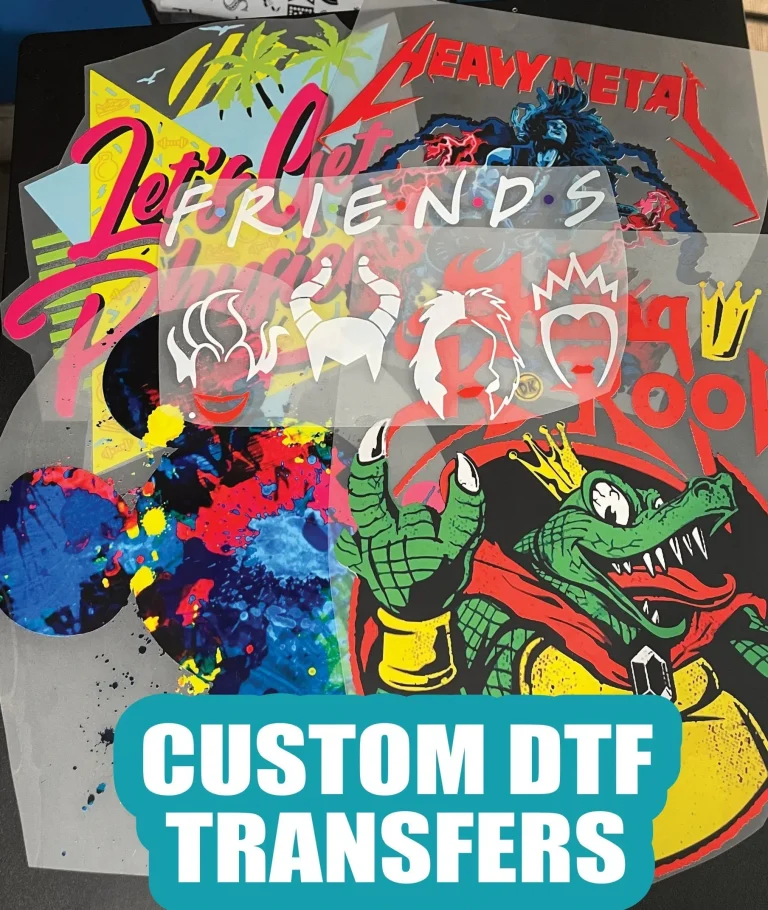
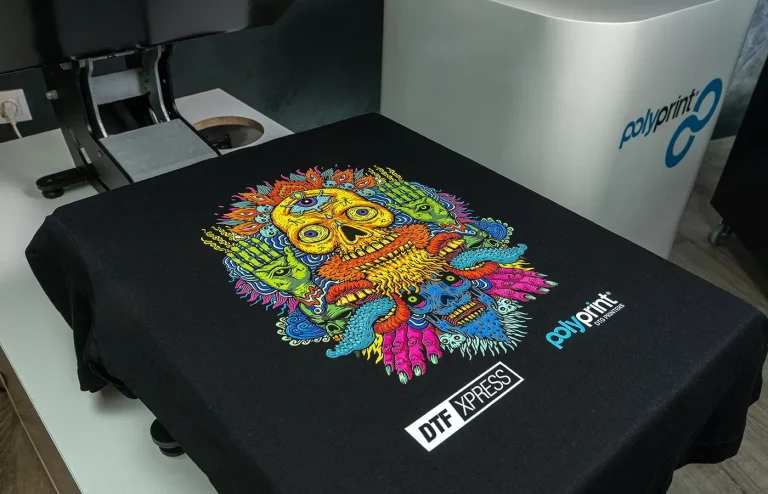
DTF printing, or Direct-to-Film printing, is transforming the landscape of custom apparel printing, providing a modern solution for artists and entrepreneurs alike. This groundbreaking technique empowers users to apply intricate and vibrant designs on a variety of fabrics with remarkable durability. Whether you’re looking to express your creativity through T-shirts, hoodies, or accessories, understanding DTF printing opens up a new realm of possibilities. In this guide, we’ll delve into valuable tips for DTF printing, explore essential DTF printing techniques, and discuss the best DTF printing materials to elevate your projects. Join us as we maximize your creative potential with this innovative printing method!
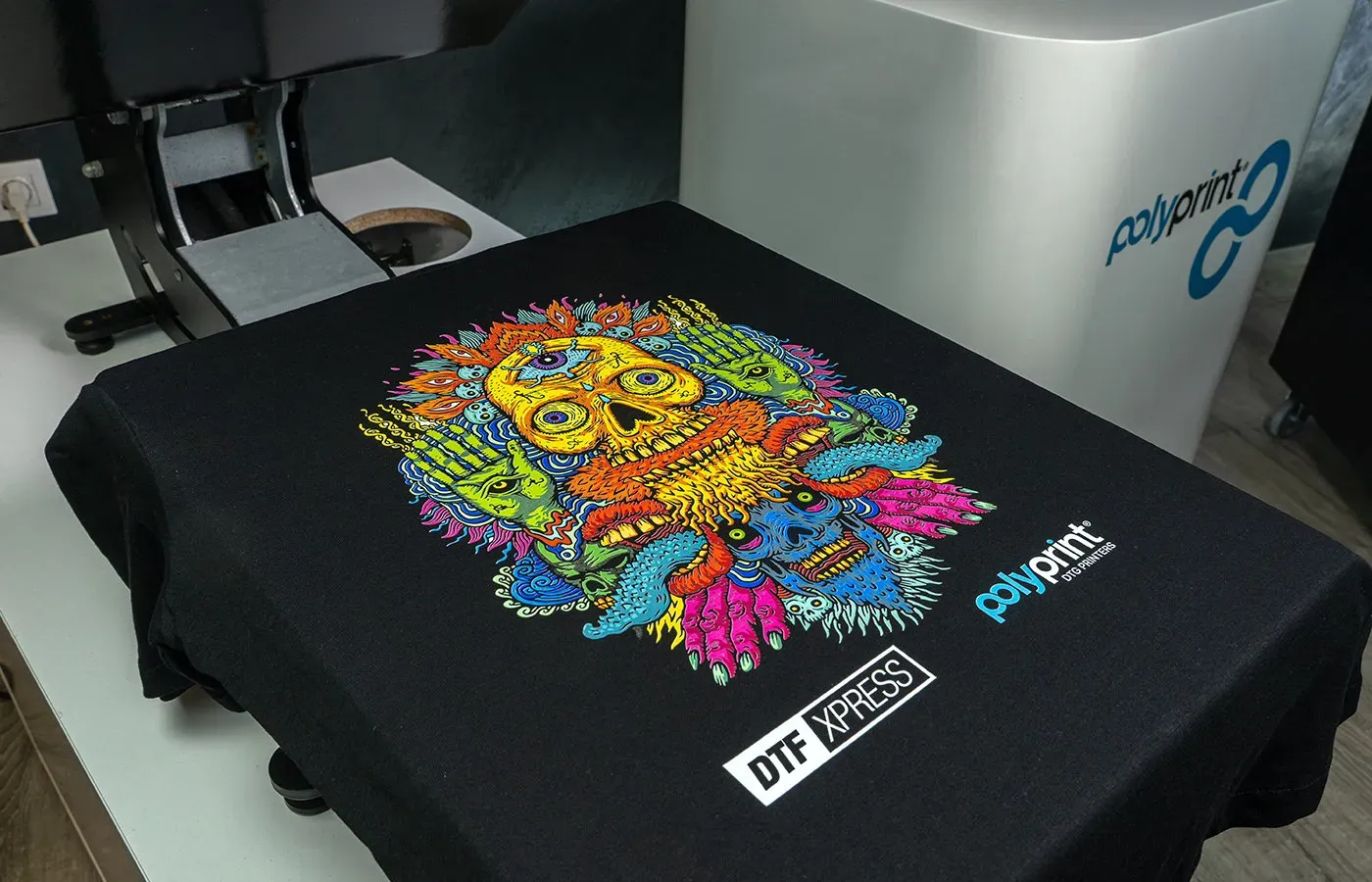
Direct-to-Film technology, often referred to colloquially as film transfer printing, is rapidly becoming a favorite among those engaged in the textile design industry. This technique, which excels at applying detailed images onto garments, offers unmatched versatility and quality, making it ideal for producing fashion-forward custom apparel. By utilizing advanced printing techniques and selecting high-quality materials, creators can achieve stunning, long-lasting prints that resonate with their audience. From graphic designers to small business owners, incorporating this film-based printing solution presents exciting prospects for creativity and self-expression. Dive into the world of film-based printing and discover how it can redefine your artistic endeavors.
Unleashing Creativity with DTF Printing Techniques
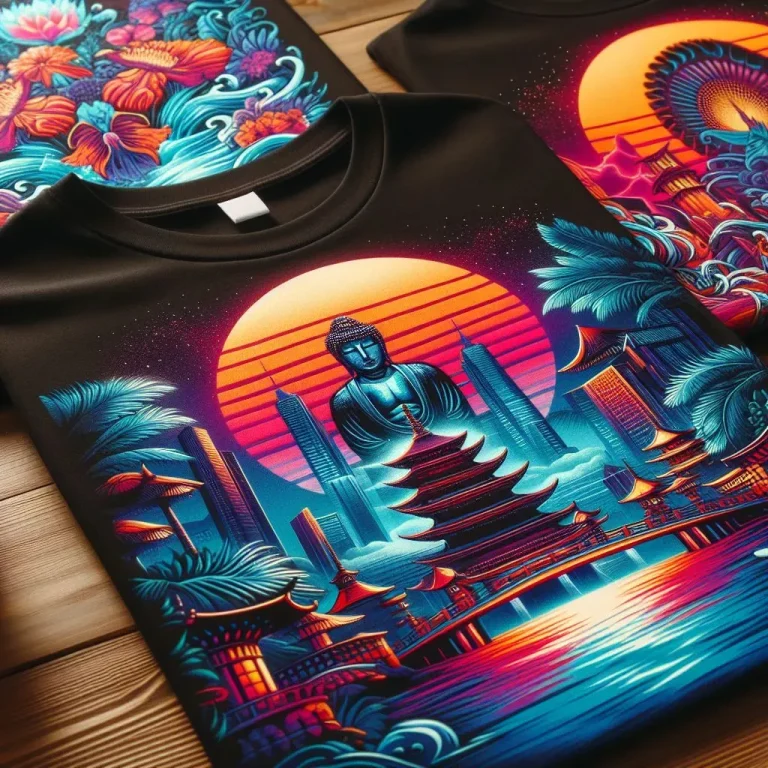
DTF printing techniques are paramount for artists and designers looking to bring their visions to life on fabric. Utilizing this method allows for a unique application of vibrant colors and detailed designs, fundamentally setting it apart from traditional printing methods. It’s crucial to explore a variety of techniques such as layering images, using transparency in colors, and experimenting with textures to create dynamic outputs. This exploration can lead to truly innovative pieces that resonate with your creative intent.
Each technique in DTF printing, from blending colors to incorporating patterns, plays a critical role in the success of the final product. Artists can use various software tools to design their prints, ensuring that they maximize the potential of DTF inks and media. Trends like oversized prints and abstract designs have captured the attention of the market, showing how versatile this technique can be for personal projects or commercial endeavors.
Essential Tips for DTF Printing Success
To achieve stunning results with DTF printing, several essential tips should be adhered to throughout the design process. Firstly, always ensure that your graphic design is high-resolution; designs created with insufficient resolution can lead to pixelated and unprofessional outcomes when printed. Additionally, it is vital to keep the color profiles consistent to avoid discrepancies between how a design appears on the screen versus the finished print.
Moreover, it’s beneficial to conduct test prints before committing to large batches. This allows artists to fine-tune their color selections and design elements, ensuring optimal results. By keeping a keen eye on details, such as color accuracy and print cleanliness, creatives can significantly enhance their final apparel products. Incorporating these tips helps in laying a solid foundation for future DTF projects.
Choosing the Right Materials for DTF Printing
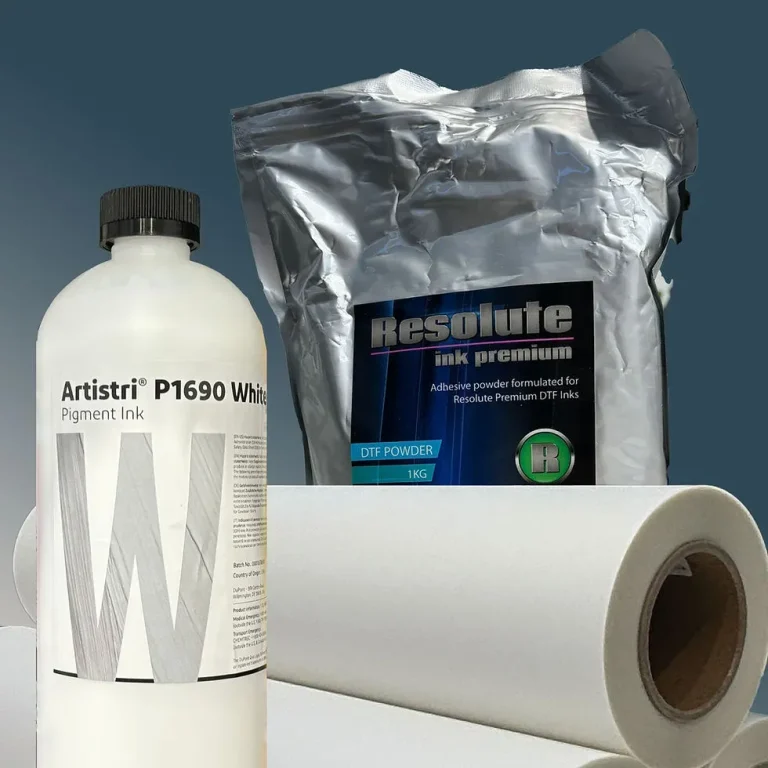
The materials used in DTF printing greatly influence the quality and durability of the printed designs. Quality fabrics, such as 100% cotton or poly blends, not only enhance the vibrancy of colors but also ensure better adhesion of the prints. When selecting fabrics, it’s also essential to consider the texture and weight, as these factors can impact the final appearance and feel of the apparel.
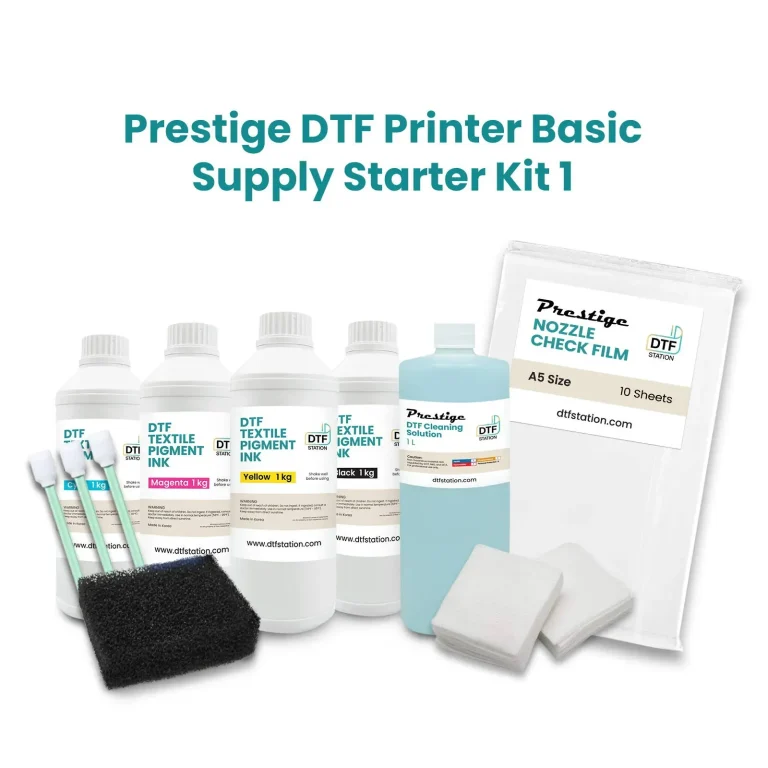
Selecting the right ink is equally important for successful DTF prints. Using high-quality DTF inks that provide superior color vibrancy and adherence to the fabric will help in producing designs that last over time. Experimenting with various materials and inks can lead to discovering combinations that result in spectacular outcomes, allowing creative professionals to push the boundaries of their designs.
Mastering Heat Transfer Techniques in DTF Printing
Heat transfer techniques are crucial to the DTF printing process, as improper application can lead to subpar results. It’s critical to use a heat press that offers precise temperature control and consistent pressure. Ideal settings typically involve a temperature of around 305°F applied for 15-20 seconds, but adjustments may be necessary based on fabric types and thickness.
Understanding how different fabrics react to heat is an important aspect of DTF printing mastery. Some materials may require more or less pressure to ensure that designs adhere correctly, while others may demand a more delicate heat setting. Through trial and error, printers can refine their techniques to achieve perfect, long-lasting results.
Enhancing Durability with Post-Printing Techniques
Post-printing techniques are essential for ensuring that DTF prints maintain their vibrance and longevity after the initial transfer. One recommended approach is to cure the designs by exposing them to additional heat either through a heat press or a curing oven. This step solidifies the inks’ adherence to the fabric, providing a robust finish that withstands wear and washing.
Another effective post-print technique is to apply a protective coating on your prints. Coatings can significantly enhance the durability, preventing fading or cracking over time. By refining these finishing touches, artists can ensure their DTF creations will not only look stunning but will also endure the test of time, allowing for lasting impressions on customers.
Drawing Inspiration and Connecting with the DTF Community
In the world of DTF printing, engagement with a creative community can be incredibly inspiring. By connecting with fellow artists, designers, and hobbyists through online forums and social platforms, one can share techniques, experiences, and innovative ideas. Such interactions often spark new creativity and collaborative opportunities that can lead to groundbreaking designs.
Moreover, following influential creators in the DTF realm can open one’s eyes to emerging trends and methods that can be incorporated into personal projects. Staying informed and engaged with the community not only fosters creativity but also encourages personal growth as an artist, ultimately enhancing one’s skill set and artistic expression.
Frequently Asked Questions
What are some creative DTF printing techniques for custom apparel?
Creative DTF printing techniques include using high-resolution graphics for detailed imagery, experimenting with layering effects, and incorporating vibrant color gradients. To maximize the quality of your custom apparel, make sure to select the right fabric types like 100% cotton or polyester blends, as these enhance color vibrancy and adhesion.
What are the best materials for DTF printing to ensure durability?
For optimal results in DTF printing, the best materials include 100% cotton and polyester blends. These fabrics provide excellent adhesion for the inks used in DTF printing, ensuring that designs remain vibrant and durable even after multiple washes.
What tips for DTF printing can help improve design quality?
To enhance design quality in DTF printing, maintain high resolutions (300 DPI) for images, utilize color guides for consistency, and experiment with different effects and layers. These tips ensure that your designs are both eye-catching and high-quality.
How does heat transfer play a role in successful DTF printing?
Heat transfer is crucial in DTF printing as it activates the adhesive in the inks during the transfer process. Proper temperature settings (around 305°F for 15-20 seconds) and appropriate pressure need to be applied to ensure effective adhesion and prevent damage to the designs.
What post-printing techniques can enhance DTF printed designs?
Post-printing techniques such as proper curing of prints, letting them rest for 24 hours, and applying protective coatings can significantly enhance the longevity and vibrancy of DTF printed designs, making them more resistant to wear and tear.
How can engaging with the DTF printing community inspire my creativity?
Engaging with the DTF printing community can provide inspiration through shared experiences, tips, and trends. By following influential designers, joining online forums, and participating in social media groups, you can learn new techniques that can significantly enhance your creative process.
| Key Areas | Tips and Techniques |
|---|---|
| Understanding DTF Printing | DTF printing transfers designs from film to fabric, allowing for high-quality and durable prints on materials such as 100% cotton, polyester blends, and synthetics. |
| Preparing Your Designs | Ensure designs are 300 DPI or higher, use vibrant colors and gradients, employ layers for depth, and adhere to color guides for consistency. |
| Choosing the Right Materials | Select 100% cotton or polyester blends for the best results, and use high-quality inks for adhesion and color vibrancy. |
| Heat Transfer Techniques | Use a reliable heat press set around 305°F for 15-20 seconds; experiment with pressure settings for optimal adhesion. |
| Post-Printing Techniques | Consider curing prints and applying protective coatings to enhance longevity and vibrancy. |
| Finding Inspiration and Engaging with Community | Join online forums and follow influencers to share techniques and stay updated with trends. |
Summary
DTF printing is an innovative technique that greatly enhances the creative potential for custom textile designs. By mastering the preparation of your designs, choosing the right materials, and utilizing effective heat transfer methods, you can produce stunning prints that retain their quality over time. The flexibility and vibrancy of DTF printing make it an exceptional choice for artists and designers looking to create unique apparel. Engaging with the global DTF printing community not only provides inspiration but also the opportunity to learn from others’ experiences, further enriching your creative journey.