DTF Printing: Transforming the Custom Apparel Industry
In the vibrant world of custom apparel, **DTF printing** is emerging as a revolutionary method that transforms how designs are applied to fabrics. Digital Transfer Film allows for stunning visuals and intricate details, making it an appealing choice for businesses aiming to meet contemporary consumer demands. What sets DTF technology apart is its combination of exceptional print quality and cost-effectiveness, allowing brands to deliver unique garments without the hefty price tag typical of traditional methods. As sustainability becomes a paramount concern among consumers, DTF printing stands out for its reduced environmental impact compared to conventional printing techniques. This modern approach not only aligns with current apparel printing trends but also paves the way for the future of sustainable fashion.
In the fast-evolving landscape of personalized fashion, the practice of using Digital Transfer Film is gaining significant traction among creative businesses. This approach, also known as DTF printing, enables high-quality designs to be seamlessly transferred to various textiles, catering to the diversification of customer preferences. The amalgamation of user-friendly printing solutions and efficient production processes makes this technique a favored choice within the apparel sector. Furthermore, as eco-friendly practices become essential for contemporary brands, DTF represents a sustainable alternative that prioritizes minimizing waste and energy consumption. With its ability to merge artistry with practicality, Digital Transfer Film leads the charge in modern printing methodologies.
Understanding DTF Printing Technology
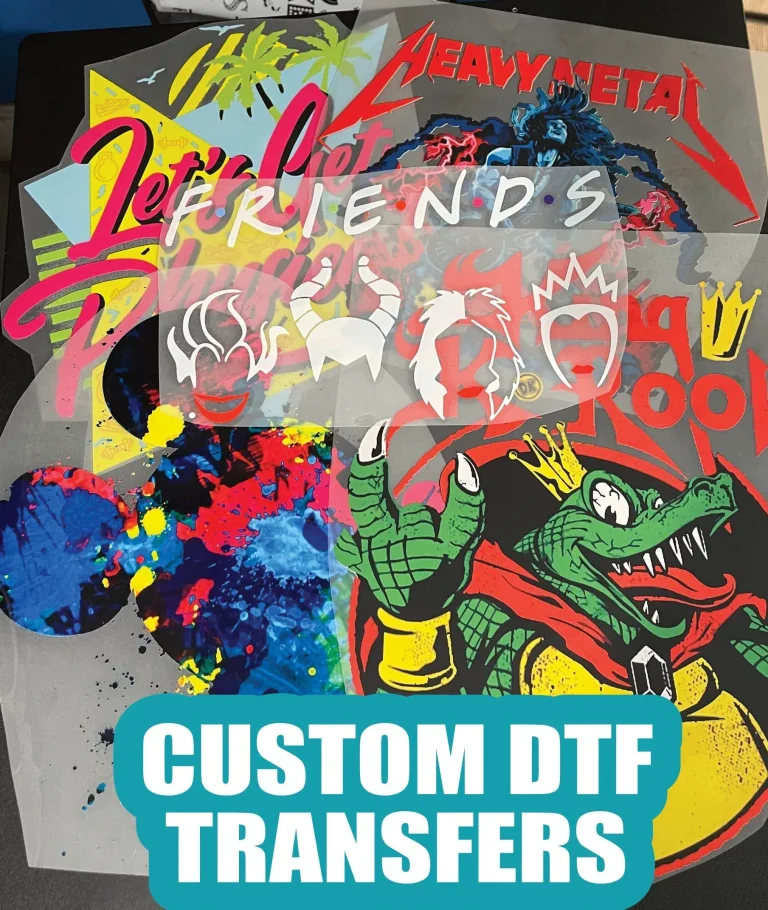
Digital Transfer Film (DTF) printing is at the forefront of apparel decoration technology, offering a unique approach to customizing garments. This process involves printing designs onto a specialized film and then transferring them onto various fabrics using heat. The result is a high-quality image that can withstand numerous washes, ensuring that vibrant colors and intricate details remain intact over time. DTF printing is particularly favored for its versatility and adaptability to different textiles, making it an ideal choice for custom apparel production.
Unlike traditional methods, such as screen printing which limits design complexity, DTF printing thrives on detail. It allows for multiple colors and gradients that can seamlessly blend, enabling designers to create visually stunning pieces. Furthermore, DTF technology does not require extensive setup, allowing for smaller runs of custom garments without significant financial investment. This capability is a game-changer for small businesses in the custom apparel sector, allowing them to offer a wide range of designs efficiently.
The Advantages of DTF Printing Over Traditional Methods
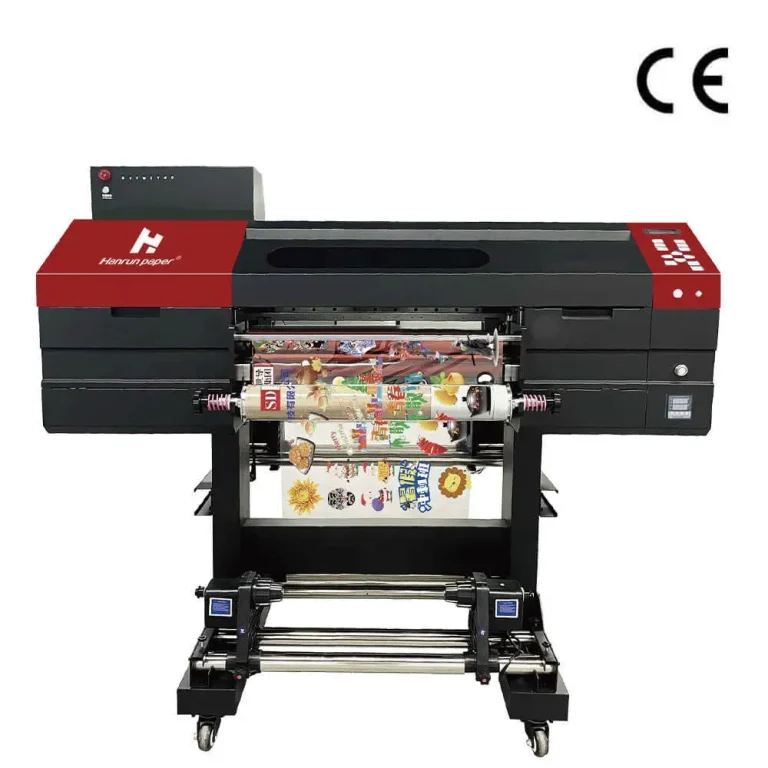
As the demand for high-quality custom apparel increases, the advantages of DTF printing become increasingly apparent. One significant benefit is its cost-effectiveness. In contrast to traditional printing processes like screen printing, which often incur hefty setup costs and require multiple plates for different colors, DTF printing drastically reduces expenses. The only initial investment needed is the DTF printer and film, making it accessible for entrepreneurs seeking to minimize upfront costs in their custom apparel business.
Moreover, DTF printing offers impressive speed and efficiency in production. With rapidly fluctuating consumer preferences for unique styles, businesses can quickly turnaround orders and respond to market trends. This swift adaptability is crucial in the fast-paced world of fashion, where staying ahead of apparel printing trends can lead to substantial competitive advantages.
Exploring the Sustainability of DTF Printing
In today’s eco-conscious climate, sustainability in manufacturing practices is more important than ever. DTF printing stands out for its environmentally friendly features, as it utilizes significantly less water and energy compared to conventional printing methods. This reduction in resource use aligns with the apparel industry’s shift toward sustainable practices, allowing brands to fulfill consumer demand for eco-conscious products without sacrificing quality.
Additionally, as businesses adopt DTF technology, they not only enhance their sustainability efforts but also appeal to a growing segment of consumers who prioritize environmentally responsible brands. The ability to promote a brand as eco-friendly can be a significant competitive edge in the crowded custom apparel market, encouraging new customer loyalty and retention.
Cost-Effectiveness and Profitability in Custom Apparel Business
Cost-effectiveness is a central tenet for any business, especially within the custom apparel industry, where profit margins can be razor-thin. DTF printing allows businesses to cut down on their production costs significantly. With reduced material needs and minimal setup time, entrepreneurs can allocate their resources more efficiently, paving the way for increased profitability and the opportunity to explore new design possibilities.
The ability to produce high-quality prints without the need for extensive setup also means businesses can operate with greater flexibility. For small to medium-sized enterprises, this operational efficiency translates into lower overheads and the potential for bulk production without sacrificing quality. Hence, adopting DTF technology is not only a strategic investment toward sustainability but also a savvy business move aimed at maximizing profits.
Current Trends in Digital Transfer Film Printing
The custom apparel industry is witnessing a shift toward personalization and unique designs, with DTF printing riding high on this trend. Customers increasingly seek one-of-a-kind items that express their individuality, and DTF technology empowers businesses to meet this demand with ease. Its ability to produce eye-catching graphics on various fabrics opens the door for endless creative opportunities, aligning perfectly with current retail trends.
Moreover, the growing online marketplace has influenced how DTF printing is utilized, with businesses leveraging social media to showcase personalized apparel. As a result, many companies are investing in DTF printing technology to enhance their product offerings, tapping into consumer desire for customized solutions. This trend not only strengthens brands but also revitalizes the custom apparel sector as a whole.
The Future of Custom Apparel with DTF Technology
Looking ahead, the future of custom apparel appears bright with the evolution of DTF technology. As advancements continue, we can expect more refined printing processes that cater to an even wider array of textiles and demands from consumers. The consistent growth in customization trends signifies a healthy market for DTF printing, encouraging further investments in innovation from manufacturers and entrepreneurs alike.
Moreover, as brands increasingly embrace this technology, sustainability will remain a pivotal discussion point. The alignment of DTF printing practices with eco-friendly initiatives will likely make it a standard in the industry, ensuring that businesses can thrive while adhering to the growing consumer demand for responsibly produced apparel. Ultimately, DTF printing is not just a passing trend—it represents the future of custom apparel production.
Frequently Asked Questions
What is the process of DTF printing in custom apparel?
DTF printing, or Digital Transfer Film printing, involves printing designs onto a special film, which is then transferred to the fabric using heat. This method allows for vibrant designs across a wide variety of textiles, including cotton and polyester, making it a versatile choice for custom apparel.
Why is DTF printing more cost-effective than traditional apparel printing methods?
DTF printing is more cost-effective because it requires fewer setup costs compared to traditional methods like screen printing. With DTF, you only need the film and the printer, reducing both initial investments and ongoing material costs, which benefits small to medium-sized businesses.
How does DTF technology improve production speed for custom apparel?
DTF technology enhances production speed by providing quicker turnaround times than traditional printing methods. It allows businesses to meet increasing demands for on-demand printing, enabling faster product availability and improved customer satisfaction.
What sustainability benefits does DTF printing offer compared to traditional methods?
DTF printing is more sustainable as it uses less water and energy than conventional printing processes. By adopting DTF technology, businesses can reduce their environmental impact while still delivering high-quality custom apparel that meets consumer expectations for sustainable practices.
What market trends are influencing the growth of DTF printing in the custom apparel industry?
The growth of DTF printing aligns with the rising consumer demand for customization and personalization in retail. As consumers seek unique apparel options, the DTF market is expected to expand significantly, prompting increased investments in DTF technologies within the custom apparel sector.
Is DTF printing technology user-friendly for beginners in custom apparel business?
Yes, DTF printing technology is designed to be user-friendly, making it accessible for small business owners and hobbyists. Recent advances in printing equipment allow even entry-level entrepreneurs to operate DTF machines easily, facilitating entry into the custom apparel market with minimal upfront costs.
| Key Point | Details |
|---|---|
| What is DTF Printing? | A method where designs are printed on a special film, then transferred onto fabrics using heat. |
| Print Quality and Versatility | Offers vibrant colors, intricate designs, and works on various textiles. |
| Cost-Effectiveness | Reduces costs related to setup and materials, ideal for small-medium enterprises. |
| Speed and Efficiency | Faster turnaround times improve customer satisfaction and repeat business. |
| Sustainability | Uses less water and energy than traditional processes, appealing to environmentally conscious consumers. |
| Market Growth | Increasing demand for customization drives the growth of DTF technology. |
| User-Friendly Technology | New machines are accessible for small businesses and hobbyists. |
Summary
DTF printing is revolutionizing the custom apparel industry with its innovative approach to printing. This technology not only delivers exceptional print quality and versatility but also offers significant cost savings and faster production times. As consumer demand for unique and personalized clothing increases, businesses are compelled to leverage DTF printing to stay relevant and competitive. Moreover, the sustainability aspect of DTF printing positions it as a responsible choice for modern brands, aligning with the growing trend towards eco-friendly practices. Embracing this technology is essential for companies that aspire to thrive in the evolving landscape of custom apparel.